In Aubagne, every visit is an exploration. Between heritage, culture, outdoor activities and unspoilt nature, the town offers a range of experiences that will appeal to both the curious and lovers of authentic towns.
Places to visit: immerse yourself in Aubagne’s history
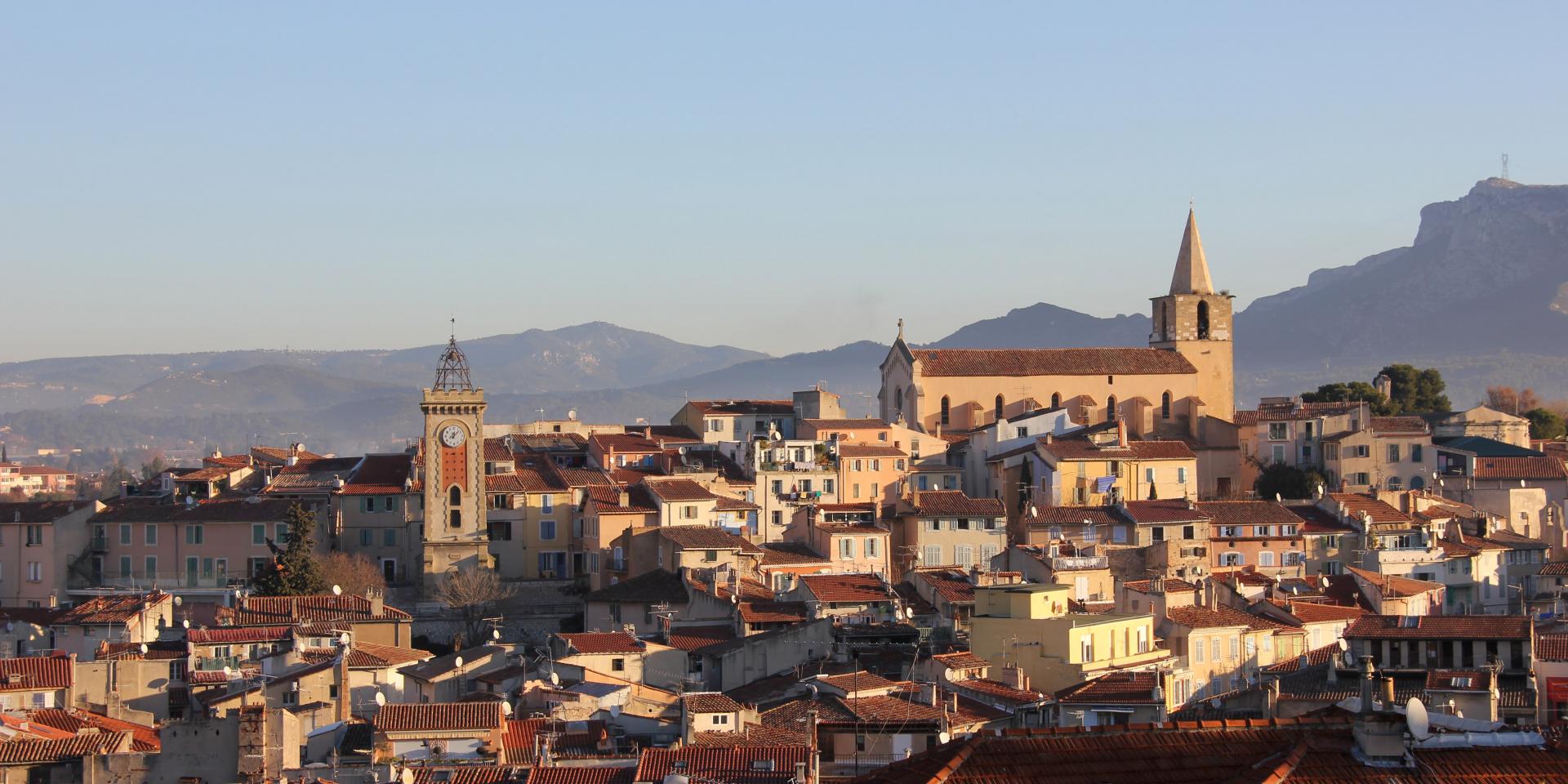
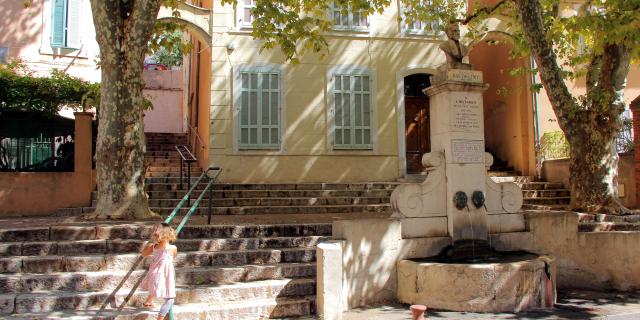
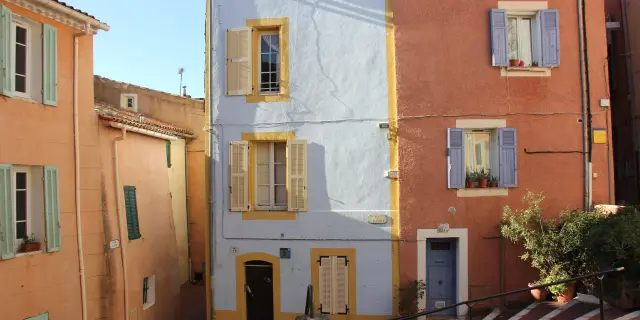
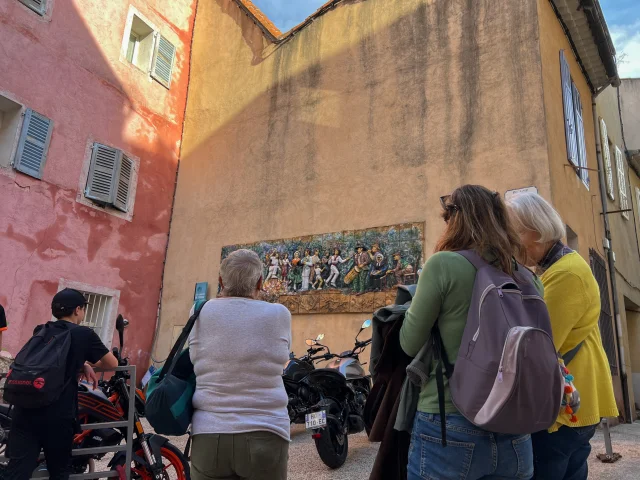
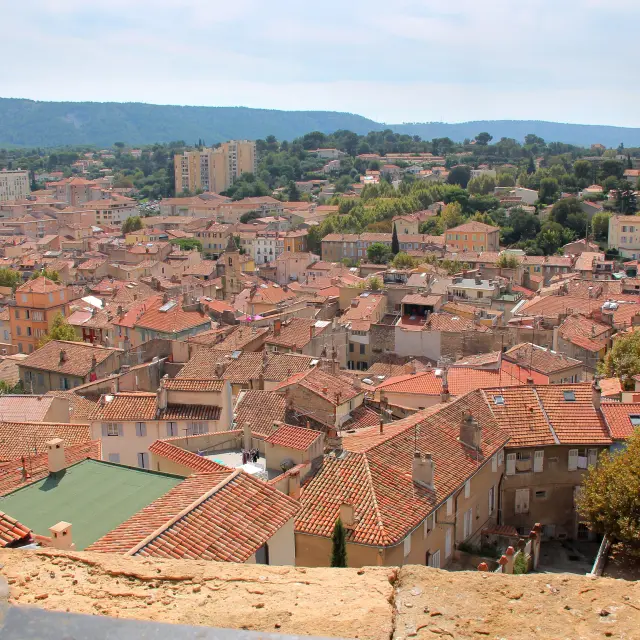
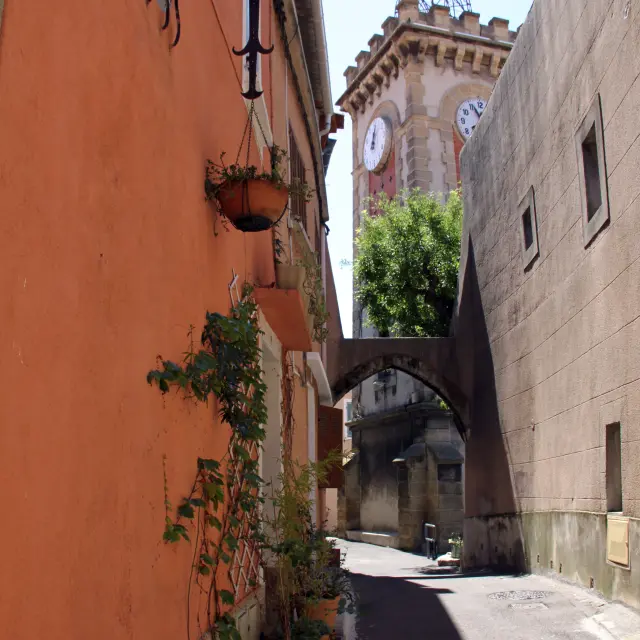
Aubagne’shistoric centre is the ideal starting point for exploring the town. Wandering through its narrow, winding streets is like stepping back in time. Old houses with colourful facades, staircases in every corner, medieval gateways and shady squares bear witness to the city’s thousand-year-old history. The best-known squares include rue Torte, rue Rastègue, place Joseph Rau and place de Guin. Aubagne, a Mediterranean town, is also known for its emblematic ornamentation, such as the Hôtel de Bausset, the Hôtel des Royalistes, the old balconies, the doors and knockers and the 18th-century bread oven.
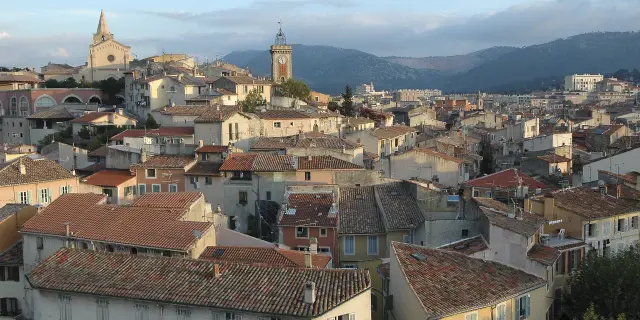
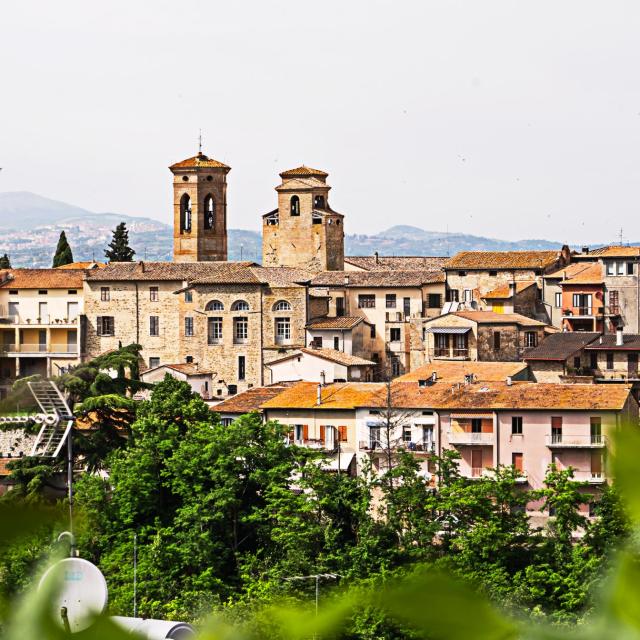
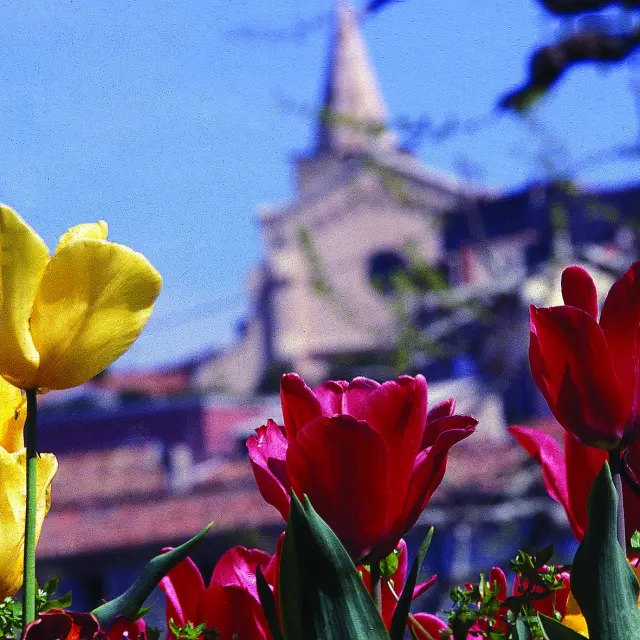
As forthe monuments, they bear witness to a rich history: the church of Saint-Sauveur, an emblematic building that dominates the town, is a landmark of our religious heritage. The triangular bell tower of the Observance, the chapel of the Pénitents Noirs and the chapel of the Pénitents Blancs are also part of our religious heritage.
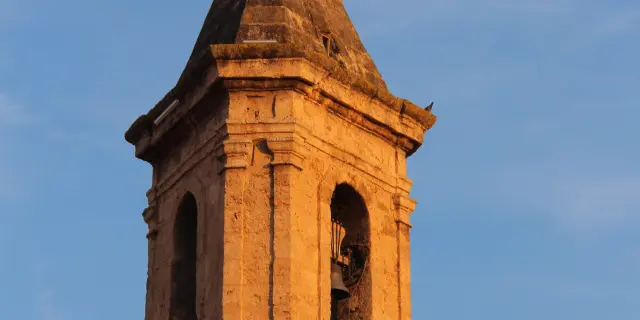
In the heart of Aubagne’s old town stands the clock tower, dating from 1900. This impressive tower reveals its radiant colour when the sun is in full swing. Its predecessor, destroyed in 1898, was one of the gateways to the medieval town. Remains of these ancient ramparts, scattered around the town centre, tell of a time when the town protected itself from invasions and epidemics: the Gachiou gate (the town’s main gate), the Chemin d’Entrecasteau and the houses in the Place de Guin, built right into the ramparts!
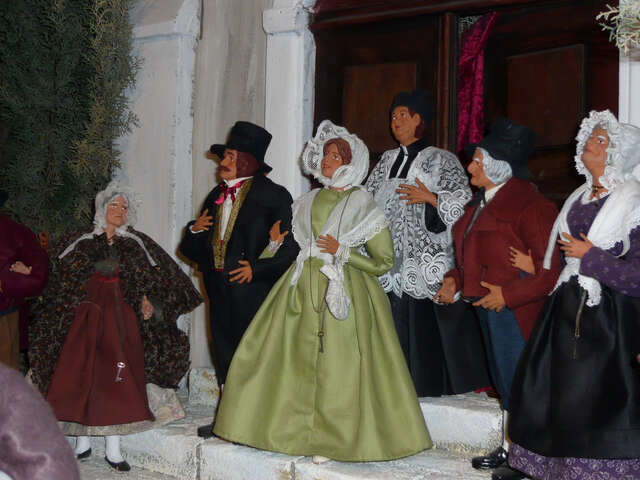
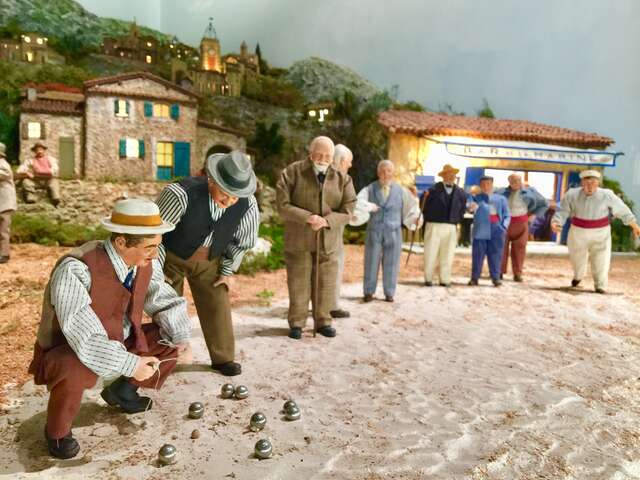
Aubagne is also inextricably linked with Marcel Pagnol, an emblematic figure of the destination whose presence still permeates the area. The house where he was born has become a place of remembrance, immersing us in its history and helping us to better understand the writer’s deep attachment to his homeland. In the old town centre, around the bend of a charming courtyard, you’ll also find the Petit Monde de Marcel Pagnol, a living museum set in the workshop of Thérèse Neveu, the town’s famous santonnière. It pays homage to his cinematographic and literary work through santon sketches made by Aubagne santon-makers. Marcel Pagnol reveals the Provence of yesteryear.