
©

Visite Guidee Maitres De Largile Ravel Jlo Oti Pays D Aubagne 89

Les Maîtres de l'Argile" guided tour of Aubagne

Aubagne’s heritage, expertise and passion reveal a whole side of its identity through clay and fire. When I took part in the “Masters of Clay” guided tour, I discovered a world that has been shaped for centuries by the hand of man: that of the potters and earthenware makers who have made the town famous. It was a captivating immersion in the history of a living art form, as we wandered through colourful alleyways and emblematic workshops.

Published on 24 October 2025
©

Rando Garlaban Aubignane Cf Oti Pays D Aubagne 4

Jade
  • Mon coup de cœur touristique

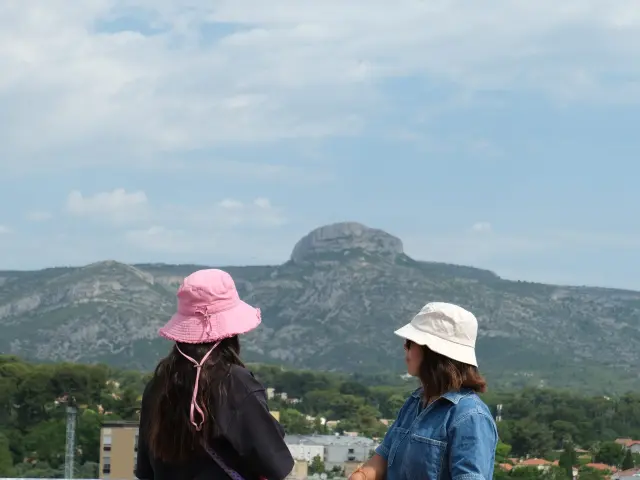
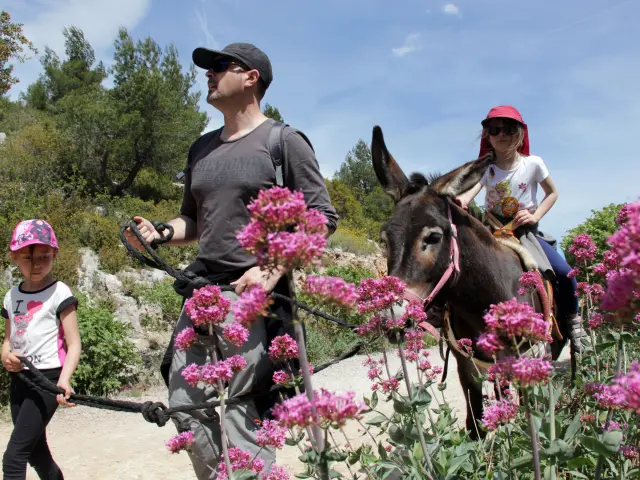
    Les sentiers aériens du Garlaban, avec une vue sur tout le territoire et la baie de Marseille.

Discovering Aubagne's ceramics expertise

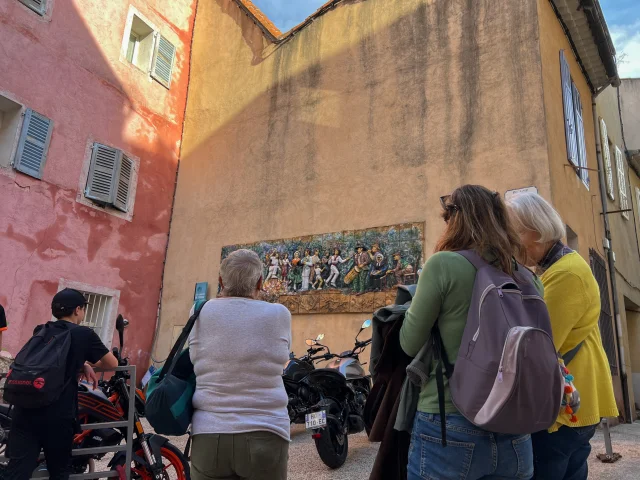
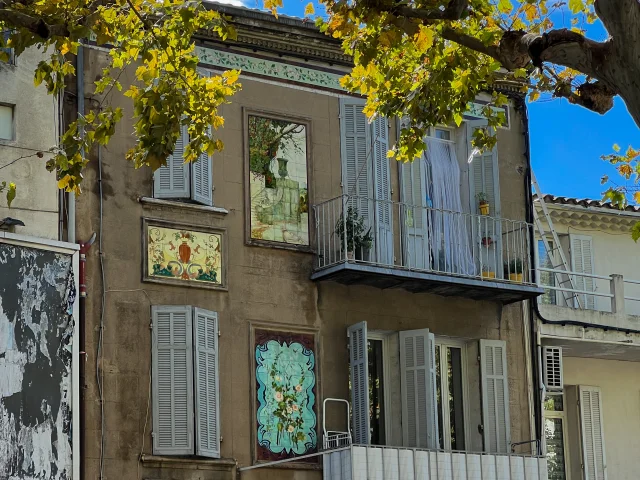
As soon as we arrive at the Pays d’Aubagne Tourist Office, the tone is set. Greeted by our guide, we look up to see pretty ceramics adorning the walls of the town centre. A discreet nod to what has been the heartbeat of the town for centuries: the earth, the clay, and the talent of the craftsmen.

In France, only two towns are on the European ceramics route: Limoges… and Aubagne! Here, clay has been worked for over two thousand years. The Celto-Ligurians, then the Romans, turned it into an art and an everyday tool – in fact, excavations have revealed a huge dolium in the forecourt of Aubagne station, giant amphorae that were buried to store food. Later, in the 15th century, a certain Bruno Catani really established ceramic work in Aubagne, paving the way for generations of craftsmen.
From tradition to creation

Ravel and Sicard, two emblematic houses

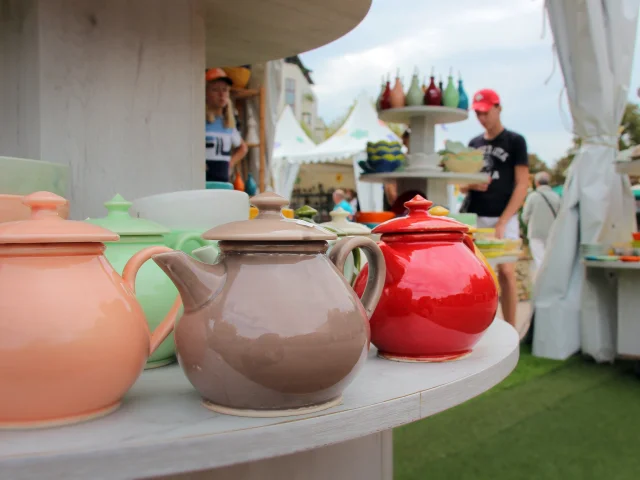
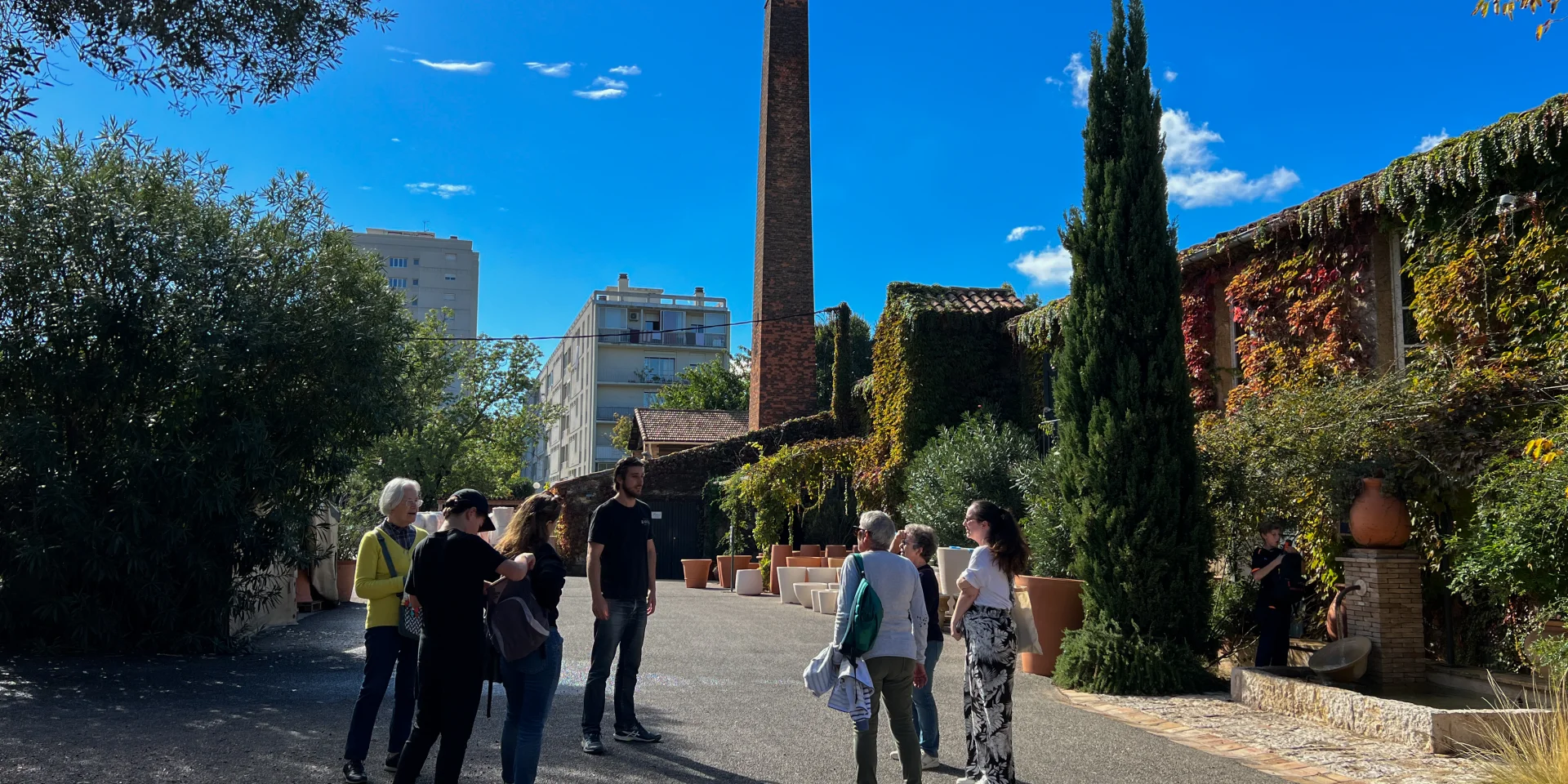
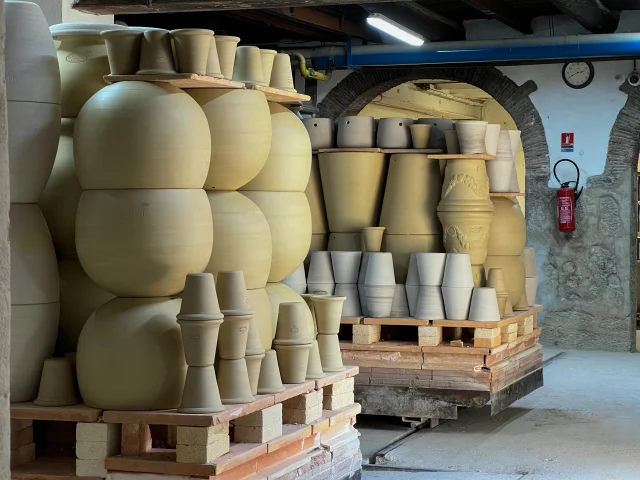
Our first stop is the Ravel pottery, a family-run business with a reputation that extends far beyond Provence. In the courtyards and within the walls of the factory, I’m dazzled by the shapes, colours and textures. The enamelled pots glisten in the sunlight, and I learn that in the past, this thin layer of enamel was used to prevent rodents from climbing over the containers, at a time when pottery was primarily utilitarian. Today, the company works with top designers, and even the Danish crown has placed an order… no less!

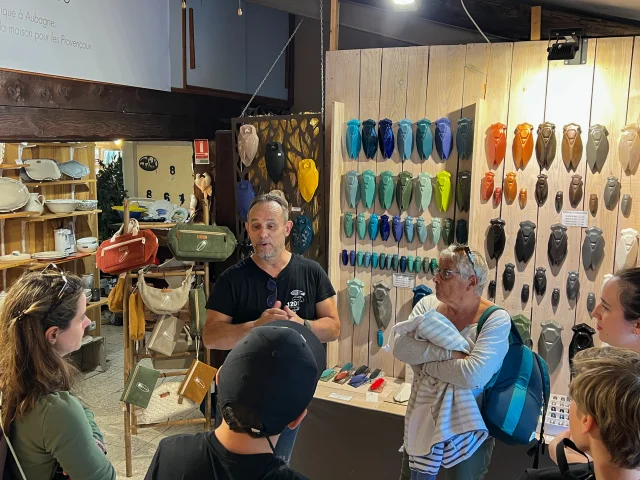
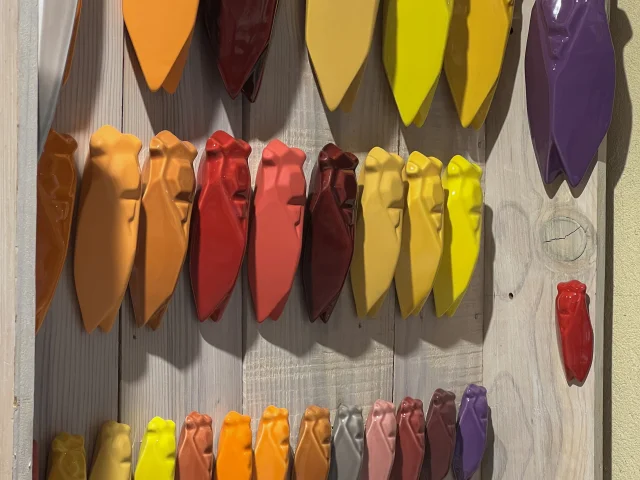
Then we board the bus for the Sicard earthenware factory. This is a different facet of ceramics, more decorative, more poetic. We are told about the birth of the famous cicada in 1895: originally a simple paperweight ordered by a manufacturer in Berre l’Etang as a gift for its customers. The initial request was for an object representing Provence. The cicada was an obvious choice, representing the arrival of fine weather. Since then, the Sicard cicada has hung on our walls, a singing symbol of summer and Provencal know-how.

Did you know?

In the 17th century, a quarter of Aubagne’s workers were already employed in ceramics factories. By the 20th century, this figure had risen to 4 out of 5! Then, little by little, the world wars and the advent of plastics led to the decline of this ancestral know-how. Today, only a handful of fireplaces remain, remnants of the days when Aubagne clay smoked day and night. Fortunately, today’s craftsmen are keeping the flame alive – and the “Masters of Clay” tour is a fine tribute to this living memory.

In the footsteps of the Aubagne potters

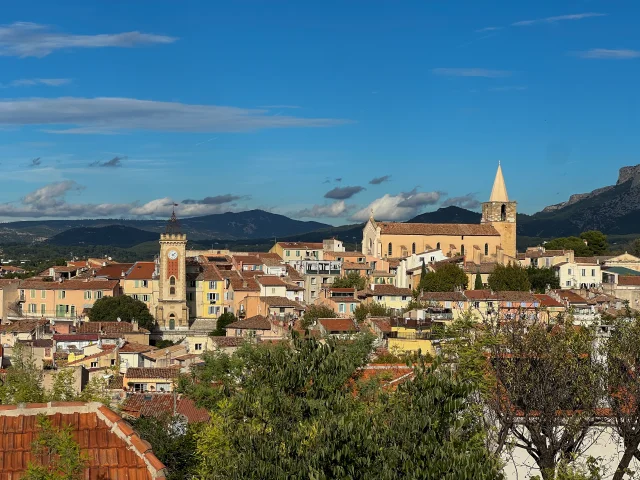
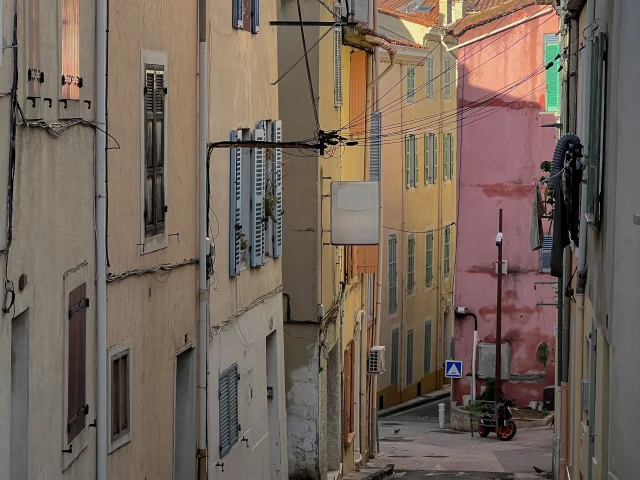
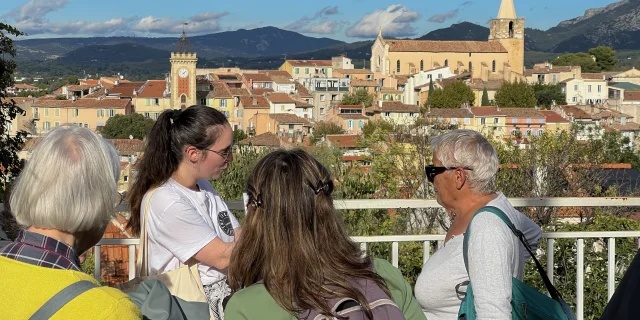
The tour continues on foot in one of the historic pottery districts. The narrow streets, colourful facades and cats dozing in the shade give the area an undeniable charm. It’s said that you can smell the fig trees here in the summer: I’ll have to come back! As we turn a corner, a magnificent view of the clock tower and church steeple elicits a collective “wow”.
I learn that, in the old days, factory chimneys didn’t work on Fridays, to make way for washing day. Simple details, but they tell the story of an entire way of life.

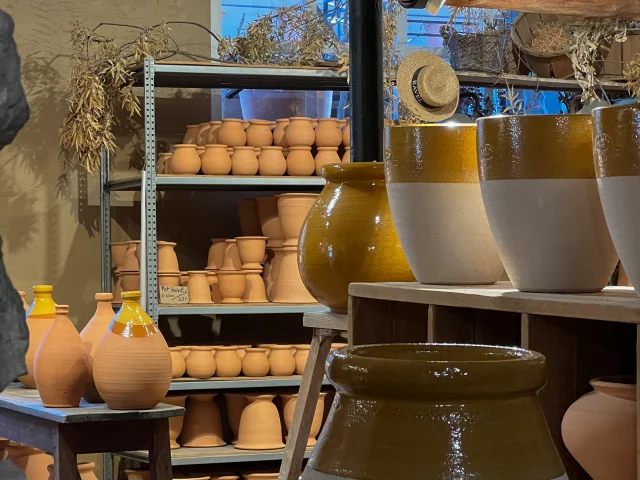
The walk ends at the Argilla gallery, a veritable showcase of local expertise. With contemporary pieces, decorative objects and delicate santons, it’s hard not to fall in love. I finally gave in to temptation: a little earthenware cicada now sits on my desk, a tangible reminder of this afternoon of history and craftsmanship.

Practical information

Good to know

  • Duration: approx. 2h15 to 2h30
  • Departure point: Pays d’Aubagne et de l’Étoile Tourist Office
  • Guided tour: by reservation only
  • Tip: comfortable shoes recommended (there is some walking involved)

Our blog posts

Get inspired!