©

Rando Pagnol Cineaste En Herbes Jlo Oti Pays D Aubagne 28 1

Marcel Pagnol, budding film-maker" guided tour

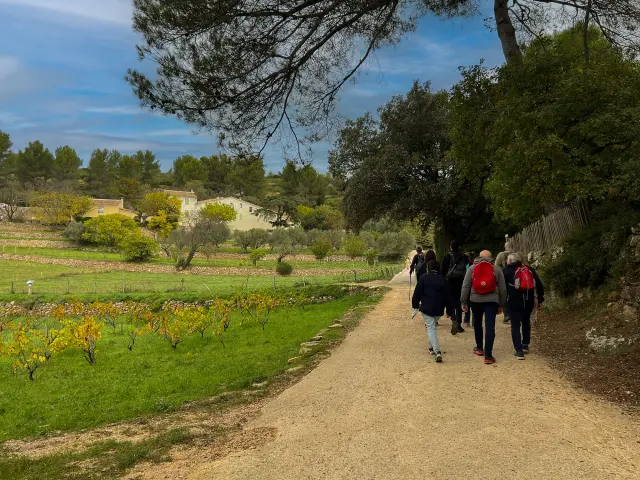
Between nature, memory and cinema, the hills of Aubagne reveal the soul of Marcel Pagnol. Following the guided walk “Marcel Pagnol, budding film-maker”, I walked in the footsteps of the Provençal writer and film-maker, where his stories came to life. From sun-drenched paths to the natural settings of his films, each step echoes his world: that of a luminous, simple and profoundly human Provence.

Published on 19 November 2025
©

Ornella

Ornella
  • Si j'étais un lieu du territoire, je serais...

    La croix du Garlaban pour avoir une vue imprenable tous les jours dont on ne se lasse jamais.

In the footsteps of a local boy

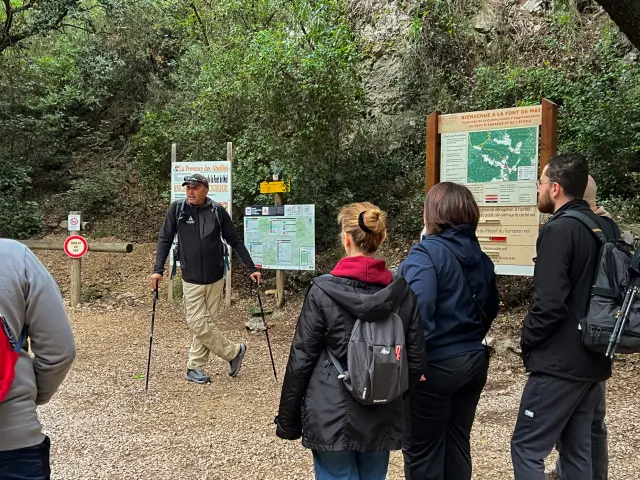
From the moment I set foot on the Domaine de la Font de Mai, I knew that this walk would be different from any other. Here, every stone, every path seems to tell a story. Our guide invites us to walk “in the footsteps of Marcel”, that child of Aubagne who became a giant of the cinema. Under the morning mist, the hills gently awaken – and with them, memories of an eternal Provence.

La Font de Mai… “Font” for “spring“, “Mai” for “abundance” in Provençal. A name that already sounds like a promise. Once an agricultural estate until the end of the First World War, the site was then abandoned before being reborn today as the gateway to Pagnol’s hills.

Further up the hill, we stop off at an old threshing floor – a Provençal calade, once used to separate the grain from the straw. Our guide tells us about the writer’s family: Joseph, his father, a teacher at the Lakanal school in Aubagne, then at the Chartreux monastery in Marseille, and his mother Augustine, whose frail health led them to seek the “pure air” of the hills. It was here, at La Bastide Neuve, that the tender, mischievous world of La Gloire de mon père and Le Château de ma mère was born.
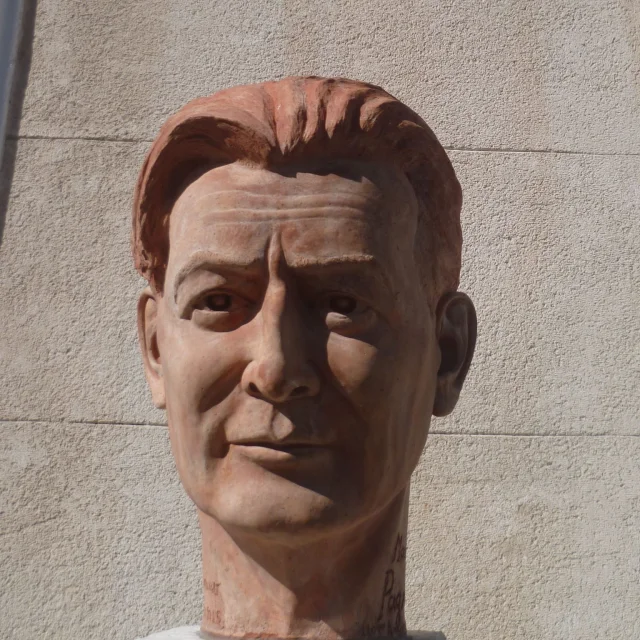
The most beautiful light is that of the sun of Provence.

Marcel Pagnol

From the hills to Marcel's memories

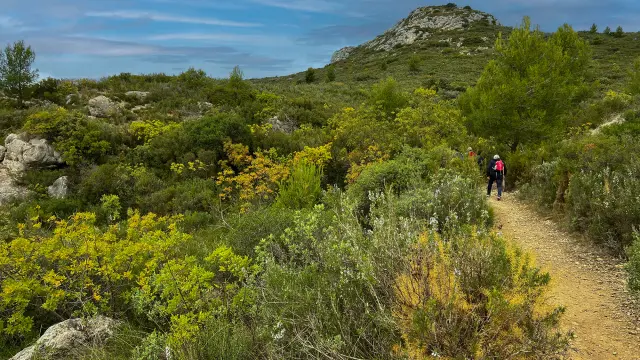
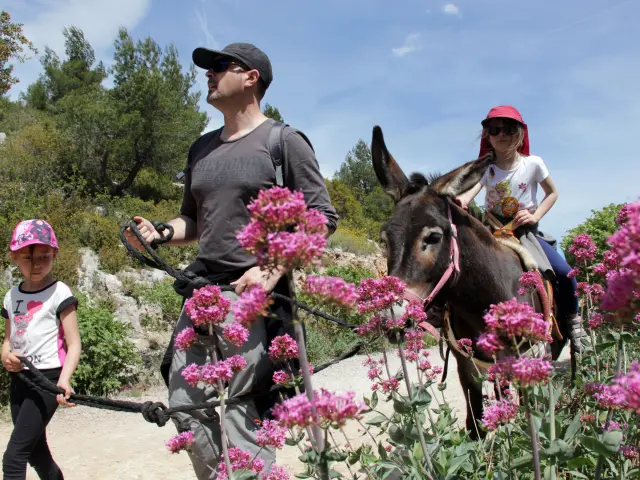
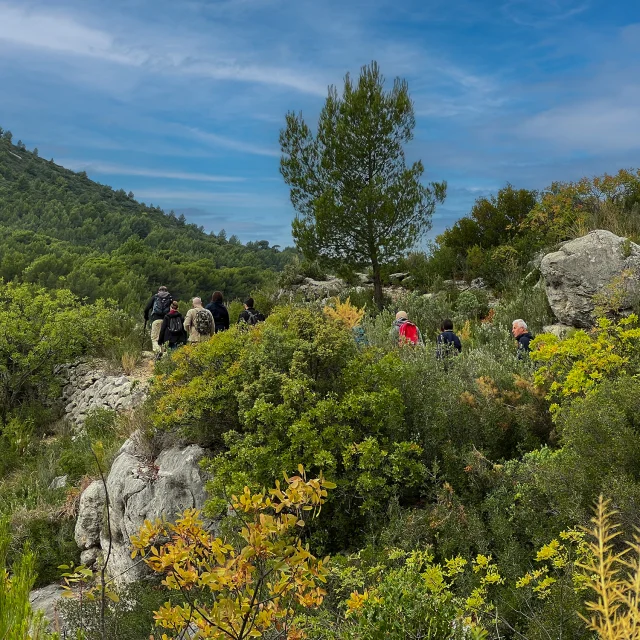
We follow small paths lined with thyme and rosemary. The guide punctuates the walk with anecdotes and dialogues from books.
Adults lie just as well as children,” he smiles, recalling the episode at Parc Borély, where little Marcel discovers that his Uncle Jules is not really the owner.
Provence rustles with these simple, sincere stories, both funny and moving.

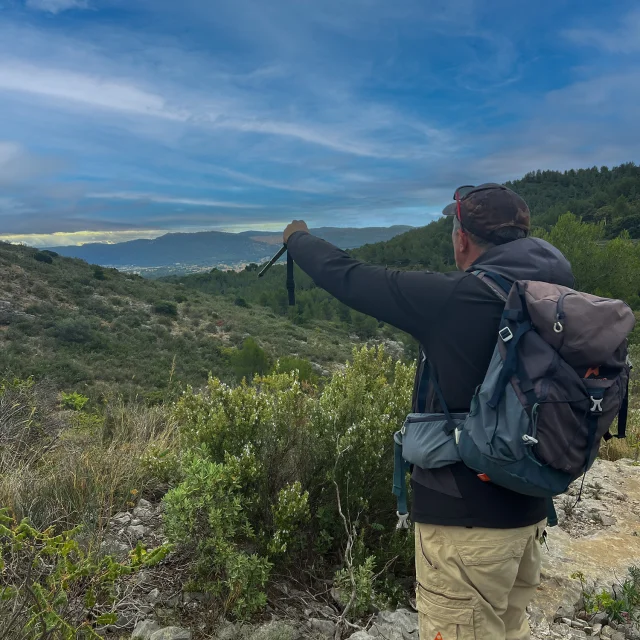
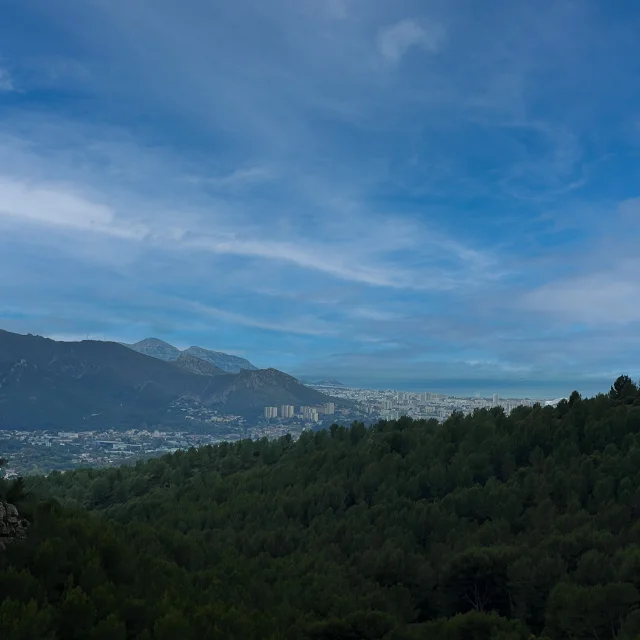
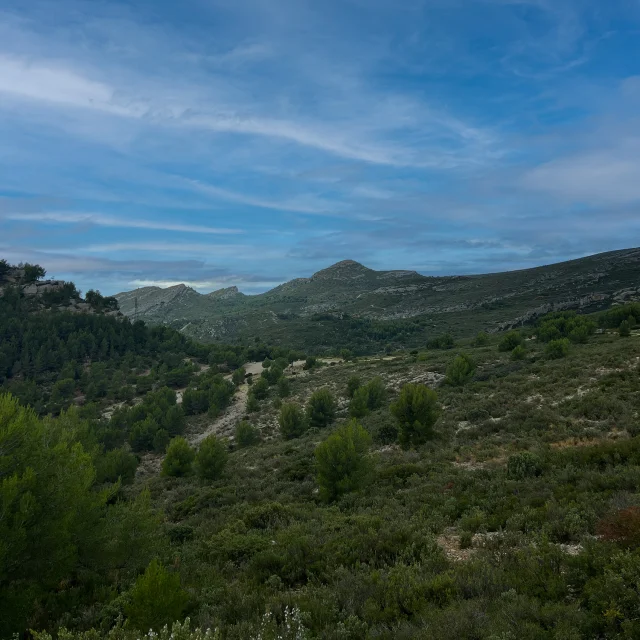
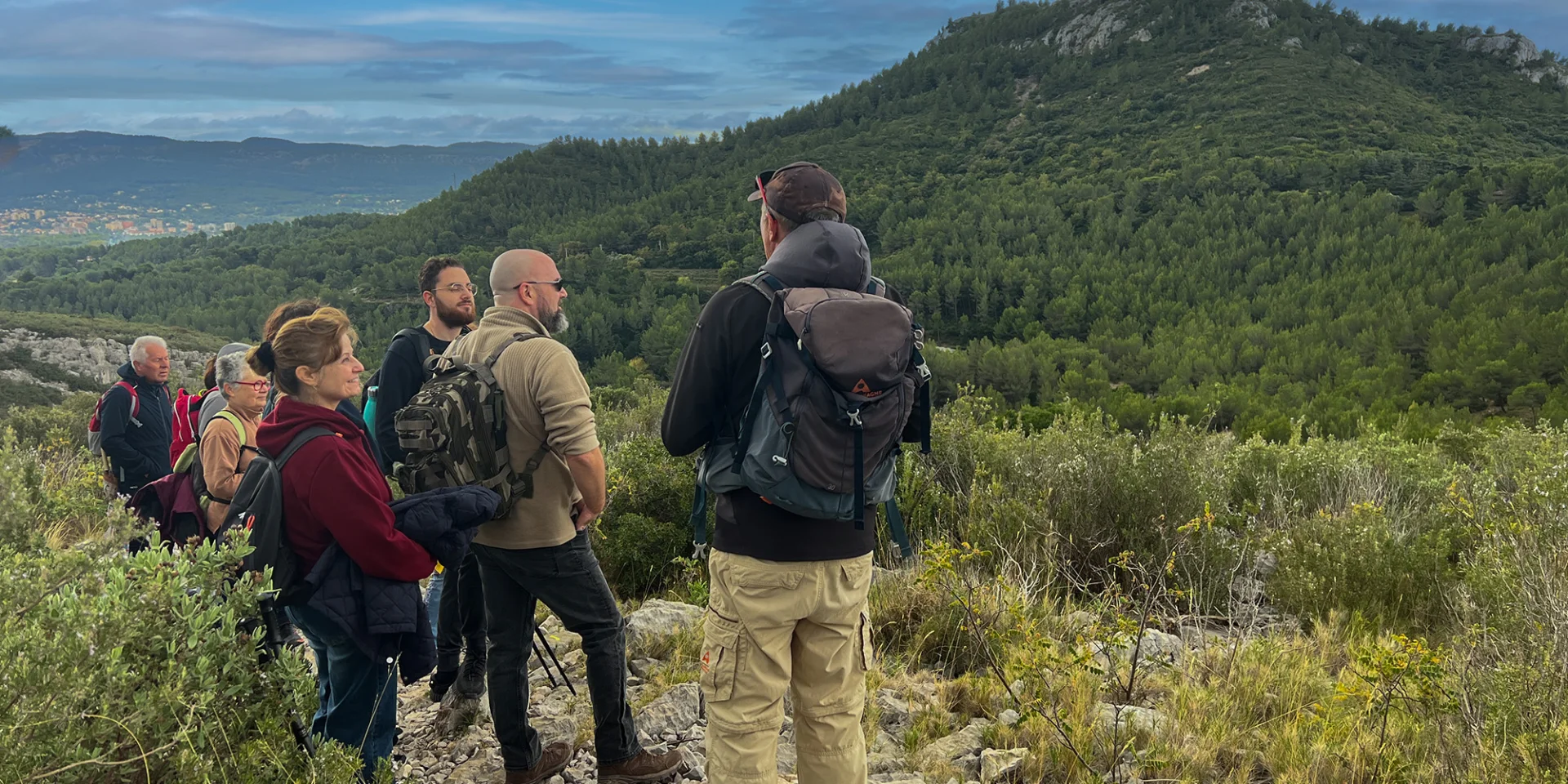
The wind blows gently, and the view opens out onto an imposing panorama: on one side Aubagne and the pink roofs of its old town, on the other Marseille and the Mediterranean in the distance. We can also see that the area has been developing and industrialising for decades, by the extent of the buildings that have sprung up in the valley. The guide jokes, pointing to the quarry at La Bédoule: “The people of Aubagne are digging to get a view of the sea, and that’s no easy task!

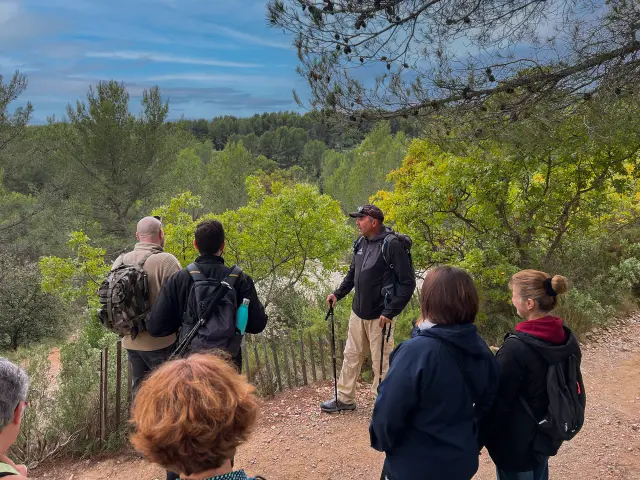
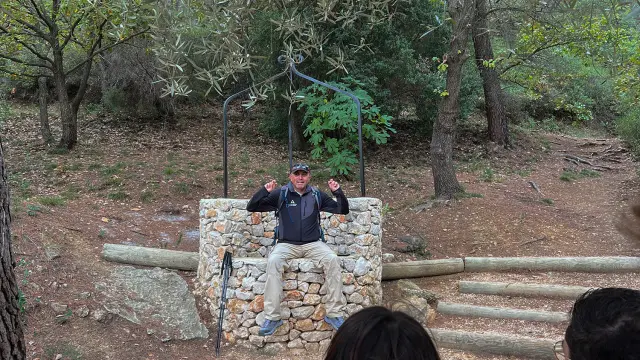
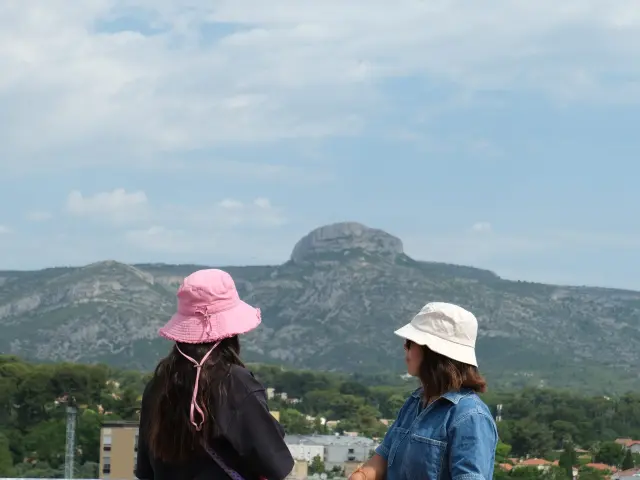
We then stop for around twenty minutes on a promontory, facing Tête Rouge, Tête Ronde and Taoumé. These three emblematic peaks, along with Garlaban and the Bars of St Esprit, form the natural backdrop to Pagnol’s stories. The guide transforms himself into a storyteller: he “plays” several iconic passages for us, with the tone and gestures of theatre. Under the autumn skies of Provence, the words come to life. It’s easy to imagine Marcel and his friend Lili running through the hills, taking refuge in the Grosibou cave on a stormy day, or Joseph and Uncle Jules enjoying their famous hunting parties. Everything seems so close, almost real, as if the characters had simply crossed the next hill.

Did you know?

Originally, Manon des Sources and Ugolin formed a single film lasting over four hours. Against Pagnol’s wishes, distributors decided to cut it in two… giving birth to two masterpieces of French cinema.
Another lesser-known legacy: Pagnol was one of the first to believe in “talking pictures”, crossing the Channel in the 1930s to discover the technique. A visionary, he already claimed that “the spoken word would give images a soul”.

In the footsteps of Pagnol's cinema

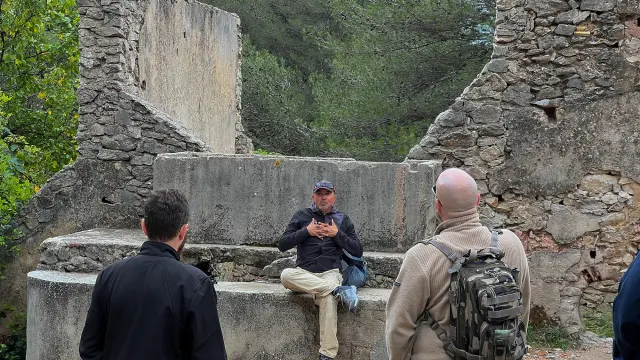
Then comes the “cinema” part. We reach the Douloire, the legendary setting for Angèle’s Farm. The place is over 90 years old: real stones, marked by time, pools built for special effects… Here, Pagnol filmed with cameras weighing over 80 kilos, under a merciless sun. The cicadas sang so loudly that we had to fire rifles into the trees to silence them for the duration of a scene!

It was also in these hills that he invented his dolly systems for sliding the camera along improvised rails.

Practical information

Good to know

  • Duration: half a day (7km)
  • Level: easy (from 6 years old)
  • Departure: Font de Mai car park
  • By reservation only
  • Tip : bring water, a hat and suitable footwear.
Extend the experience

Places Marcel Pagnol

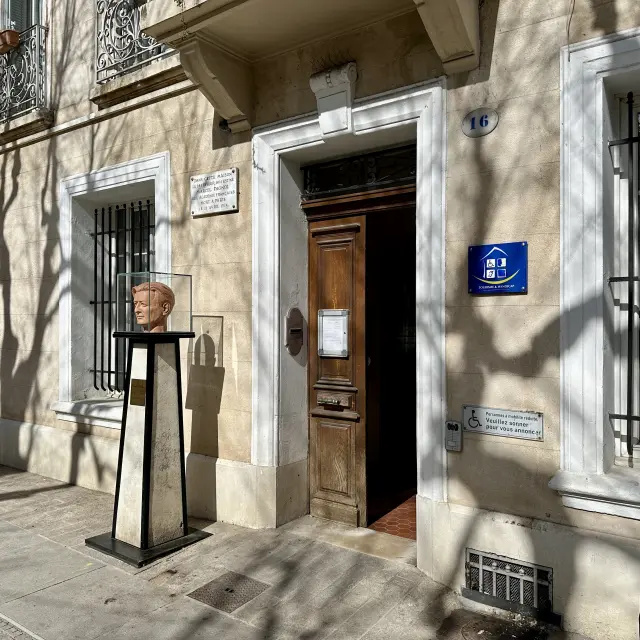
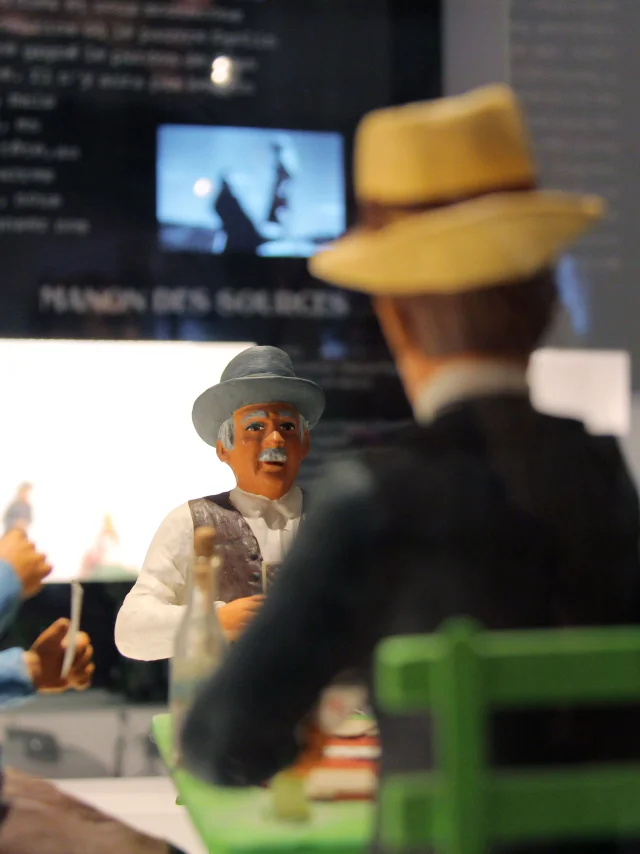
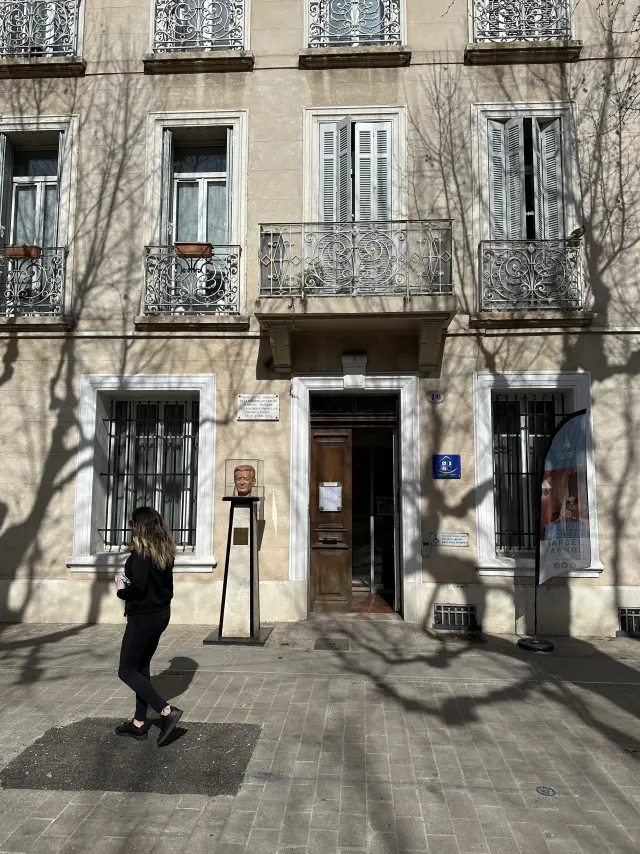
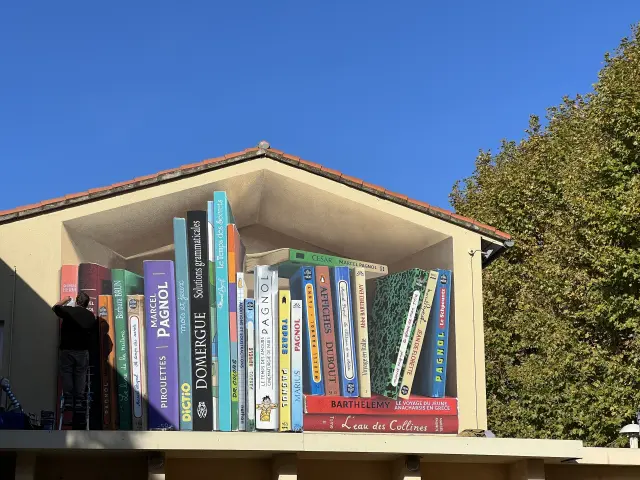
Continue your immersion in theworld of Marcel Pagnol: visit the house where he was born in Aubagne, discover the Petit Monde de Pagnol and stroll through the narrow streets of the old town centre, so often filmed or evoked by the film-maker.

Our blog posts

Get inspired!