©

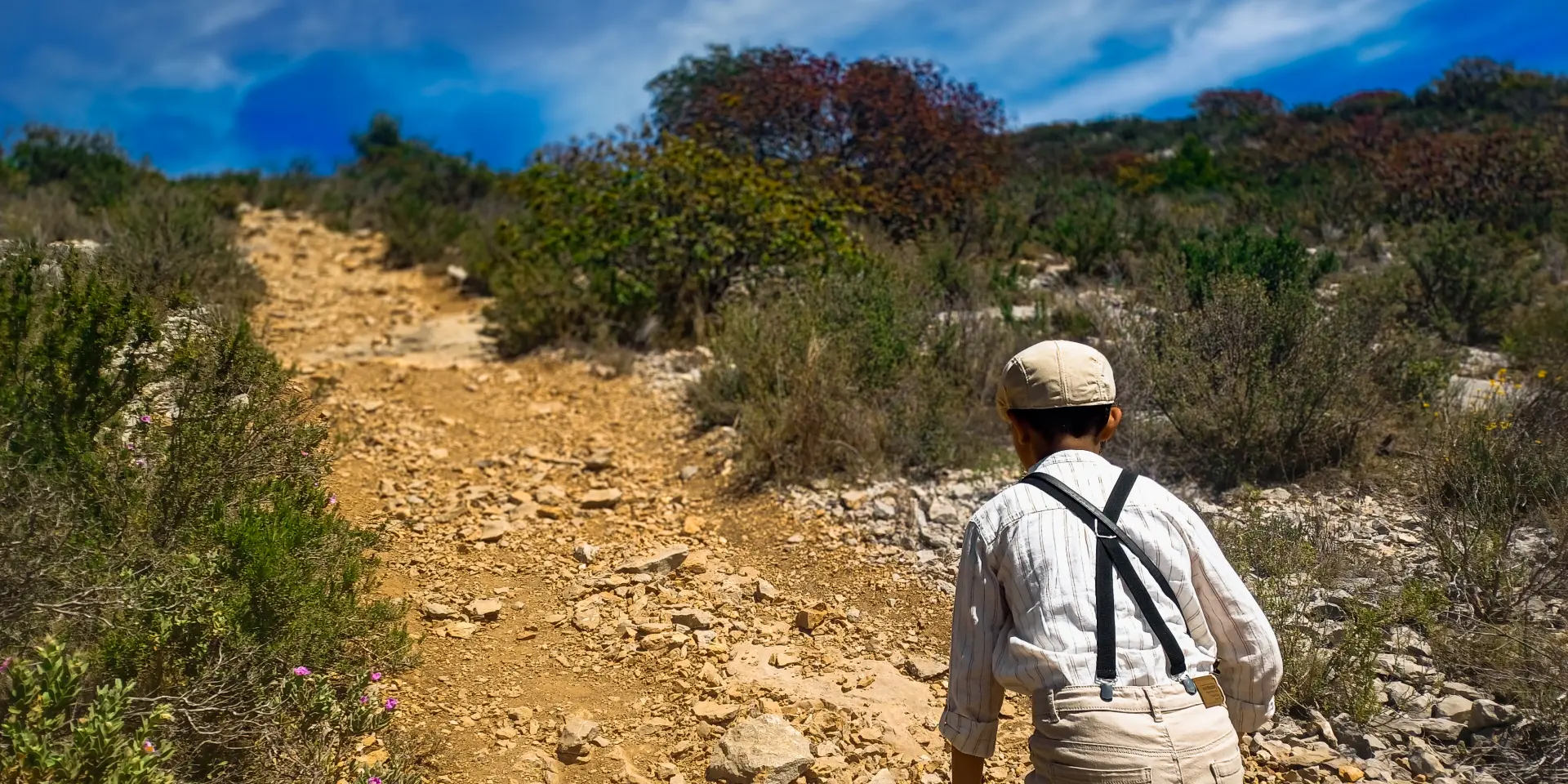
Representation Du Petit Marcel Dans Les Collines @oc Oti Pays Daubagne

Follow in the footsteps of

Marcel Pagnol

Discover Marcel Pagnol, the writer and film-maker who left a profound mark on Provence and French culture. On this page, immerse yourself in the story of his life and works, between literature, theatre and cinema, and let yourself be guided to the places that inspired his stories and films. From the hills of his childhood to the landscapes that fed his imagination, discover the legacy he left in and around Aubagne, with its culture, memory and emblematic sites of the south.

Marcel Pagnol: a child of Aubagne

Writer, film-maker and emblematic figure of Provence

Marcel Pagnol was a child of Provence who became an immense storyteller. A key figure in French literature and cinema of the XXᵉ century, he distinguished himself as a novelist, playwright and filmmaker. Famous for his ability to capture Provençal landscapes, characters and dialogue with a unique sensitivity, he was able to bring Provence into the hearts of millions of readers and viewers.
The life of Marcel Pagnol

from childhood in Provence to national recognition

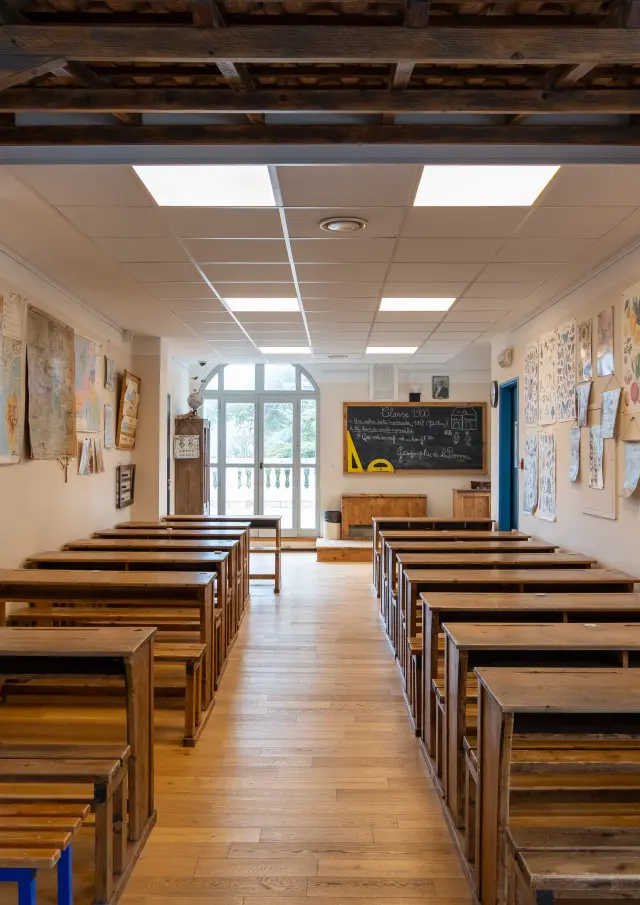
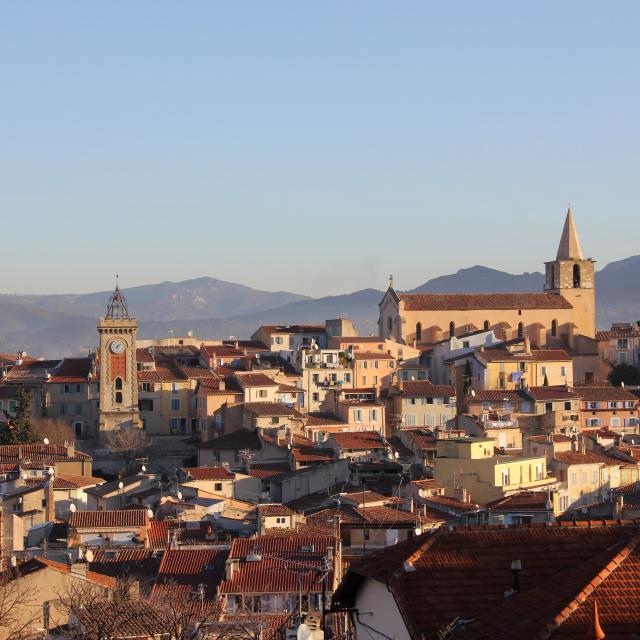
Marcel Pagnol was born in Aubagne in 1895, in the heart of the Provence that shaped his life and work. The son of a schoolteacher, he grew up between Aubagne and Marseille, in a setting of rolling hills, garrigue, hunting parties and long family discussions. Very early on, he developed a taste for words, stories and observing people. After brilliant studies, he became a teacher, but teaching was not enough to channel his desire to create.
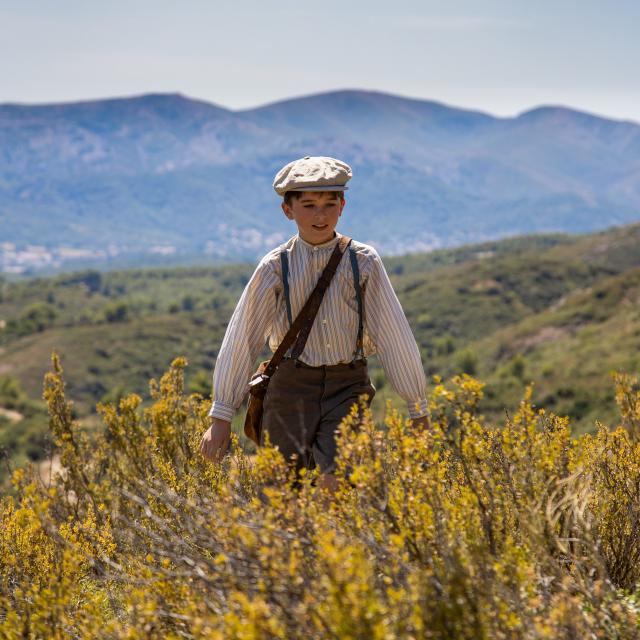
In the 1920s, he turned towriting for the theatre and quickly achieved success in Paris. Refusing to cut himself off from his roots, he nevertheless chose to return to the South and embarked on a new adventure: talking pictures. A visionary, Marcel Pagnol set up his studios in Provence and gave an authentic voice to the accents, landscapes and people of the South. His exceptional career was crowned in 1946 when he became the first person in the history of the Académie Française to be admitted as a film-maker. Right up to the end of his life, he never ceased to tell the story of Provence, its memories and its characters, with a humanity and sincerity that continue to touch all generations.

Places that left their mark on Marcel Pagnol

The places of his childhood

La Bastide Neuve

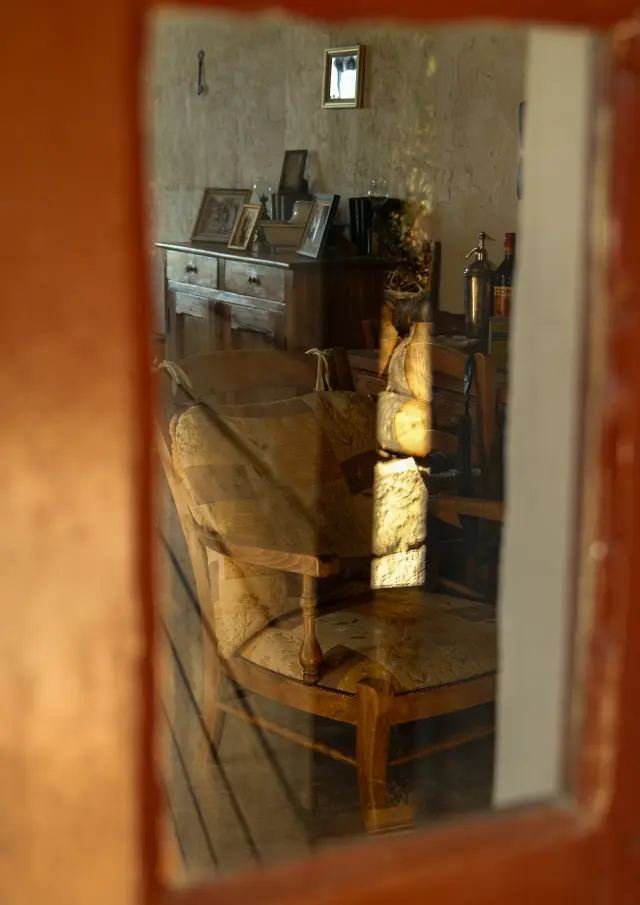
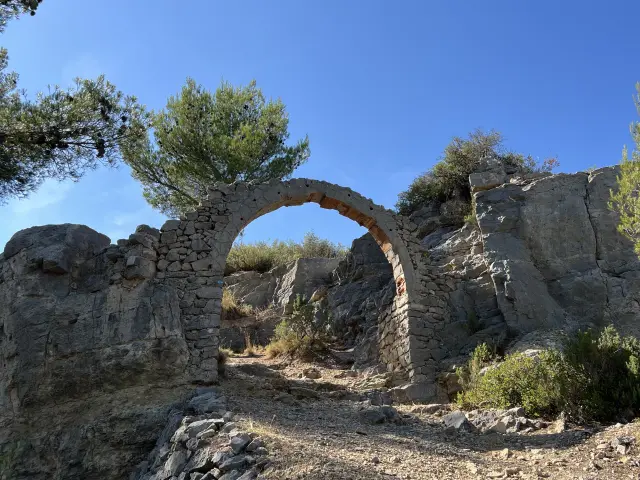
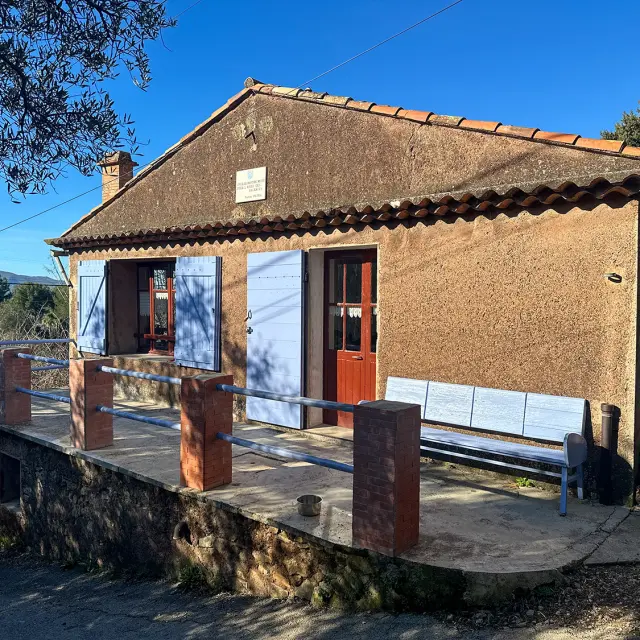
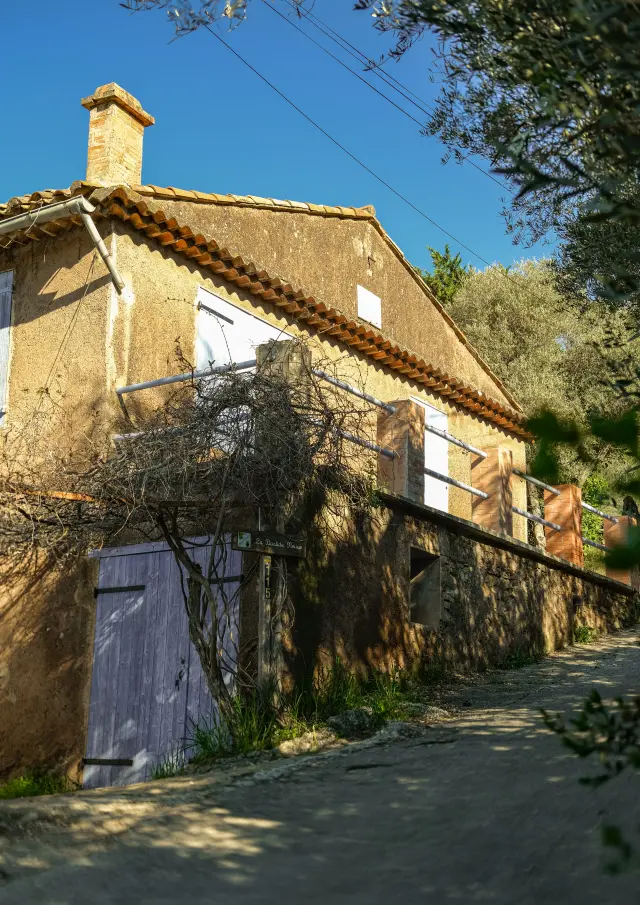
La Bastide Neuve marks the beginning of Marcel Pagnol’ s childhood memories. It was here, as early as 1904, that the young Marcel discovered the hills, the garrigue and the great family holidays, moments that would nourish all his work. Between walks, nature and friendships, these landscapes became the living backdrop for his most famous stories.

The Château de la Buzine

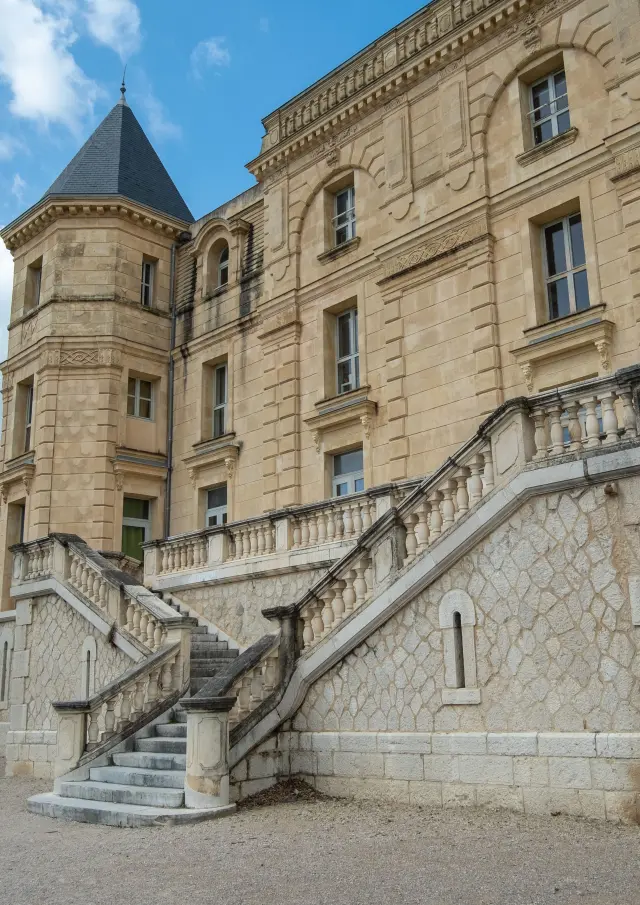
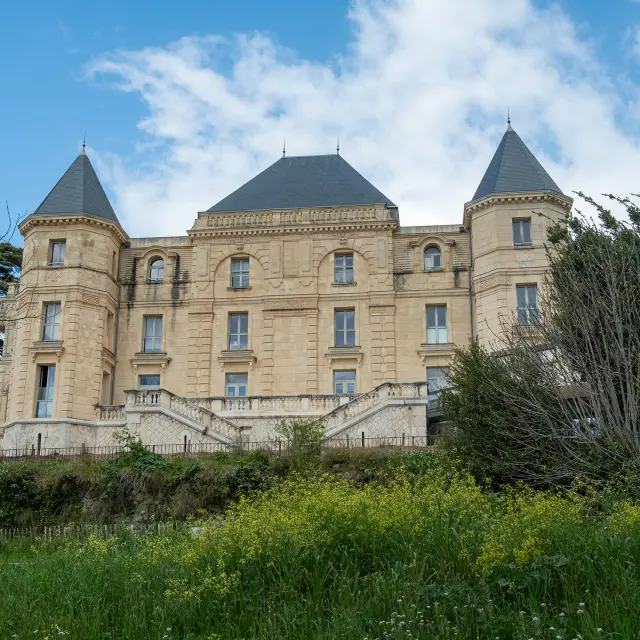
The Château de la Buzine, nicknamed “my mother’s castle”, is an extension of his return to his childhood. Filled with emotion and imagination, this emblematic site evokes family memories and thesensitive world that profoundly affected the writer.

Film locations

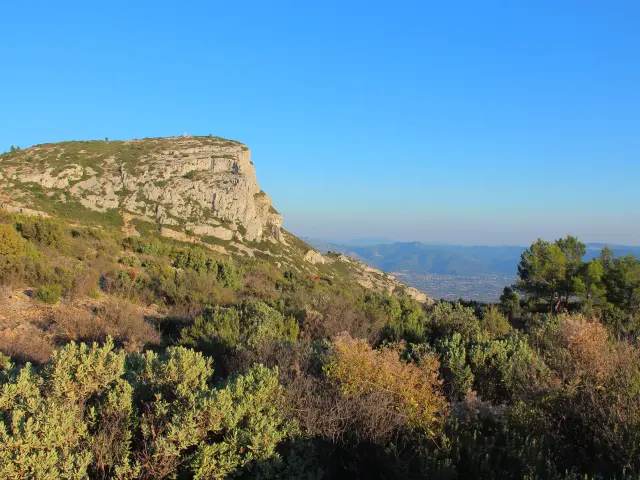
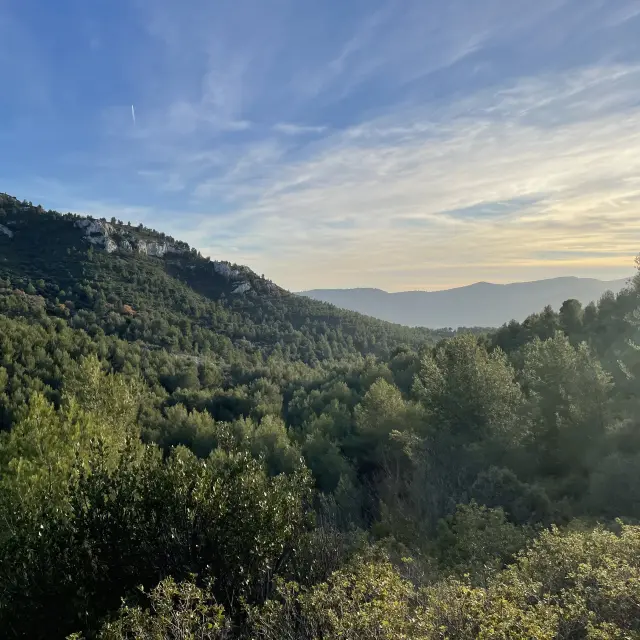
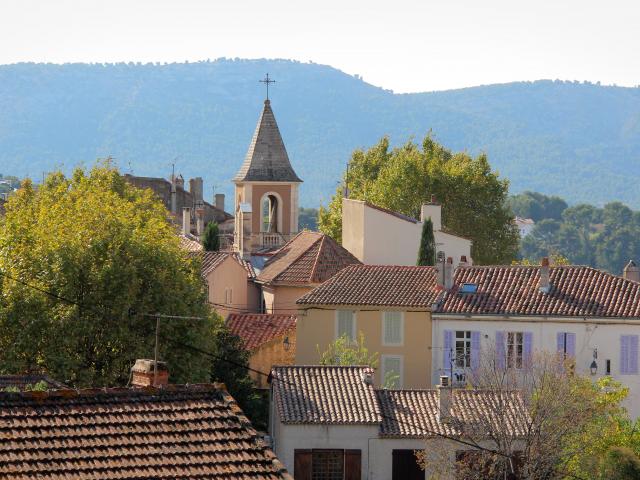
The hills of the Pays d’Aubagne have served as a natural backdrop for Marcel Pagnol’s films. These authentic landscapes, with their villages and unspoilt countryside, give life to many of his adventures. A tour of these film locations reveals the full richness of Pagnol’s world: iconic settings steeped in history, where memories, characters and cult scenes come together. It’s an invitation to follow in Pagnol’s footsteps and rediscover his works in a whole new way.

Works by Marcel Pagnol

between theatre, literature and cinema

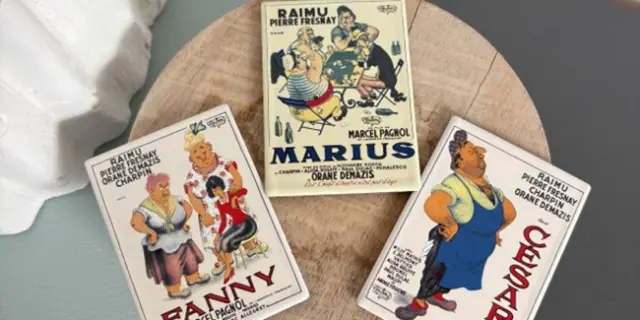
Marcel Pagnol’s work resembles a great Provencal story, told on stage, on screen and in books. He began with the theatre, where his lively, natural dialogue was a huge success. The Marseille trilogy Marius, Fanny and César established his style: deeply human characters, simple but universal stories and a delicious language, imbued with sunshine and emotion. Pagnol soon understood that cinema was a natural extension of his writing. He adapted his plays himself and directed films that have become cult favourites, such as La femme du boulanger, Regain and Manon des sources, giving Provence a role in its own right.

Later, he turned to autobiographical writing and published his famous “Souvenirs d’enfance” (Childhood Memories), in which he recounts with tenderness his youthful years spent between Aubagne, Marseille and the Garlaban hills. La gloire de mon père and Le château de ma mère became classics, and are still read and retold today. Through his entire body of work, Marcel Pagnol built a bridge between the arts and made Provence a literary and cinematographic territory, deeply rooted in the collective memory.

Marcel Pagnol museums in Aubagne

The birthplace of Marcel Pagnol

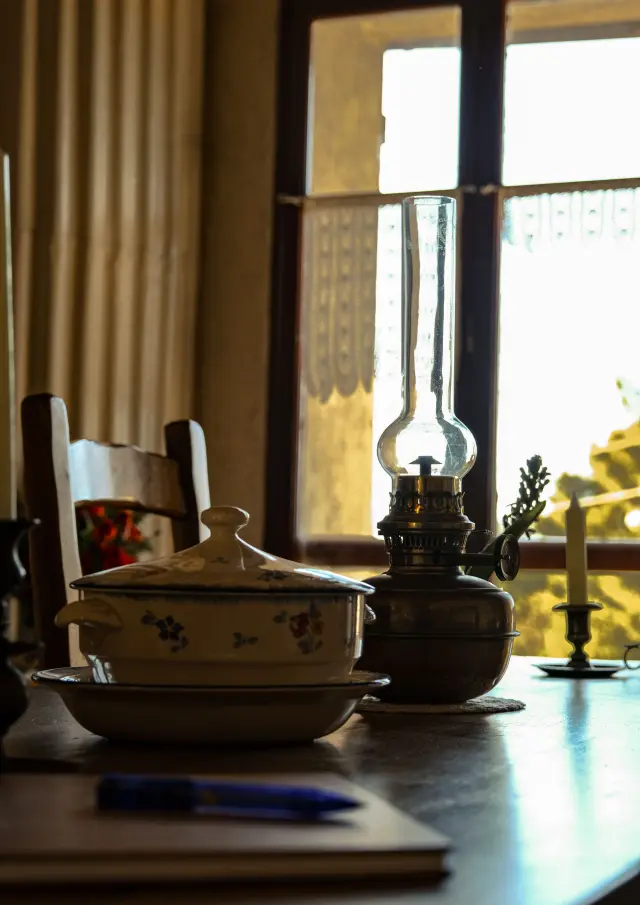
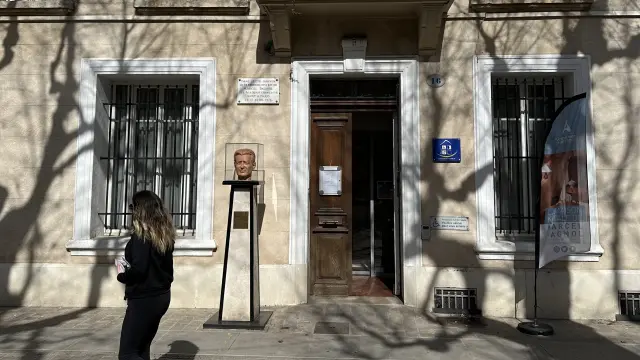
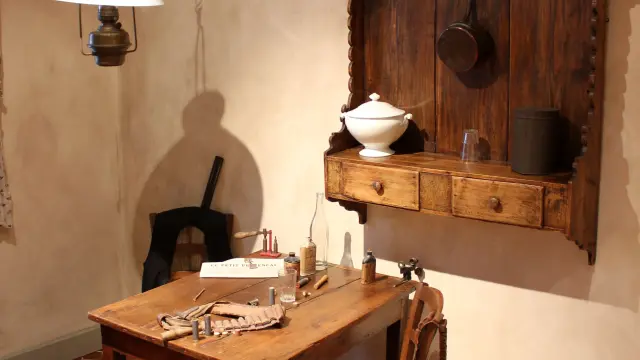
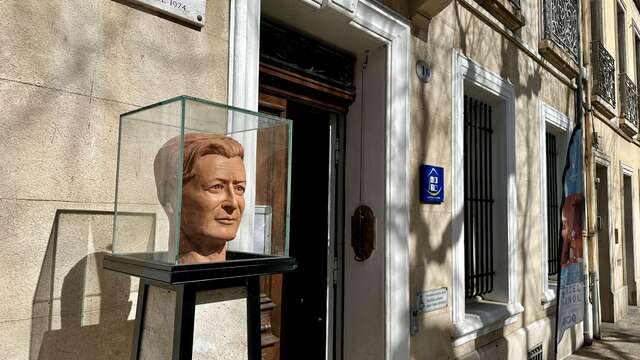
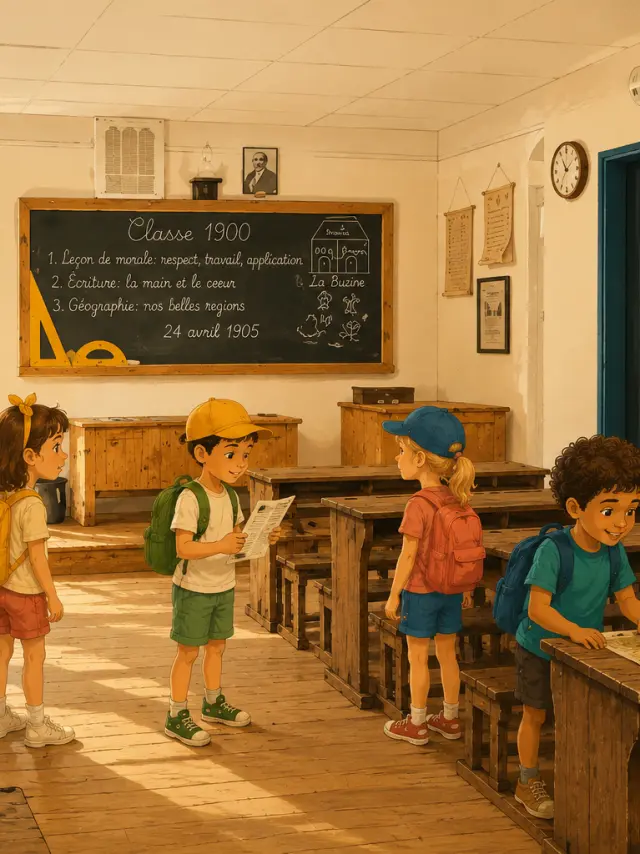
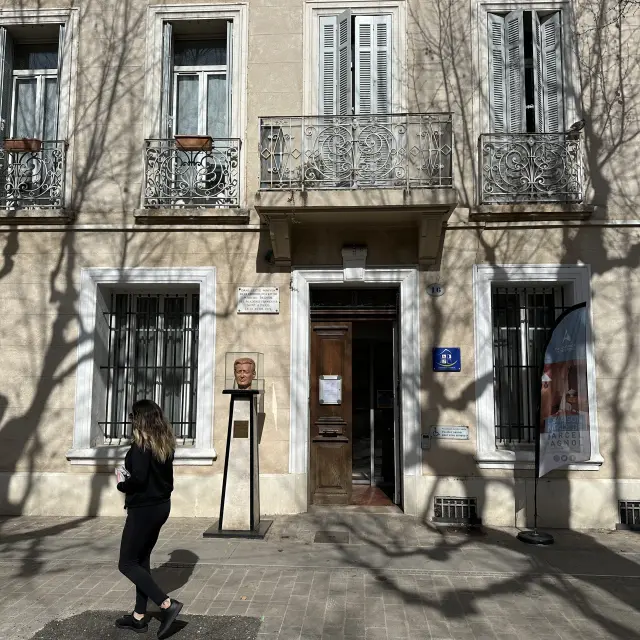
Located in Aubagne, the Maison Natale de Marcel Pagnol is the place where the author was born in 1895. Now a museum, it retraces his childhood through a faithful reconstruction of the family flat, photographs, handwritten letters and personal objects. A projection room completes the visit with stories and images from his life and work.

The Little World of Marcel Pagnol

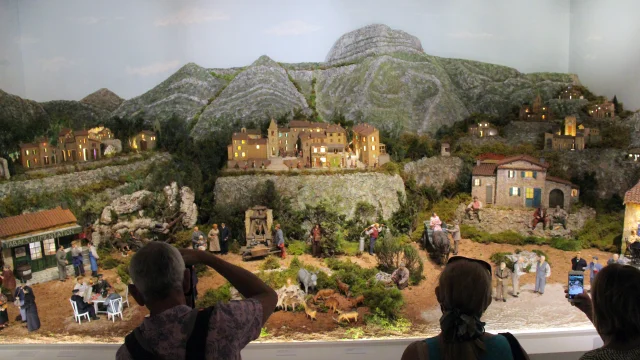
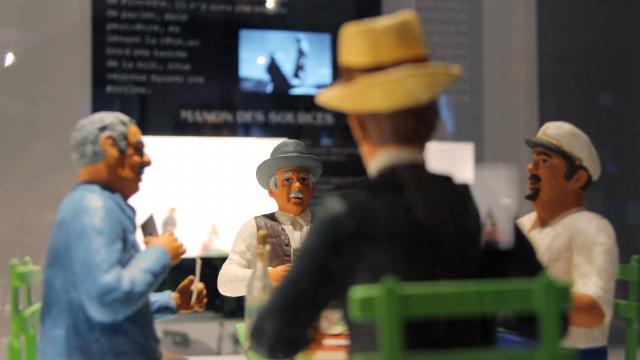
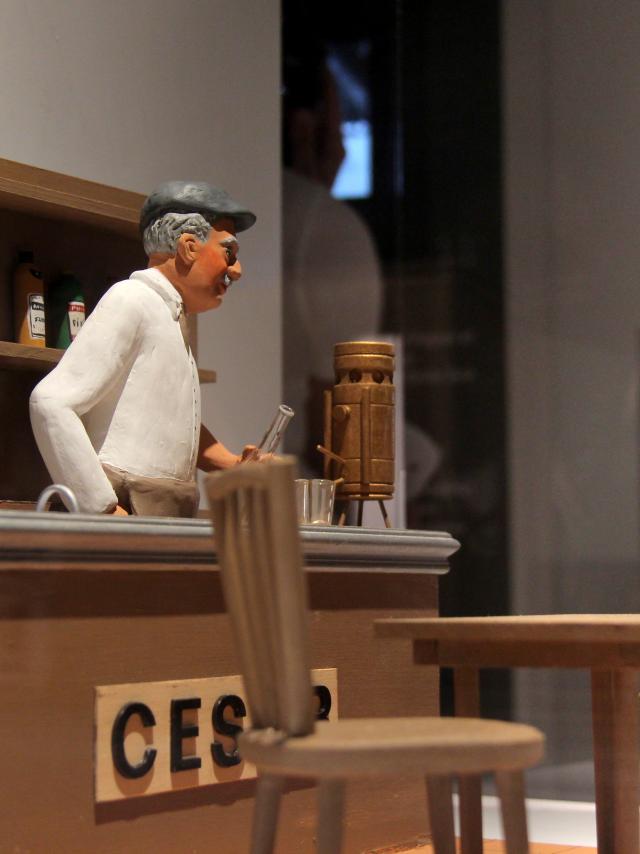
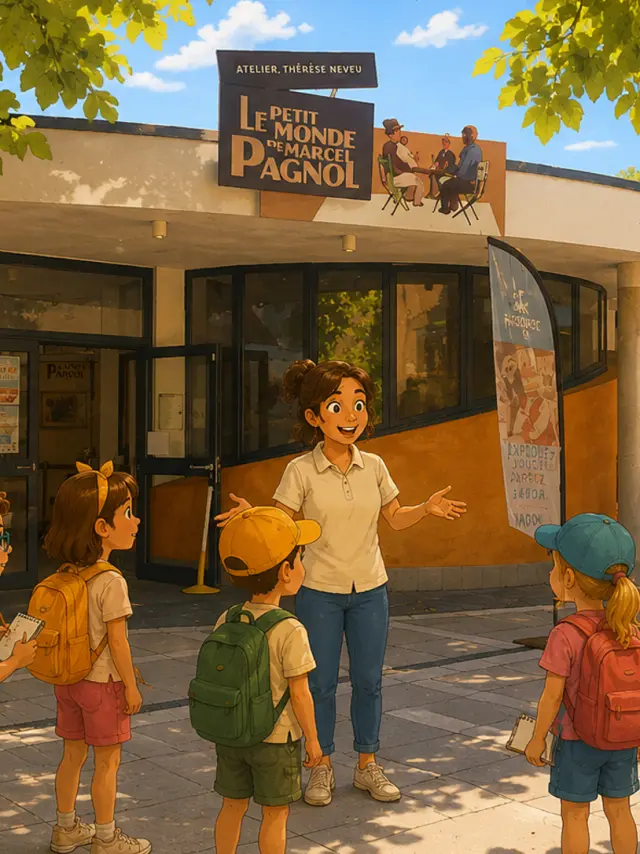
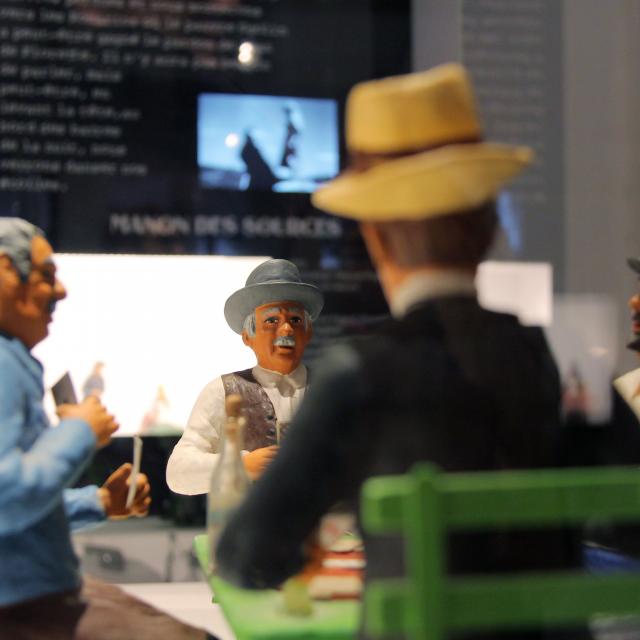
Le Petit Monde de Marcel Pagnol (Marcel Pagnol’s Little World) is a unique place that brings the writer’s world to life through dioramas and figurines. Originally created by santonniers from Aubagne, it features miniature reconstructions of the hills and characters so dear to Pagnol. Nearly 200 santons evoke his stories and his cultural heritage. This museum offers a fun, visual way to understand the life and work of the author.

Guided tours of the museums

Every Saturday, discover private guided tours of the Pagnol museums. Learn more about his life and works.

  • At the Petit Monde de Marcel Pagnol at 11.30am
  • At the Maison Natale at 2.00pm

Visits are included in the price of admission tickets.

If you wish, you can also buy a ticket for both museums (Maison Natale and Petit Monde) with the “Pass 2 musées“.

Practical guide

Marcel Pagnol, a child of Aubagne

Download the brochure “Marcel Pagnol, enfant d’Aubagne” and discover his world.
Find all the information you need about the museums dedicated to him, the routes to take and the walks and itineraries dedicated to the writer.

Guided tours of Marcel Pagnol's work

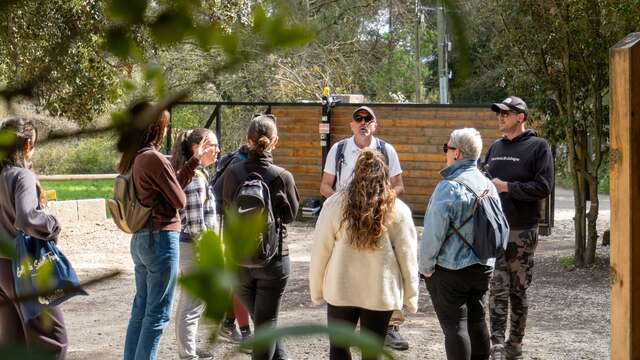
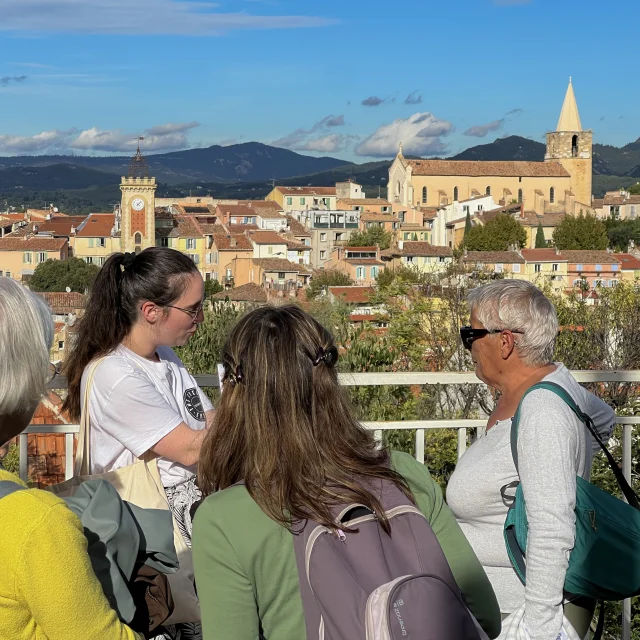
To discover Marcel Pagnol in a different way, the Pays d’Aubagne Tourist Office is offering guided tours andcircuits on the history of Marcel Pagnol. On site, you can explore his life through stories, heritage sites and museums dedicated to his life and work. These tours allow you to getup close and personal with the writer-filmmaker, following the stages of his childhood and the scenes that inspired his stories.

Excursions into the world of Marcel Pagnol

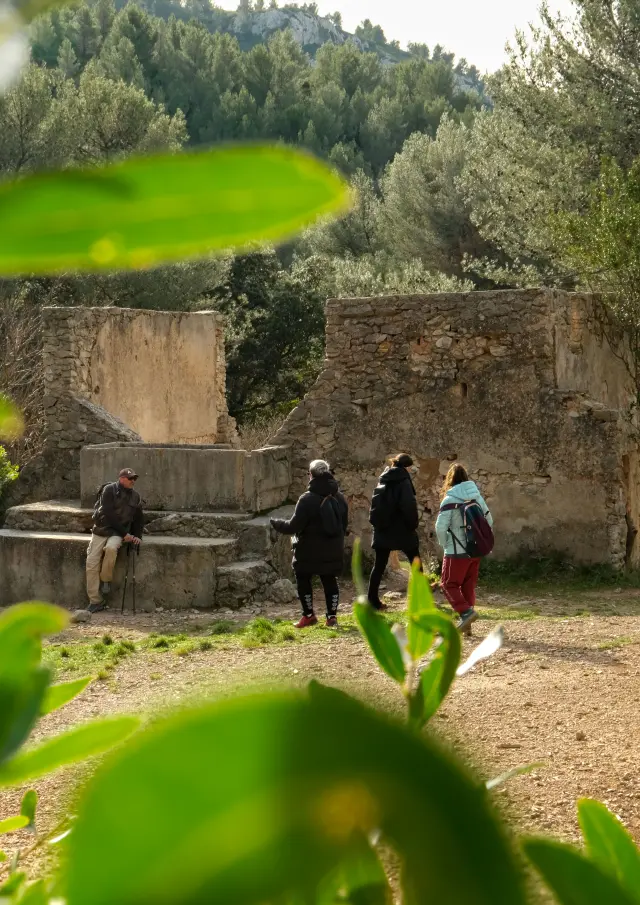
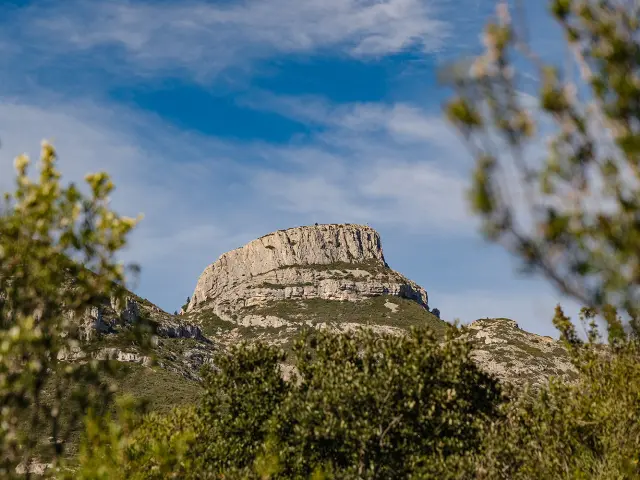
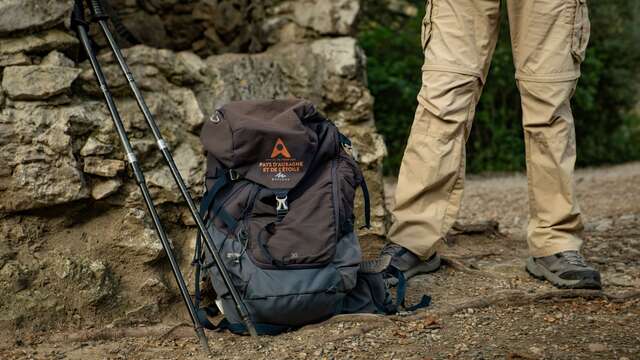
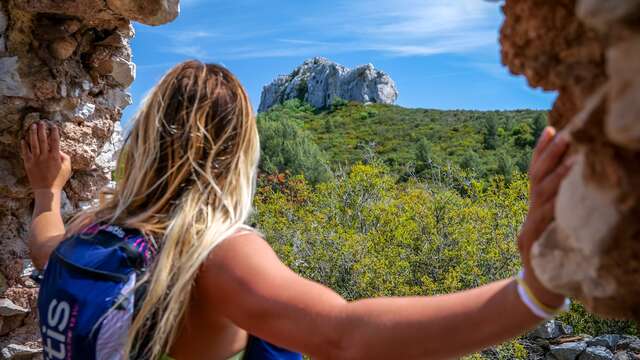
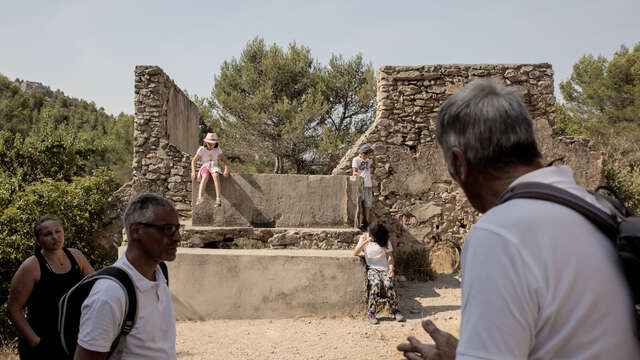
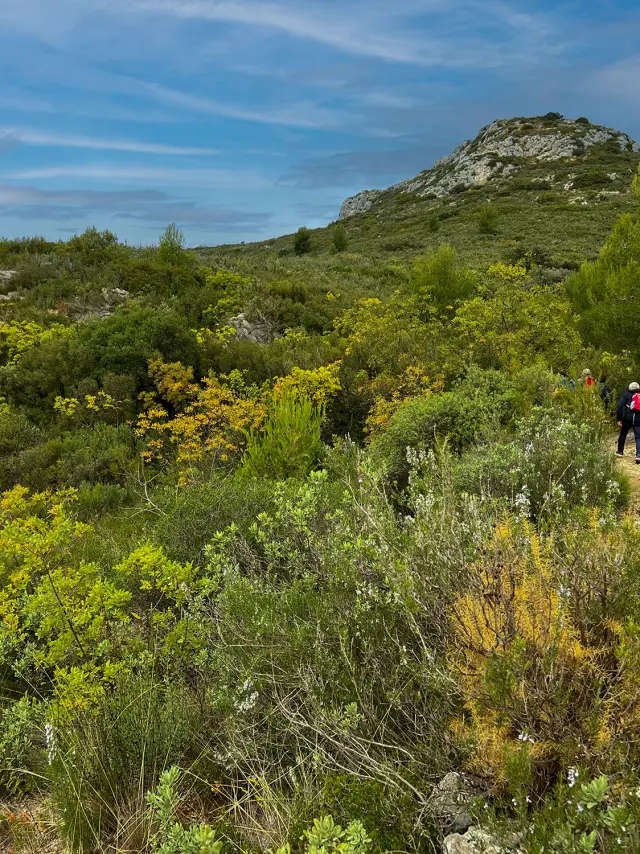
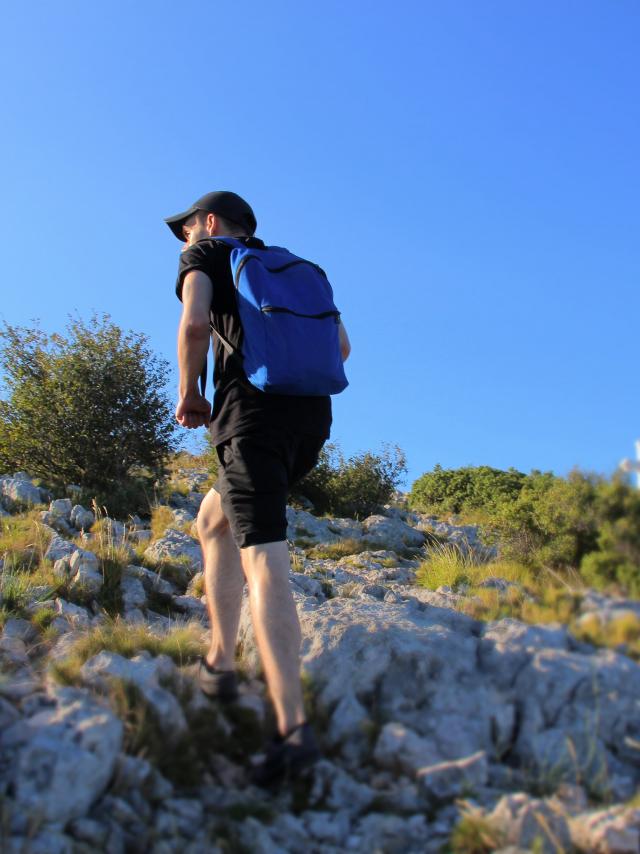
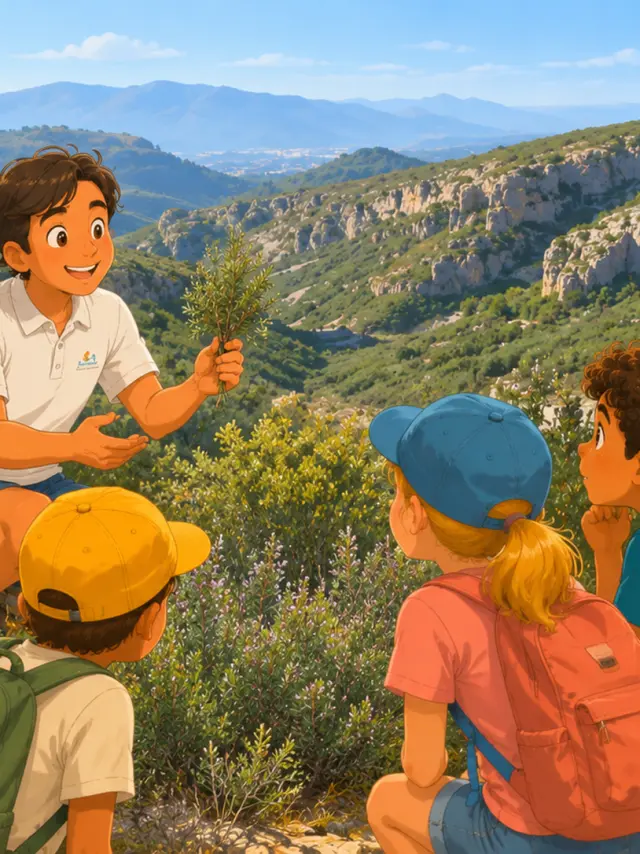
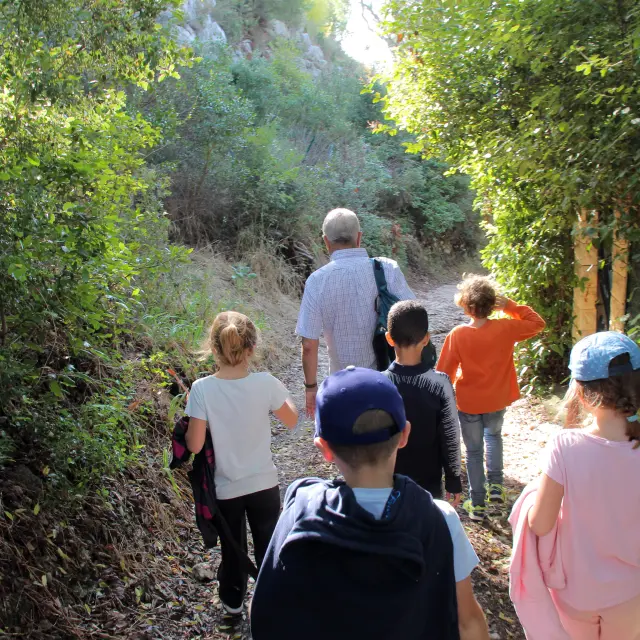
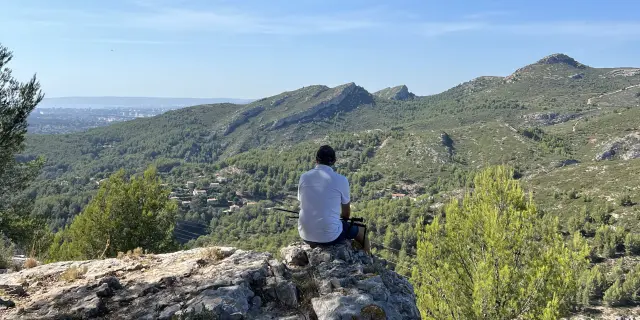
The hikes dedicated to Marcel Pagnol invite you to explore the landscapes of the Garlaban massif, which inspired his childhood memories and his films. These guided walks between Aubagne and La Treille take in the Provençal garrigue and reveal the key places evoked in his works. Combining nature, anecdotes and heritage, these walks allow you to discover Marcel Pagnol’s Provence as close as possible to the hills that fed his imagination.

Shop

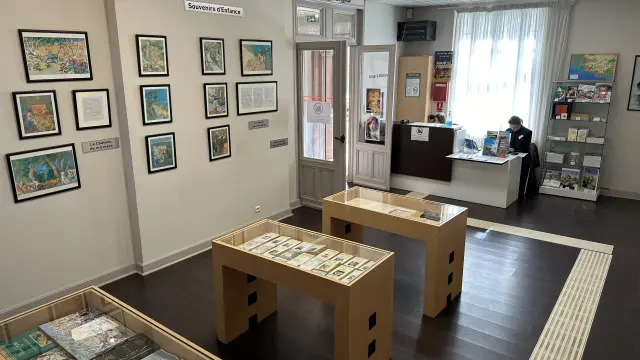
Memories of Marcel Pagnol

Would you like to give or take home a Marcel Pagnol souvenir?
Book, mug, deck of cards, plaque: visit our online shop or the Aubagne Tourist Office.

Groups and schools: discover our products

in the footsteps of Marcel Pagnol in Aubagne

FAQ Marcel Pagnol

  • Who is Marcel Pagnol?

    Marcel Pagnol was a French playwright, film-maker, novelist and academician who pioneered talking pictures in natural settings. He left a dense and timeless body of work with the scent of the Provence of yesteryear.

  • When and where was Marcel Pagnol born?

    Marcel Pagnol, son of Joseph and Augustine, was born in Aubagne on February 28, 1895.

  • What are Marcel Pagnol's best-known works?

    La gloire de mon père and Le Château de ma mère are Marcel Pagnol’s best-known works, not forgetting L’eau des collines, Jean de florette and Manon des sources.

  • What films did Marcel Pagnol direct?

    Marcel Pagnol directed many films, including Marius, Fanny, La femme du boulanger, La fille du puisatier, Manon des sources and Topaze.

  • What is Marcel Pagnol's Marseille trilogy?

    Marcel Pagnol’s Marseillaise trilogy consists of the films Marius, Fanny and César made in 1931, 1932 and 1936.

  • What are Marcel Pagnol's quotes?

    Marcel Pagnol’s quotes include:

    • “If you want to go to sea, without any risk of capsizing, then, don’t buy a boat: buy an island!” (Fanny)
    • “Such is the life of men. A few joys, very quickly erased by unforgettable sorrows. There’s no need to tell children.” (My Mother’s Castle)
    • “Marius l’honneur c’est comme les allumettes, cela ne sert qu’une fois” (Marius)
    • “Only grandmothers, Madame Rostaing, are like mimosa, it’s sweet and it’s fresh, but it’s fragile. One morning, she was gone” (Naïs)
  • What places in Provence inspired Marcel Pagnol?

    The places that most inspired Marcel Pagnol were the Garlaban hills between the village of La Treille and Aubagne.

  • Can you visit Marcel Pagnol's Bastide Neuve?

    Yes, it is now possible to visit the interior of the Bastide Neuve near the Treille. You can only get in by taking the guided tour offered by Aubagne Tourist Office.

Discover also

the world of Marcel Pagnol