©

Village Des Santons Oti Pays D Aubagne 2

Santons de Provence in Aubagne

In Aubagne, between the garrigue hills and Provençal villages, santons are more than just figurines in a nativity scene: they are a living, hand-crafted heritage that tells the story of Provence, past and present. Through their shapes, colours and scenes of life, they pass on a culture, a know-how and a strong local identity. Welcome to the heart of the santon capital, where tradition continues to innovate and reinvent itself.

History and origins

The roots of the Provençal cot

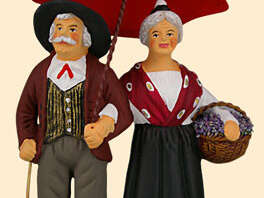
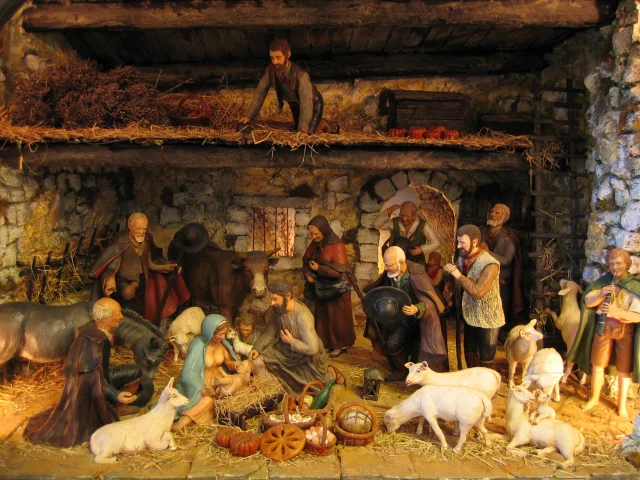
Representations of the Nativity were established in Provence as early as the Middle Ages, but it was really during the French Revolution that a decisive turning point was reached. When the churches closed and public nativity scenes were banned, the people of Provence transposed the scene to their own homes. They sculpted small clay figurines called “santouns“, the “little saints” that would become the symbol of the Provençal cot.

These figurines, initially made by hand from cloth, were gradually transformed into real miniature works of art thanks to the use oflocal clay. From the XIXᵉ century onwards, santons became more widely available: craftsmen created moulds, diversified the characters and extended the setting to include the whole Provencal village. The cot was no longer just religious: it became a living picture of everyday life.
Land of clay and cradle of santon-making expertise

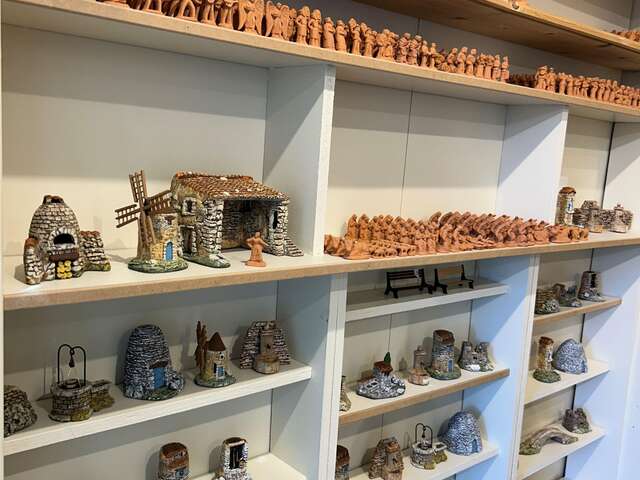
If santons are an emblem of Provence, Aubagne is one of its greatest historical centres. Its wealth of red clay, already used for pottery and ceramics, provides an ideal raw material for the creation of figurines. As a result, from the XIXᵉ century onwards, the town saw the development of numerous workshops where modelling, moulding and painting techniques were passed on.

Among the key figures in santon-making in Aubagne, Thérèse Neveu occupies a major place. The first to personify the santon, she drew inspiration from the people she met – including Virginie de Garlaban and Margarido, her first two characters – and paved the way for a more realistic, everyday representation of the Provencal village. Sister of Louis Sicard, creator of the ceramic Cigale, she also innovated by systematising the firing of santons, an essential step today. Her legacy remains fundamental to the development of the Aubagne santon.

This ancestral know-how, handed down from generation to generation, is now recognised as part of France’s intangible cultural heritage. But beyond technique, Aubagne’s strength lies in its ability to combine tradition and innovation: here, the santon is a living art form, constantly evolving.

The emblematic figures of the Provençal cot

Traditional biblical figures: the foundation of the cot

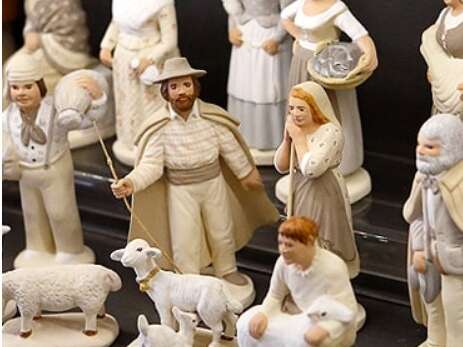
At the heart of the Provencal cot are the essential figures of the Nativity, those who give meaning to the whole setting. Mary, serene and benevolent, watches over theChrist Child, while Joseph is a discreet and protective presence. Theangel Boufarèu – literally “the blower” – stands nearby, announcing the birth through his trunk. Around them, the shepherds hurry to offer their gifts, soon joined by the Three Wise Men who complete this foundational scene. These instantly recognisable figures form the immutable basis of all nativity scenes, and their aesthetic remains one of the pillars of the santon-making tradition.

The little people of Provence: trades, gestures and local scenes

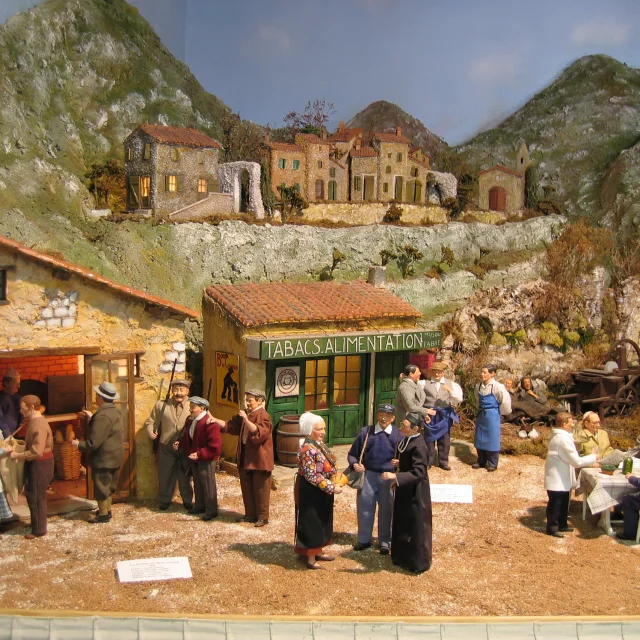
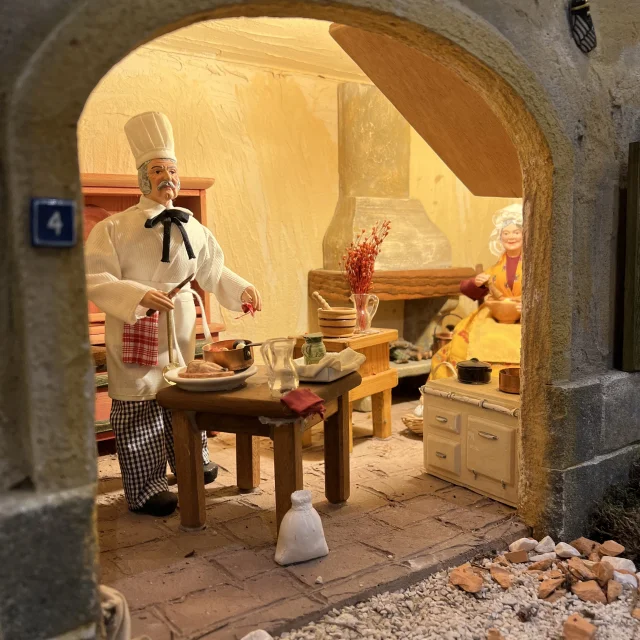
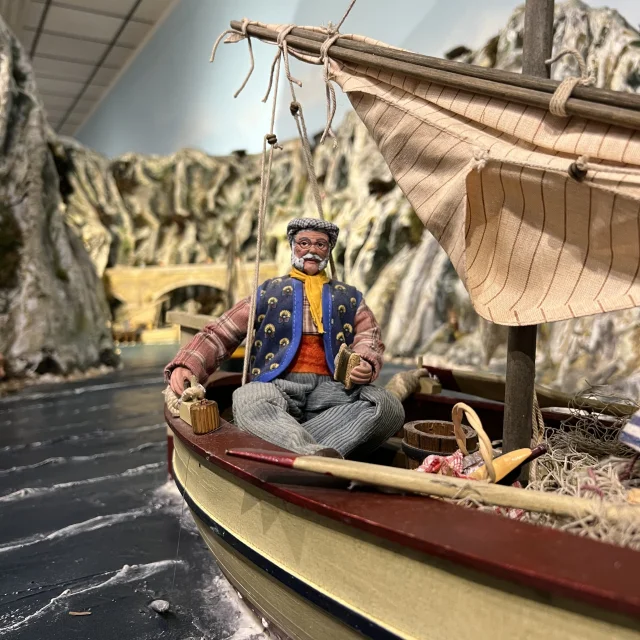
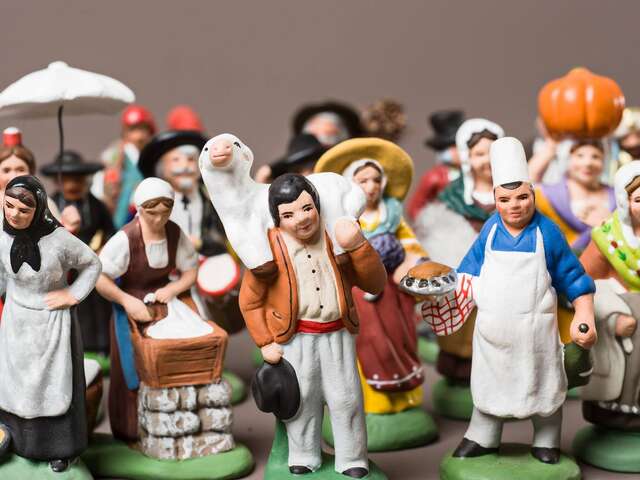
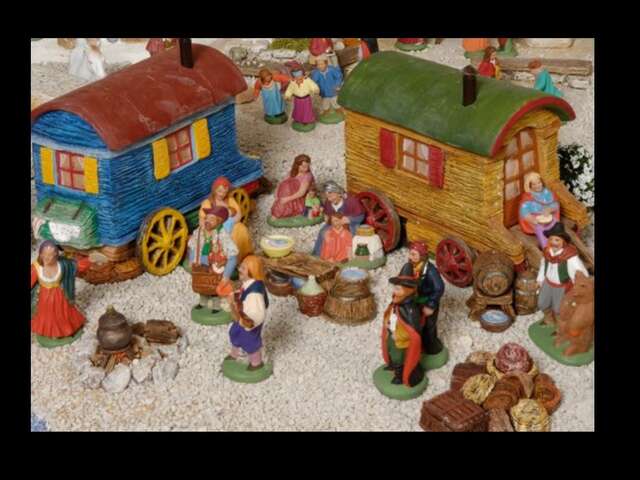
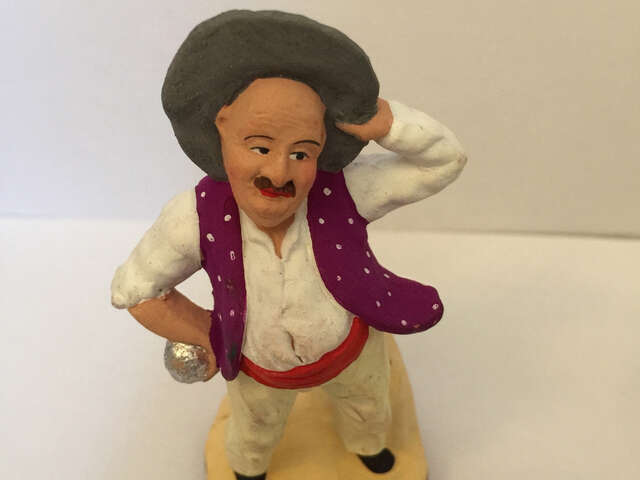
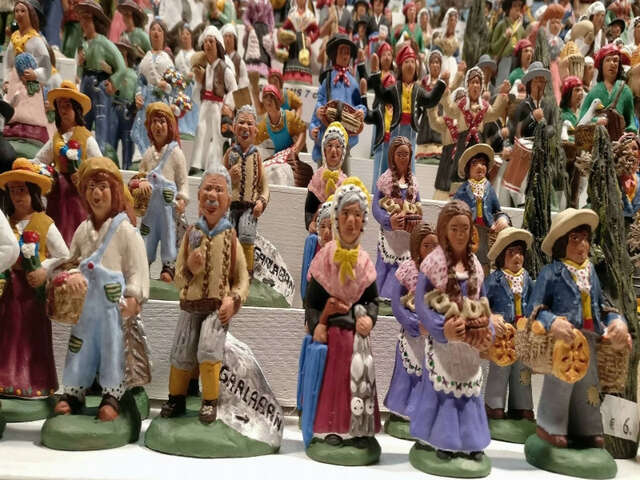
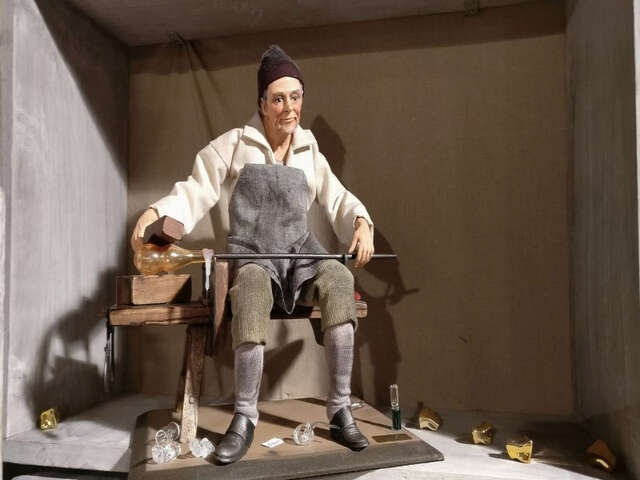
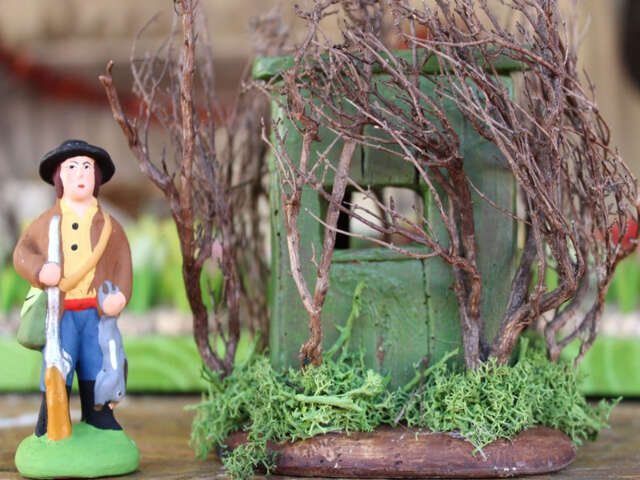
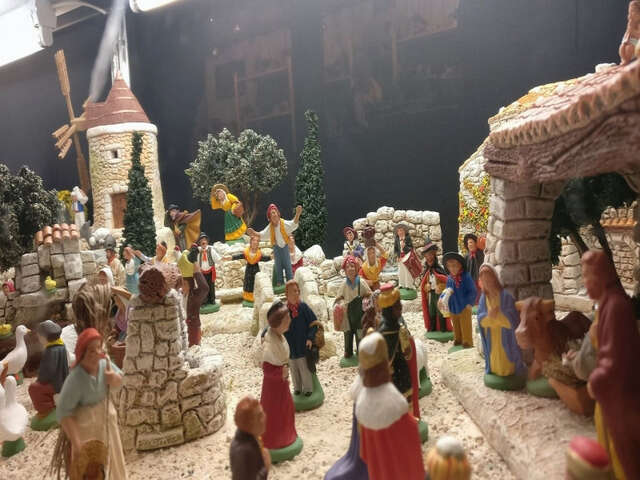
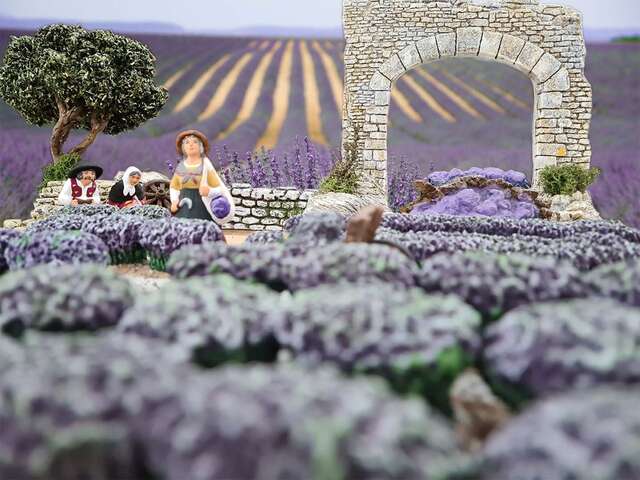
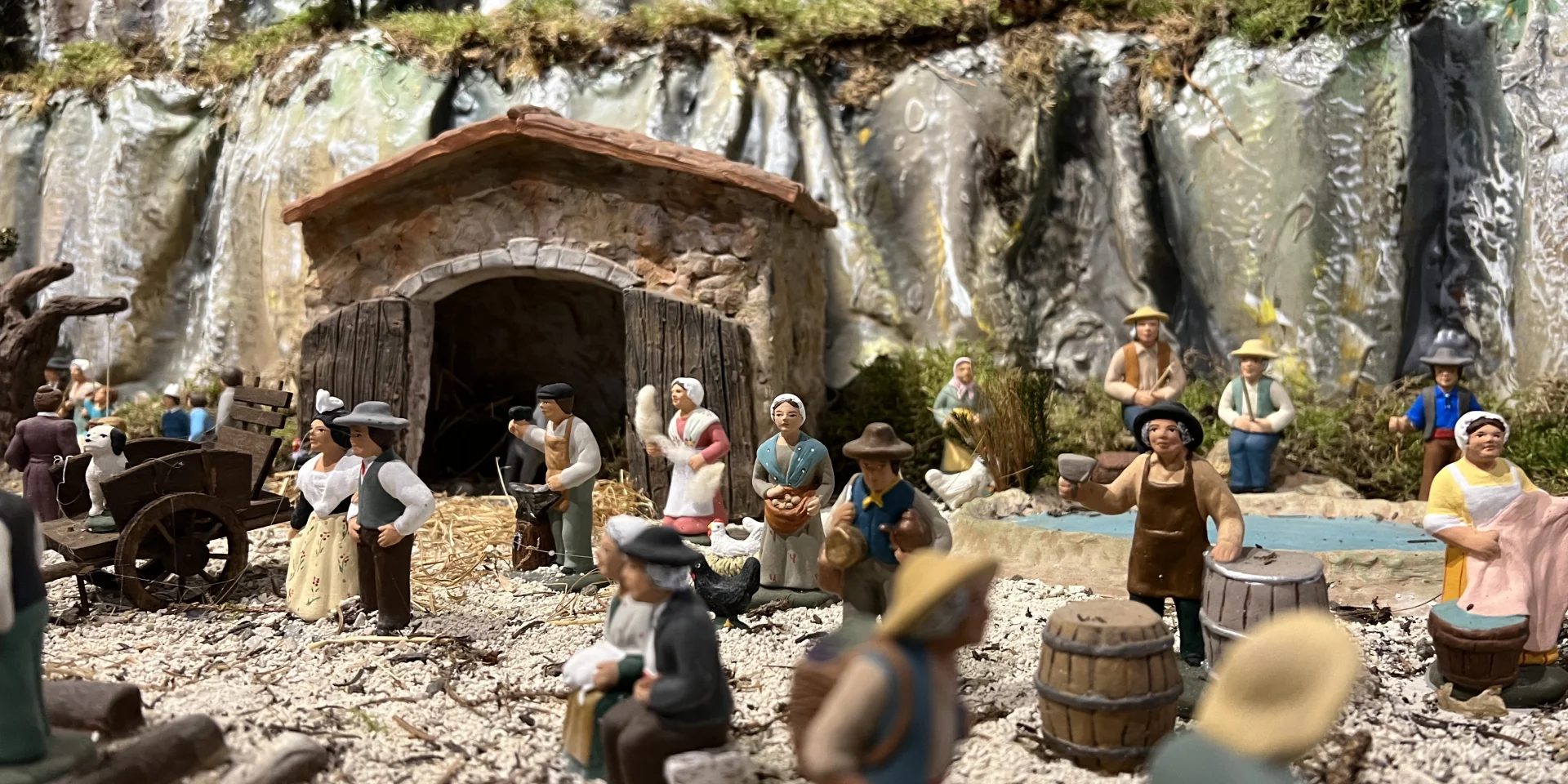
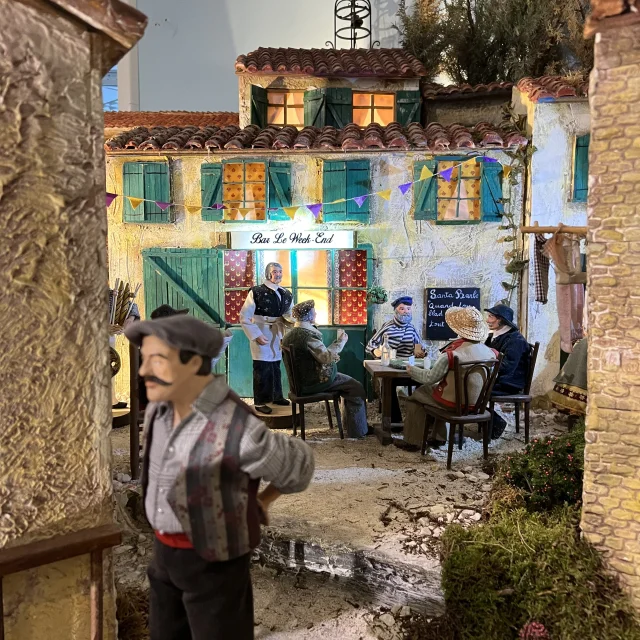
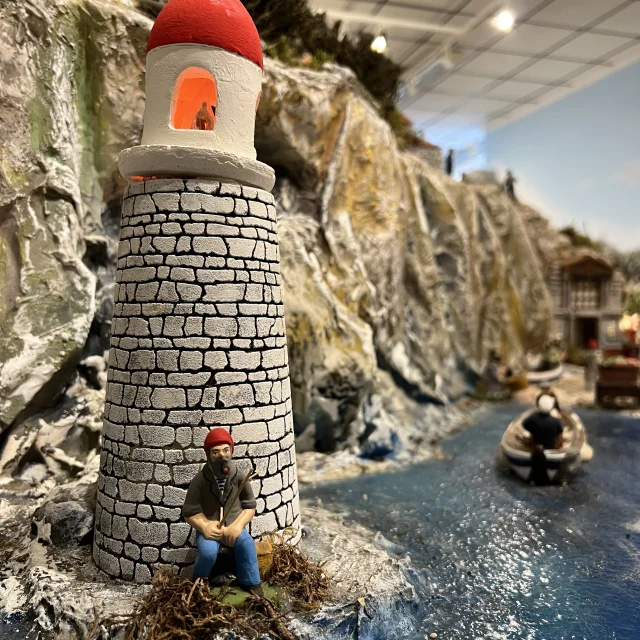
What makes the Provençal cot so unique and poetic is the multitude of characters from local life who add to the sacred scene. The miniature village comes alive with fishermen, bakers, washerwomen, drummers, farmers and merchants, each capturing a gesture, an attitude, a part of the Provençal soul.

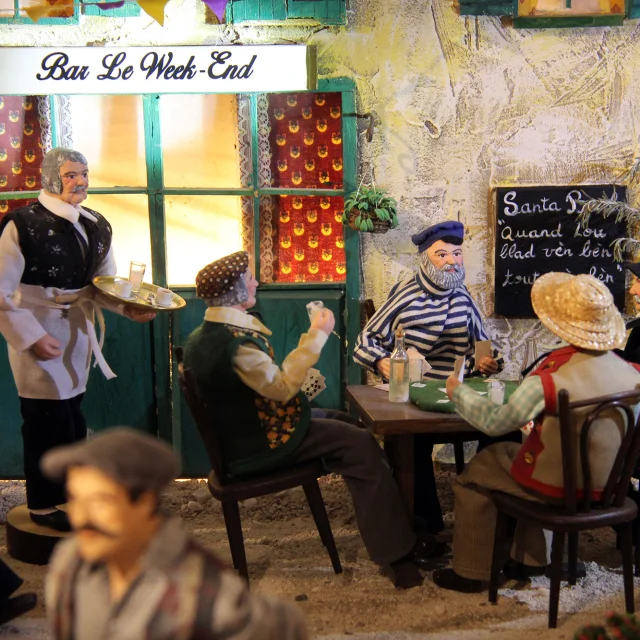
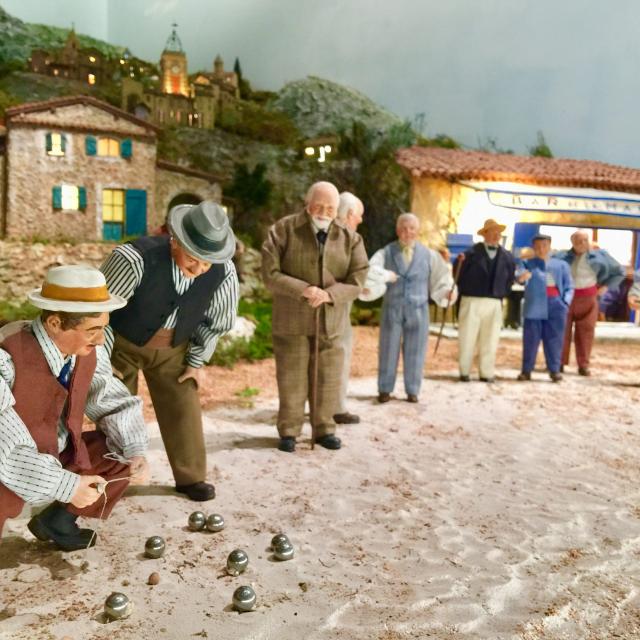
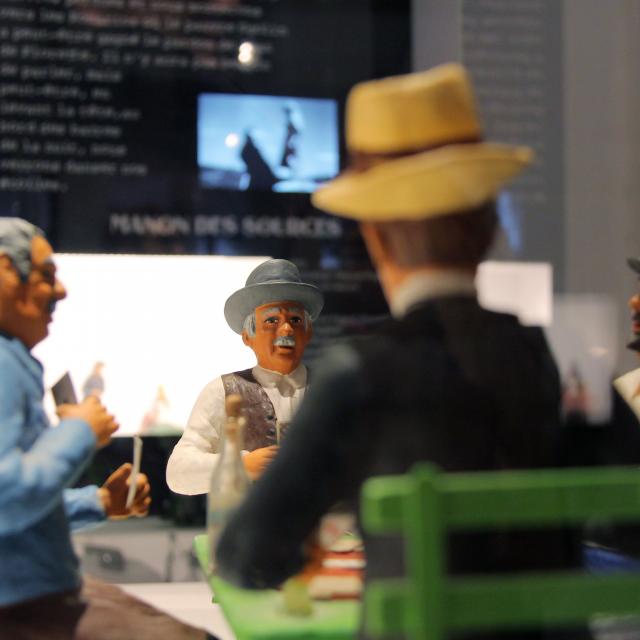
The friendly atmosphere is also highlighted by scenes of bowls or card games: compositions that reflect everyday Provencal life: sunny squares, bustling markets, farming scenes and moments of celebration.

The essential figures

Here is an overview of some of the key figures in every Provençal cot:

  • The Ravi: the most joyful of all, with his arms raised to the sky. He represents purity, innocence and spontaneous joy.
  • The Pistachié: a close relative of the Ravi, often described as the village naif, tender and touching.
  • Bartoumieu: the peddler, symbolising the sharing of world news.
  • Le Tambourinaire: guardian of Provençal music, holding his tambourine and galoubet.
  • The Spinner: a calm figure, evoking ancestral gestures.
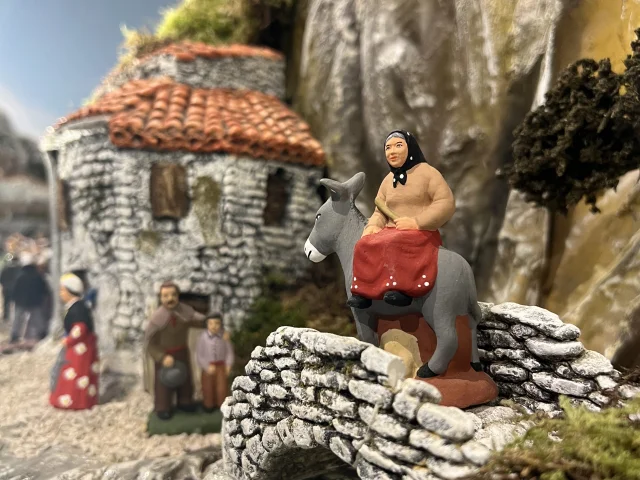
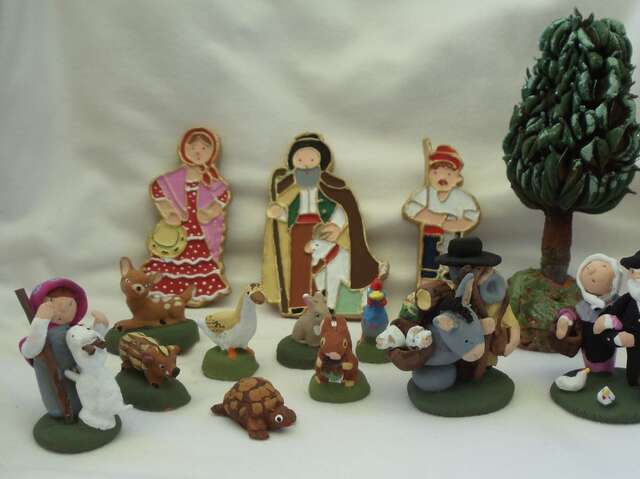
  • The Woman with a Donkey: a typical scene from everyday rural life.
  • The Boumian: a free-spirited, nomadic character, a traditional and mysterious figure.

This diversity contributes to the rich narrative of the cot: it becomes a real miniature village, alive and warm.

Did you know?

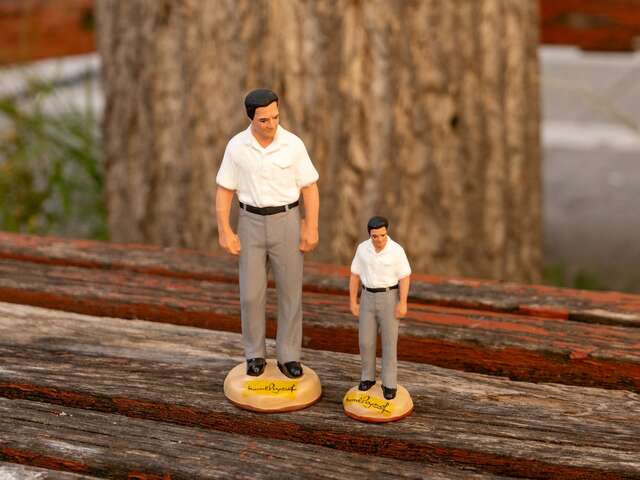
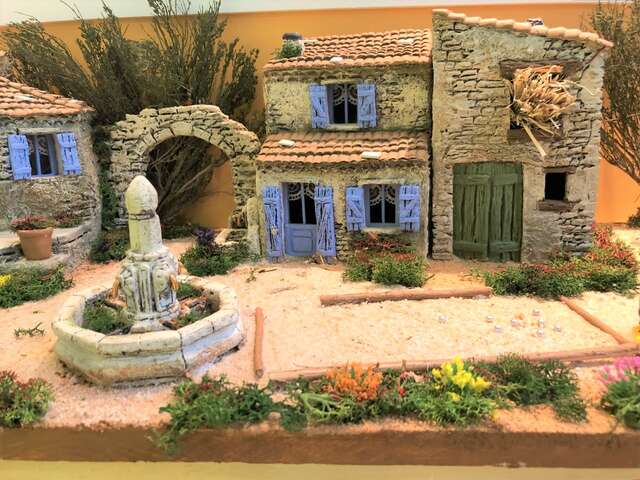
Master santon-maker Daniel Scaturro, holder of the prestigious title of Meilleur Ouvrier de France, has created a remarkable diorama devoted to the world of Marcel Pagnol, on display at the Le Petit Monde de Marcel Pagnol museum in Aubagne: santons that recreate the hills, characters and scenes from the films and their Provençal imprint with meticulous poetic skill.

Ancestral techniques

Aubagne has long claimed its status as the santon capital of France, thanks to the vitality of its workshops and the technical excellence of its craftsmen.

There are several meticulous stages in the santon-making process:

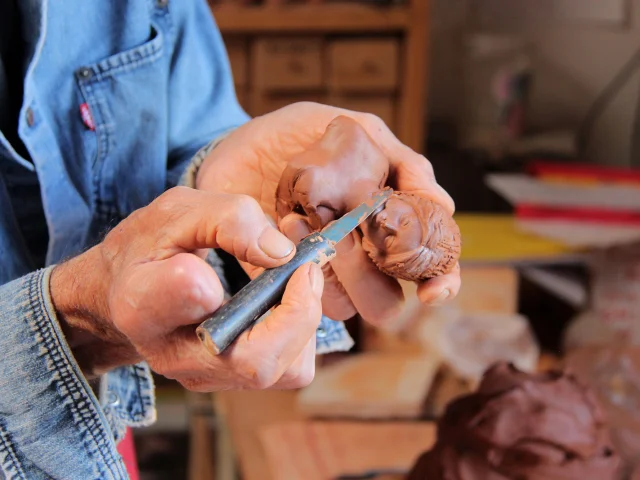
  • Modelling the original piece in raw clay.
  • Creating the mould to reproduce the figure.
  • Printing, where each santon is removed from the mould and then retouched by hand.
  • Drying, essential to prevent cracks.
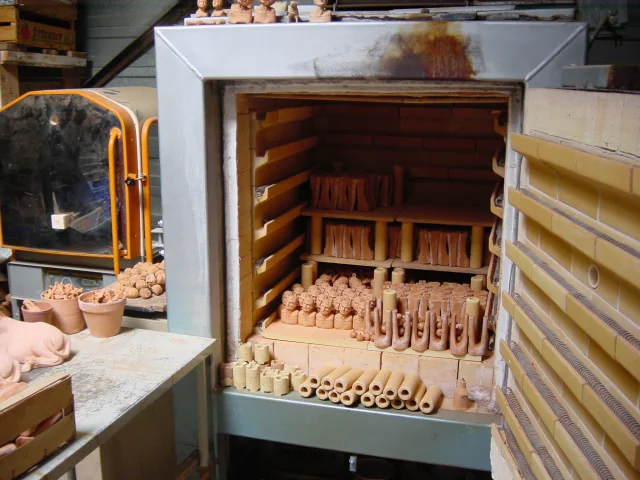
  • Firing, in a kiln reaching several hundred degrees.
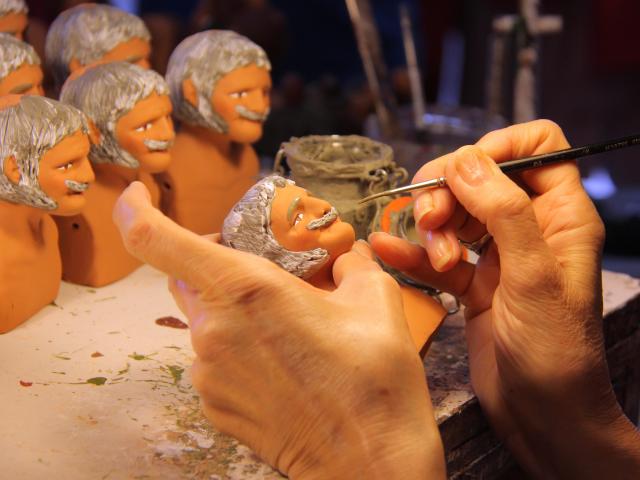
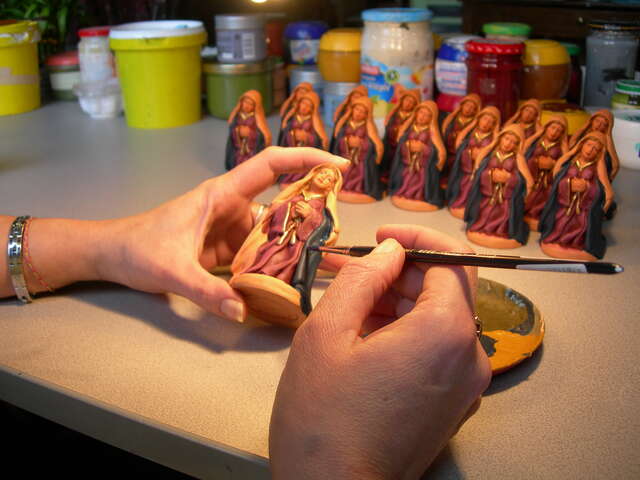
  • Hand-painting, the final stage and the artistic signature of each workshop.

This process, still carried out by hand, explains the uniqueness of each santon. In Aubagne, tradition and precision go hand in hand: gestures are passed on, techniques are perpetuated, and the santon remains a true objet d’art.

A tradition that is evolving and renewing itself

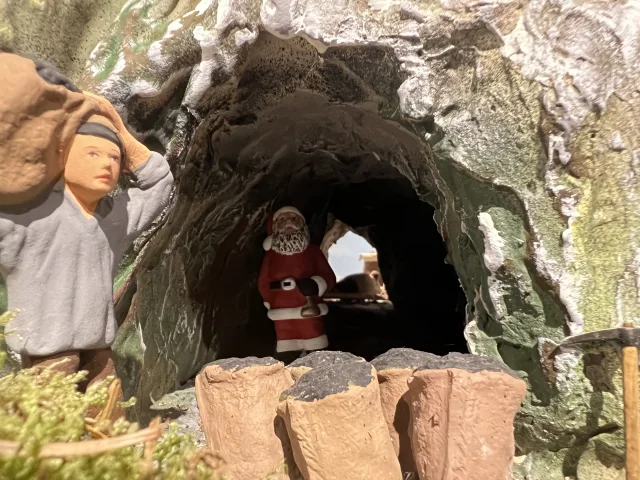
While Aubagne’s workshops scrupulously respect traditional techniques, they are not lacking in humour or daring. For several years now, some of the artisans have been creating santons inspired by popular culture or the cinema:

  • Jean-Claude Dusse, from the series Les Bronzés
  • Bernard Tapie, the emblematic president of Olympique de Marseille
  • Marseille supporters
  • Father Christmas
  • Legionnaires, a fixture in Aubagne
  • Didier Raoult, made famous by Covid.

These creations attract a younger audience and revive the tradition by making it more lively and accessible. Without ever distorting the Provençal spirit, they pave the way for a modern, expressive santon, firmly rooted in its time.

Discover also

Santons in Aubagne