©

Table 13 Desserts Jlo Oti Pays D Aubagne 9

The 13 desserts of Provence

A tradition not to be missed

In Provence, the Christmas season cannot be imagined without the generous table of 13 desserts, a true declaration of love for the land, sharing and conviviality. In the Pays d’Aubagne et de l’Étoile, this tradition is deeply rooted: it can be found in homes, markets, craftsmen’s shops and at all the end-of-year celebrations. Far from being a simple culinary custom, the 13 desserts are a time for reuniting, sharing and indulging, and they continue to brighten up Provencal festivities.

Origins and development of custom

The tradition of 13 desserts has its roots in the Provençal Christmases of yesteryear, at the heart of the famous ” big supper ” that preceded midnight mass.

In days gone by, this table of desserts brought together the whole family, including the servants. These sweet treats were shared with cooked wine, and the desserts remained on the table until the following day, sometimes until 26 December. An essential rule was that each guest had to taste all the desserts, as a symbol of conviviality and abundance.

Why 13 desserts? From a religious point of view, they represent the thirteen guests at the Last Supper: the twelve apostles and Christ. But it wasn’t until the XXᵉ century that writers and ethnographers began to record the tradition and fix the list. Little by little, villages, craftsmen and families added their own variations, reflecting the diversity of the land. Today, this custom is shared by all Provençals, whether religious or not, and remains a strong marker of the region’s cultural identity.
Flavours and symbols of the 13 desserts

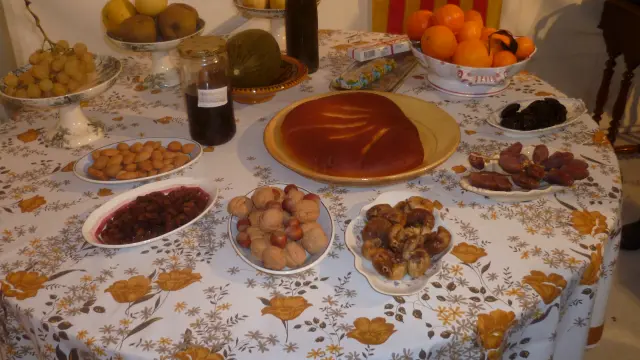
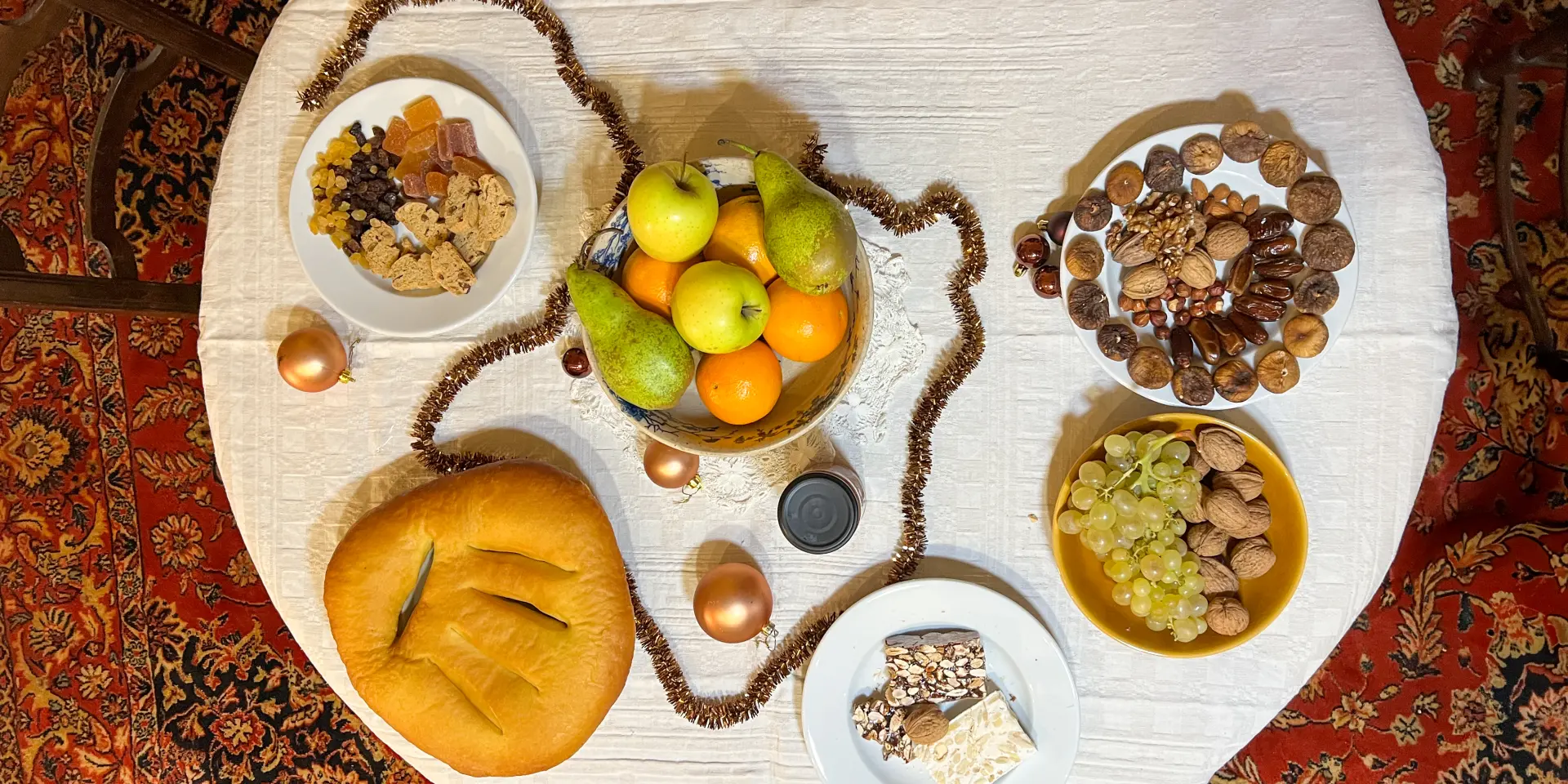
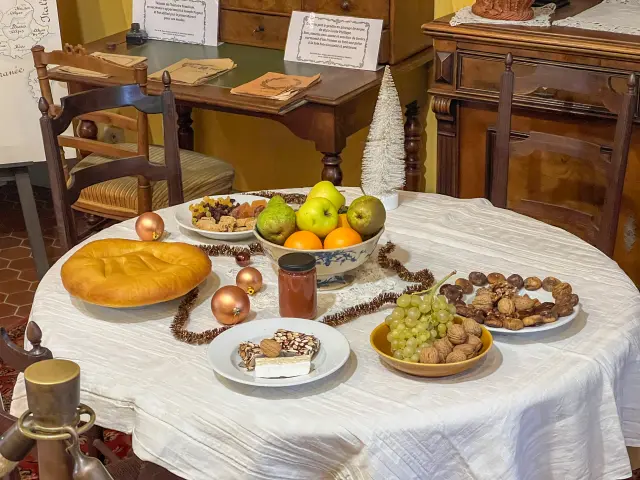
The 13 desserts form a table as gourmand as it is symbolic, celebrating local produce, sharing and abundance. Each sweet recounts a fragment of Provençal history: dried fruit, winter fruit, confectionery or sweet breads once reflected the harvests, skills and generosity of families. There’s nothing insignificant about this diversity: it extends the meal, invites conviviality and unites generations around a gourmet ritual that has been passed down for centuries.

The essential 13 desserts

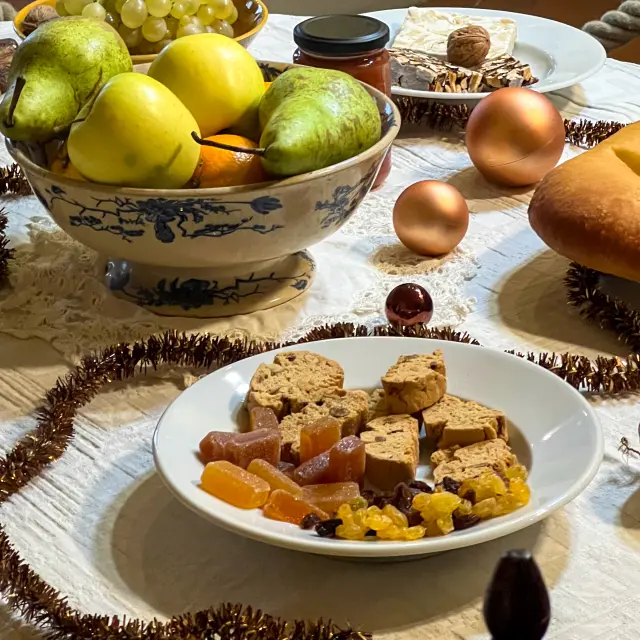
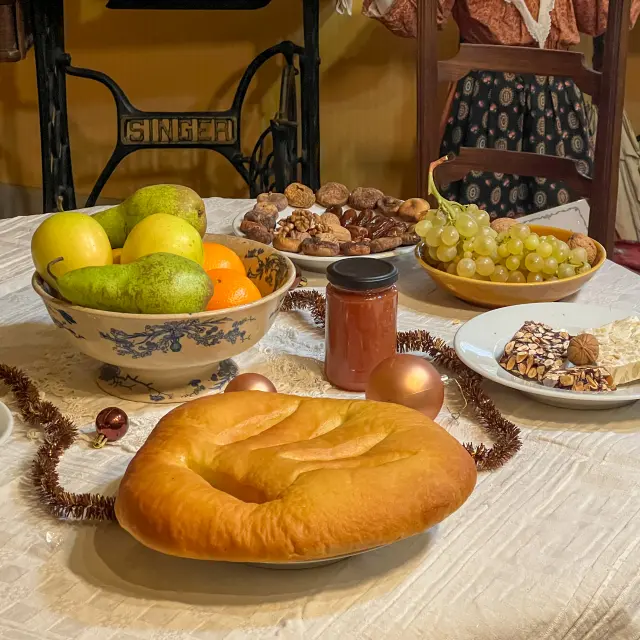
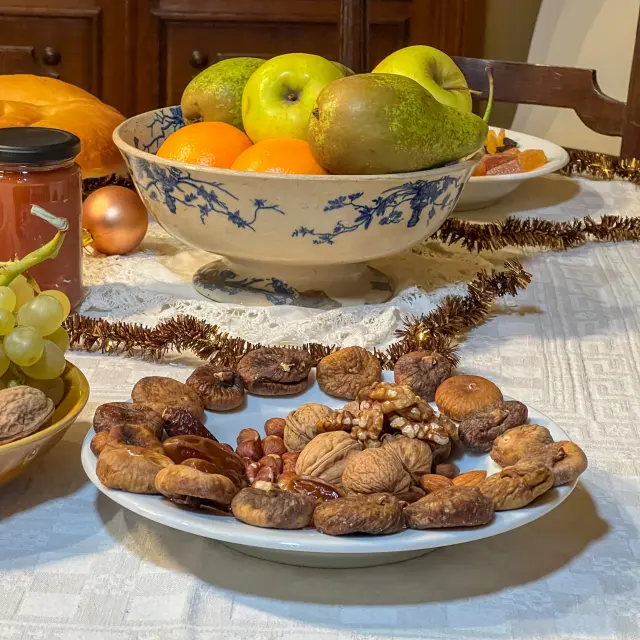
  • The four mendiants: dried figs, sultanas, almonds and walnuts or hazelnuts, ambassadors of Provençal dried fruit once essential during the winter.
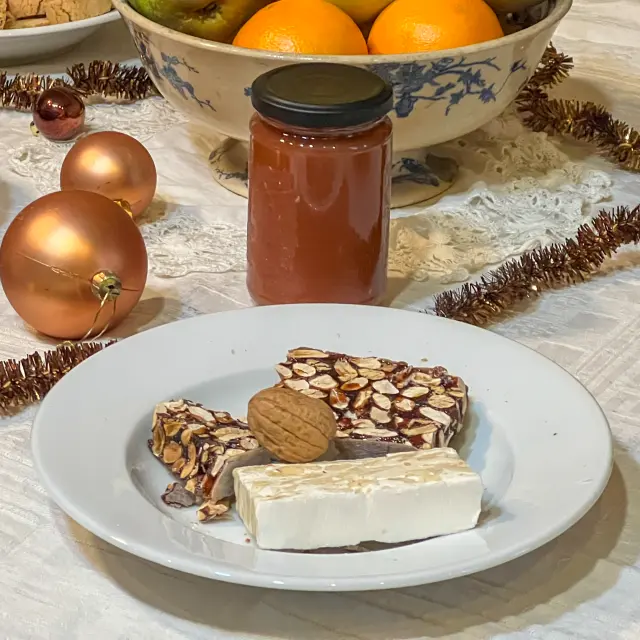
  • The white and black nougats: two textures, two characters, one soft and sweet, the other more full-bodied and crunchy, which give rhythm to the flavours of the table.
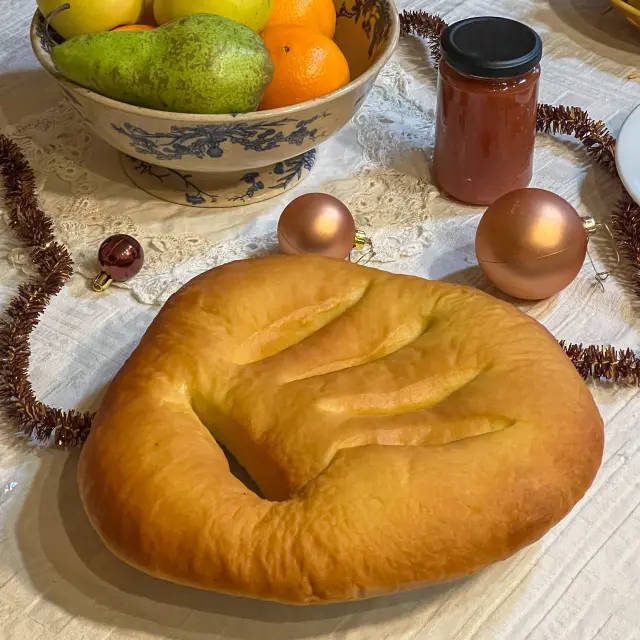
  • La pompe à l’huile: a dessert made with olive oil and orange blossom, broken by hand to symbolise unity and sharing.
  • Fresh fruit: oranges, mandarins, apples, pears or winter melon, chosen for their good conservation during the cold season.
  • Candied fruit and traditional sweets: quince paste, calissons d’Aix, dates, pine nuts or caramelised grapes, real treasures of Provençal craftsmanship.

Did you know?

Other delicacies depending on the village

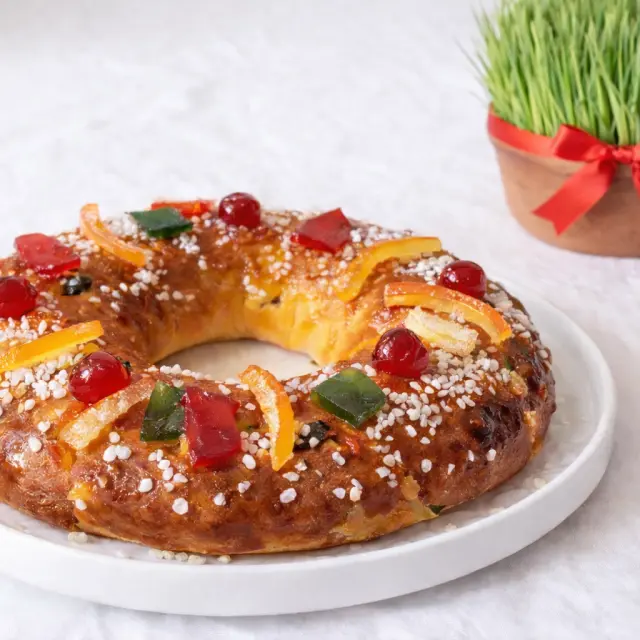
Every family and every village has its own variations: oreillettes, sweet fougasses or aniseed-flavoured biscuits are just some of the local favourites. In the Pays d’Aubagne et de l’Étoile, for example, there are marrons glacés, produced by the local firm Corsiglia. At Christmas markets, craft shops and bakeries, the tradition continues to be reinvented while retaining its authenticity.

Tradition in our region today

In the Pays d’Aubagne et de l’Étoile, the 13 desserts still play a central role in the end-of-year festivities. Families perpetuate the ritual, local artisans offer their specialities – notably pompe à l’huile, candied fruit and nougats – and Christmas markets showcase all the sweets needed to set the table.

Today, this tradition brings together people from all walks of life, transcending its origins to become a time for sharing and discovery. For visitors, it’s one of the best ways to experience Provençal culture, through the flavours, conviviality and warmth of the local festivities.

Discover also

Traditions in Aubagne