©

Table 13 Desserts Pompe A Lhuile Jlo Oti Pays D Aubagne 3

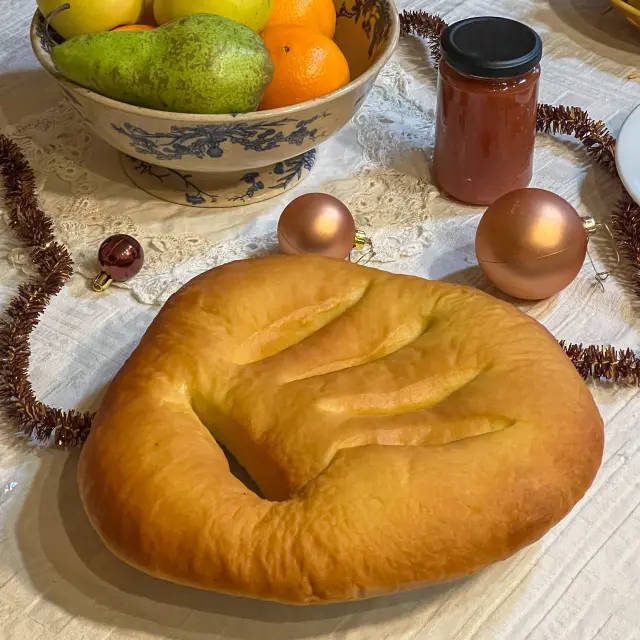
The oil pump

A delicacy that perfumes Christmas in Provence

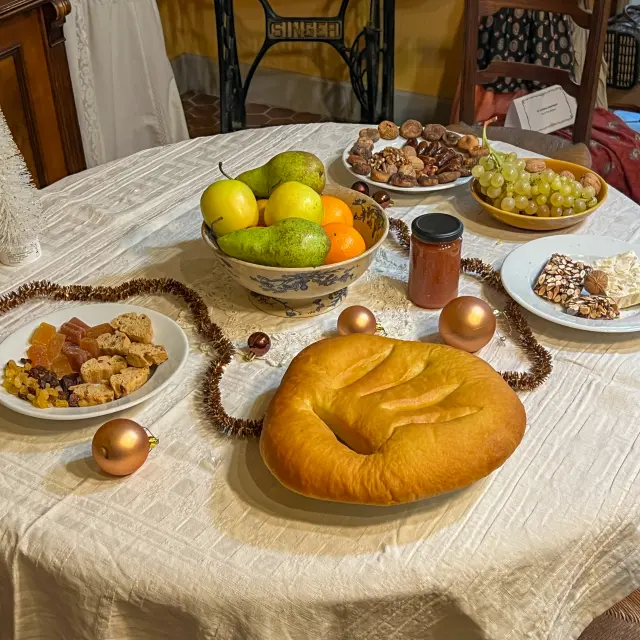
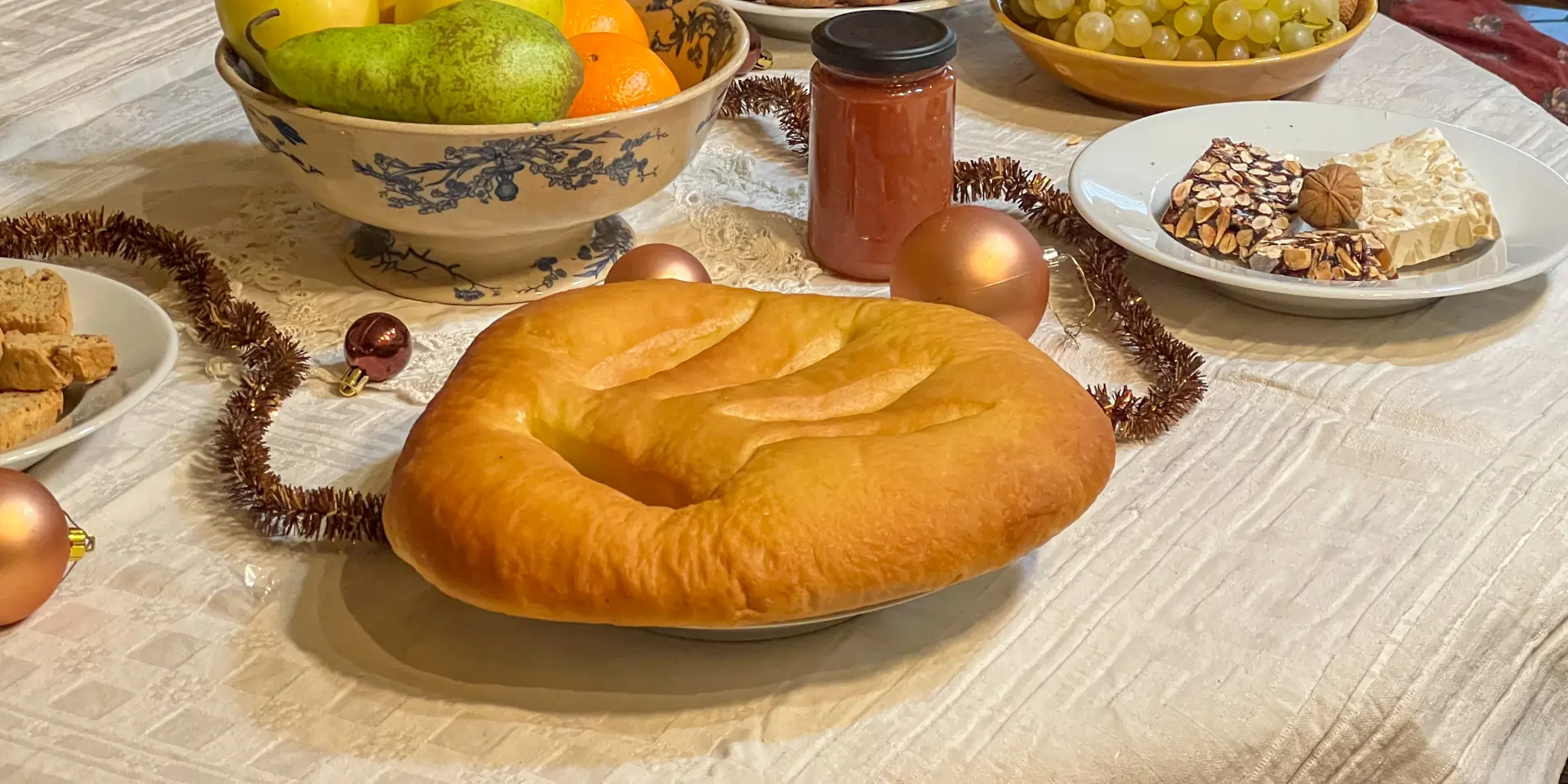
As the festive season approaches, Provence lights up with warm traditions, and among them, one speciality holds a very special place: the pompe à l’huile. This moist brioche, flavoured with olive oil and orange blossom, is much more than a dessert. It’s a symbol of sharing, a flavour of childhood, a custom handed down from generation to generation. On Provençal tables, it sits proudly among the 13 desserts, a reminder that Christmas here is as much about flavours as it is about family rituals.

Origins and symbolism

The oil pump has its roots in the ancestral know-how of oil mills. In days gone by, flour was used to ‘pump out’ the last drops of oil, resulting in a rich, fragrant paste. Over time, this preparation evolved into a festive dessert associated with the Gros Souper, the traditional meal on 24 December.

Even today, the pompe is never cut with a knife (tradition has it that this would bring bad luck): it is broken by hand. This gesture, inherited from the Christian symbolism of sharing, reinforces its role as a unifying dessert, designed to bring the family together around the same dish.

A pillar of the 13 desserts

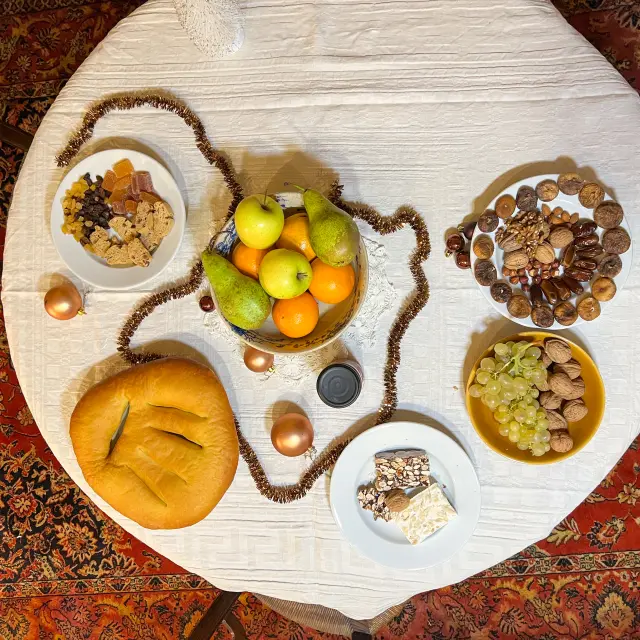
It’s impossible to imagine a Provençal Christmas table without it. In the list of 13 desserts, pompe à l’huile takes pride of place alongside dried fruit, nougats, confectionery and winter fruit.

It brings roundness, sweetness and generosity – all the hallmarks of a successful Provençal New Year’s Eve. Depending on the family and the village, the recipe varies slightly: some add citrus zest, others accentuate the orange blossom or favour a local olive oil with a more assertive character.

This dessert epitomises abundance and conviviality: it’s eaten on New Year’s Eve… and often at breakfast on 25 December!
Did you know?

The Gibassier is sometimes confused with the pompe à l’huile, so similar is their shape. However, they are two very different specialities from Provence.

Gibassier is a drier, sandier cake, often flavoured with aniseed, fennel or candied orange peel. It can be found all year round, particularly in the Luberon and around Aix-en-Provence. It is more like a thick biscuit than a brioche. The pompe à l’huile, on the other hand, is a soft brioche flavoured with orange blossom, and is only eaten at Christmas.

Both are made with olive oil, a signature of the Provencal region, and both have a round, incised shape.

Traditional oil pump recipe

The essential ingredients

  • Wheat flour
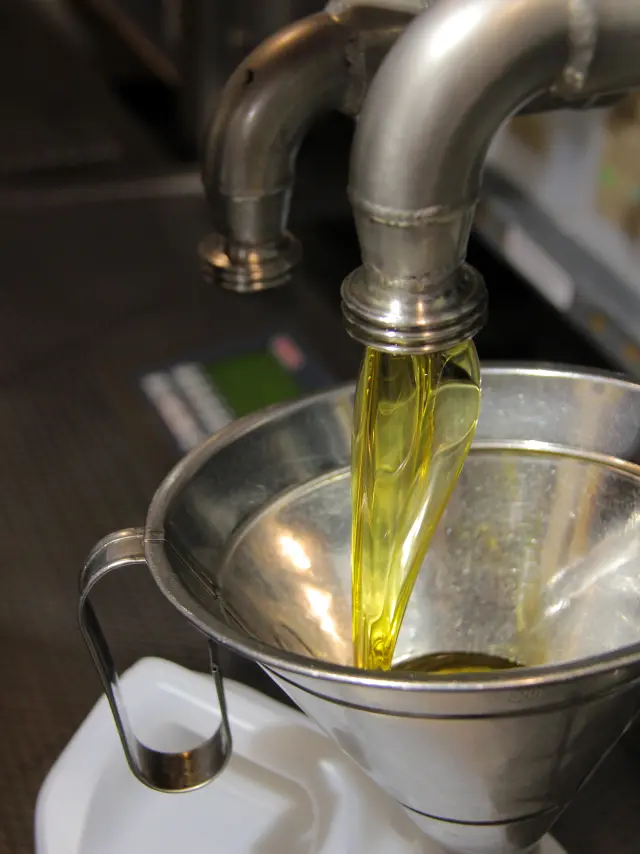
  • Quality local olive oil
  • Sugar
  • Yeast
  • Water or orange blossom water
  • Sometimes: orange or lemon zest

The main stages

  1. Prepare a leaven then knead the dough.
  2. Leave to rise for a long time to obtain a light texture.
  3. Shape the cake and incise the surface.
  4. Bake gently until the crumb is soft and the crust golden.
  5. When it comes out of the oven, some people add a drizzle of olive oil… a little secret to enhance the flavour.

Our advice

Where can you enjoy oil pumping in the Pays d'Aubagne?

With Christmas just around the corner, the region’s artisan bakers are carrying on this tradition with passion. You can find them :

  • In traditional bakeries and food shops, which often offer their own version, such as La Fille du Boulanger, l’Aubagnaise or Au Gourmet Provençal.
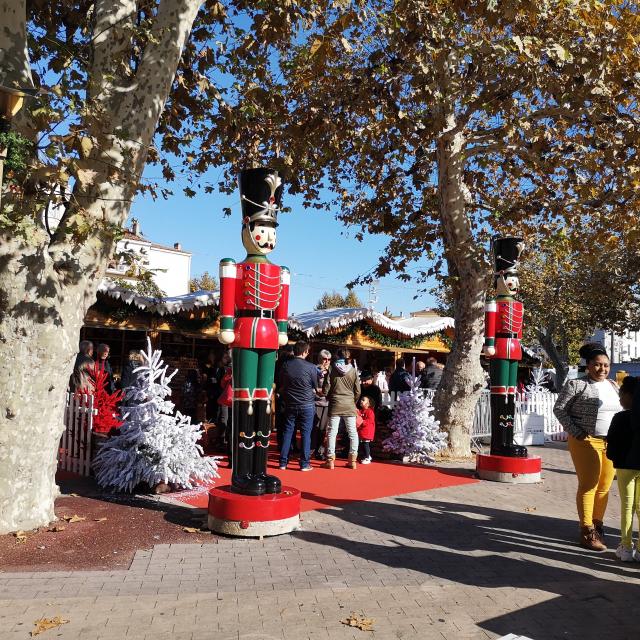
  • At Christmas markets, where its fragrance attracts gourmets.

For visitors and locals alike, sampling a local pompe à l’huile is a delicious way to immerse yourself in the magic of Christmas in Provence.

A gourmet heritage to be preserved and passed on

The pompe à l’huile is more than just a recipe: it reflects theidentity of Provence, its generosity, its taste for sharing and its traditions rooted in conviviality.

By showcasing this speciality, the Pays d’Aubagne et de l’Étoile is inviting everyone – visitors, families, gourmets – to discover an authentic Christmas, where every bite tells a fragment of the story of Provence.

Discover also

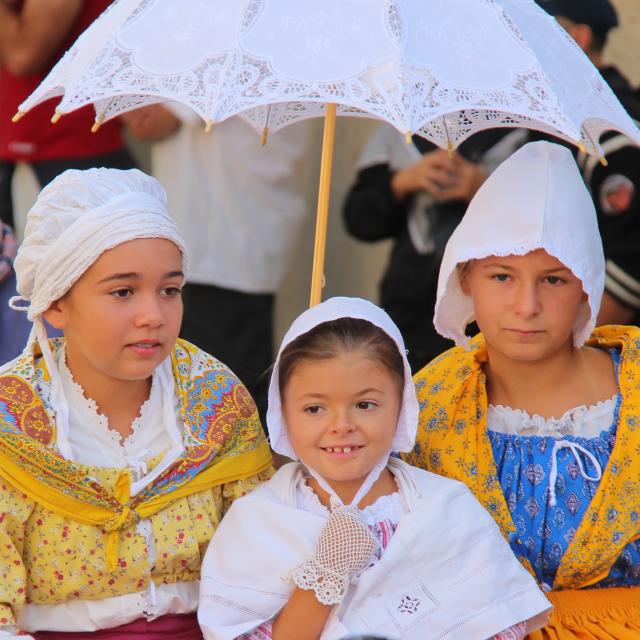
Traditions in Aubagne