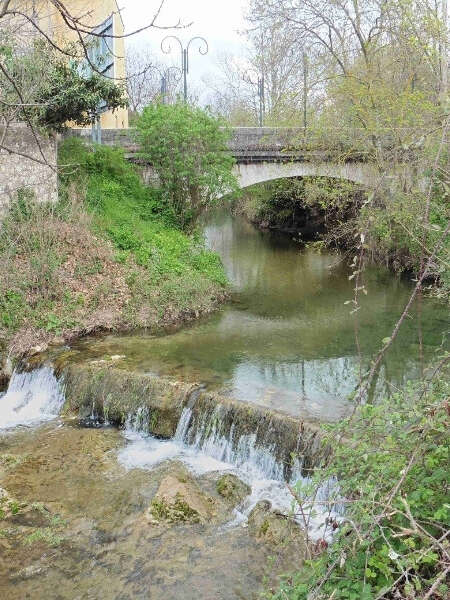
The area around Auriol has been occupied since prehistoric times, as evidenced by a number of remains found in the commune. At that time, the valley was partly covered by lakes and marshes formed by the Huveaune river. In ancient times, Auriol became a prosperous town: the famous treasure of Auriol (Greek coins), buried around 480 BC, illustrates this ancient wealth. Later, after the conquest of Gaul, Julius Caesar allocated land to his veterans, who settled there permanently.
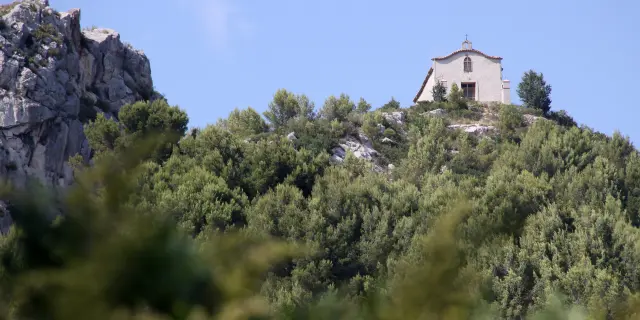
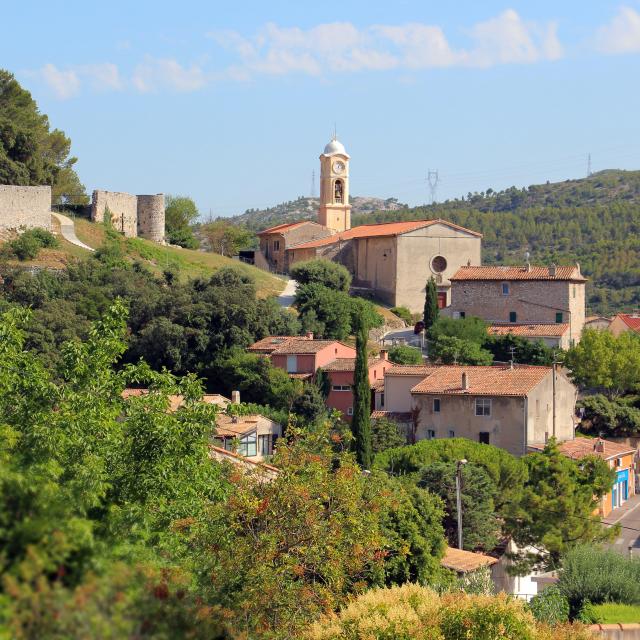
In the Middle Ages, the village grew around an initial hilltop settlement, the oldest name given being Bourg de Podolium on the ancient Pujol hill. Gradually, the inhabitants moved down towards the banks of the Huveaune, giving rise to the present-day village. The importance of Auriol was confirmed with the construction of the ramparts in 1376, when the last Pope of Avignon, Gregory XI, visited the town. A number of traces of this era remain today, including the gates of the town wall and the ruins of the medieval castle.
But the history of Auriol has also been marked by difficult times. The plague between 1576 and 1584 hit the population hard, and in 1593 the town was besieged by the Duke of Épernon. The castle was taken and destroyed, marking the end of its defensive role.
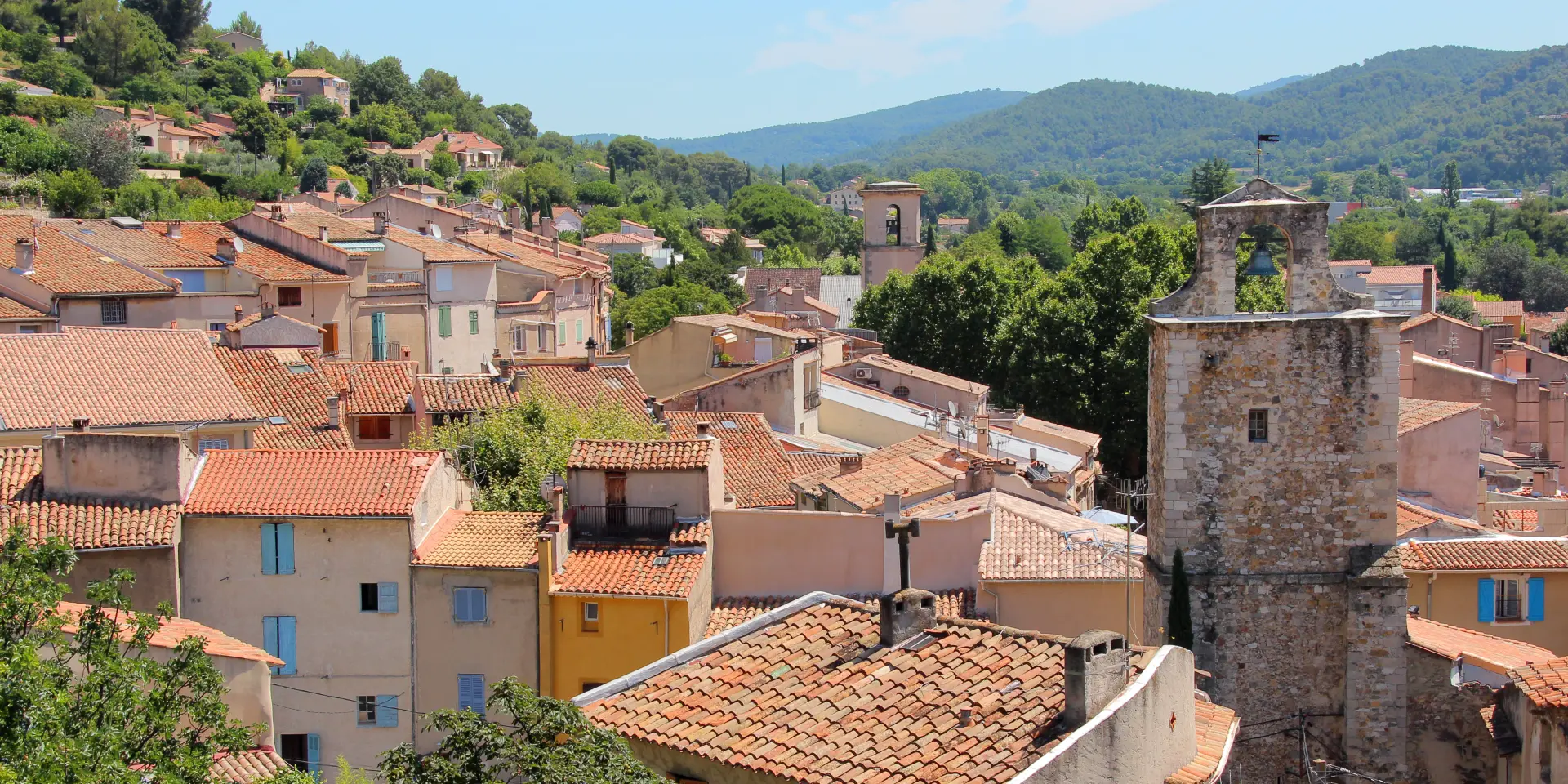
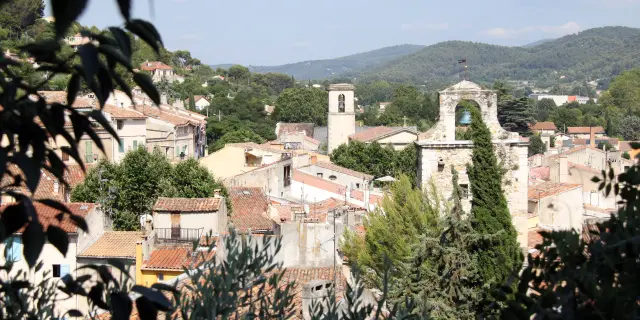
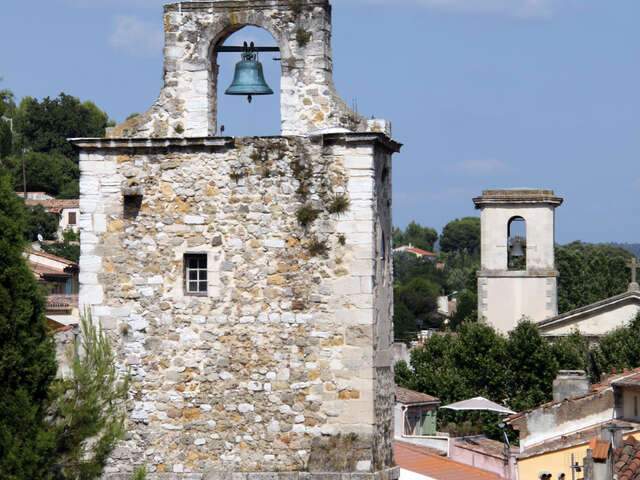
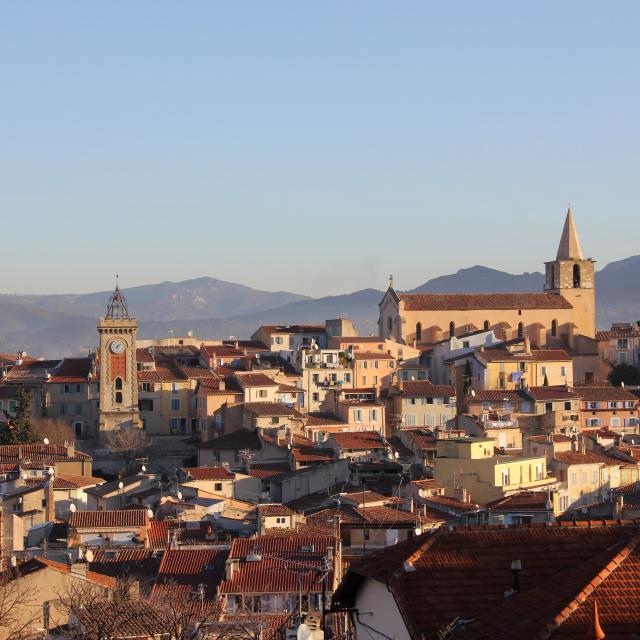
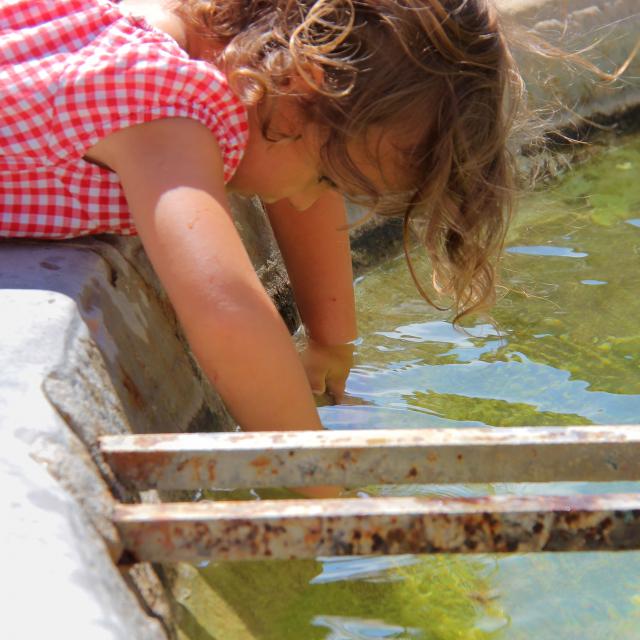
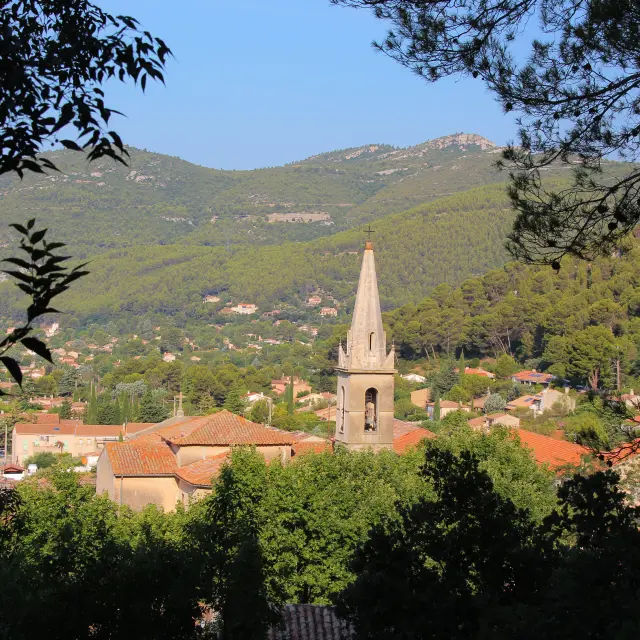
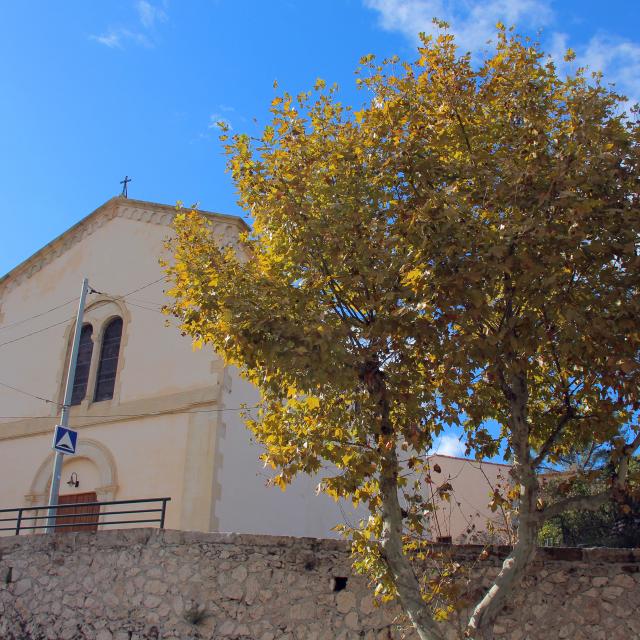
From the 17th century onwards, and especially in the 19th century, the village was transformed and developed around new craft activities, in particular the manufacture of tiles and jars.Saint-Pierre church was built in 1856, giving structure to the village centre, while other emblematic features, such as the Clock Tower, raised 12 metres in 1564, and the fountains and squares, contribute to Auriol’s identity.
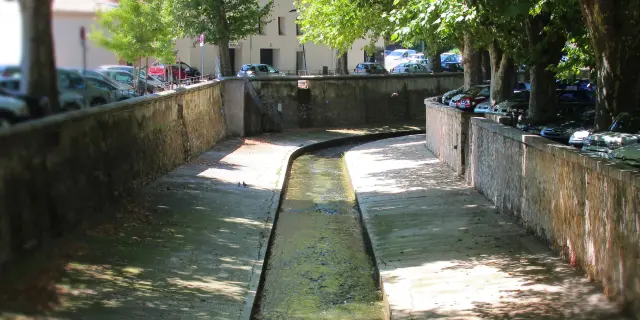
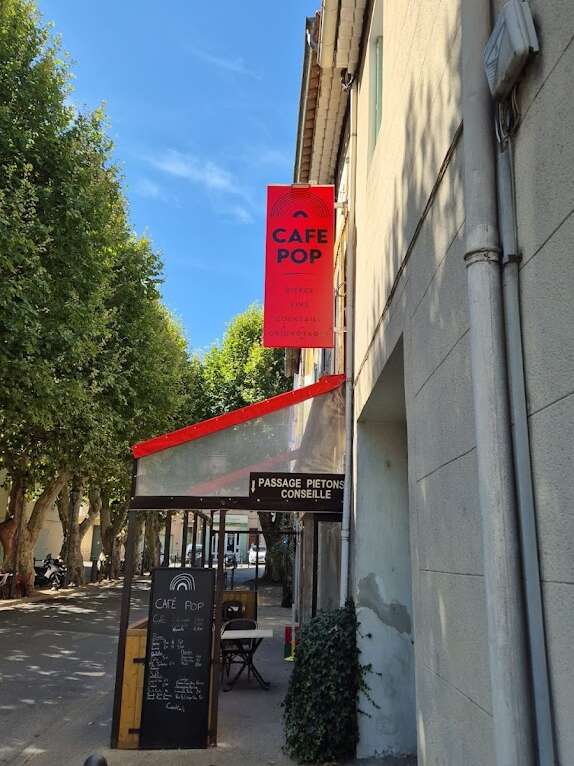
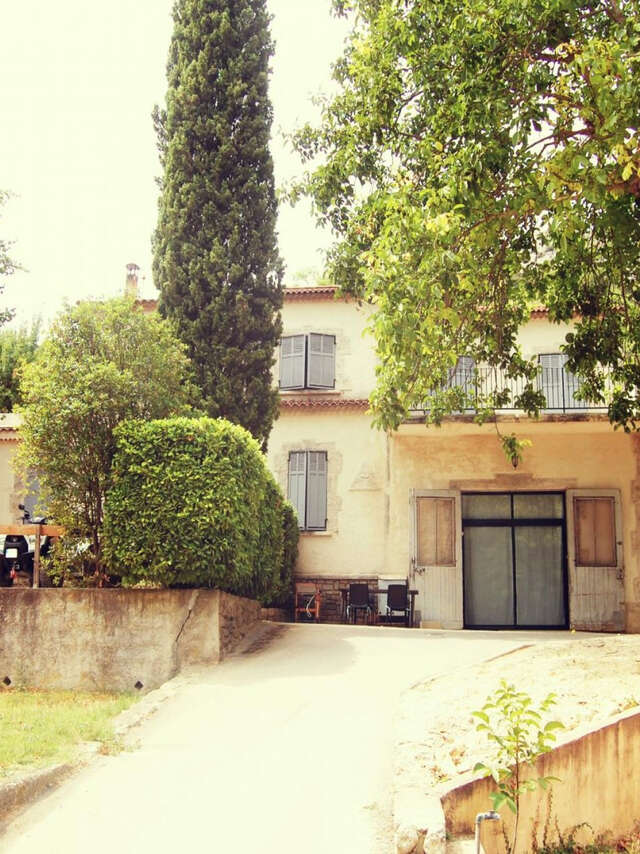
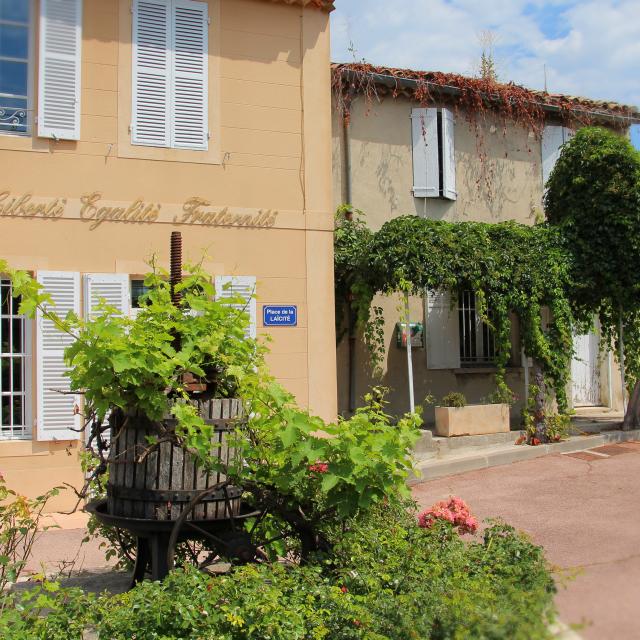
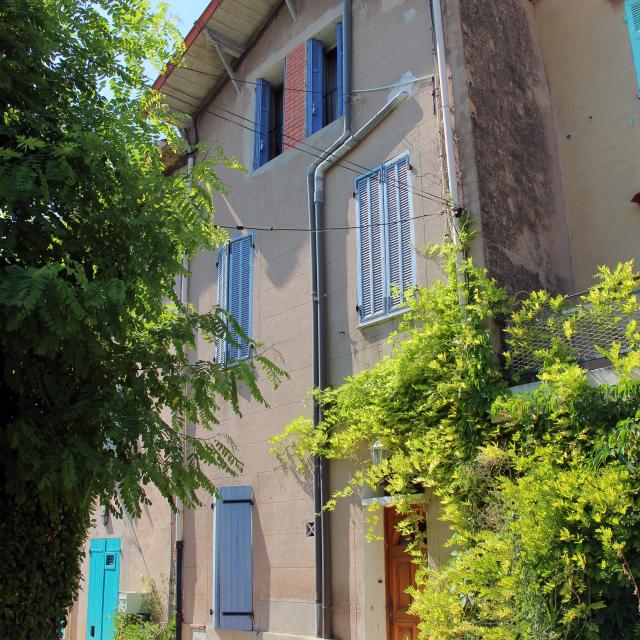
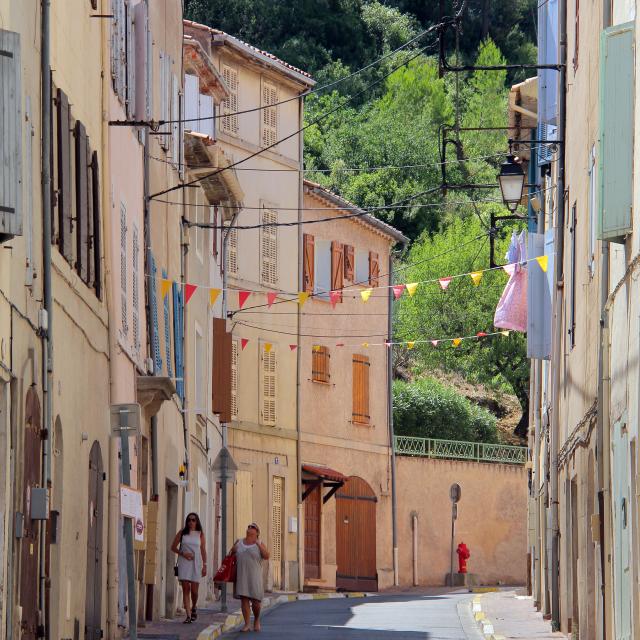
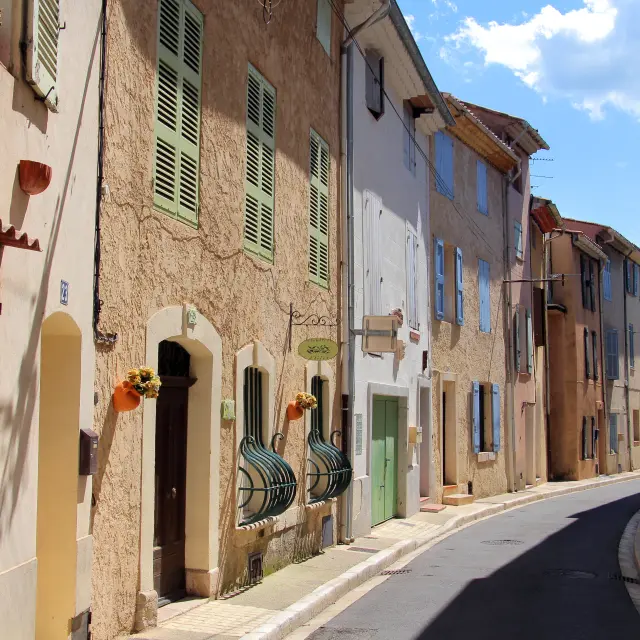
Today, as you stroll through the old town centre, lined with narrow streets, shady squares and plane tree-lined courtyards, you’ll discover a village that has managed to preserve the traces of its past. Every monument, every architectural detail tells a page of its history, offering visitors an authentic immersion in Auriol’s Provençal soul.