©

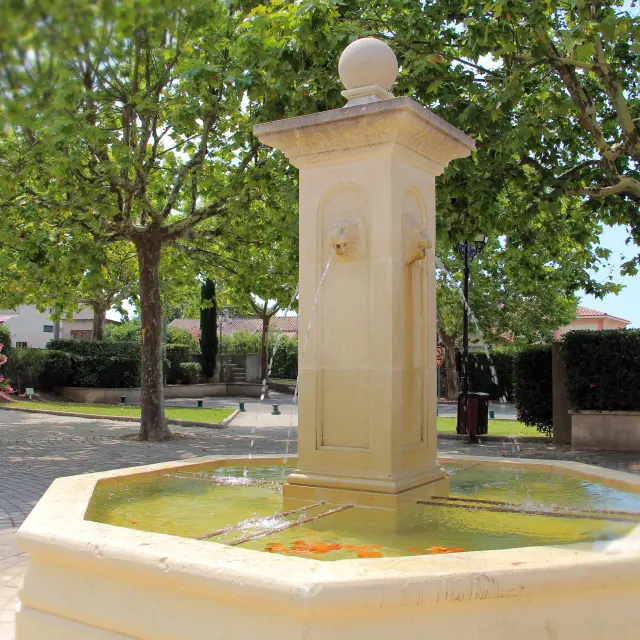
Place Mairie Belcodene Oti Aubagne

|

JPVallorani

Belcodène

La Panoramique

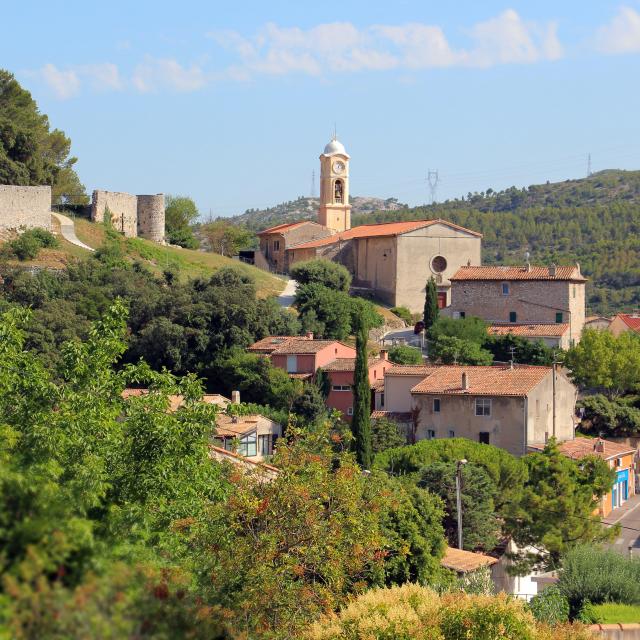
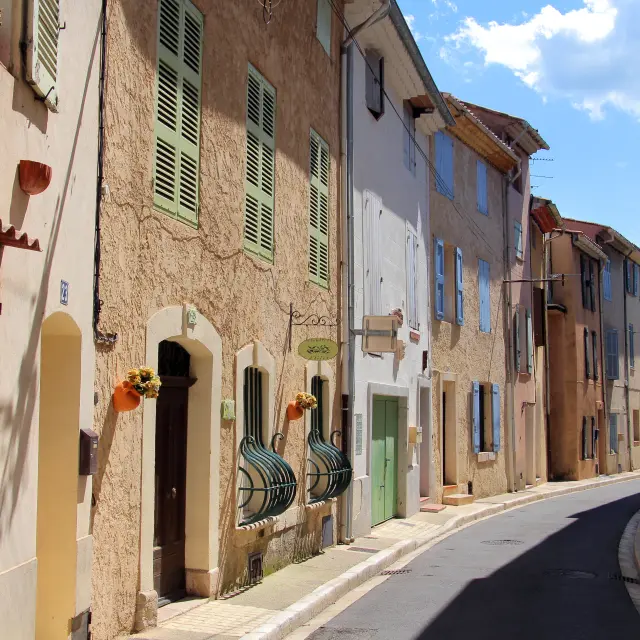
Discover Belcodène, a Provencal village nestling in the hills between Aix-en-Provence and Aubagne. Heritage, nature, traditions and a gentle way of life await you for an authentic stay in Provence.

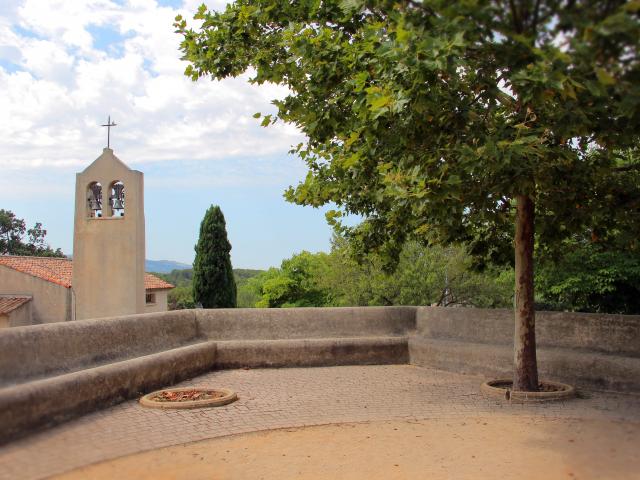
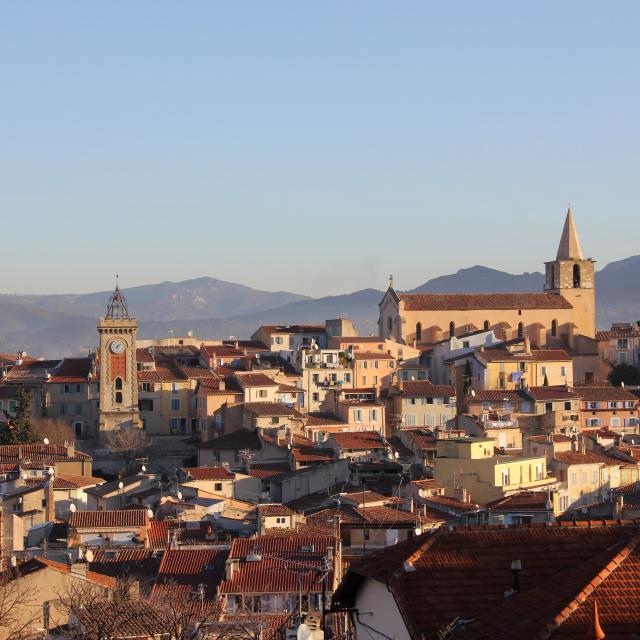
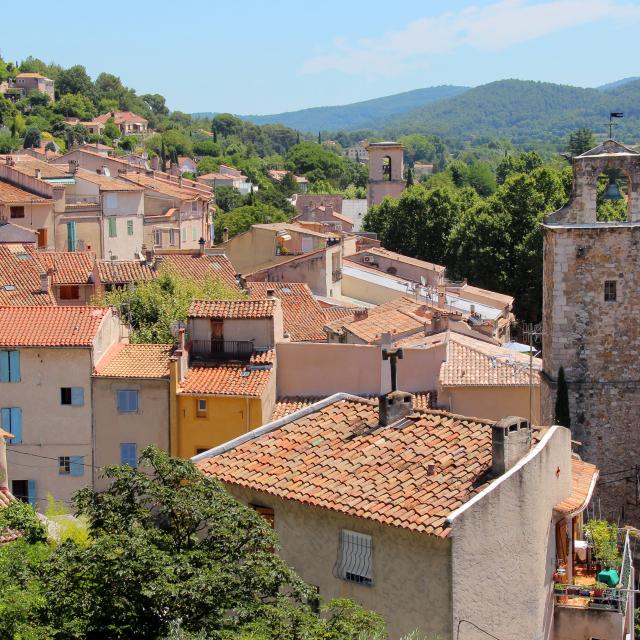
Belcodène, the panoramic village

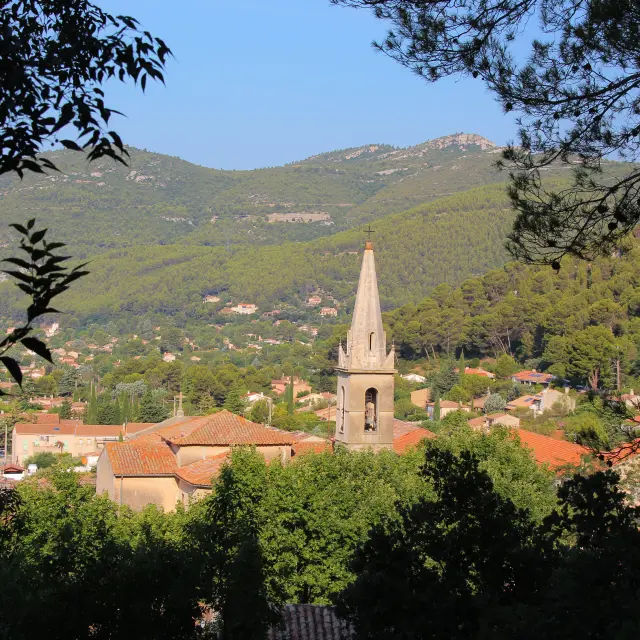
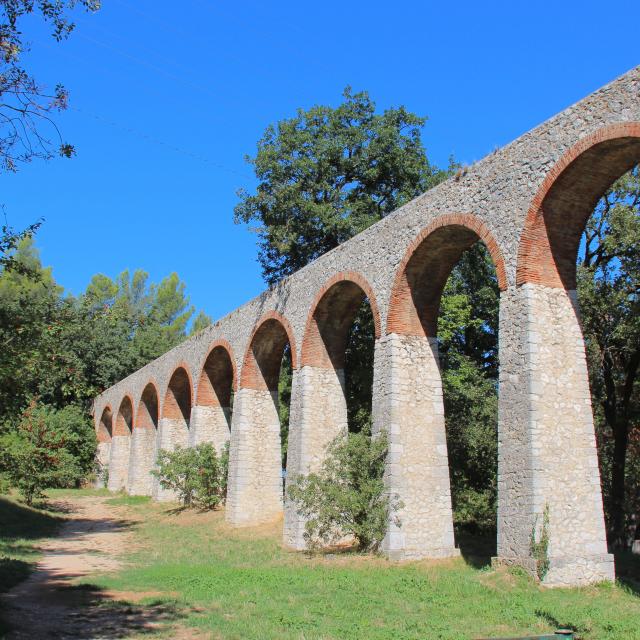
Situated in the heart of the hills between Aix-en-Provence and Aubagne, Belcodène is a village where nature and authenticity meet. Surrounded by unspoilt countryside, it offers a peaceful setting in which to discover and relax.

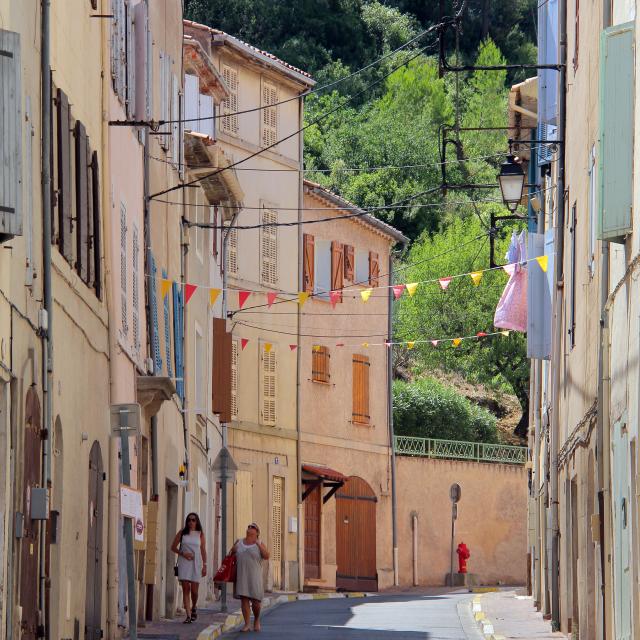
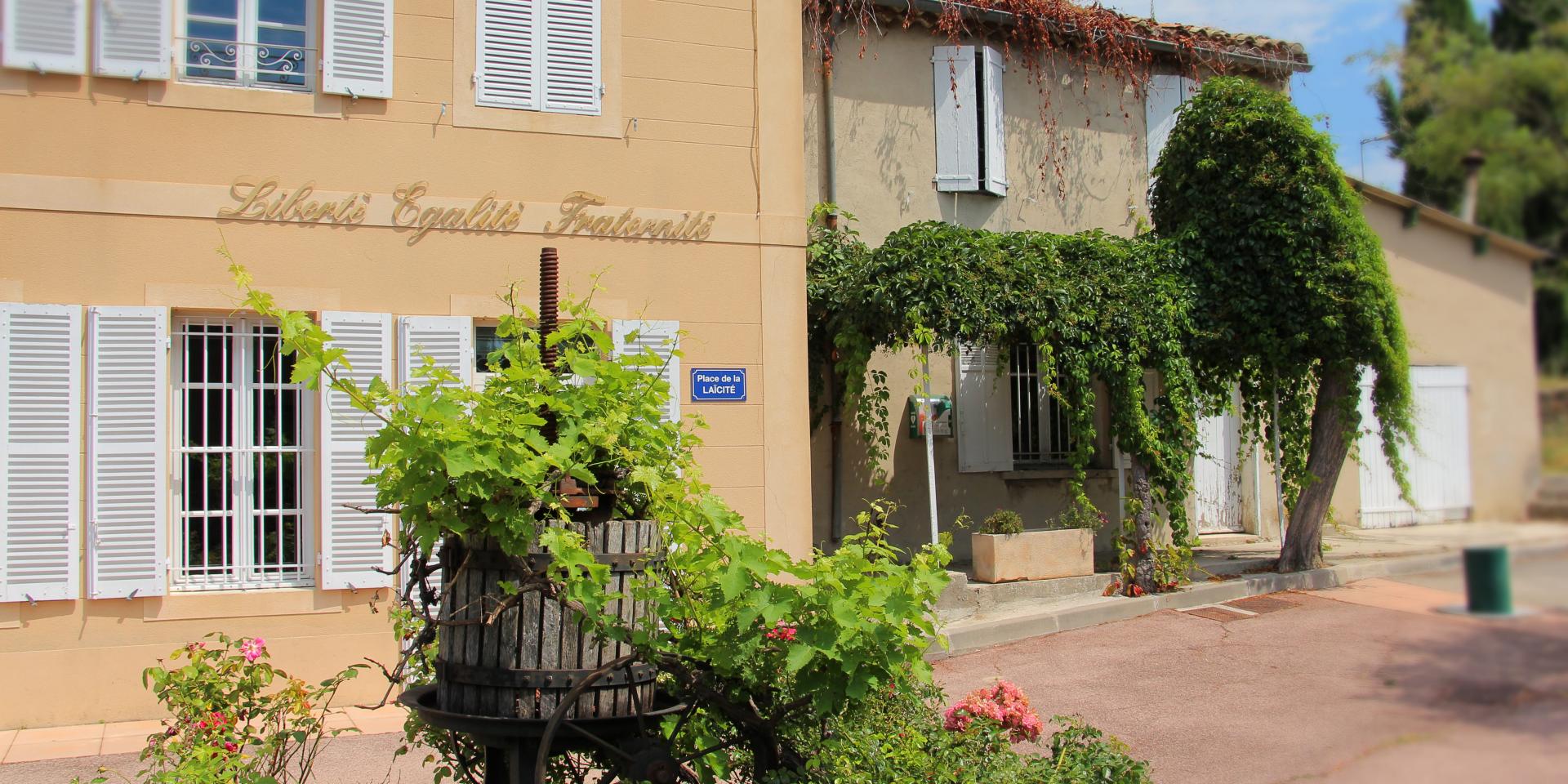
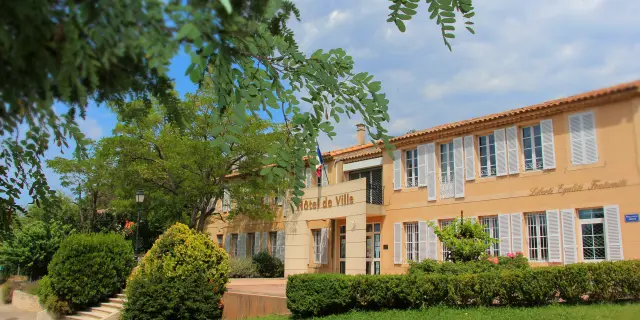
Through its hills, traditions and heritage, the village reveals a rich history, marked by the activities of yesteryear and an art of living that is still very much alive. Between visits, walks, encounters and moments of sharing, Belcodène invites you to take full advantage of the warm and friendly atmosphere of Provence.

Village festivals and traditions

In Belcodène, festivities come to life with the seasons, offering warm moments to share.

Roumavage

In spring, Roumavage, celebrated on Easter Monday, brings residents and visitors together around the Hermitage chapel. Inherited from an ancient shepherds’ pilgrimage, this day is now synonymous with picnics, barbecues, outdoor games, egg hunts and moments of sharing. Between games of pétanque and get-togethers with friends, it’s a much-anticipated festival that marks thearrival of fine weather.

The pastoral parade

At Christmas time, the village becomes the setting for a pastoral paradeinspired by the Maurel pastoral. Around forty costumed characters, accompanied by sheep, a donkey and an ox, liven up the streets and squares: from the awakening of the shepherds to the final scene around the cot, in an authentic and friendly atmosphere.

What to do in Belcodène

Trail des Castellas in Belcodène
A sporting event in the heart of Provence’s countryside

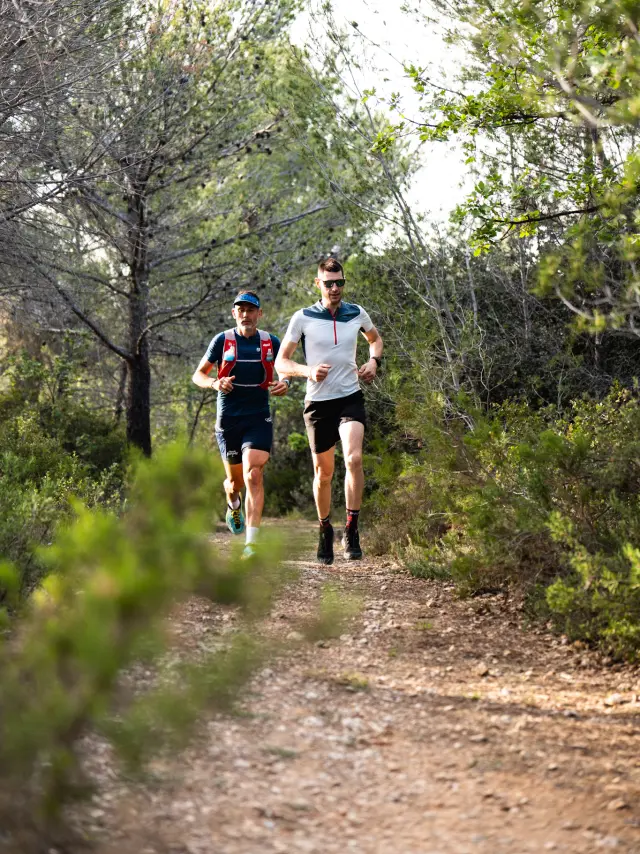
Every spring, the commune of Belcodène hosts a not-to-be-missed sporting event: the Trail des Castellas, a friendly nature race that appeals to trail enthusiasts and amateurs alike. Nestling in the heart of the Regagnas massif, this event offers a unique immersion in the typical landscapes of Provence, with forests, hills and exceptional panoramas.

Organised in a friendly atmosphere, the Trail des Castellas celebrates sport, sharing and discovering the region. At the finish, participants extend the experience with a festive meal and musical entertainment, in keeping with the warm spirit of the event.

Trail routes for all levels

The Trail des Castellas offers three routes to suit all abilities, allowing participants to enjoy the experience at their own pace:

  • La Sublime – 17 km (430 m D+): a long and demanding route for those who like a challenge, offering an experience of the Massif’s landscapes.
  • L’Express – 9 km (170 m D+): an accessible race, ideal for discovering trail running and enjoying the spectacular views.
  • La Rapide – 9 km Nordic Walking (170 m D+): a gentler version, open to all, to explore the trails in a different way, thanks to Nordic Walking.

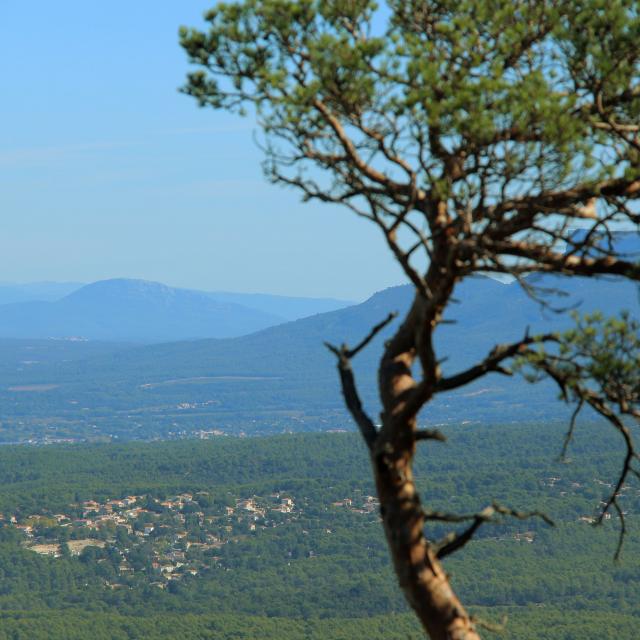
At the summit, runners are rewarded with a remarkable panoramic view of Sainte-Victoire, Sainte-Baume and Garlaban.

events in Belcodène

The GR “Sentier, Provence d’énergies”: the path between nature and memory

In Belcodène, hikers can follow the GR de Pays “Sentier Provence d’énergies”, an emblematic route that crosses the municipality and invites you to explore the history of the area. This 120km signposted trail offers a unique insight into the Provencal coalfield, tracing the development of energy sources from coal mining to solar power. Interpretation panels line the paths along the way, providing a better understanding of the lives of the local people and the local industrial heritage. The route offers an enriching experience, combining nature in Provence, the memory of the mines and the discovery of the villages, making the GR de Pays a must for visitors in search of authenticity.

Outdoor activities in Belcodène – horse riding and off-road sports

In Belcodène, lovers of outdoor sports and leisure activities have the chance to experience the thrills of nature.

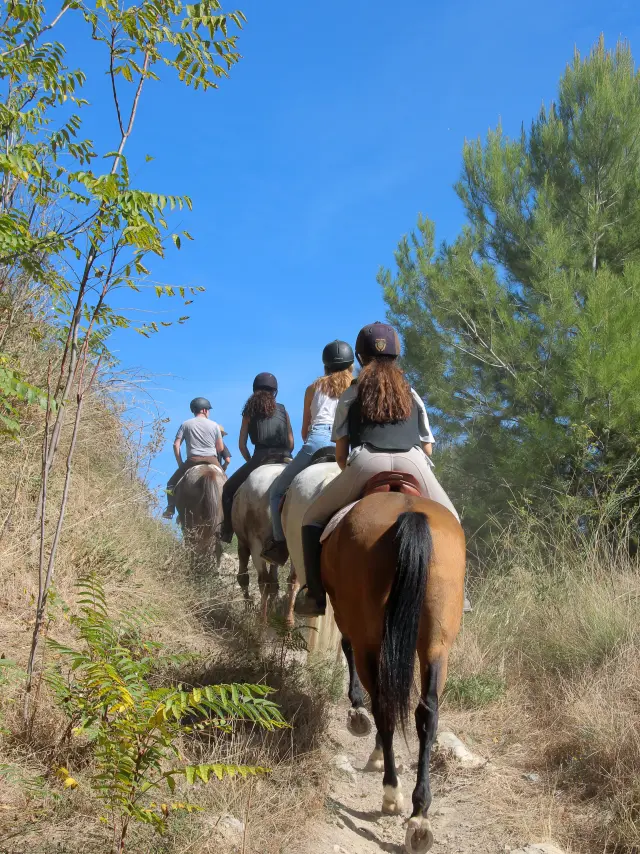
The Horse Amazone Ranch offers individual or group riding lessons, half-day or full-day courses, as well as horse rides and treks for adults, by prior arrangement. Children can also take part in pony-handling activities to discover the equestrian world in a natural setting.

For the more adventurous in search of a thrill, the Centre Tout Terrain JMO invites you to enjoy the area while having fun, with activities on a buggy, quad, 4×4 or E-trott. On a specially-designed estate with numerous routes, set off on an all-terrain driving adventure between hills, discovery and conviviality.
The history of Belcodène

The occupation of Belcodène through the ages

The village owes its origins to the many events that have shaped it over the centuries:

  • Occupied since prehistoric times, between 80,000 and 30,000 years ago, the Belcodène plateau bears witness to the presence of humans following the discovery of numerous flints.
  • Between 400 and 125 BC, the area was inhabited by the Salyans, descendants of the Ligurians and joined by Celtic tribes. Faced with tensions with the Phocaeans of Massalia, they built “oppida” (fortified settlements), which can still be seen today, to protect themselves. The remains of theAgache and Tonneau oppida can still be seen today.
  • InRoman times, Belcodène stood on the border between two provinces, as evidenced by the markers inscribed “Fines Aqvens” and “Fines Arelat”. A Roman road linking Trets to Marseille ran through the commune.
  • In the charters of 1020, 1040 and 1044, Belcodène is described as a “villa”, i.e. a place with no defence works.
  • In 1093, a castrum (an ancient Roman fortress) was found on the village territory.
  • In 1156, part of Belcodène was ceded to Hugues Geoffroy, Lord of Trets.
  • In 1647, in order to avoid a diversion via Marseille, the village was chosen as the site of a post office between Aix and Aubagne.
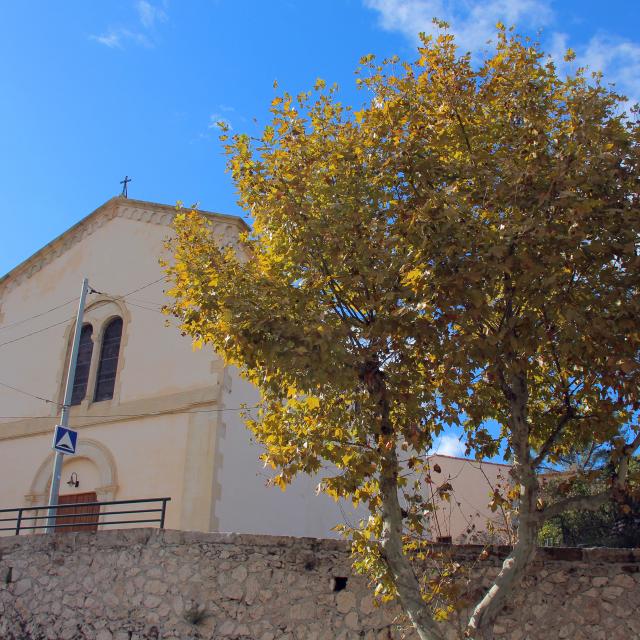
  • Finally, in 1845, the first parish church was built, replacing the Saint-Jacques chapel.

The mushroom beds: the village’s underground network

In the heart of Belcodène, the soil and subsoil tell a rich and little-known story. Beneath the village lies a vast network of galleries, probably dating back to the XIXᵉ century. Originally dug to mine stone, they were used to make lime and a little later cement. Often referred to as “mushroom beds”, these quarries were not intended for mushroom cultivation, although the remains of such cultivation are still very much in evidence today. Although more modest than those at Peypin, they still have remarkably well-preserved tracks, galleries and quarrying quarters, providing a vivid reminder of the extraction methods of yesteryear. Now abandoned, these sites have left a lasting mark on the commune’s underground landscape.

Gumming: a vanished skill

On the surface, the hills of Belcodène also bear witness to an ancient practice: gemmage. Inherited from the Greeks, this technique involved cutting into the bark of trees to harvest the resin. The “gemmeur”, or “pégolier”, maintained these cuts in order to collect the resin in earthen pots. Transformed into oleoresin and then turpentine, this resource had many uses. Today, although this activity has disappeared, a few fragments of pots still bear witness to this ancestral know-how, inviting walkers to immerse themselves in the living history of the area.

Coal in Belcodène: a history that has shaped the village

The history of Belcodène is closely linked to themining of coal, and more specifically lignite, the first traces of which date back to 1584. For more than two centuries, this activity remained limited to outcrop areas, before undergoing a slight change from the eighteenthᵉ century onwards. At the end of the 1700s, several mines were opened, including the Galère mine, the largest in the commune, where between 12 and 20 pickers and 50 to 80 labourers (people carrying out manual tasks) worked, producing 25 to 30 tonnes of coal a day. There was also a mine called “le rocher bleu”, which operated from 1829 to 1881.

Coal became an essential resource in Provence, replacing wood. Some of the coal produced was used to fuel the many lime kilns in the area, while the rest was transported to Marseille to power the factories. From the XIXᵉ century onwards, the Provence mining basin developed further with the appearance of concessions, leading to an increase in the number of miners: there were 205 in Belcodène in 1845.

Today, this industrial past is an integral part of Belcodène’sidentity and heritage, offering visitors a valuable insight into the history of Provencal villages and their inhabitants.

Did you know?

The village of Belcodène takes its name from the Provençal “Brecouedo”, which refers to a steep, elevated area. As its name suggests, Belcodène is situated on a steep plateau. Crossed by the Verdalaï, Favary and Tonneau streams, the village lies at an altitude of 425 m and covers an area of 1,320 ha. Surrounded by massifs covered in pine and oak forests, the site offers magnificent panoramic views.

Staying in Belcodène

Les Deux Minots, the restaurant in Belcodène

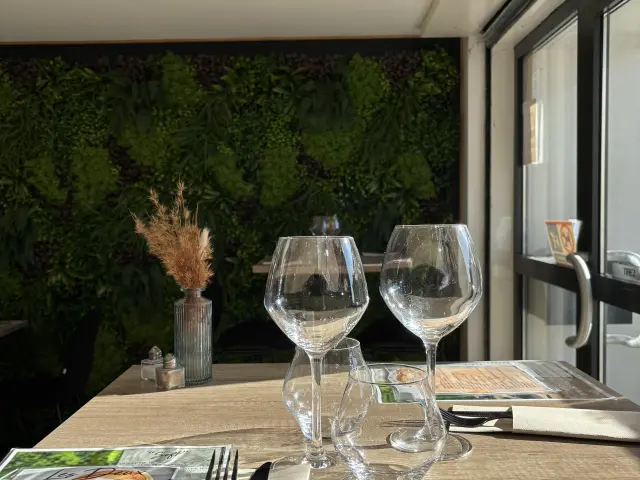
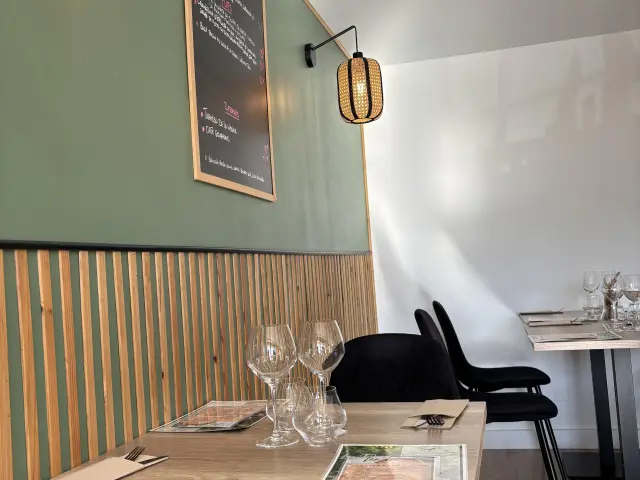
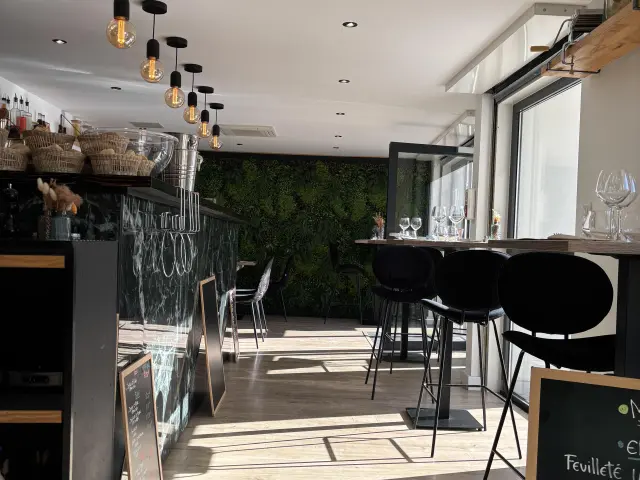
In the heart of Belcodène, Les Deux Minots offers a gourmet experience with a southern flavour. Yannick and Alan offer traditional French cuisine, with Mediterranean and Italian specialities combining tradition and authenticity. The dishes are prepared using fresh seasonal produce, carefully selected to offer rich, sunny flavours. In a warm and friendly atmosphere, on the terrace or indoors, this village restaurant will win you over with its welcoming setting and family atmosphere.

Villa La Licorne in Belcodène, between comfort and tranquillity

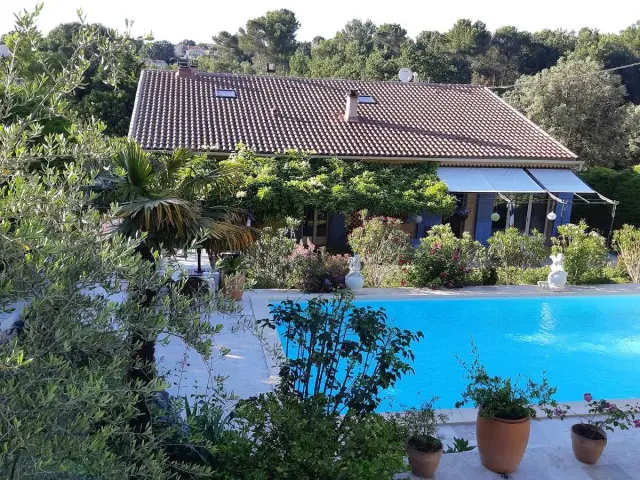
In Belcodène, the self-catering Villa La Licorne invites you to enjoy a stay of comfort and tranquillity. This 110 m² detached villa, entirely dedicated to guests, includes a living room with fireplace, a fully-equipped kitchen, three bedrooms and two bathrooms. Outside, the landscaped terrace and private pool provide the perfect setting for relaxation. A spa completes the ensemble, ideal for relaxing after a day’s hiking.

Situated between Cassis, Aix-en-Provence, Marseille and Aubagne, the villa is an ideal base from which to explore the region, while enjoying a peaceful and relaxing environment.

Discover also

towns and villages in Pays d'Aubagne