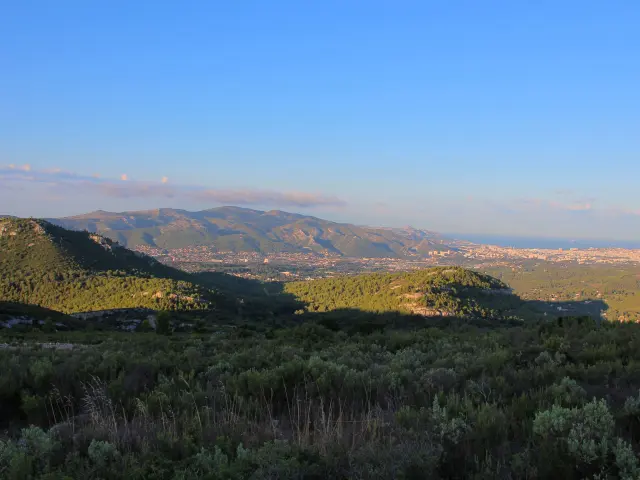
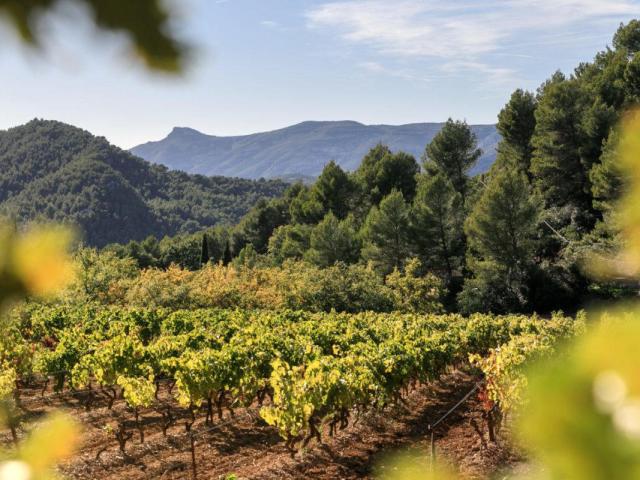
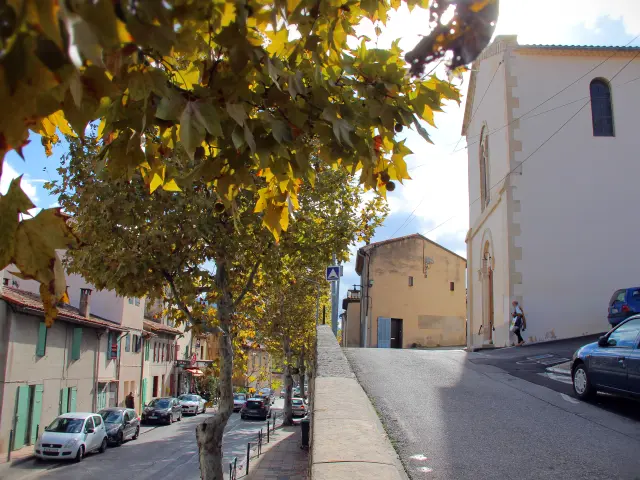
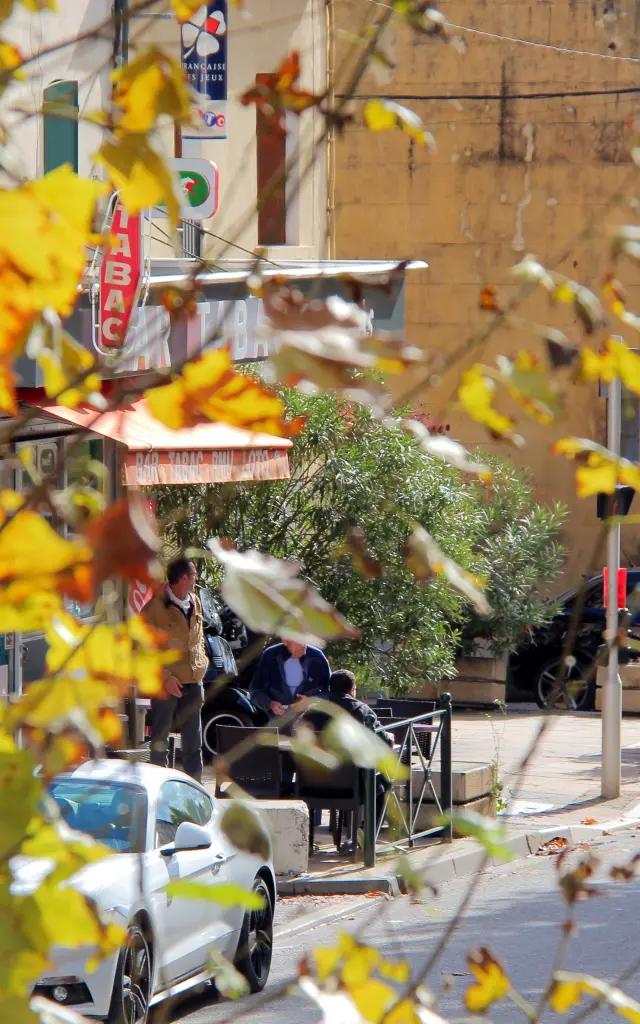
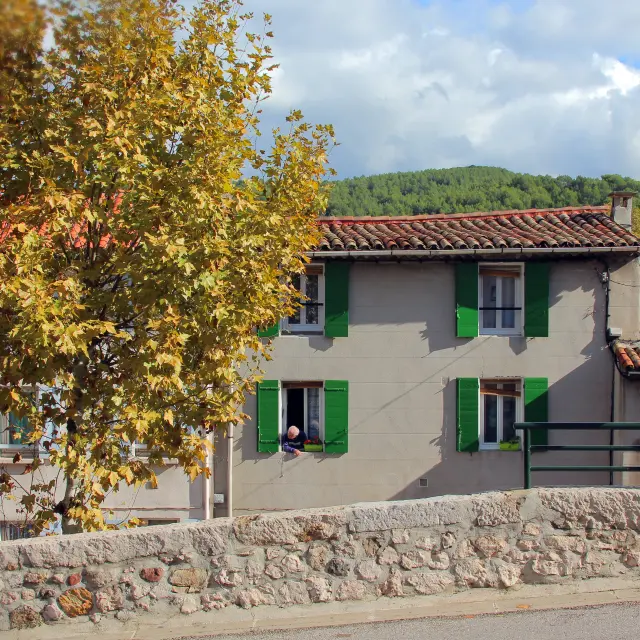
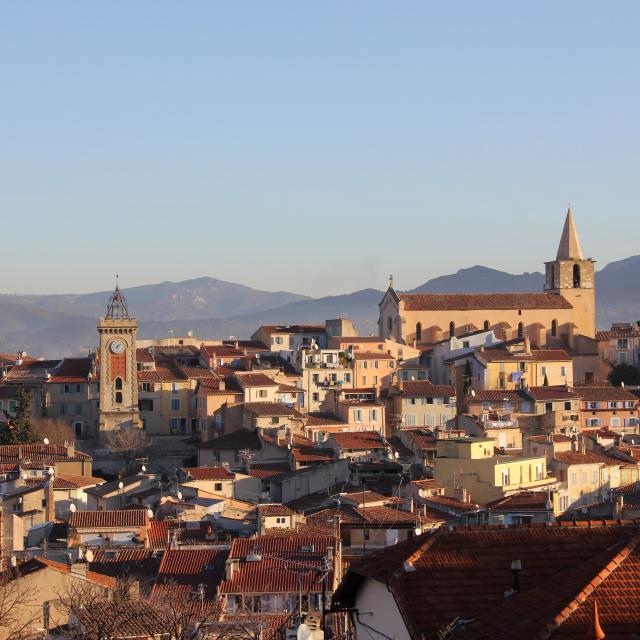
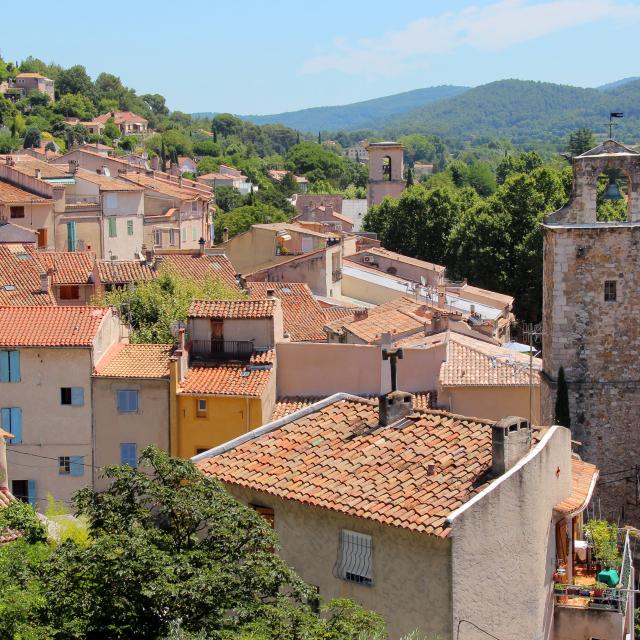
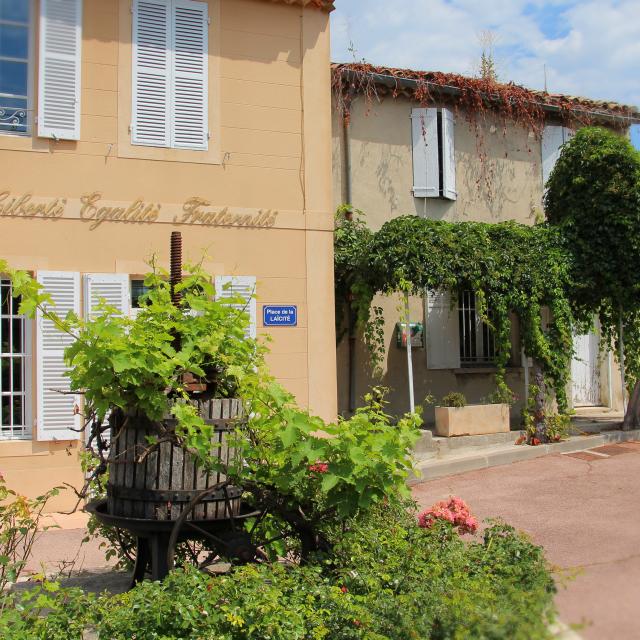
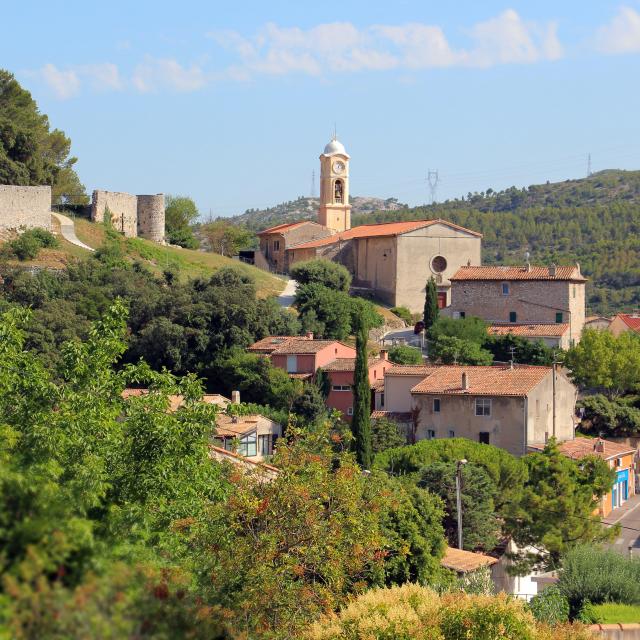
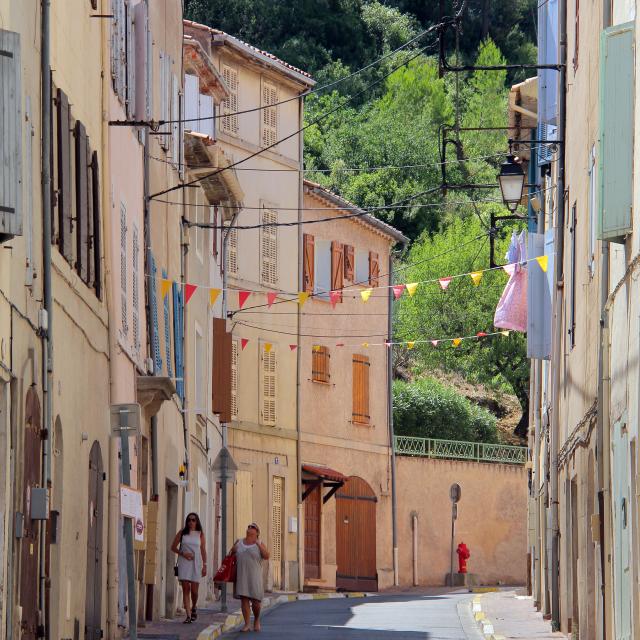
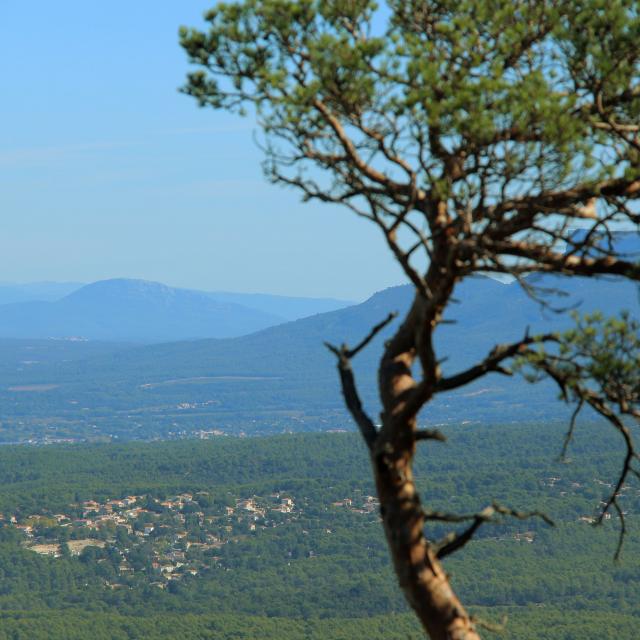
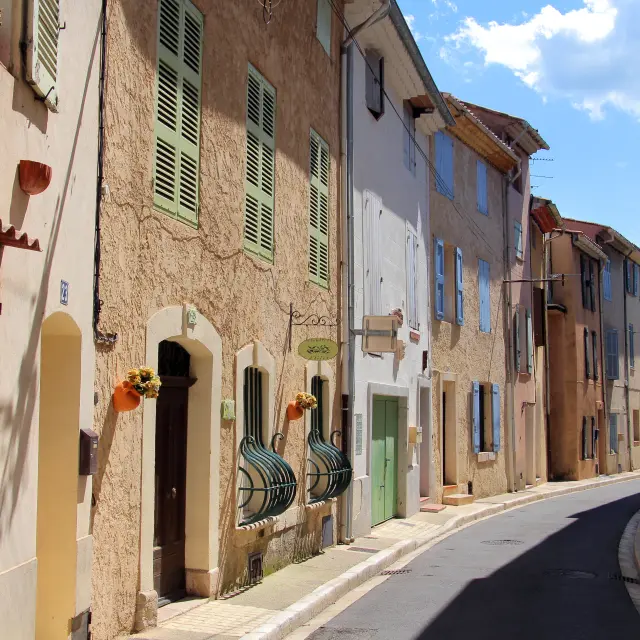
Nestling in the heart of Provence, between the Merlançon and Pégoulière valleys, La Destrousse is a village whose history is intimately intertwined with that of the surrounding countryside. Its rich and sometimes mysterious past still contributes to its authentic charm.
A village marked by centuries
La Destrousse has occupied a strategic position in Provence since Roman times. A road linking Saint-Jean-de-Garguier to Peynier crossed the area and crossed the Merlançon, a place long known as Pas de Trets.
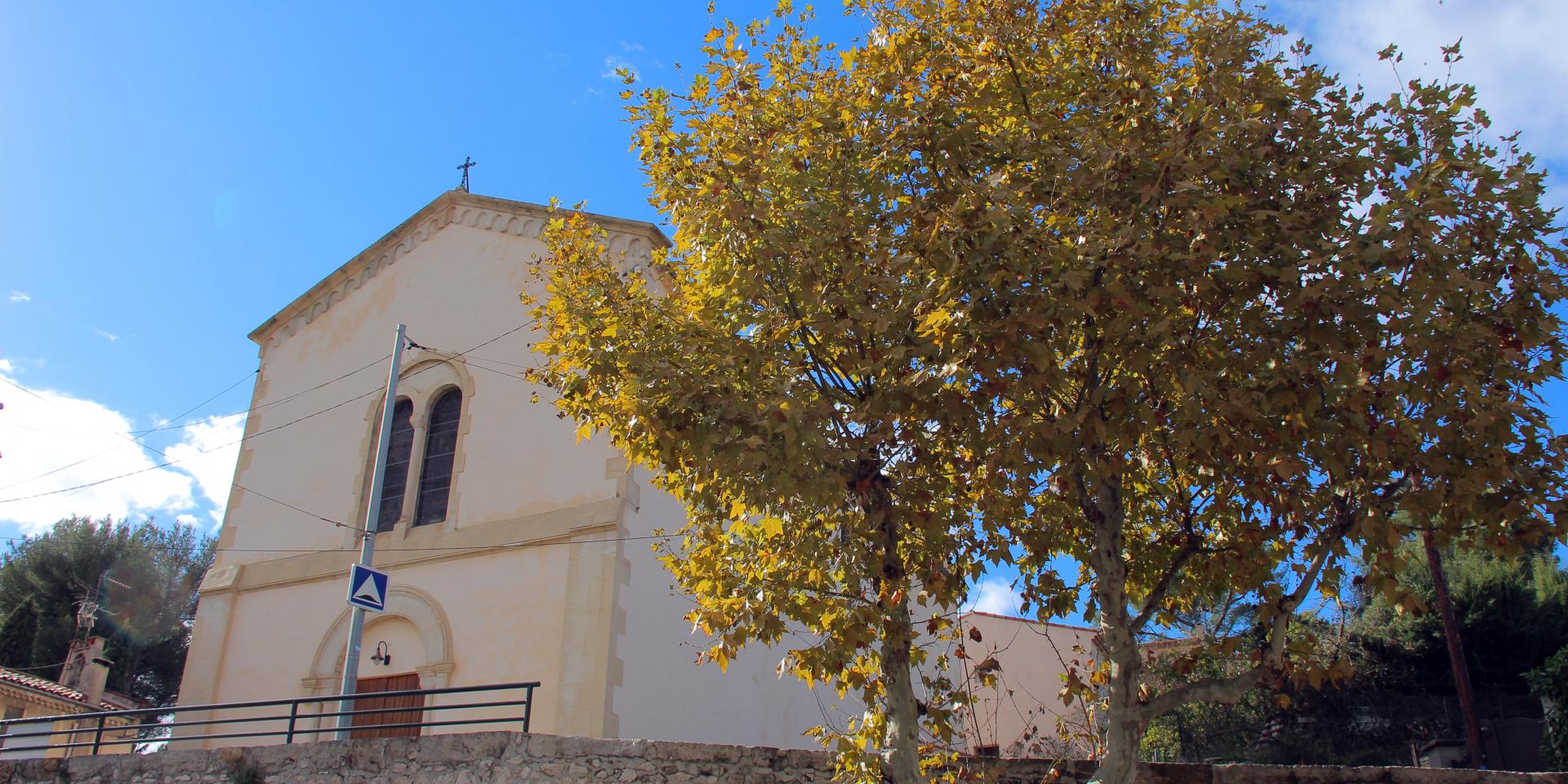
Over the centuries, the area gradually became more structured. In 1040, the cartulary of Saint-Victor mentions the presence of Solobie castle. This was confirmed again in 1065 and again in 1177 in the same collection. A few decades later, around 1150, Peypin castlewas built. At this time, La Destrousse was under the direct rule of the Lord of Peypin. The story continues with another important landmark: in 1363, a chapel dedicated to Saint-Pierre-ès-Liens was built on the site of the present-day church.
A turning point came in 1592, with the destruction of the Château de Peypin. Following this event, the lords moved to La Destrousse. The place then took on a more important role in the organisation of local life.
A growing area
From the 18th century onwards, the proximity of the Merlançon encouraged the establishment ofindustries, with the installation of an Indian cotton factory, a glassworks and later a tileworks. The land fertilised by the river became a highly productive market-gardening area. These industrial and agricultural activities brought wealth, and the Destroussiens demanded their emancipation.
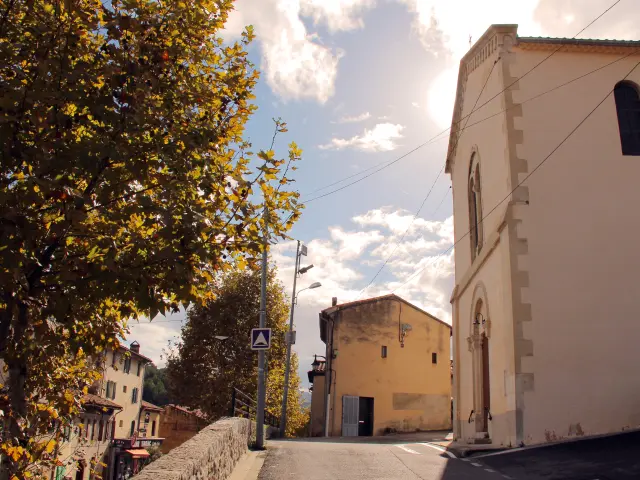
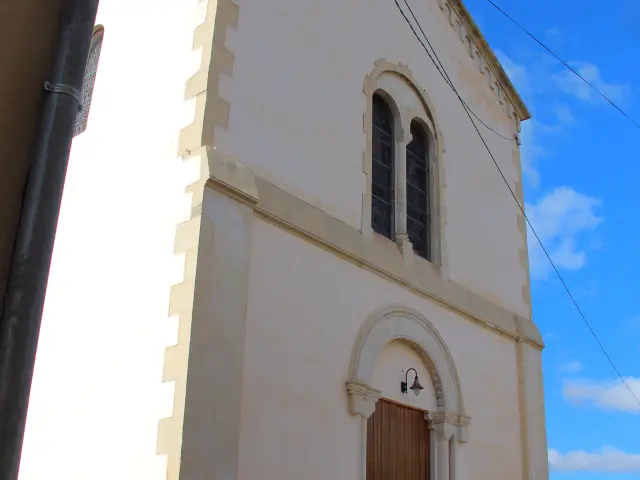
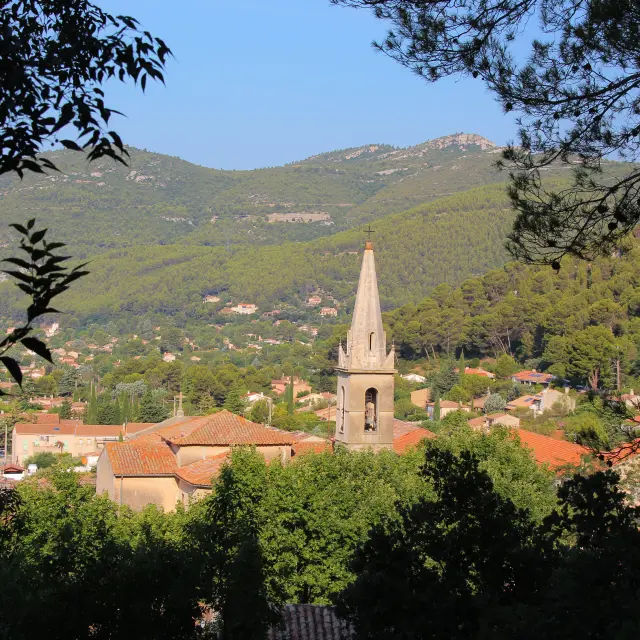
On 22 April 1870, a decree from Napoleon III marked a decisive step: La Destrousse officially became a town in its own right. In 1872, the current church was built on the site of the former chapel. It became a key feature of the village, at the heart of Provençal life.
Development continued in the early twentieth century. In 1918, a tile-making business was once again established in the area, complementing local activities. Before 1914, the daily life of the local population was also shaped bymining. A large proportion of the population worked in the Valdonne mines. For farmers, this activity often represented an additional source of income during the winter.