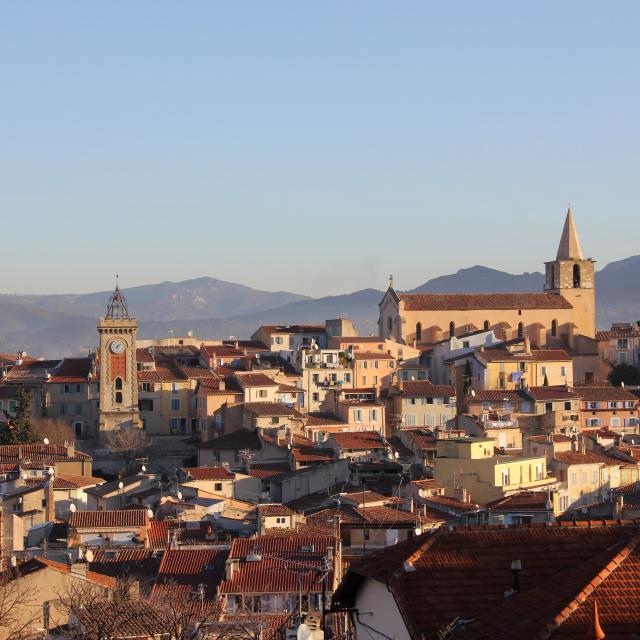
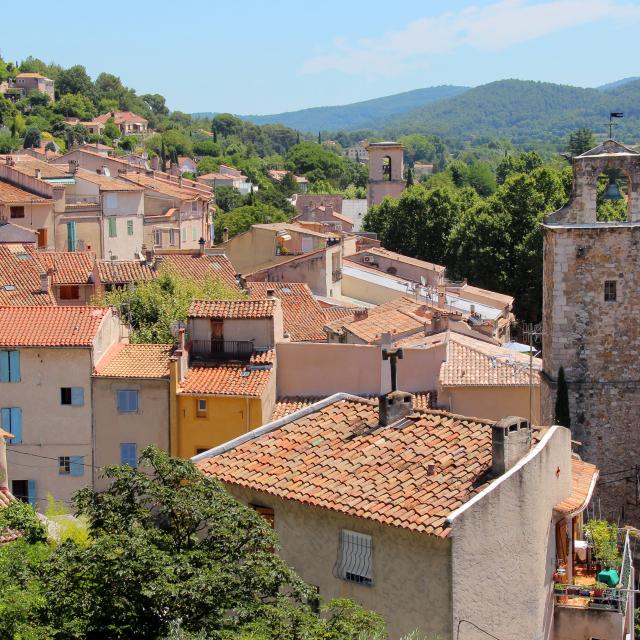
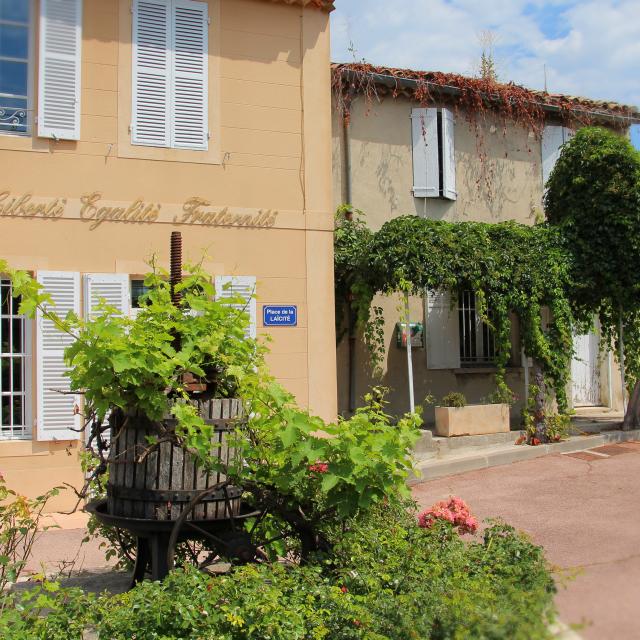
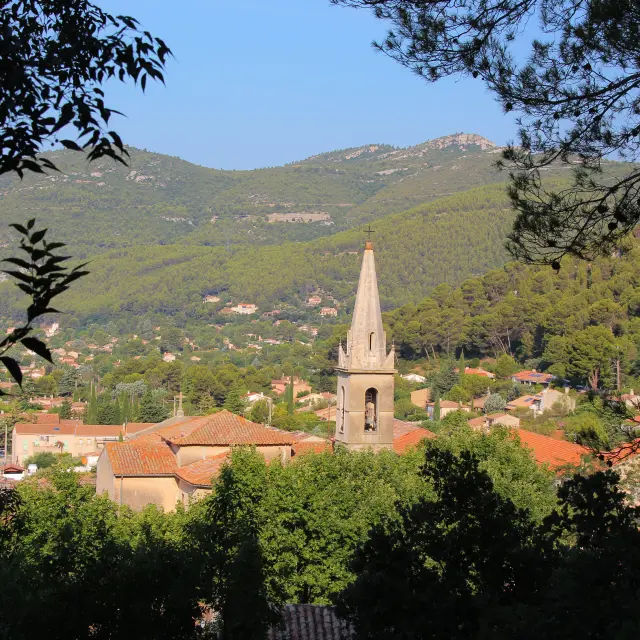
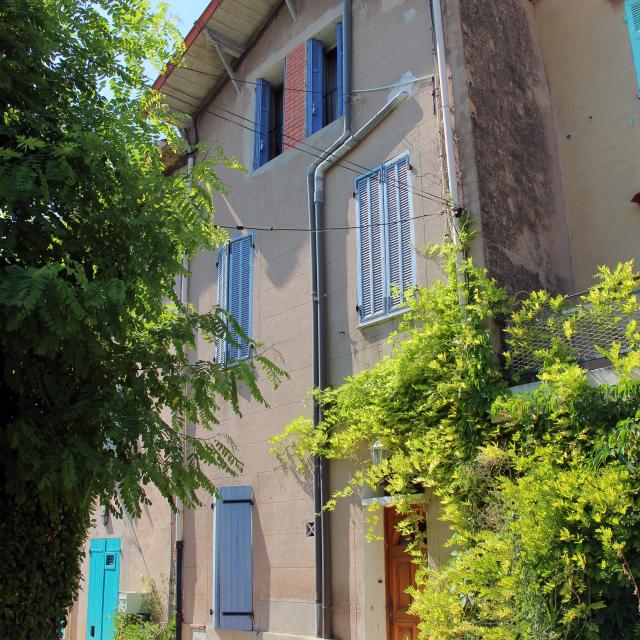
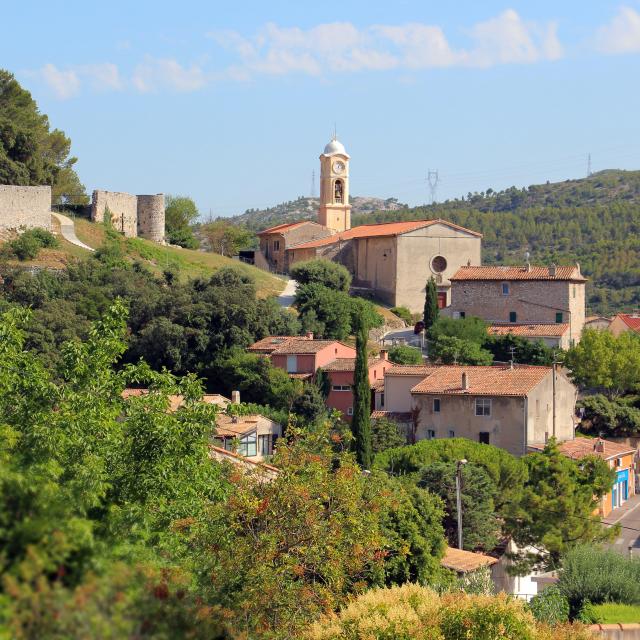
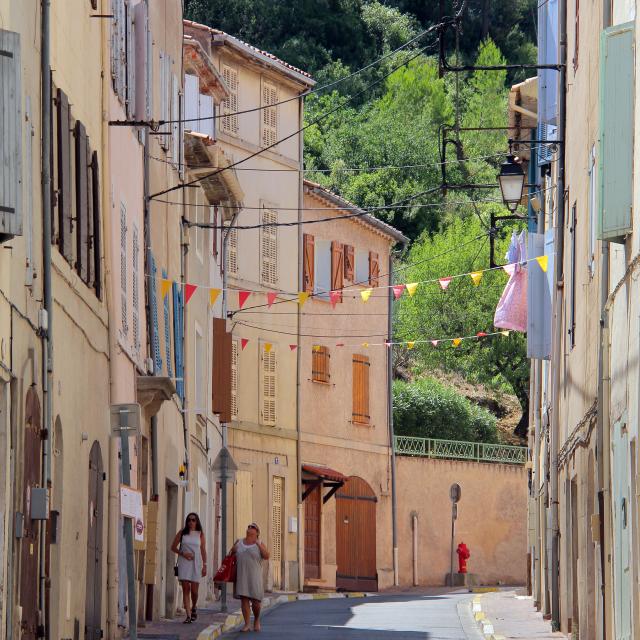
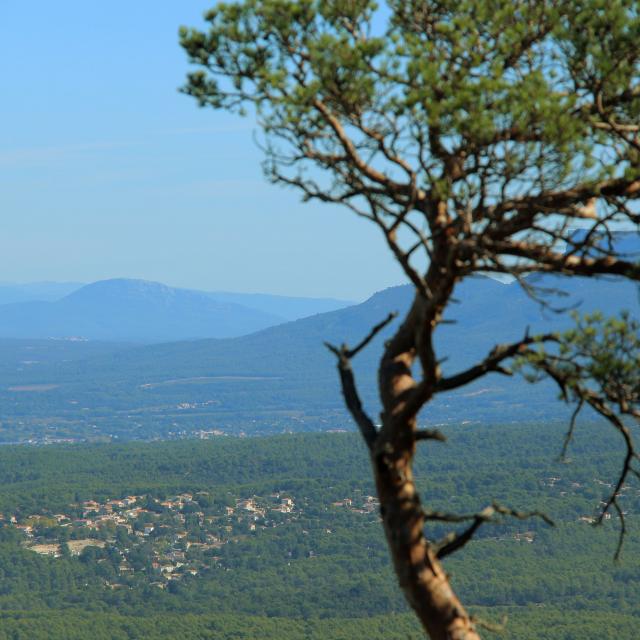
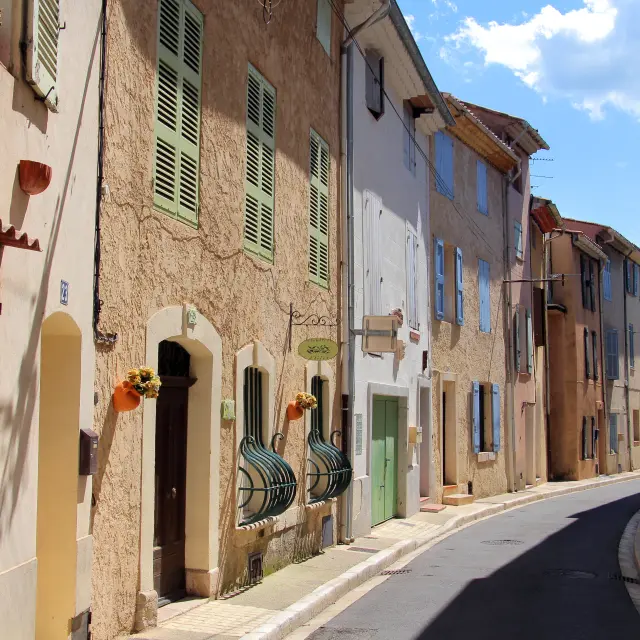
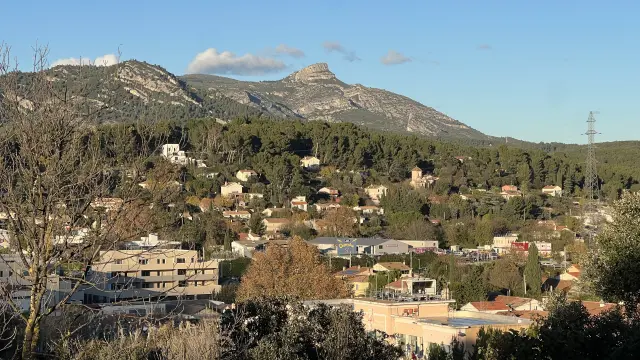
La Penne-sur-Huveaune is a charming commune with an authentic, unspoilt natural setting. Crossed by theHuveaune river, it straddles the border between Marseille and Aubagne. Surrounded by hills, it offers an ideal balance of heritage, nature and a gentle way of life.
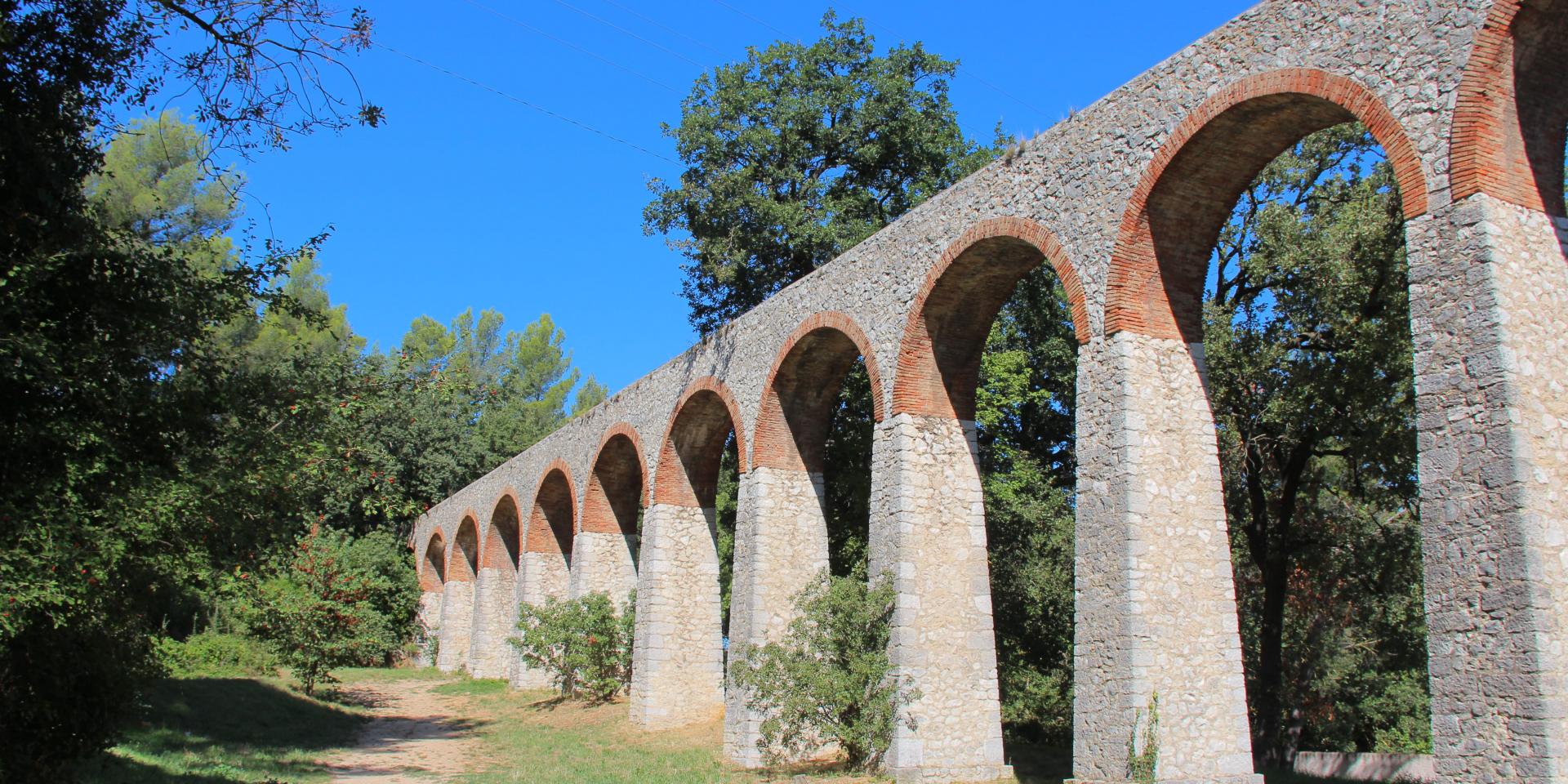
Aqueduc La Penne Sur Huveaune Oti Aubagne
|
LA PENNE SUR HUVEAUNE
La RomaineLa Penne-sur-Huveaune
between history, nature and the Provençal art of livingWhat to do in La Penne-sur-Huveaune?
Walks, hikes and exploring the countryside
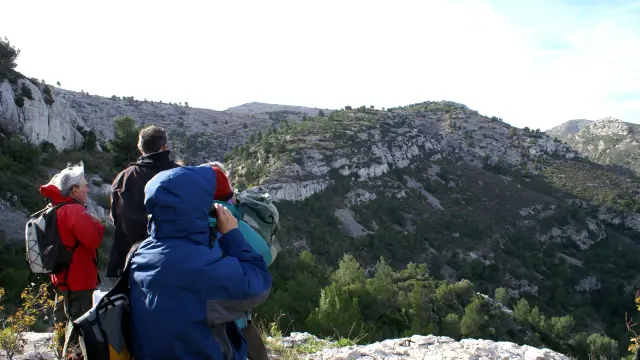
Want to get some fresh air and discover Provence in a different way? La Penne-sur-Huveaune is an ideal destination for walkers and hikers. With its rolling hills, garrigue and landscapes typical of south-east France, the surrounding area offers a wealth of trails to explore on foot.
Starting out from the village, there are a number of places to explore the surrounding countryside, in particular towards Mont Candolle. Along the way, walkers can also observe traces of the area’s agricultural past. These itineraries combine nature walks with learning about the history of the commune. Leaving from La Barasse, one of the best-known walks gives you a bird’s eye view of the Huveaune valley.
Visiting La Penne-sur Huveaune: a natural and historic destination
Thanks to its strategic location on the ancient Roman road (now the RN8), La Penne-sur-Huveaune is an ideal base from which to explore Provence, while enjoying a quieter, more authentic setting. The town also invites you to take a stroll and discover its historic heritage. Along the way, you can admire emblematic sites such as the Pennelus, a unique ancient monument, and theCandolle aqueduct, an impressive 19th-century structure.
KONICA MINOLTA DIGITAL CAMERA
|
La Penne Sur Huveaune Jlo Oti Pays D Aubagne 5
events at la penne-sur-huveaune




What to see in La Penne-sur-Huveaune
The heritage legacy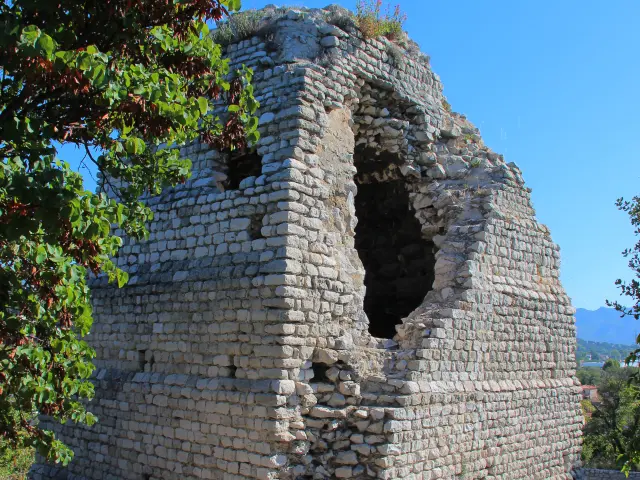
Lapenne Jpvallorani002 1
Lapenne Jpvallorani010 1
Eglise St Laurent La Penne Sur Huveaune Jlo Oti Pays D Aubagne 4
The Pennelus: a unique ancient monument
A true symbol of the commune, the Pennelus (or Pennelle) is a remarkable monument probably dating from the end of the 1st century B.C. This massive structure in the shape of a truncated pyramid now has seven levels (as opposed to the original eight). It is thought to have been a Gallo-Roman mausoleum (funerary monument), as evidenced by the two marble sarcophagi discovered inside. Listed as a historic monument since 1886, its history and function still intrigue visitors.
The Candolle aqueduct, known as “les Arcades
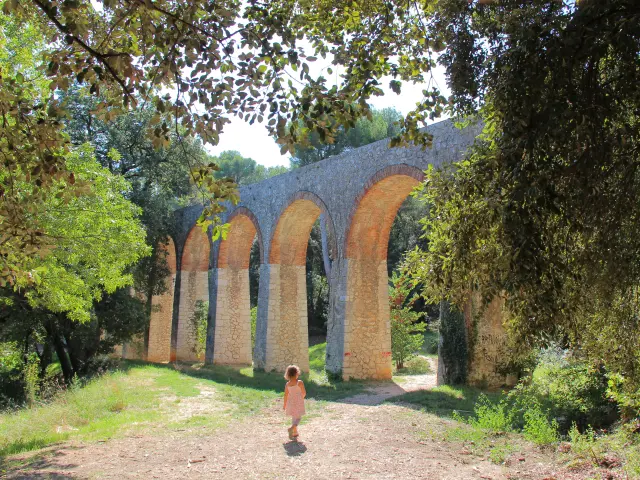
Built in 1866 and opened to water in 1873, theCandolle aqueduct is an impressive stone and brick structure. Comprising 16 arches, it is 122 metres long and up to 12 metres high. One of the arches spans the path leading to Mont Candolle. Water flowed through it until 1986, supplying local farms. Today, it remains a powerful reminder of the commune’s agricultural past.
The Château de la Candolle
Château de la Candolle, built in the 19th century on the remains of an ancient fortified town, is a place steeped in history. Owned by the Candolle family, an ancient Provençal noble family, it has stood the test of time. During the First World War, it was used as a convalescent home under the aegis of the Red Cross, before being occupied by the Germans during the Second World War. The château is now privately owned.
The Mont Candolle milestone
On the higher ground, a stone milestone known as the “montjoie” catches the eye. Erected in 1551 by the aldermen of Marseille, it was one of a series of markers delimiting the territory of the city. Now partly in ruins, this stone “hutch” remains a discreet but precious witness to the past.
The church and its stained glass windows
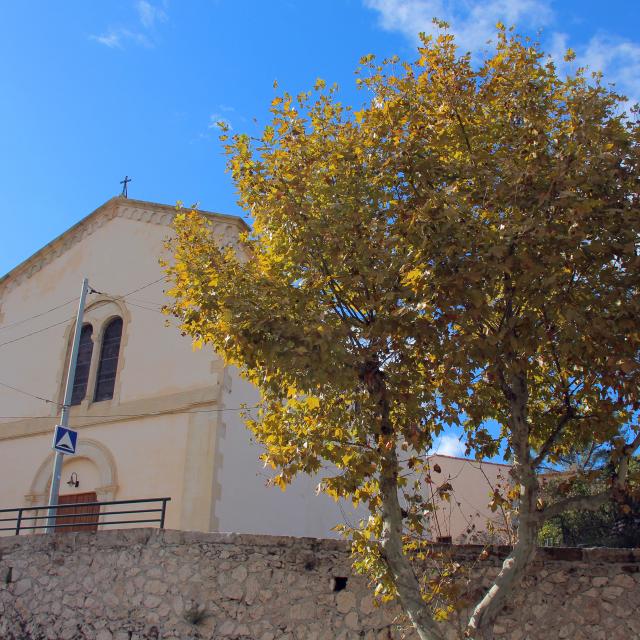
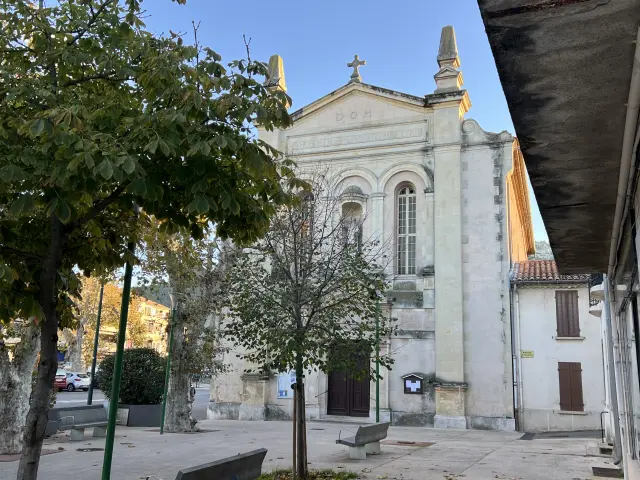
At the heart of La Penne-sur-Huveaune, thechurch bears witness to the religious history and development of the village over the centuries. The first church was consecrated on 6 September 1711 under the name of Notre-Dame du Rosaire. Work on the church as we know it today began a few years later, before it was consecrated in July 1759. Its dimensions – 25 metres long, 12 metres wide and 12 metres high – reflect the importance it took on in local life.
Over time, the building was enriched, with the purchase of the altar and woodwork in 1780, and then evolved again with the inauguration of its current façade on 15 October 1894, adorned with a statue of Saint Laurent. Today, thechurch of La Penne-sur-Huveaune and its stained glass windows are a central part of the local heritage. It embodies the village’s history, traditions and identity, offering visitors a glimpse into the religious past of this Provencal commune.
The history of La Penne-sur-Huveaune
Prior to 1575, the commune did not legally exist, as part of it belonged to the city of Marseille and the other to Aubagne.
Over the centuries, life in La Penne-sur-Huveaune revolved around an essentially agricultural activity. Crops were grown on the hillsides, while the plains were marshy. Above these hillsides lay the garrigue (scrubland), used for lime production thanks to the many small kilns dotted around the area. Daily life in the village was dominated by rural activities.
At the beginning of the 20th century, the village underwent a change with the development of the dairy industry. At that time, there were 13 dairies, most of them run by families of Piedmontese origin, a sign of economic dynamism.
Today, thehistory of La Penne-sur-Huveaune can still be seen in its landscapes, heritage and traditions, offering visitors a chance to immerse themselves in an authentic Provence, a blend of rural memory and ancient heritage.
Lapenne Jpvallorani015 2