The origin of the name Peypin
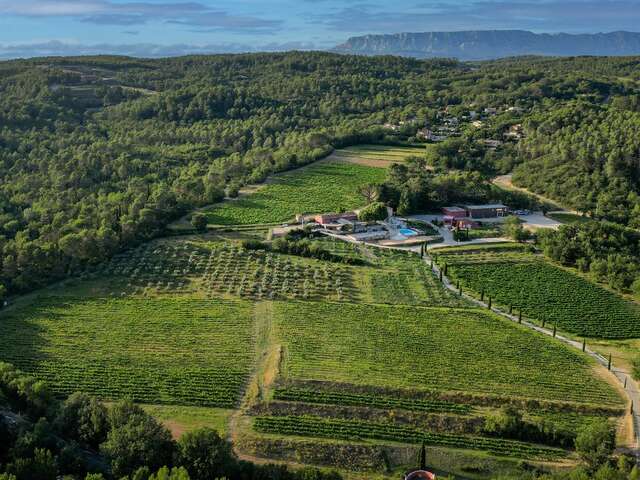
The name Peypin originates from the Provençal “Pey”, meaning hill or promontory, in connection with the terrain surrounding the village. Over the years, the commune has been known by several ancient names, including Castrum de Podio Pino, Pueypin, Podium Pine, Podium Pinum, Peypin, Feypin de Marseillo and Peypin-lez-Auriol.
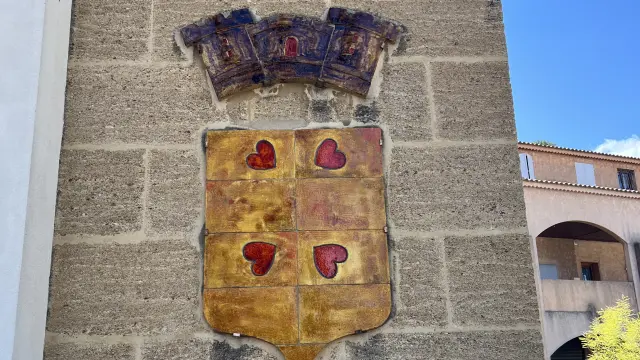
Some interpretations of the coat of arms refer to pear pips, which were interpreted by the 17th-century French genealogist d’Hozier as hearts. However, they do not seem to correspond to any local noble family and their origin remains uncertain.
A village renowned for its heritage and industry
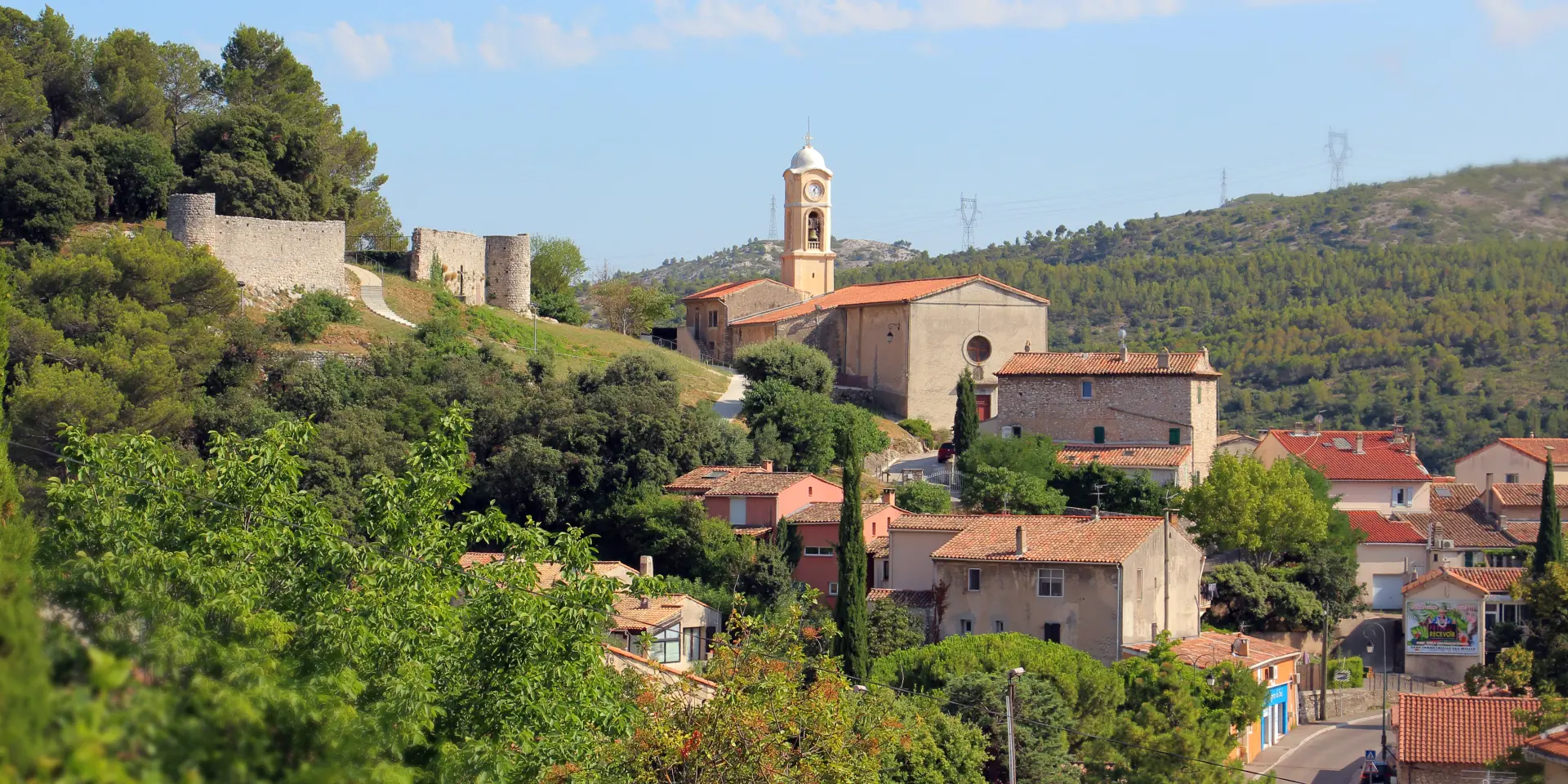
Peypin bears witness to a human presence dating back to the Iron Age. Traces of occupation have been found on the La Cride oppidum, which consists of three enclosures.
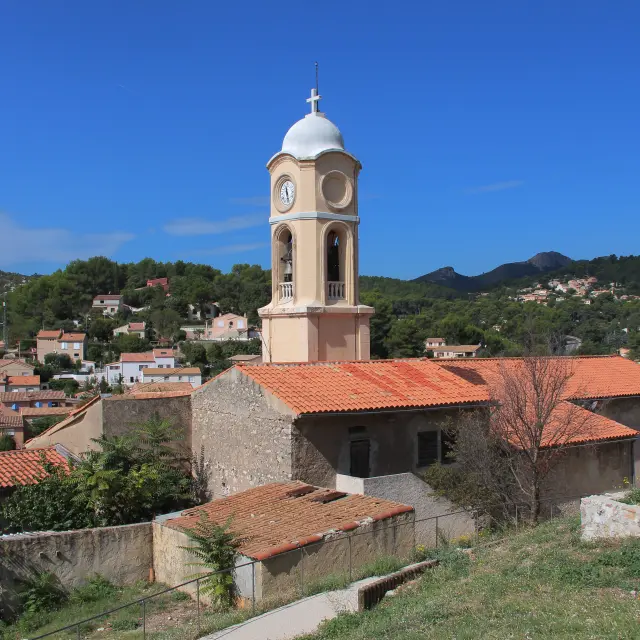
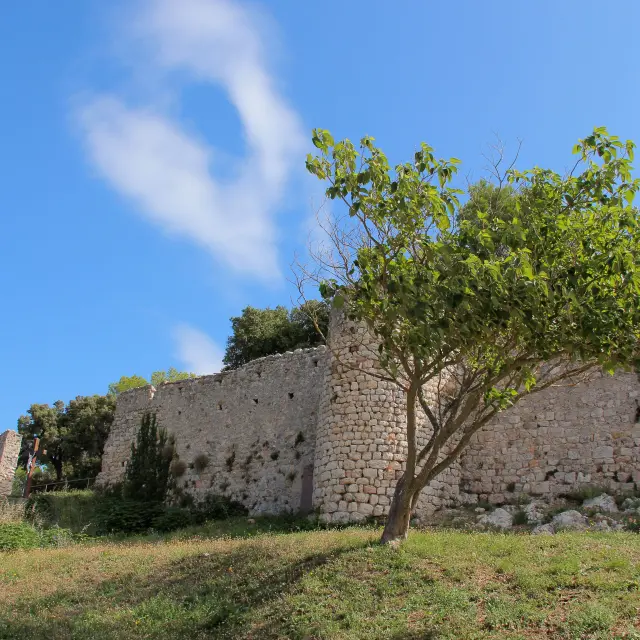
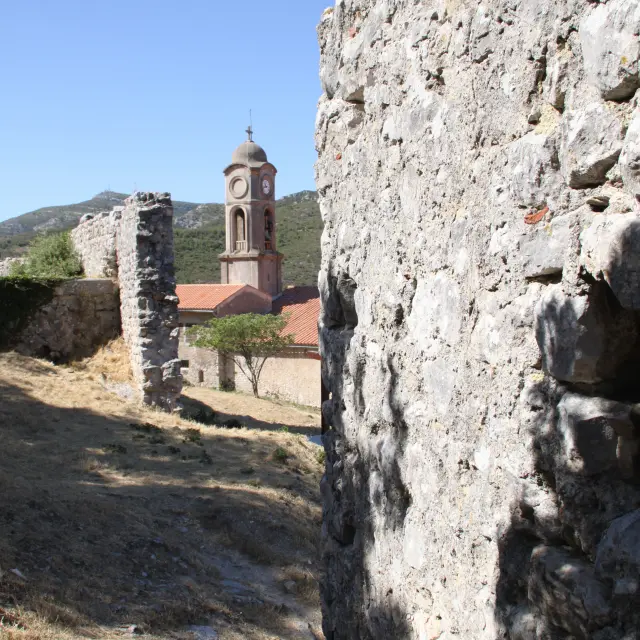
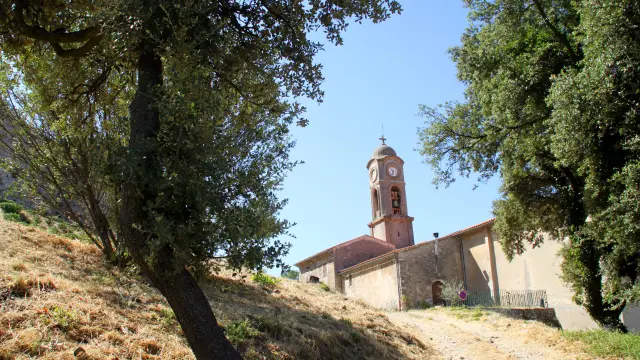
In 1150, Pierre Brémond, Lord of Auriol, had a castle built and became Lord of the area. His descendants, the d’Esparron family, retained these rights until the early 15th century. In 1535, Charles V’s troops pillaged the village, and the castle was finally destroyed in 1593 by the Duke of Épernon. Peypin is a village built around the ruins of the castle. The ruins include the remains of a 4-6 metre vaulted hall (now buried) and two ramparts, one of which was reinforced by five round towers.
The 17th century saw the construction of Valdonne Castle and the discovery of lignite. As a result,industrial activity gradually developed: in 1854, the first cement kiln was exploited, followed in 1860 by the digging of the Armand well, between Les Termes and Auberge Neuve (closed in 1954). In 1870, Peypin lost part of its territory with the creation of the commune of La Destrousse.
By the end of the 19th century, industrial activity was flourishing, with no fewer than 10 cement factories in the commune. In 1910, clay mining began in the Pégouliers district, while the Lafarge plant employed up to 250 workers before closing in 1962.