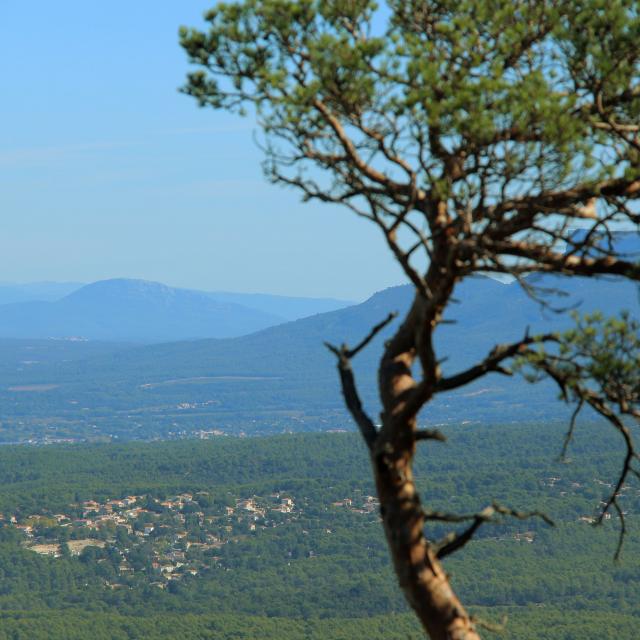
The history of Roquevaire began well before medieval times. Its name, derived from Rocca Vaira – the grey rock in Romanesque – refers directly to the mineral relief that dominates the valley. From ancient times, the site attracted people, attracted by the presence of water and a strategic position between the coast and the hinterland.
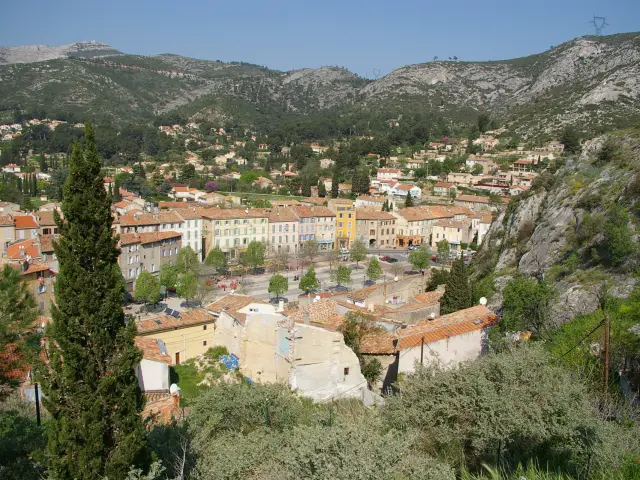
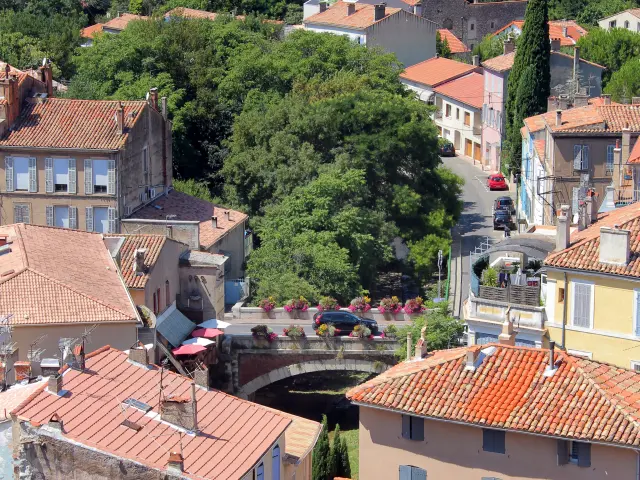
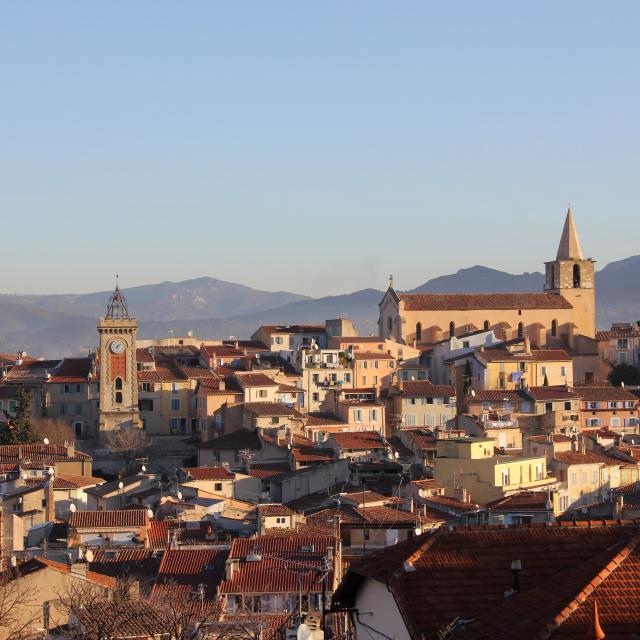
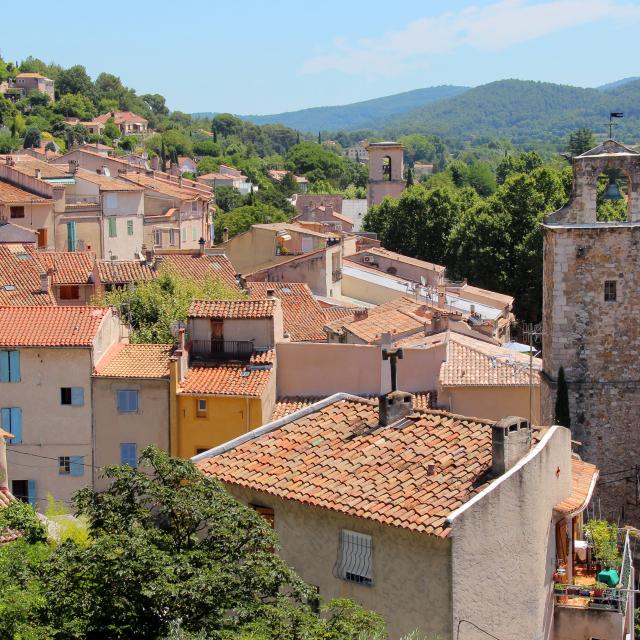
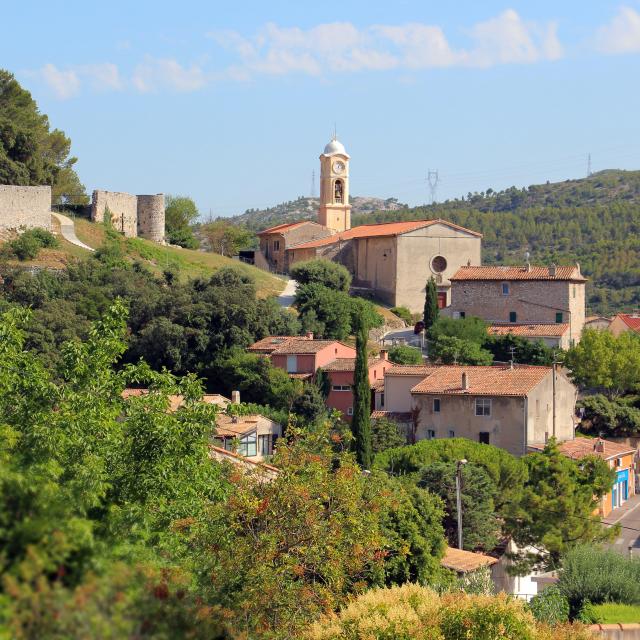
Over the centuries, the village grew up around theHuveaune, the backbone of the area. The coastal river fed the mills, farming and craft industries, playing an active part in the local economic boom. Roquevaire gradually became a prosperous village, organised around its old centre, which can still be seen today. The old village as we know it today overlooks the remains of its medieval castle (12th century), which dominates the Huveaune valley.
The old town and its heritage, the living memory of the village
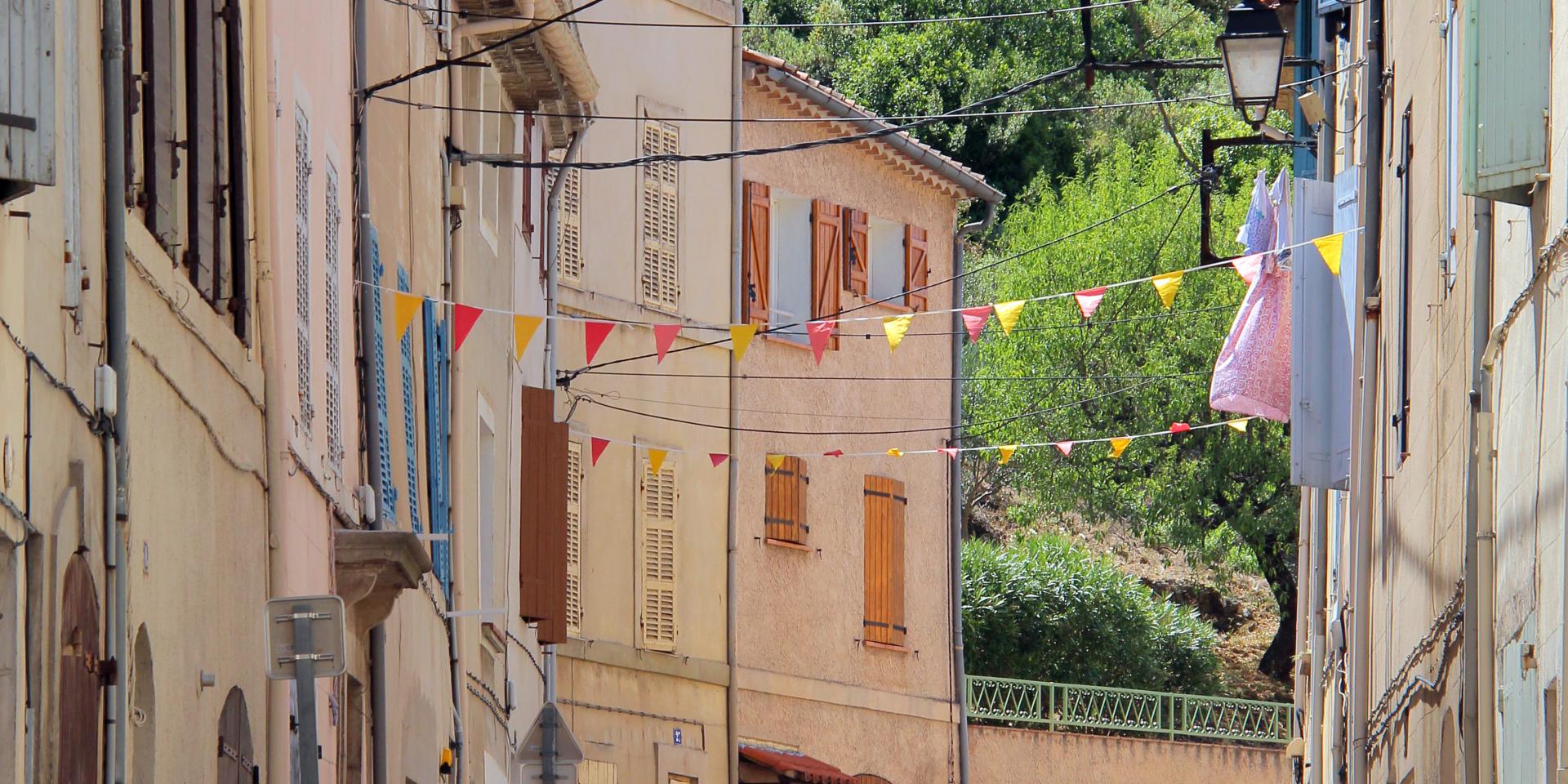
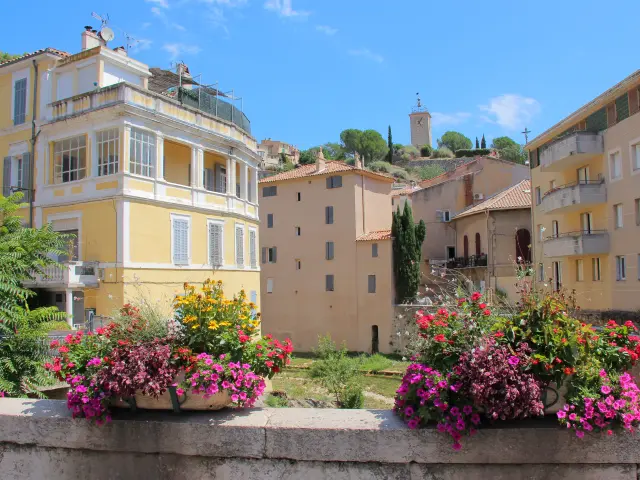
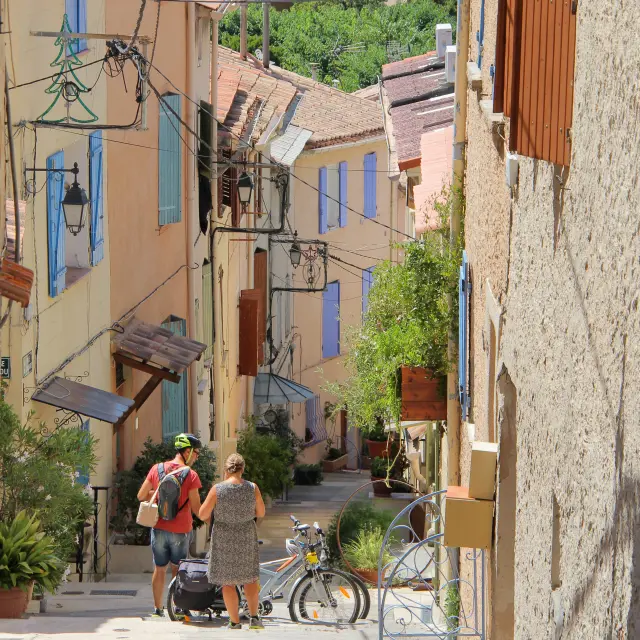
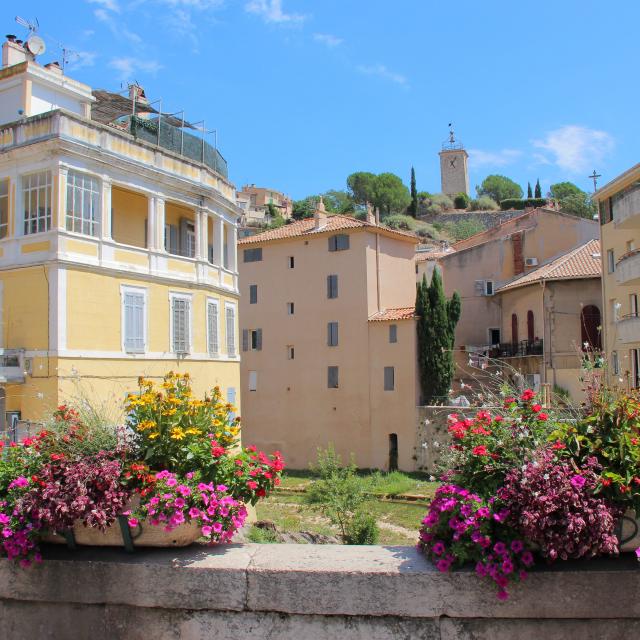
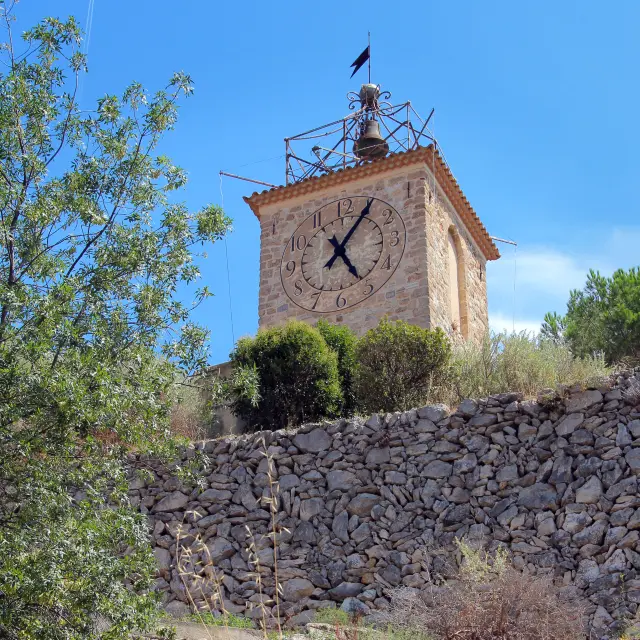
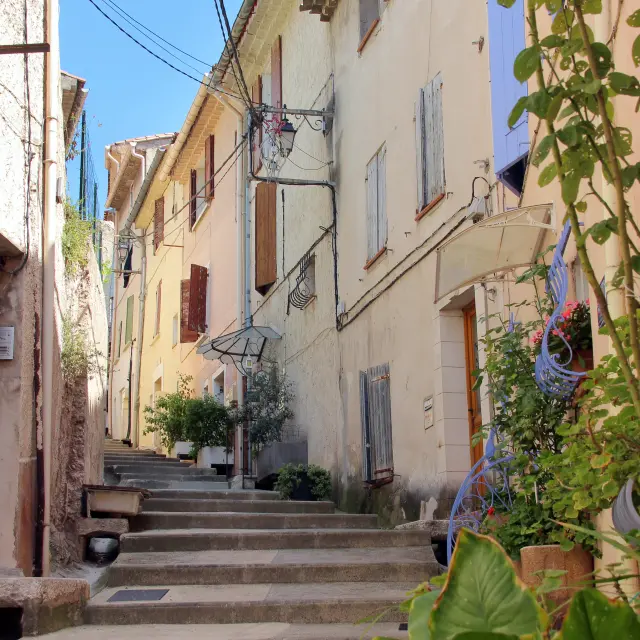
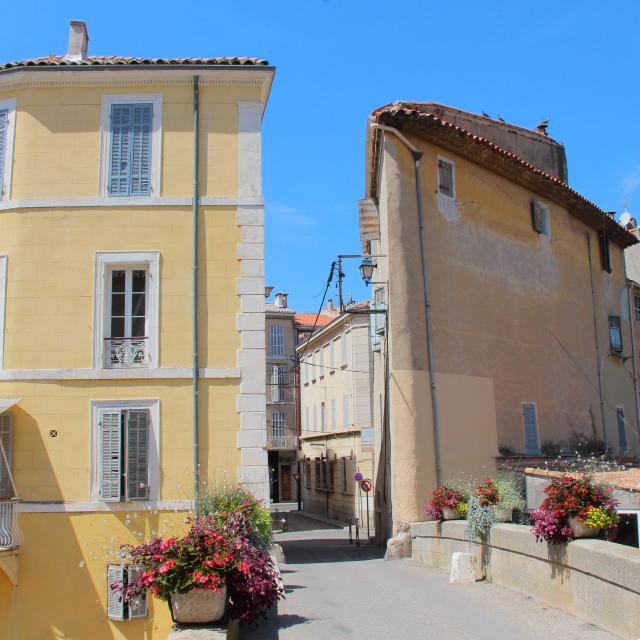
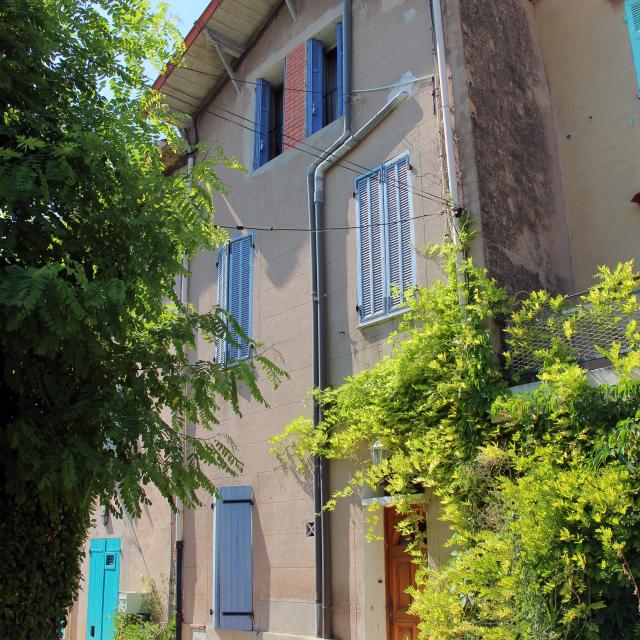
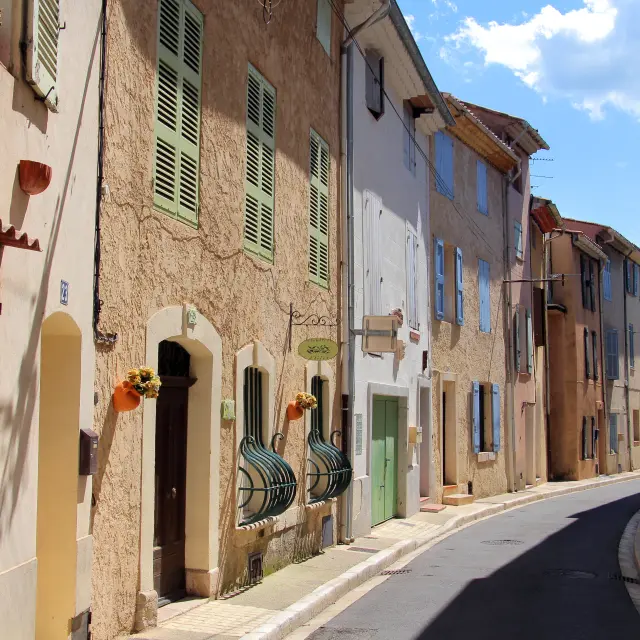
A stroll through Roquevaire’s old town is like stepping back in time. The narrow, winding streets lined with old houses lead naturally to the Tour de l’Horloge, the ancient medieval bell tower that dominates the village. This emblematic monument is a reminder of the ancient layout of the town and offers a remarkable view over the valley.
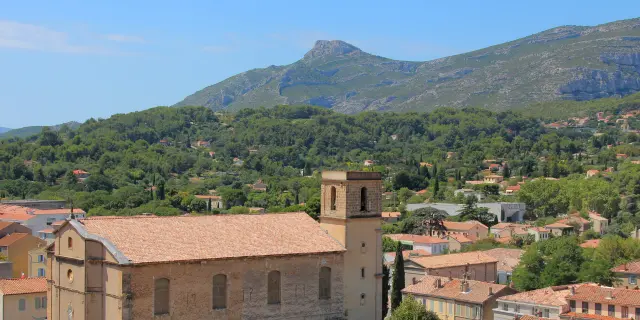
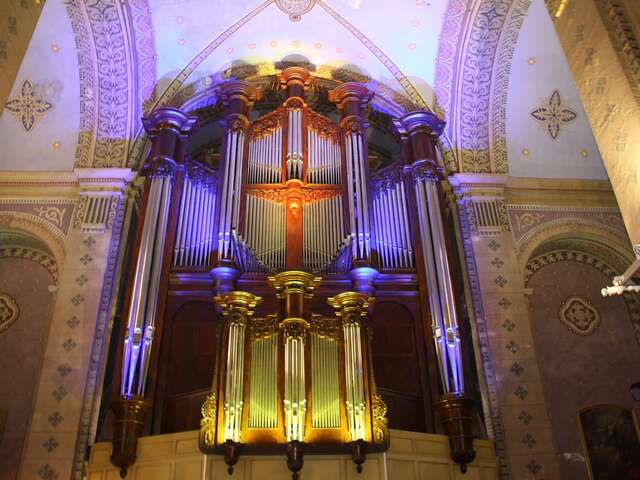
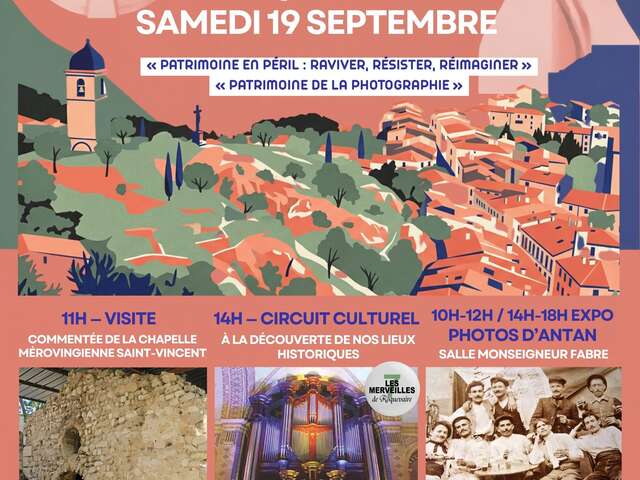
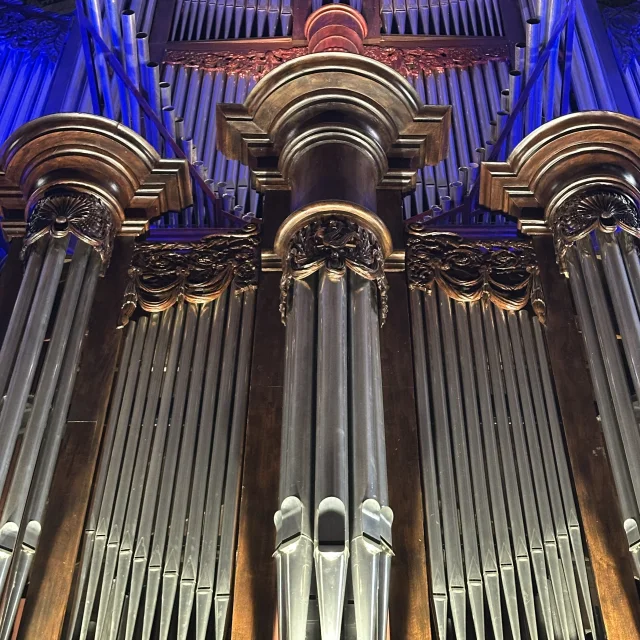
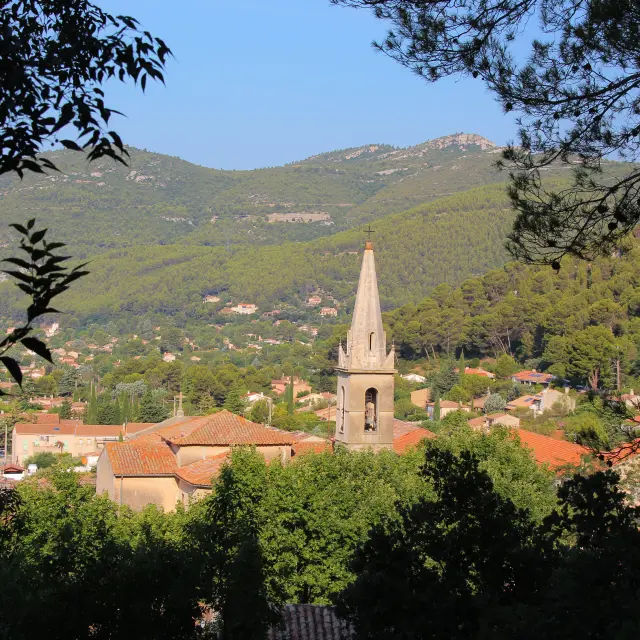
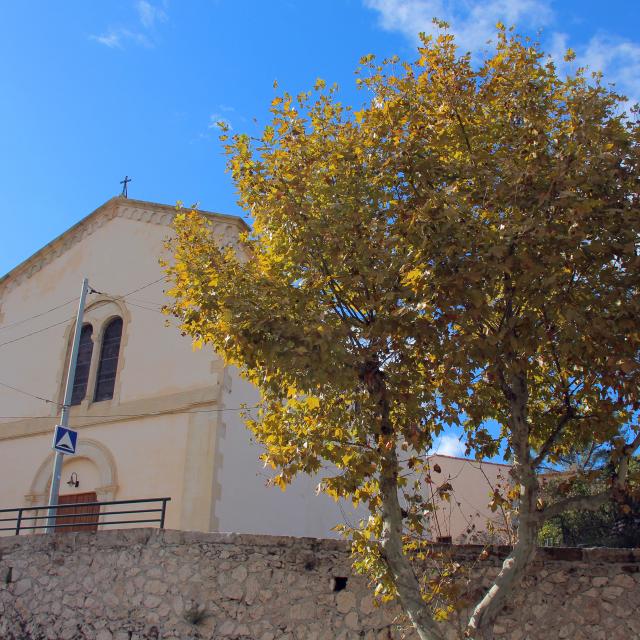
Just a stone’s throw away, the silhouette ofSaint-Vincent church stands out. Built in the 18th century, it is one of the jewels of the local heritage. Its interior houses a rare treasure: a monumental organ, renowned for its exceptional quality and closely linked to the figure of Pierre Cochereau, the famous organist. Pierre Cochereau, who played the Grandes Orgues at Notre Dame de Paris from 1955 to 1984, owned an organ with 70 stops on 5 manuals. Today, one of the manuals belongs to the town and contains some of the 5,000 pipes from the church of Roquevaire. Renowned as one of the finest instruments in the world, the organ attracts musicians and music lovers to concerts and festivals.
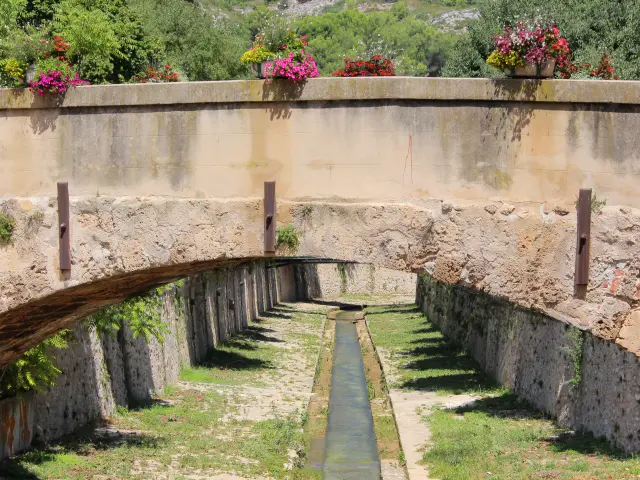
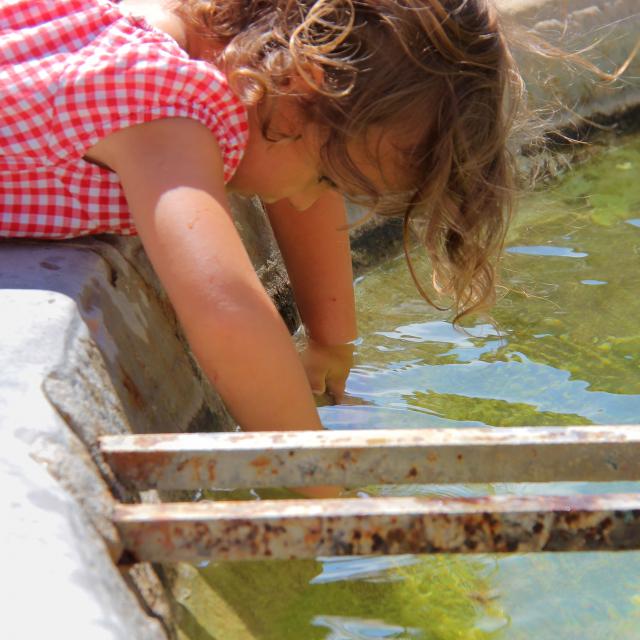
Not far from the Huveaune, the Musée René Verrier is a place steeped in history. Formerly used as a stage prison between 1750 and 1850, it now exhibits objects and tools of daily life collected over the years. A Gallo-Roman sarcophagus and statue are also on display. Still on the banks of the river, you’ll find the Ste Anne wash-houses: before drinking water was available in homes, wash-houses played an important role in improving hygiene. Now restored, they tell the story of the 19th century.