©

Collines Ciel Saint Savournin Oti Aubagne

|

JPVallorani

SAINT SAVOURNIN

La Minière

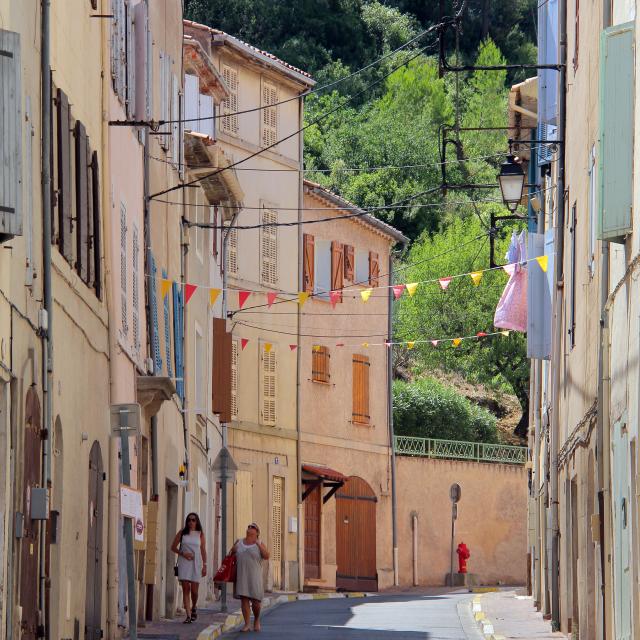
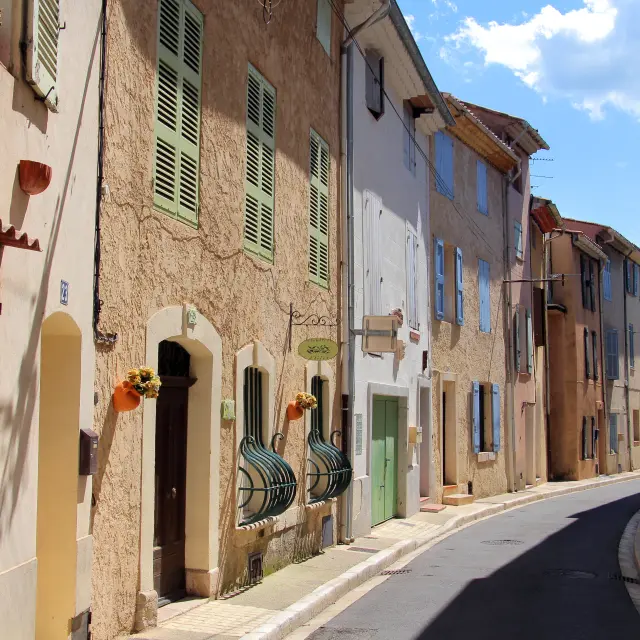
Discover Saint-Savournin, a Provencal village in the heart of the Pays d’Aubagne: outdoor activities, hiking, trail running, cycling, historical heritage and mining past. Treat yourself to a nature break between Marseille and Aix-en-Provence.

Visit Saint-Savournin

activities, hiking and nature breaks

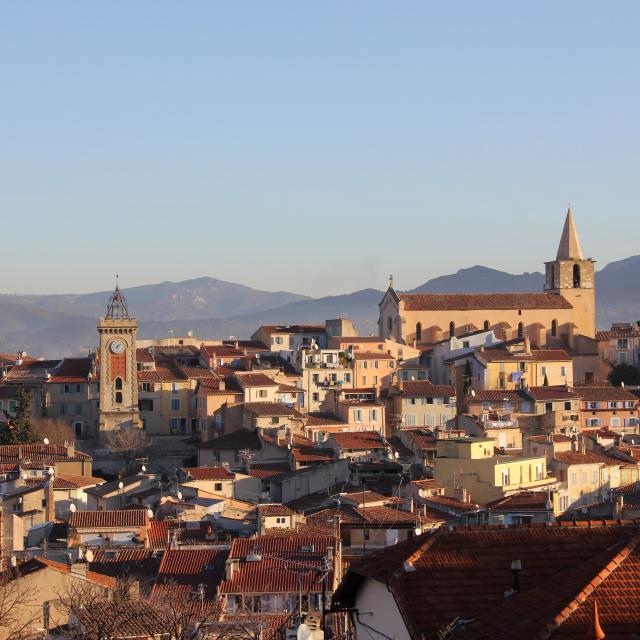
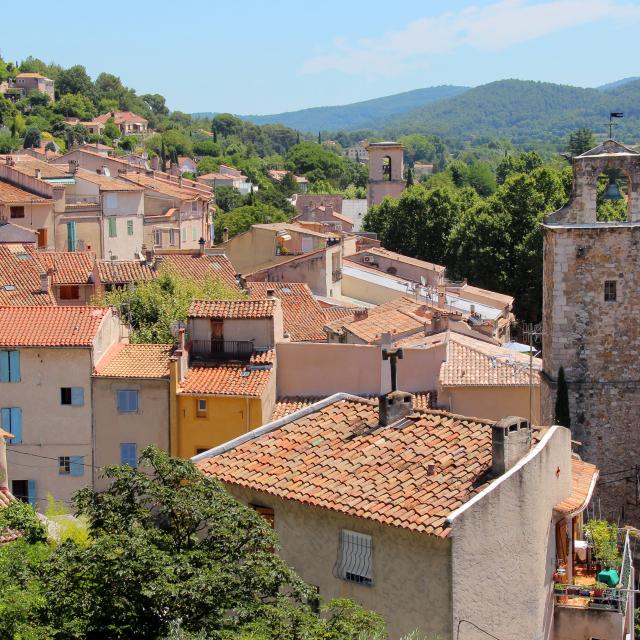
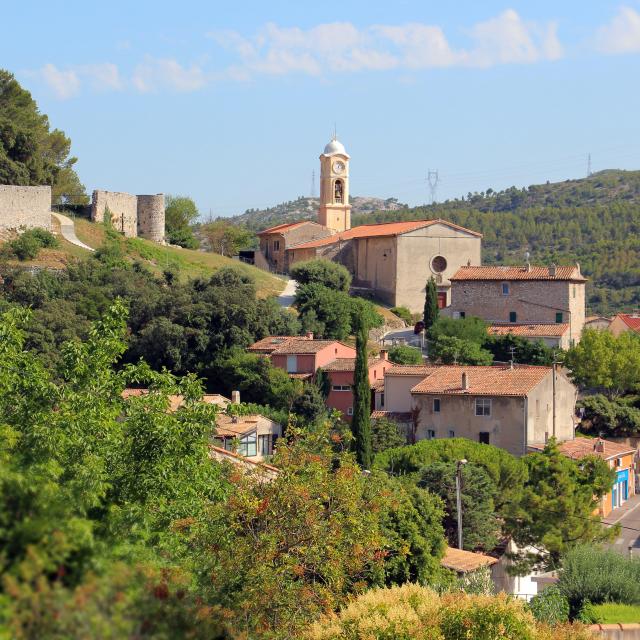
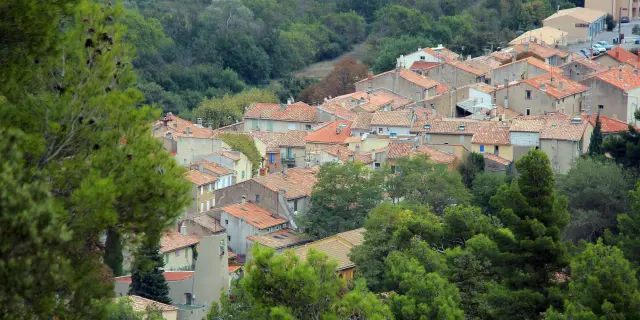
Nestling in the heart of the Étoile mountain range, Saint-Savournin has an appealing, unspoilt natural setting and a friendly atmosphere. With its outdoor activities, its heritage marked by its mining past and its panoramic landscapes, the village is a great way to get away from it all in Provence. You’ll also discover local life, friendly restaurants and Provençal accommodation, ideal for making the most of a stay in the Pays d’Aubagne.

Outdoor activities

in Saint-Savournin

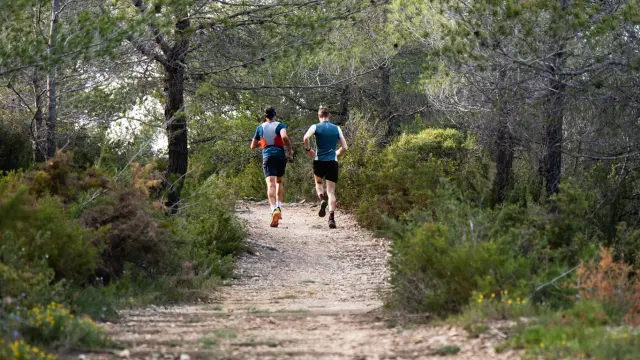
Trail in Saint-Savournin: challenging courses in the heart of the Étoile massif

Saint-Savournin is a prime destination for trail runners in Provence, thanks to its varied terrain and unspoilt landscapes. The routes criss-cross the slopes of the Étoile massif, offering fast-paced routes with a succession of steep climbs and technical descents. There’s no respite here: the undulating terrain tests your endurance and gives you a real sense of freedom.

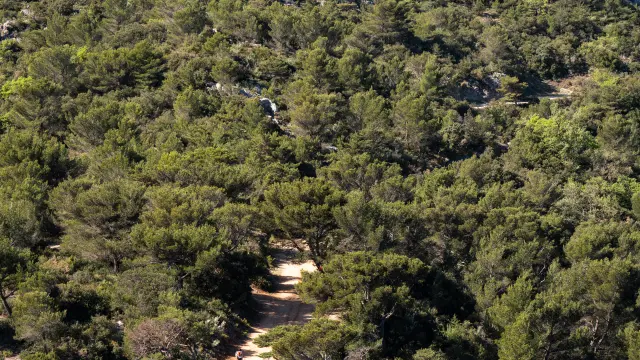
Running at Saint-Savournin also means running in the heart of a typically Provençal environment. The trails wind through fragrant garrigue, shady undergrowth and superb panoramic views. Every outing becomes an immersive experience, combining sport and discovery of the region.

Nordic walking: a gentle immersion in the Provençal countryside

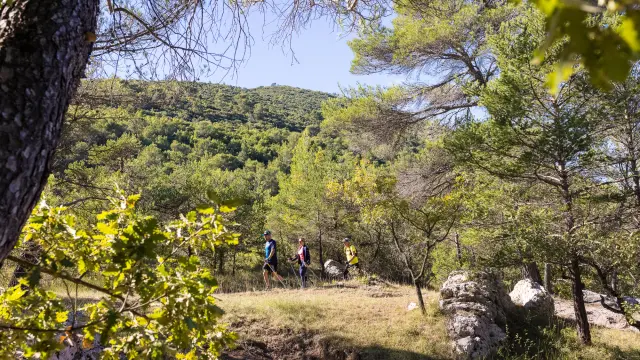
For a more accessible but just as immersive activity, Nordic walking around Saint-Savournin is a great way to take the time to explore Provence. The Bau Trauqua trail is a 10km loop with a moderate gradient, ideal for this easy activity.

Along the way, you’ll enjoy superb views of Sainte-Victoire, Marseille and the Massif de l’Etoile. The environment alternates between forest paths and open spaces, making for a pleasant and rejuvenating ride.

Road biking: Provence villages and varied landscapes

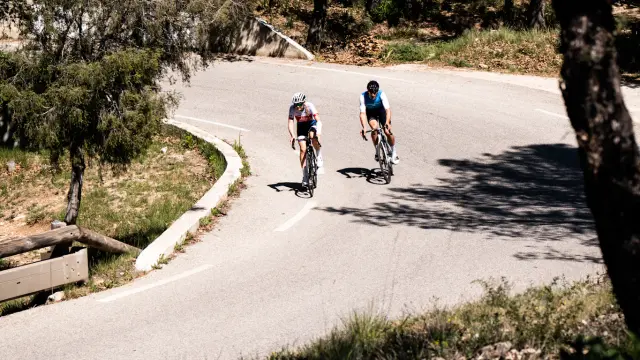
Road bike enthusiasts will love a route starting from Saint-Savournin called “Village de Provence“, which offers a varied route with no major difficulties. Along the way, cyclists will discover authentic and changing landscapes, with gradual climbs. The route combines sporting effort with visual pleasure, with panoramic views of the surrounding hills. Cycling in Saint-Savournin is also an opportunity to discover the area at your own pace, exploring the surrounding villages.

A natural heritage and panoramic views to discover

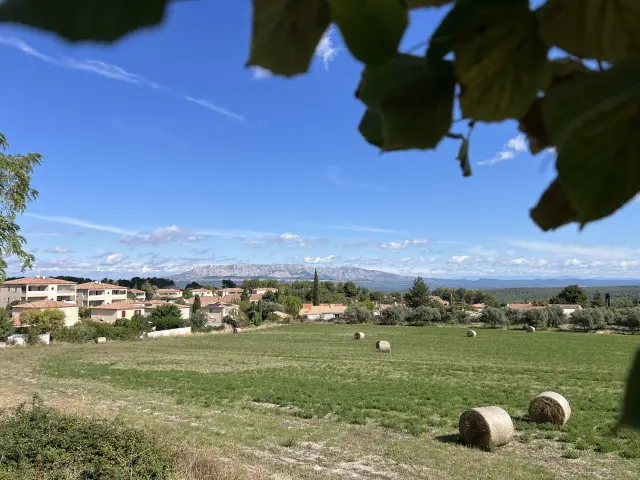
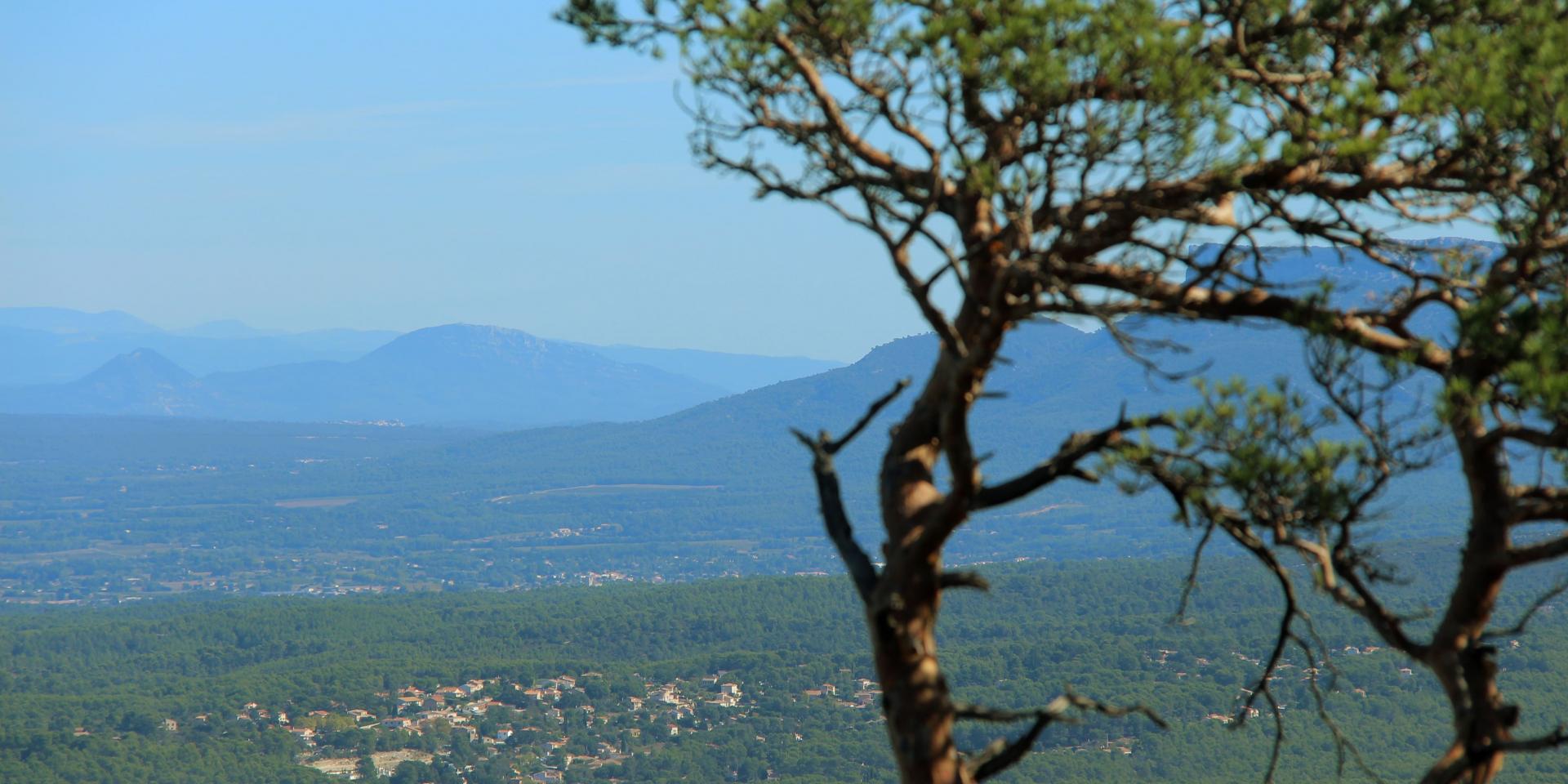
Saint-Savournin has preserved the traces of its past while offering a remarkable natural setting. The ruins of the Castellas are a reminder of its ancient history, while the surrounding hills are an invitation to explore. Numerous footpaths provide access to exceptional viewpoints, including the Tête du Grand Puech and the Col Saint-Anne. On a clear day, the panoramic views extend as far as Marseille, Sainte-Victoire, Sainte-Baume and even the Etang de Berre.

Between heritage and nature, Saint-Savournin reveals a rich history that can be discovered both by strolling through the village and exploring its landscapes.

events in saint-savournin

In Saint-Savournin, conviviality is also a feature of the events that punctuate the seasons. The village offers festive, cultural and traditional events that bring residents and visitors together in a warm atmosphere. Village festivals and heritage events bring local life to life.

History of Saint-Savournin

a village of traditions and heritage

The origin of the name Saint-Savournin

The name Saint-Savournin originates from its first church, once called Sanctus Saturninus. It is said to have been built on the ruins of an ancient temple dedicated to the god Saturn. Over time, the name evolved into what we know today, particularly after theOrdinance of Villers-Cotterêts in 1539, which imposed the use of French in official documents.

The village’s coat of arms also reflects its identity: it features a tree, the symbol of a densely wooded area, accompanied by two letters “S”, a reminder of its name.

From ancient traces to a medieval village

Saint-Savournin has been occupied for a very long time. Traces of Neolithic dwellings have been discovered around the Castellas, while a number of Gallo-Roman remains bear witness to an ancient presence: tombs, the remains of a Roman cemetery and even a Roman road linking Auriol to Gardanne, passing through the village.

In the Middle Ages, Saint-Savournin was a small farming village known as Castellum Sancti Saturnini. Life there revolved mainly around livestock farming (goats and sheep) and cultivation, particularly of olive trees.

Over the centuries, the commune changed owners several times, before being marked by important families such as the de Villiers family and Countess Jacops d’Aigremont, who contributed to its development.

A mining past at the heart of local history

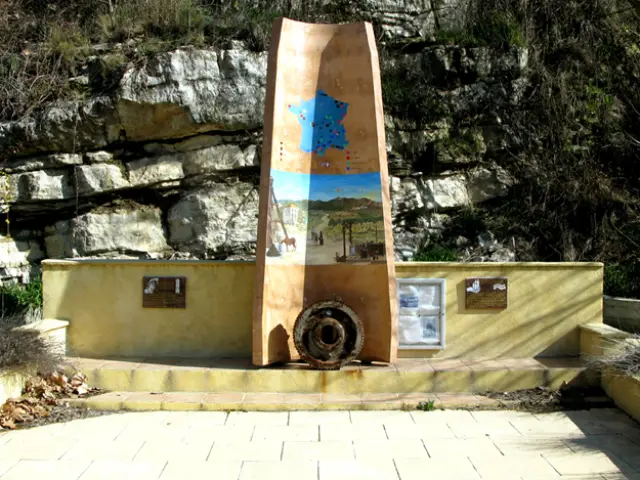
Saint-Savournin is part of the Provence coalfield, an area wherecoal has been mined for several centuries. The first quarries and mines appeared in the 16th century, but it was not until the 19th century that lignite was really exploited to supply local industries such as tile works, cement works, soap factories and refineries.

Lignite mining expanded rapidly in the 19th and early 20th centuries, with the creation of a large number of wells, some several hundred metres deep. The largest of these was the 600-metre Germain shaft, opened in 1927 and closed in 1961.

The coal was first transported by mule to Marseille, before thearrival of the train in the 19th century, which facilitated its transport. This activity had a profound impact on the landscape and history of Saint-Savournin, until the mines were gradually closed down in the 20th century.
Did you know?

Saint-Savournin has an astonishing anecdote: since the year 768, the village has seen no fewer than four churches and three castles.

The 4 churches

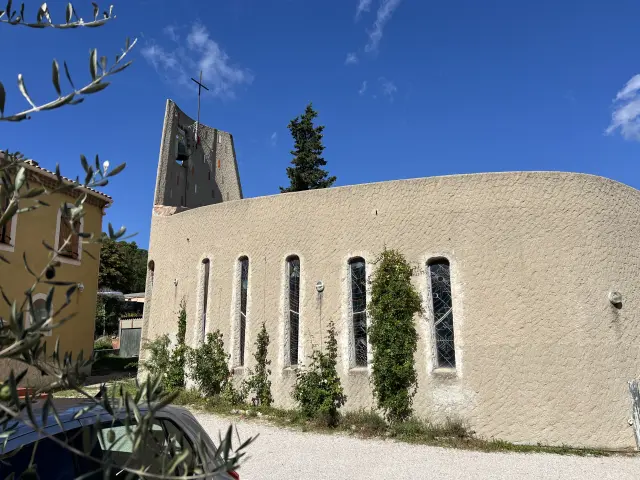
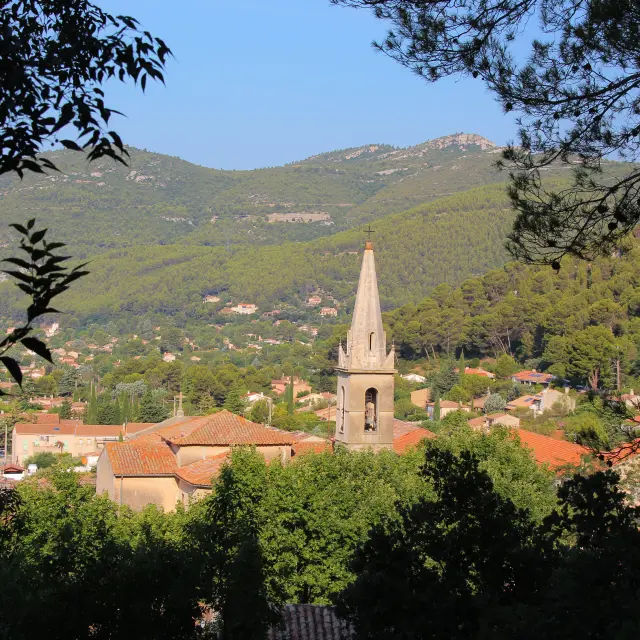
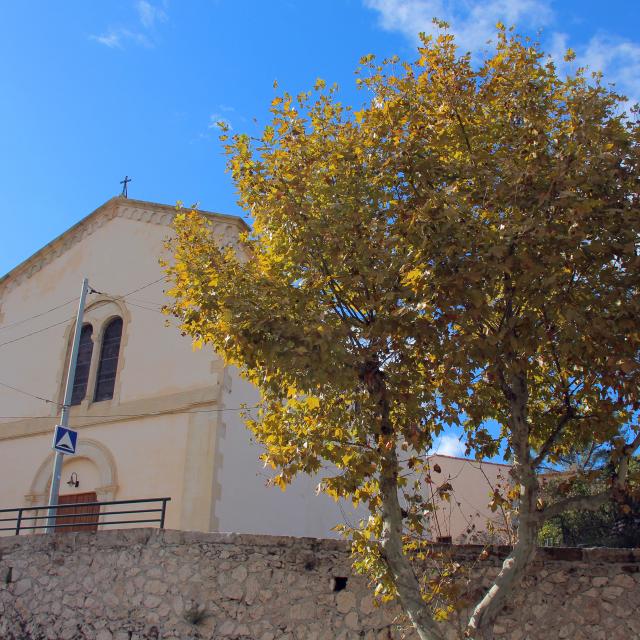
It all began with the first church, built very early on, on the site of the present-day post office. Over the centuries, there was a succession of religious buildings. A second church was rebuilt in the 17th century on thesite of the first, before being replaced in the 19th century by a new building 200 metres further on. This third church, marked by its history and layout, suffered a great deal of damage, particularly from mining work and bad weather, until it became too fragile. Faced with these difficulties, a fourth church was finally built in 1961, in a more contemporary style. Today, it symbolises the revival of the village, while remaining faithful to its past.

The 3 castles

This history is also reflected in the castles that have left their mark on the Saint-Savournin landscape. The oldest, whose remains can still be seen today, is the Castellas, built between 1045 and 1138 on the heights of the village. After its demise, a second castle was built in the early 17th century, although little is known about it. Finally, a third castle was built in the 17th century. Located at the western entrance to Saint-Savournin, it was distinguished by its architecture, with four towers surrounding an inner courtyard.

This succession of buildings is a perfect illustration of the evolution of Saint-Savournin, between ancient heritage and adaptation over time.

Where to eat in Saint-Savournin

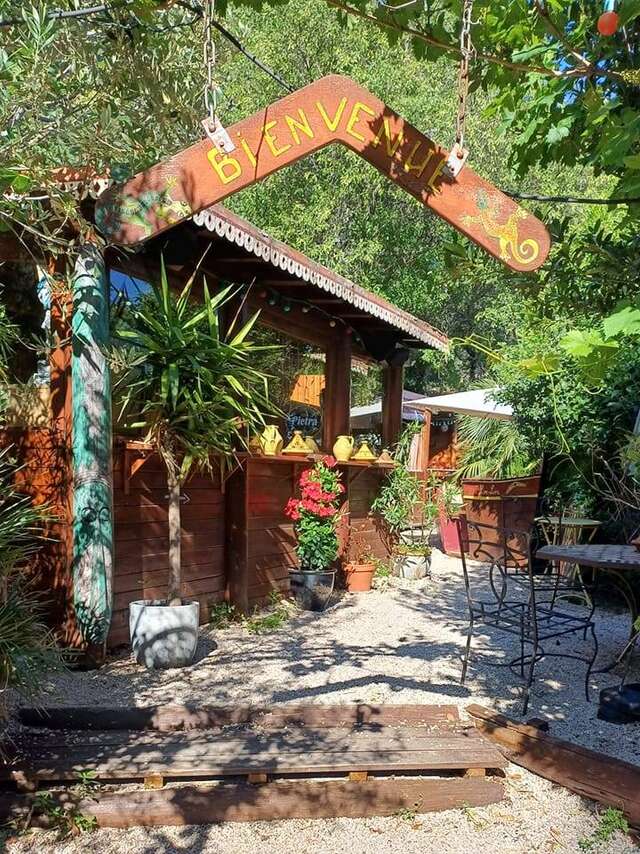
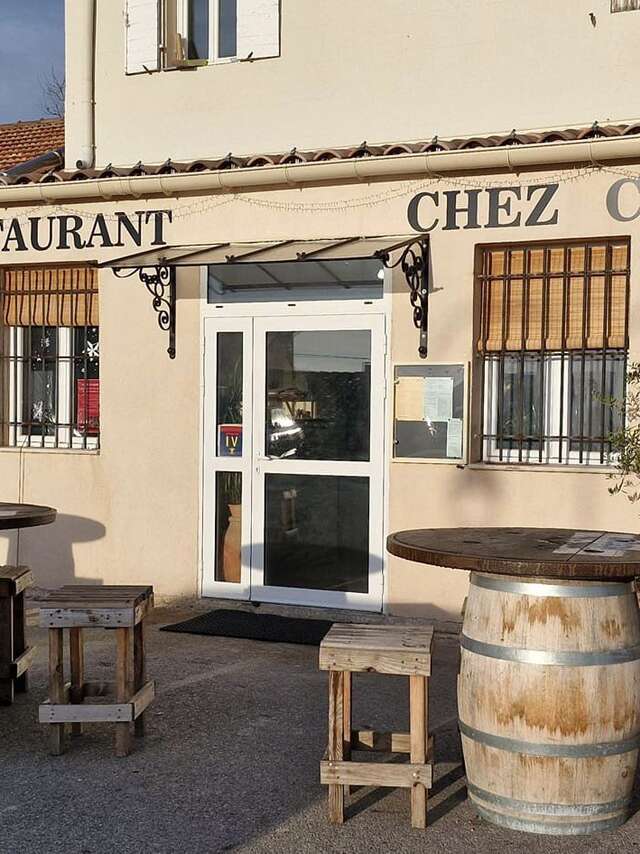
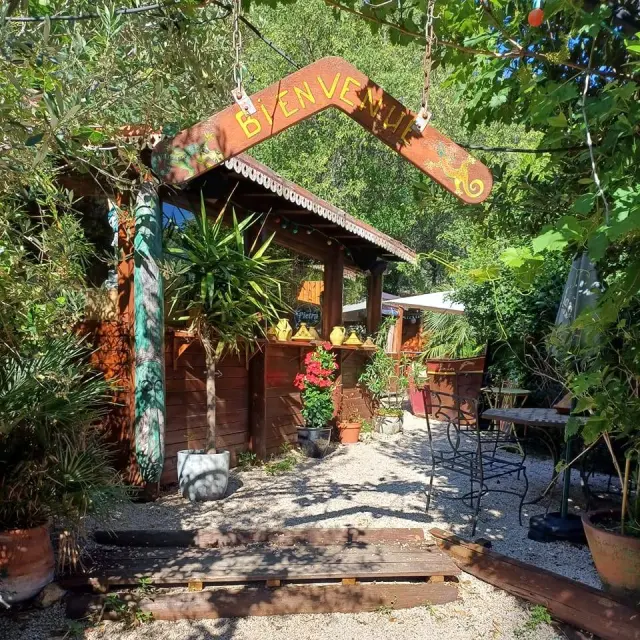
Saint-Savournin has a number of friendly restaurants where you can enjoy a wide variety of cuisine. The Au Goût du Monde (Azad) restaurant invites you on a culinary voyage with Armenian, Lebanese and Asian specialities. Chez Claudélina offers Italian and Provençal cuisine, prepared with fresh ingredients. Last but not least, Le Boomerang offers world cuisine made with fresh ingredients. It also often organises live music so you can enjoy a good meal in a jovial atmosphere.

Where to stay in Saint-Savournin

Peaceful accommodation in Provence

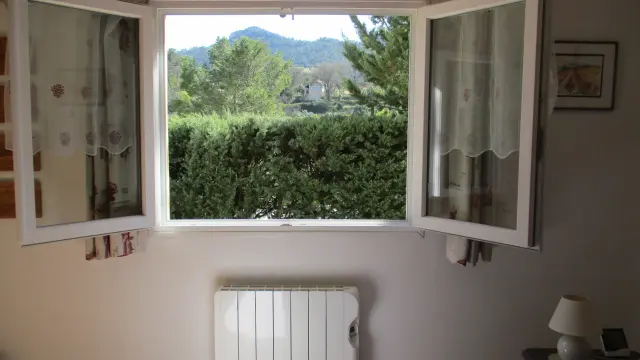
In Saint-Savournin, a room in a detached Provencal-style house awaits you at 552, with its terrace, swimming pool and boules pitch. This bed and breakfast, nestling at the foot of the Étoile massif, welcomes you to a peaceful setting surrounded by pine trees. Early in the morning, savour your breakfast as the surrounding countryside invites you to relax. Ideal for a weekend getaway, this rental will let you make the most of the fine days in the Pays d’Aubagne.

Discover also

towns and villages in Pays d'Aubagne