Starting from the house where Marcel Pagnol was born, a signposted walking route takes you through the streets of Aubagne’s historic centre, exploring the heritage and history of this thousand-year-old town.

Panorama Ville Eglise Tour De L'horloge Aubagne Oti Aubagne
|
Starting from the house where Marcel Pagnol was born, a signposted walking route takes you through the streets of Aubagne’s historic centre, exploring the heritage and history of this thousand-year-old town.
The 14th century was a century of building. The year 1300 marked Aubagne’s administrative autonomy. Its lord, Bertrand II des Baux, finally decided to grant the community certain franchises that it had been demanding in vain for a long time.
This emancipation was common to many villages in Provence, which was relatively prosperous in the early 14th century. Unfortunately, civil wars and plague epidemics brought this economic boom to an abrupt halt. The death of Count Robert d’Anjou in 1343 plunged Provence into a serious political crisis linked to his succession. The setbacks of Queen Jeanne of Naples, who was unable to firmly establish her throne, led the towns of Provence into civil war: Aubagne did not escape this sad fate.
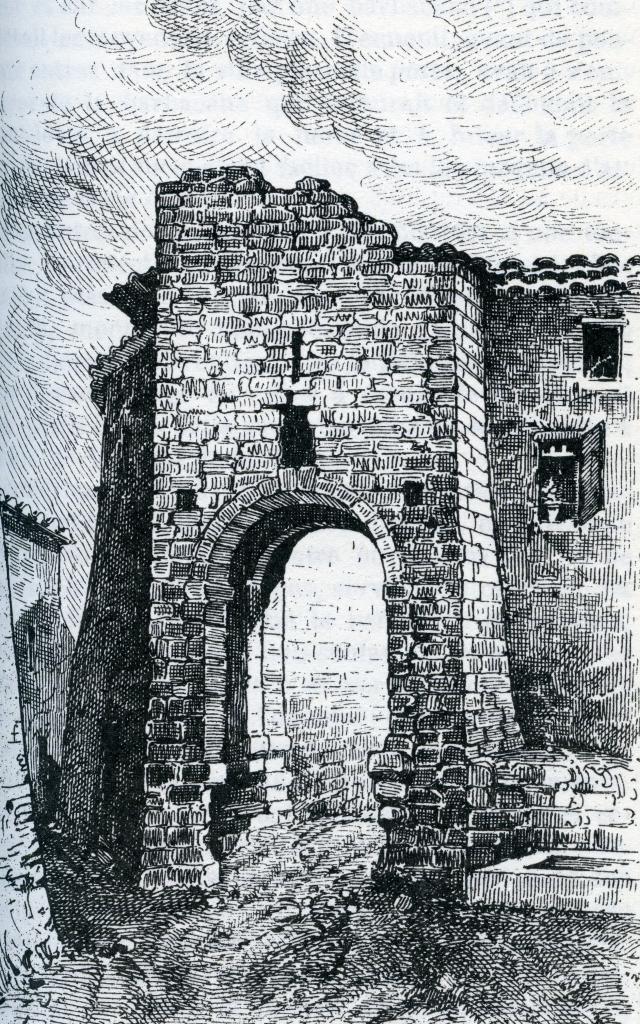
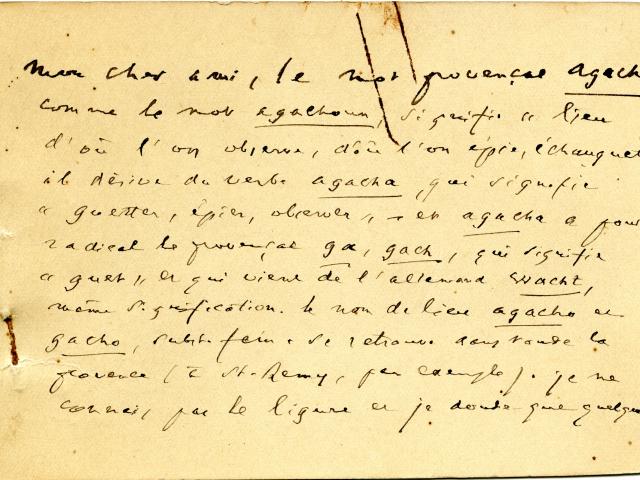
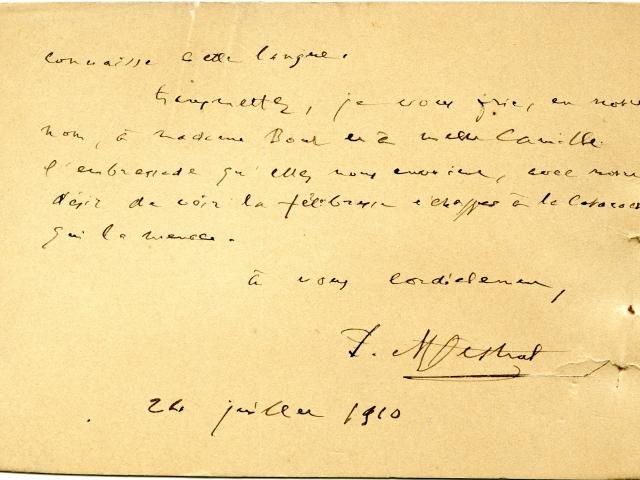
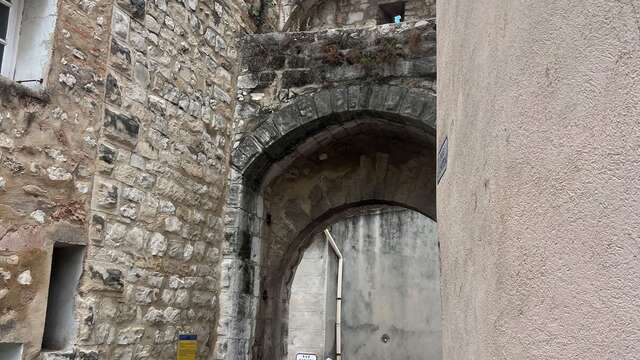
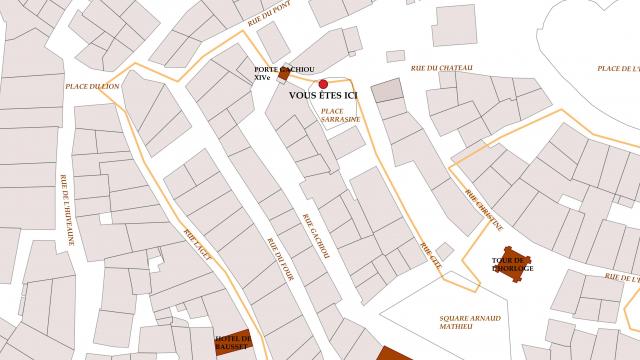
The town came under heavy attack in 1357. As a victim of the war between its lord Raymond II des Baux and Queen Jeanne, the town was pillaged and its castle burnt down, before being returned to Raymond II by the Queen in 1363. From then on, he began rebuilding the fortifications. The most important vestige of this is the Porte Gachiou (from the Provençal“agacho“, a place from which to observe). Also known as the Porte Royale, it is the main entrance to the town, along with the Porte Saint-Michel. A drawbridge is used to cross the moat surrounding the ramparts. The portcullis protecting the gate is called a Saracen, as the name of this small square suggests.
The fortifications were completed around 1374. Between the Porte Saint-Michel and the Porte Gachiou, the ramparts pass through the Rue de la Tour below the château, then continue along the Rue Gachiou and the Rue de Guin as far as the Montée de la Dîme, where they join the Tour de Clastre and the Chemin d’Entrecasteau.