A centuries-old tradition
From Aubagne to Saint-Zacharie, over the centuries, the pottery and tile industries have brought life to the towns and villages of the Pays d’Aubagne et de l’Étoile.
The first references to the existence of tile worksin Aubagne date from the middle of the 15th century and are linked to the construction of the lower town.
In the 19th century, pottery and ceramics represented the largest part of Aubagne’s industry.
From the 17th to the 19th century, theceramics industry in Saint-Zacharie played a key role in supplying the Midi region and beyond. The most spectacular testimony to this is still the battery of 4 restored ceramic kilns that can be admired in the centre of Saint-Zacharie.
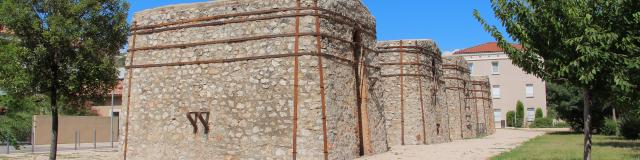
Fours A Ceramique Saint Zacharie Oti Aubagne
|
Ceramics
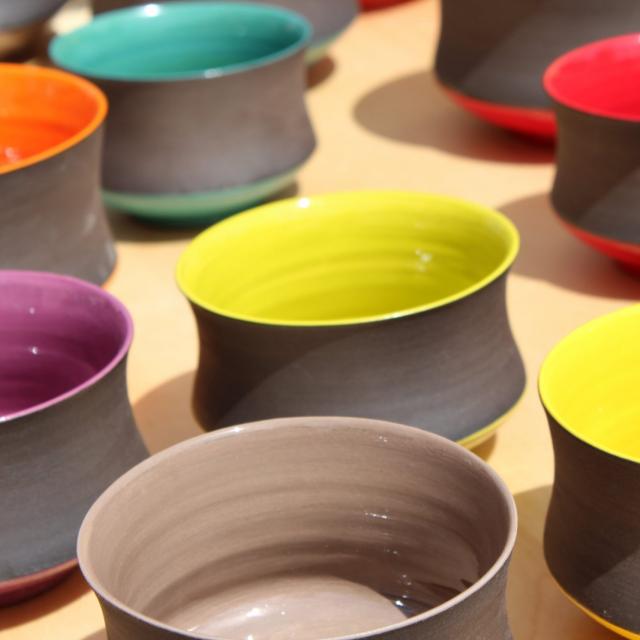
Silent witnesses to this past, we can still see the chimneys of old earthenware or pottery factories, particularly in Aubagne at the Faïencerie Louis Sicard, where the ceramic cicada perched on the olive branch was created in 1895, or at the prestigious Poterie Ravel, which is internationally renowned!
Santons
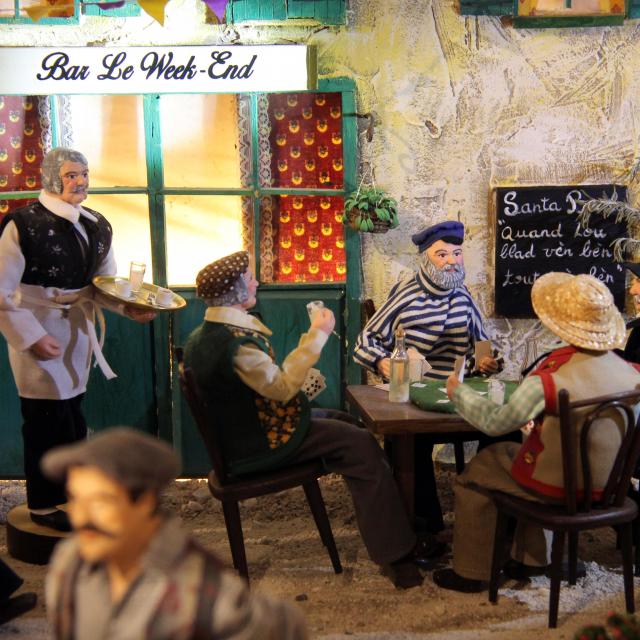
At the turn of the century, the “Belle santonnière”, Thérèse Neveu, had the idea of “santonnifying” picturesque characters from Aubagne and everyday life. In doing so, she gave new impetus to the art of santon-making and to the southern cot.
A historic space is dedicated to her in her former workshop at Marcel Pagnol’s Petit Monde.
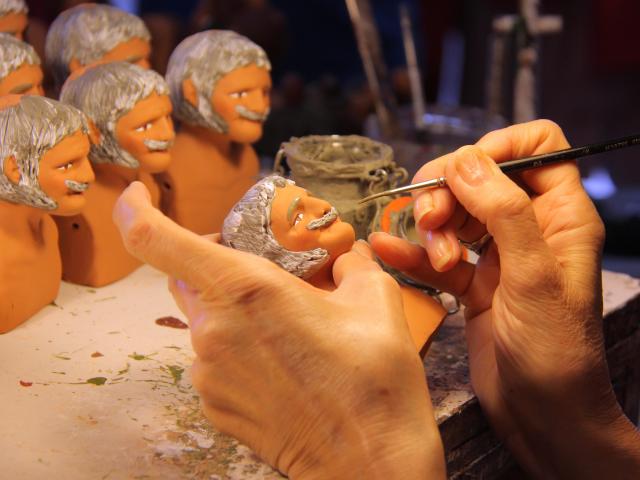
Peinture Santons Dilandro Aubagne Oti Aubagne
|
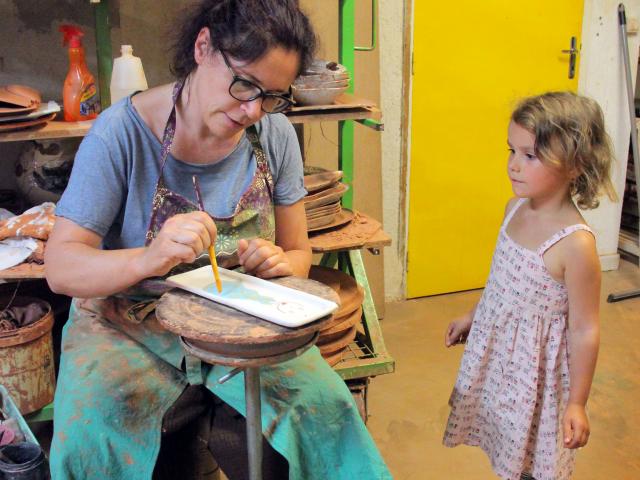
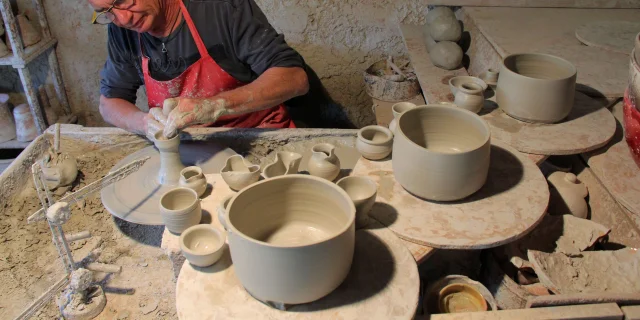
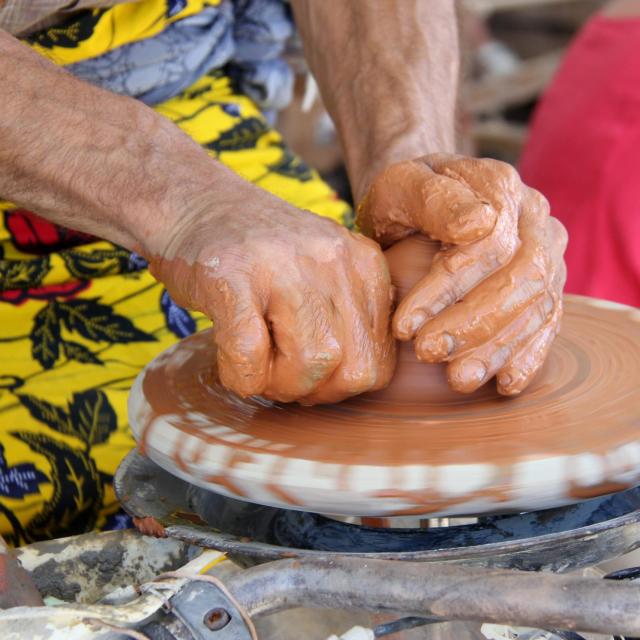
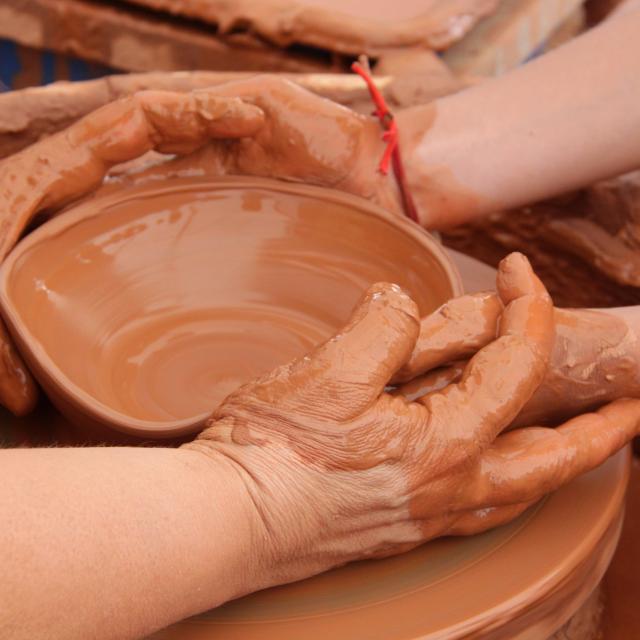
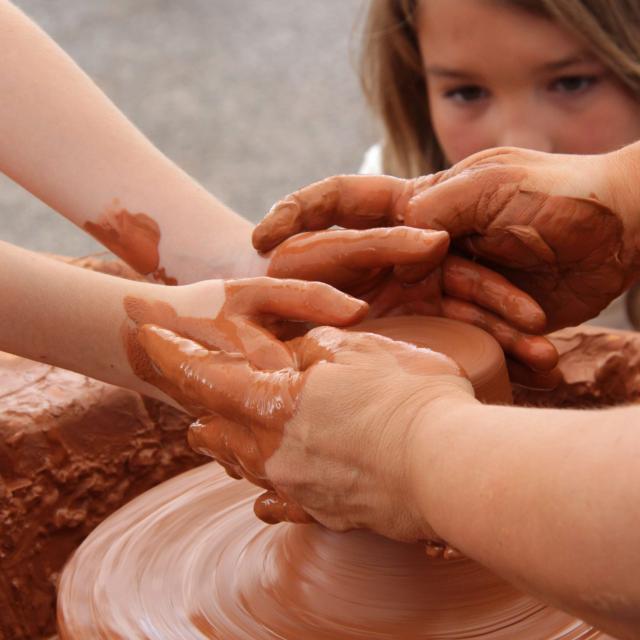
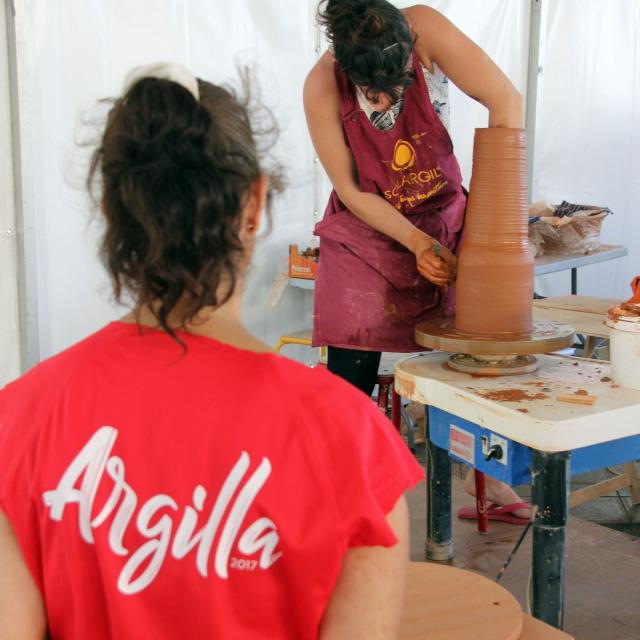
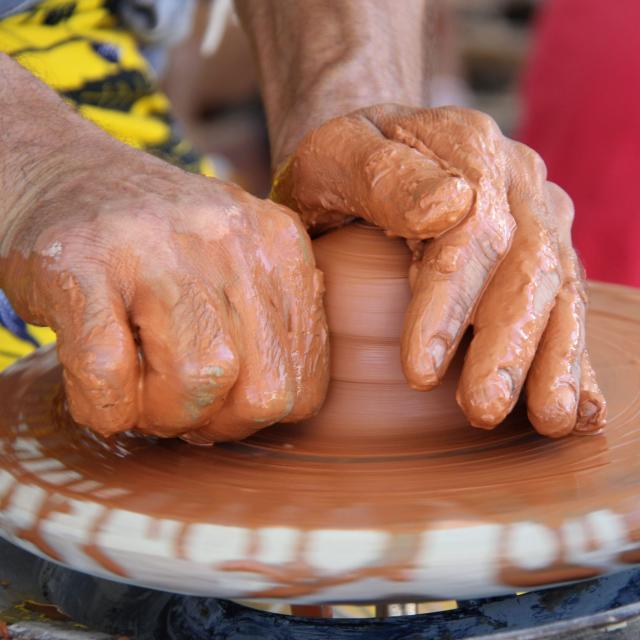
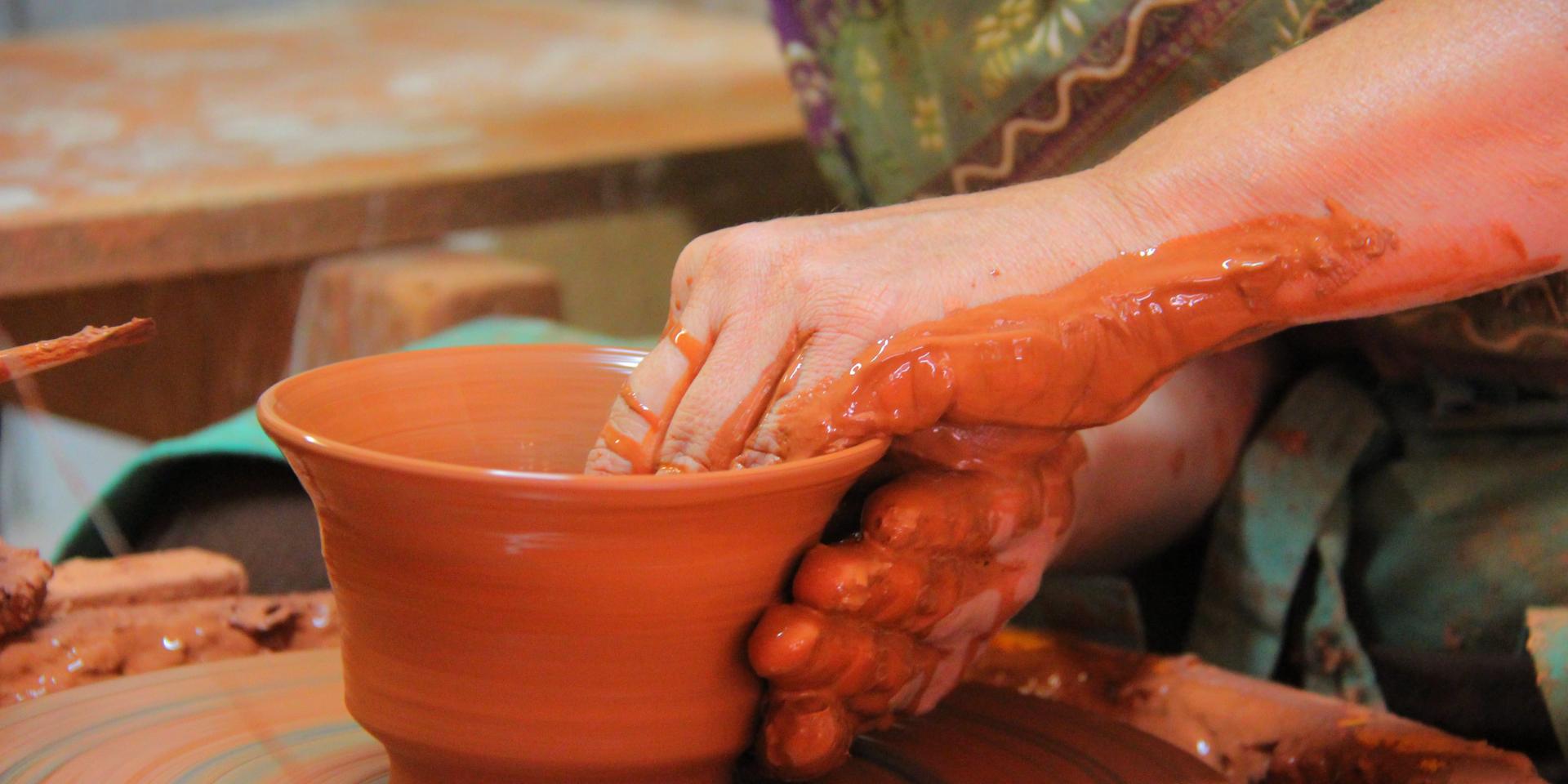
Céramiste au travail à l'atelier de poterie Hostein Noe à Aubagne
|
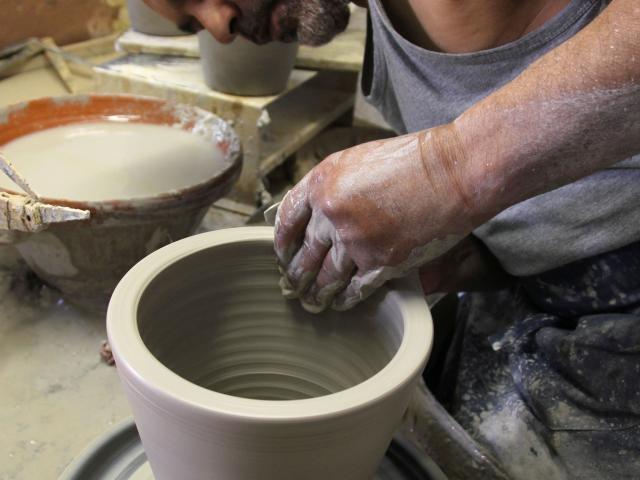
Vase Tour Argile Poterie Ravel Aubagne Oti Aubagne
|