Tasses Pots Céramique - Marché Été
©

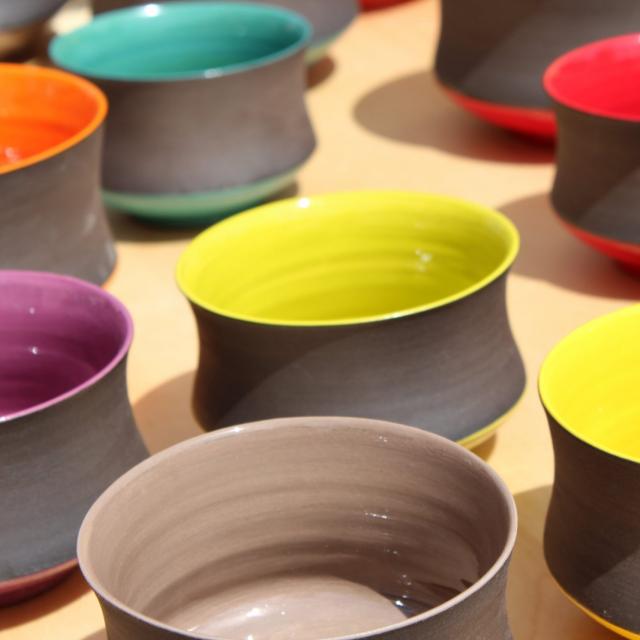
Tasses Pots Céramique Marché Été Argile Oti Aubagne

|

JPVallorani

Clay: the expertise of the Aubagne region

If Aubagne possesses such a unique spirit, it is thanks to a treasure hidden deep within its soil. For centuries, our artisans have been using raw clay to create everyday objects as well as world-renowned treasures. From steaming cups of coffee on a sunny terrace to the famous santons of Provence, clay is deeply rooted in our history.

The History of Clay

The Pays d’Aubagne et de l’Etoile boasts an exceptional resource that its people have learnt to work: clay. Here, this material is not a relic of the past but a tradition that is still very much alive. Since the 16th century, this bountiful earth, found in abundance in the region’s soil, has shaped its history, economy and cultural identity.

Clay through the ages

Antiquity

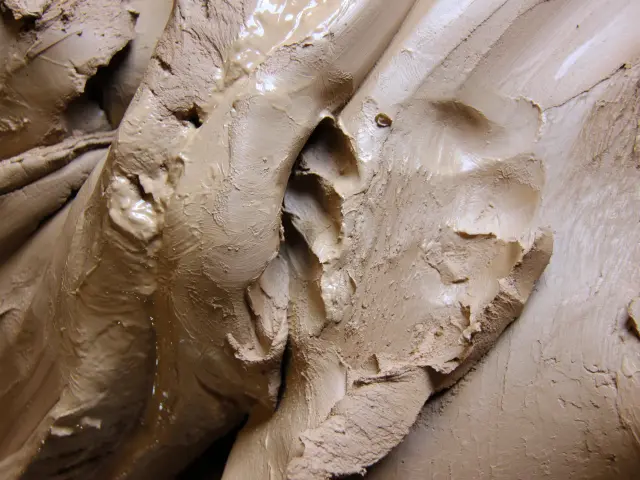
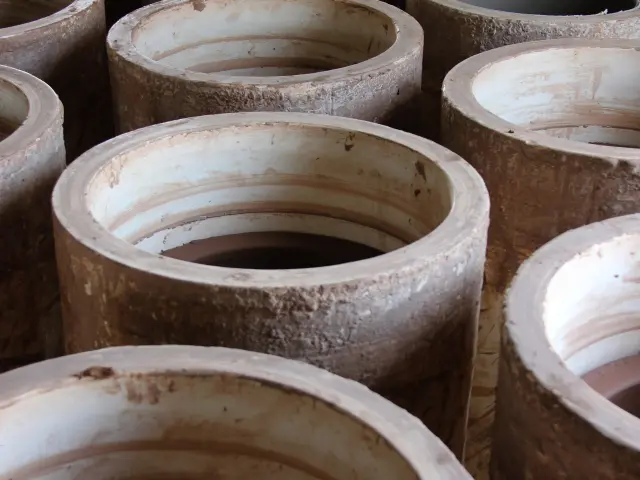
It all began in the geological past of the Huveaune Valley, which deposited layers of exceptionally rich clay here. This material has therefore always been part of the landscape, ever since antiquity. Archaeological excavations have revealed that the Celto-Ligurians and later the Romans used the local clay to make everyday objects. Dolia have even been discovered at the site of the present-day Aubagne station. These giant amphorae were buried to preserve food supplies.
The Middle Ages

In Aubagne during the Middle Ages, the first references to pottery workshops appear in the mid-16th century. At that time, the natural quality of the clay soils led to the production of everyday tableware. During this same period, Bruno Catani was one of the leading figures. Renowned for founding Aubagne’s first tile works, he established large-scale ceramic production, paving the way for generations of craftsmen. Over the centuries, this craft industry developed and shaped the local economy.

The 19th century

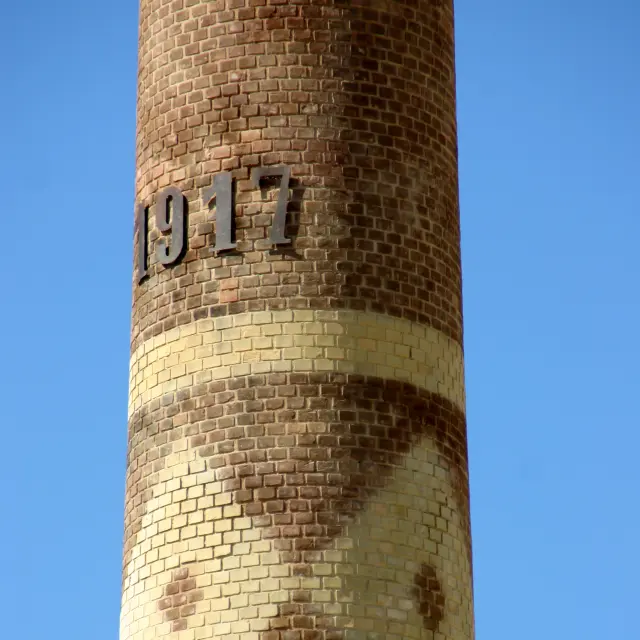
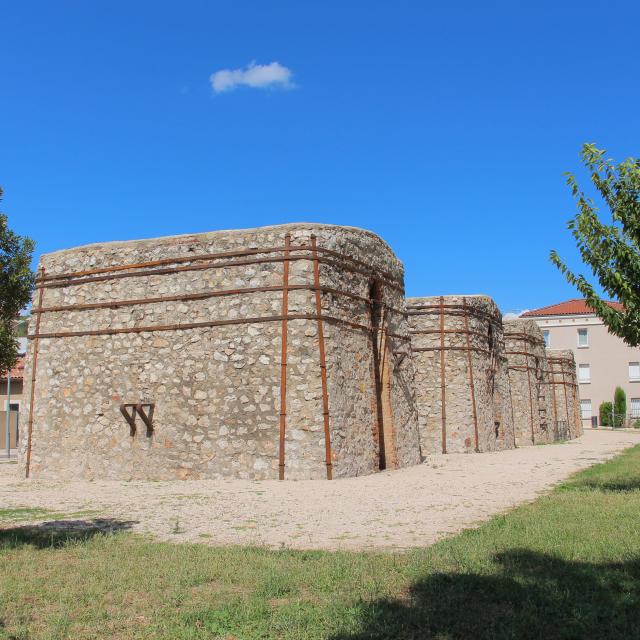
In the 19th century, pottery and ceramics were Aubagne’s main industry. No fewer than 110 chimneys rose above the town’s rooftops, symbols of intense manufacturing activity. Workshops multiplied and local products were exported all over the world. This activity was not confined to Aubagne; in Saint-Zacharie, too, the ceramics industry played a vital role from the 17th to the 19th century. Even today, the four impressive restored ceramic kilns visible in the centre of the village, right on the banks of the Huveaune, bear witness to this flourishing industry.

A tradition recognised across Europe

Aubagne, part of the European Ceramics Route since 2024

In France, only two towns are listed on the European Ceramics Route: Limoges and Aubagne. This official recognition by the Council of Europe honours centuries of craftsmanship and places Aubagne amongst the continent’s leading ceramics centres, alongside Faenza in Italy and Delft in the Netherlands.

From historic pottery workshops to prestigious brands

In the wake of this new industry, Aubagne has seen the emergence of icons of the Mediterranean way of life:

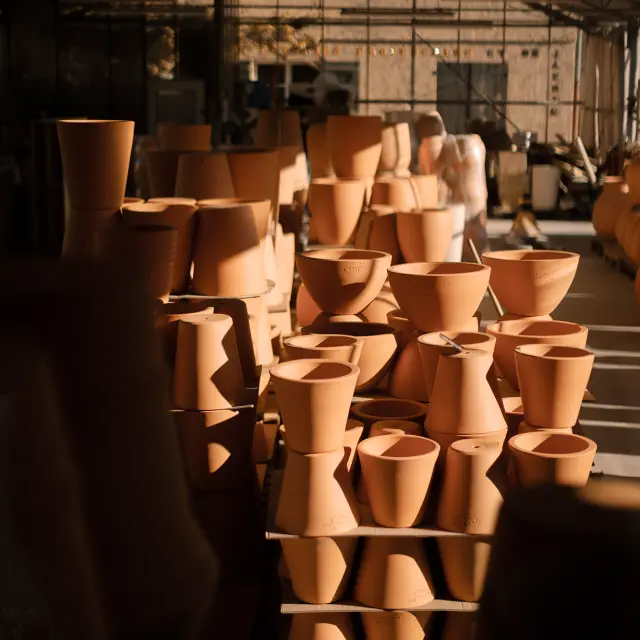
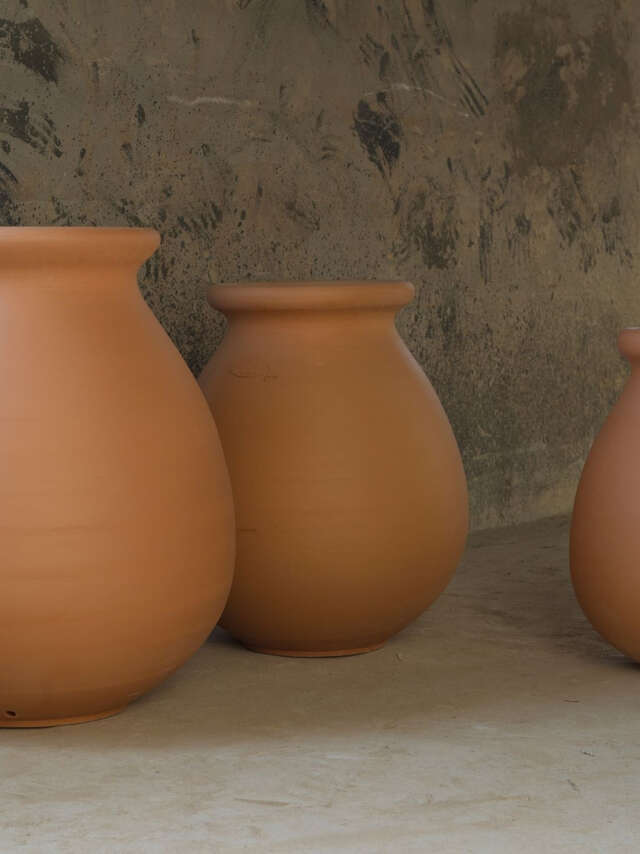
  • The prestigious Poterie Ravel, a family-run pottery since 1837, whose international reputation has brought our traditional terracotta vases and jars to prominence far beyond our borders.
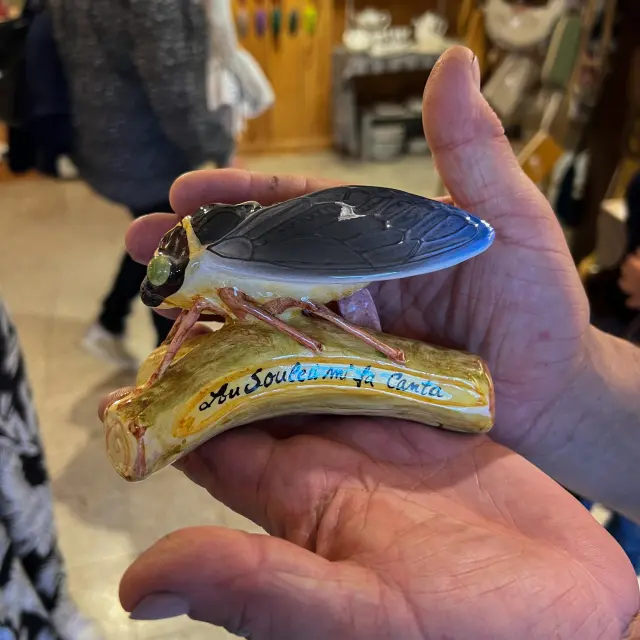
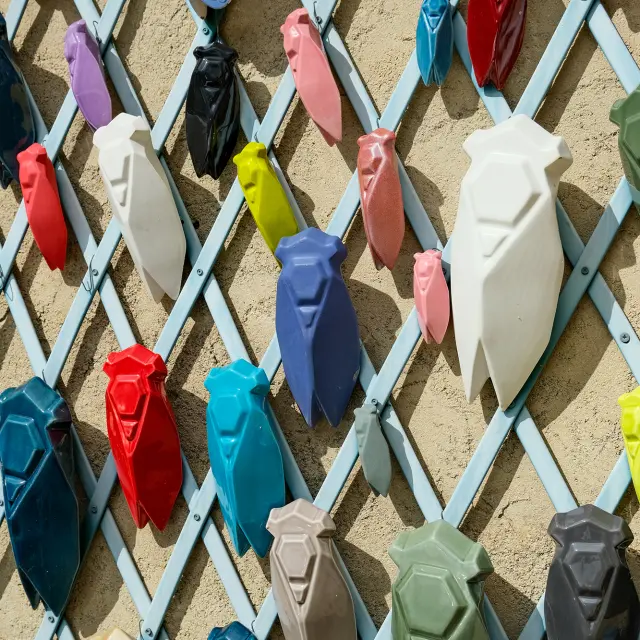
  • The Faïencerie Louis Sicard, which created Provence’s iconic good-luck charm: the ceramic cicada perched on an olive branch. Louis Sicard, nicknamed the ‘father of cicadas’, was the first to produce it in 1895.

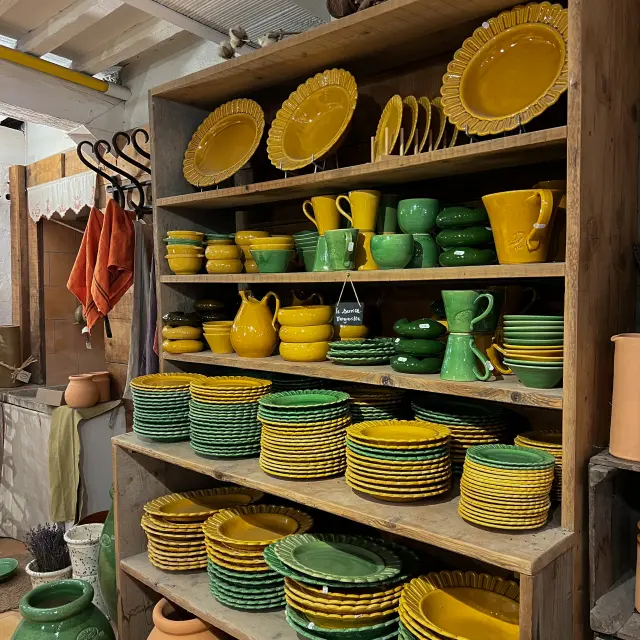
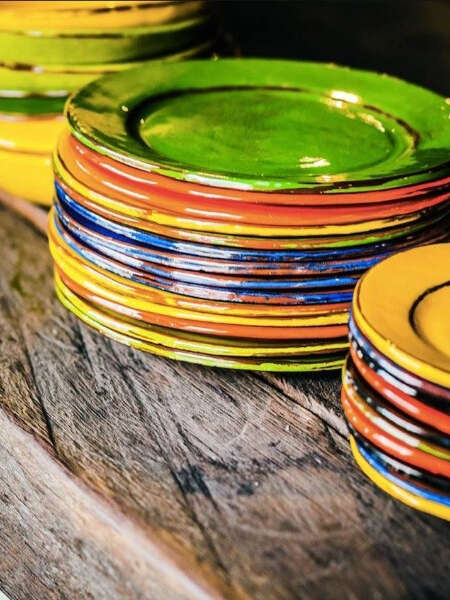
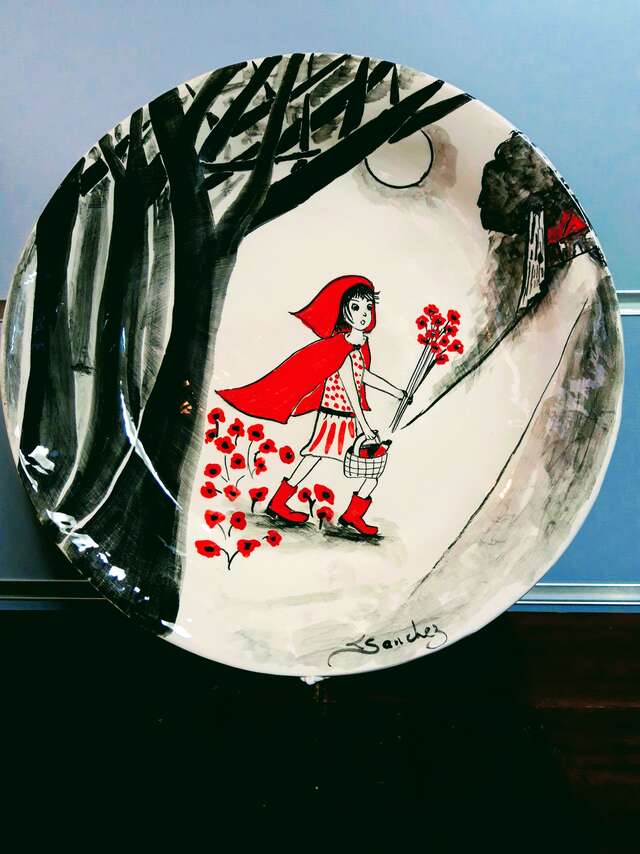
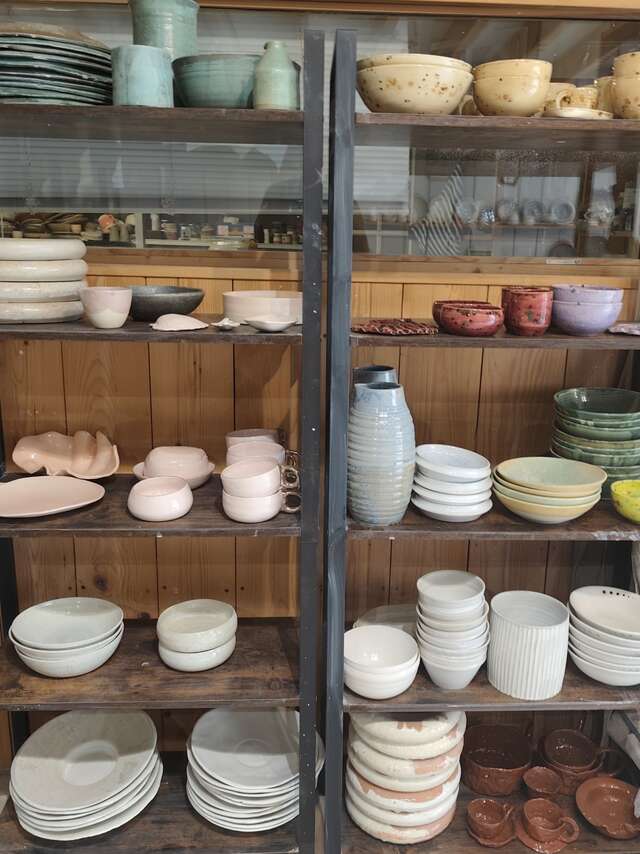
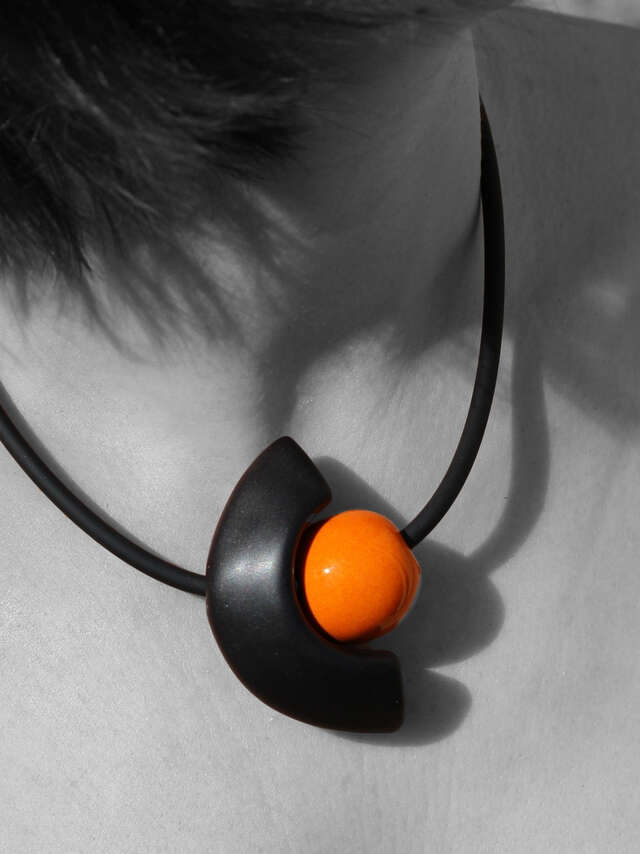
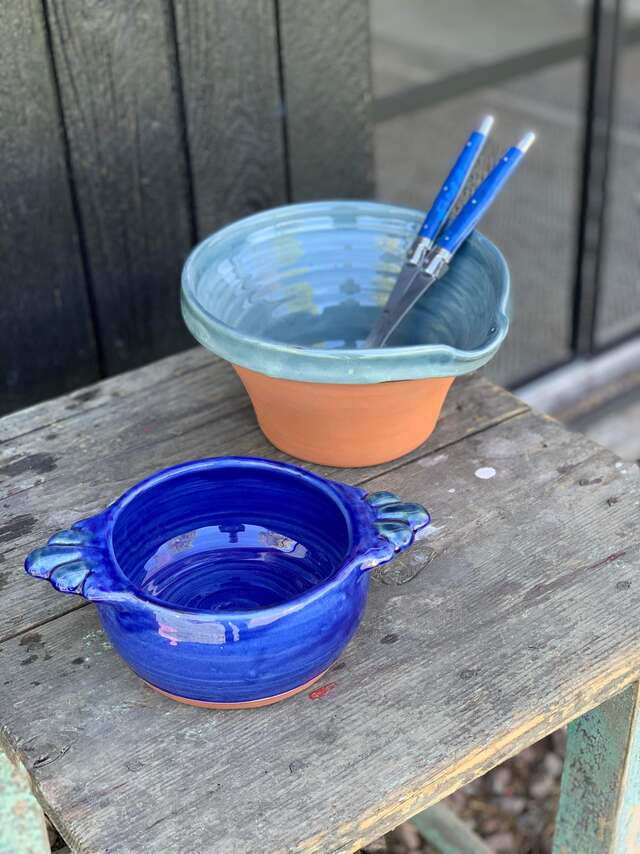
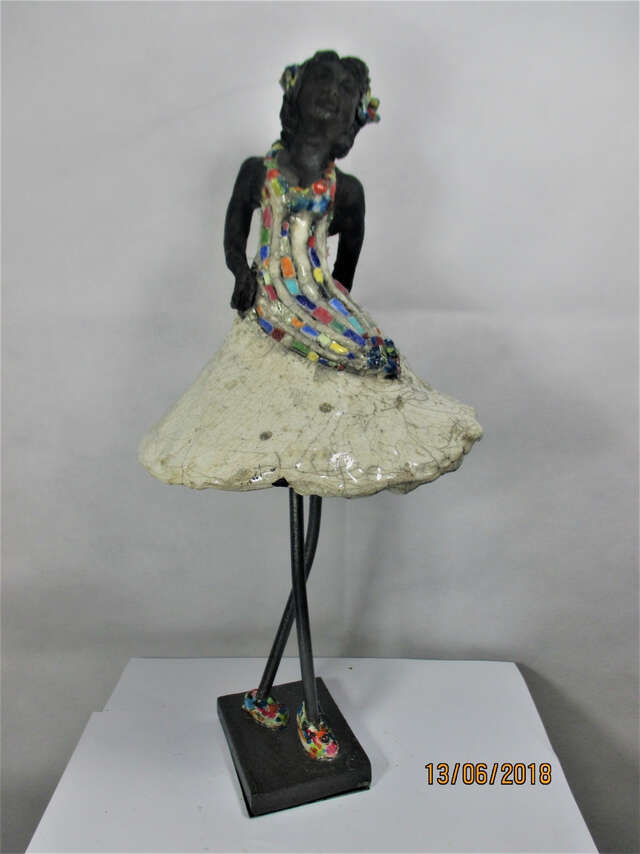
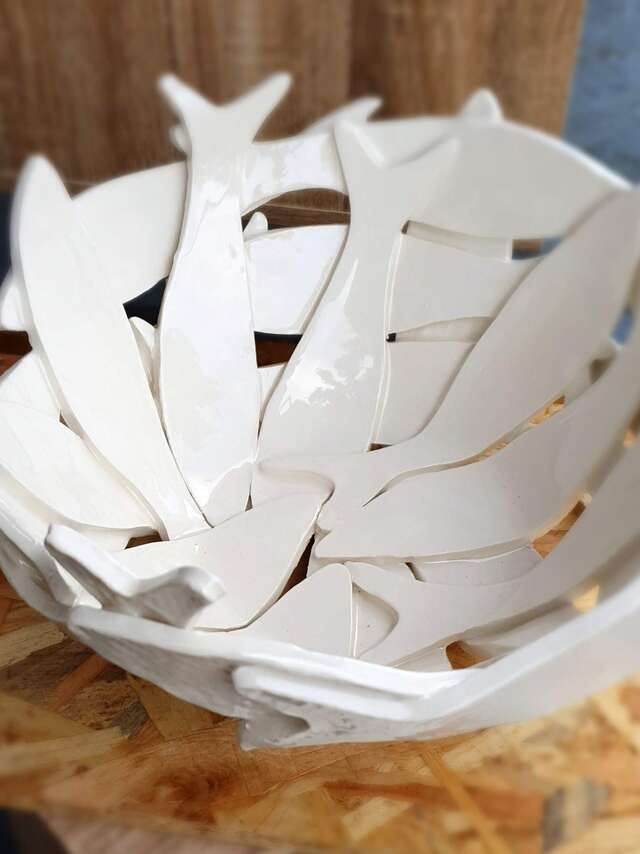
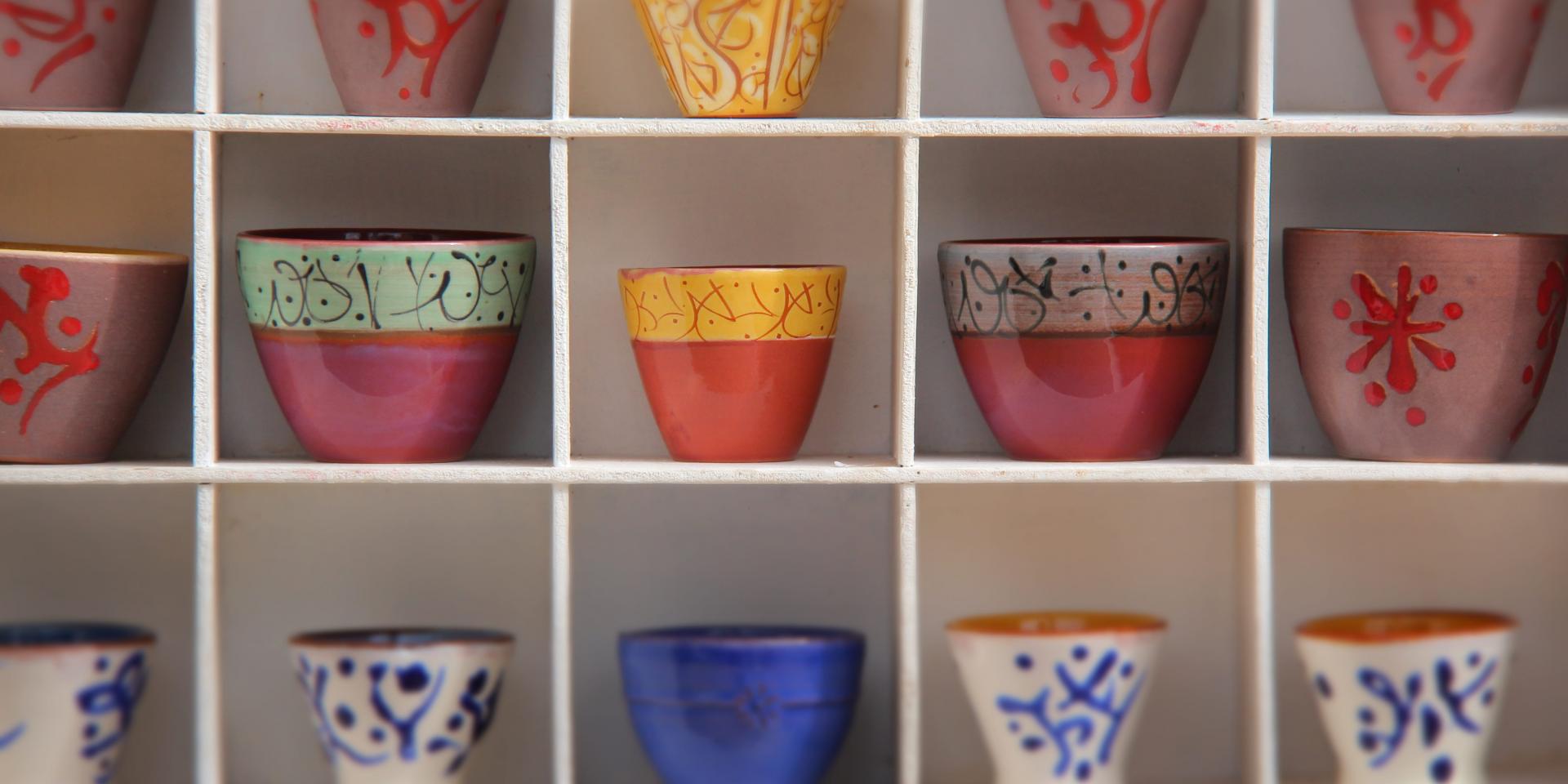
    Since then, numerous businesses have sprung up, making the Aubagne region an iconic destination for discovering this craftsmanship. Today, it is true enthusiasts who offer you their creations: tableware, decorative items, sculptures… all creations that blend history and modernity.

    In addition to these businesses, the École de Céramique de Provence is based in Aubagne and offers degree courses in the field. This is further proof that the town is a renowned centre for this age-old art form.

    The santons of Provence: the soul of the region, crafted from terracotta

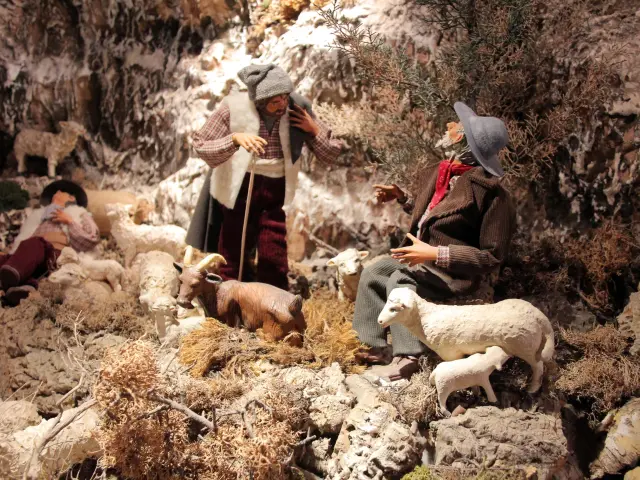
    Before reaching Provence, this tradition first emerged in Italy in the 13th century. The earliest depictions of the Nativity were popularised by Francis of Assisi when he created the living nativity scene in 1223. This tradition evolved and took root in Provence towards the end of the 18th century. It was Jean-Louis Lagnel, from Marseille, who created the first Provençal santons in 1789. What made them special? They were made from moulded clay, a technique that allowed for mass production at a lower cost.

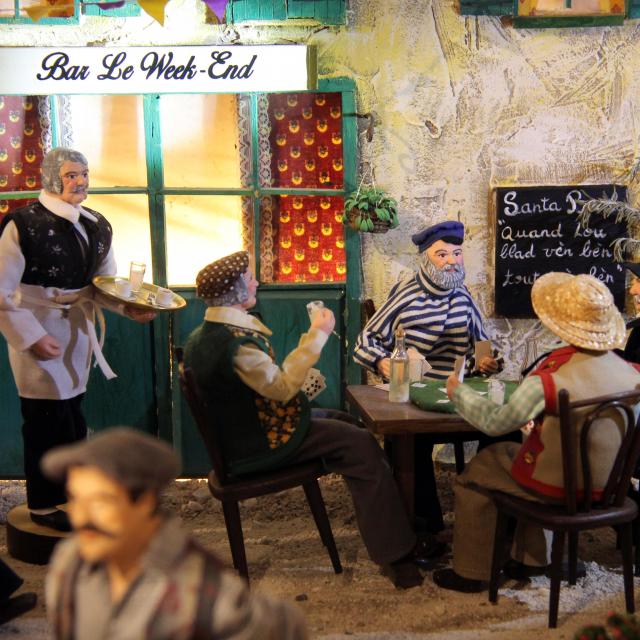
    During this same period, whilst the French Revolution banned religious representations in public places, Provençal craftsmen found a symbolic solution: they miniaturised the nativity scene and brought it into people’s homes. These small, hand-painted clay figures, known as santons – from the Provençal word ‘santoun’, meaning ‘little saint’ – embody the spirit of Provençal Christmases. Thanks to their affordable price, Provençal families bought and collected santons, which quickly found their place in homes throughout the region.

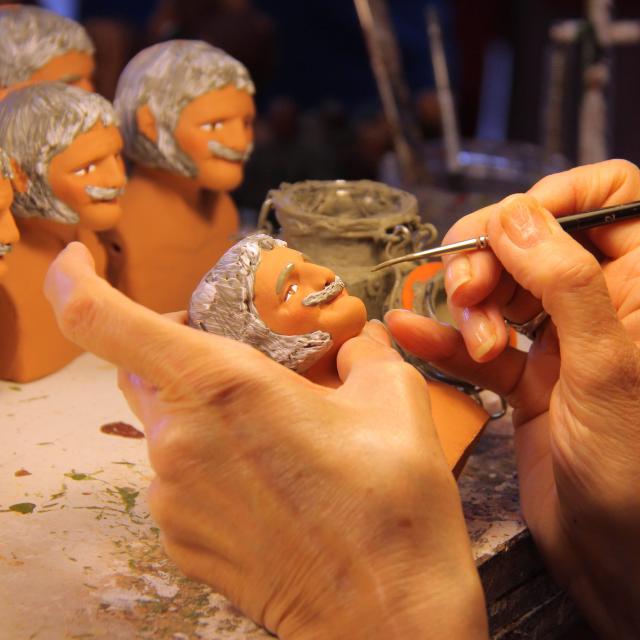
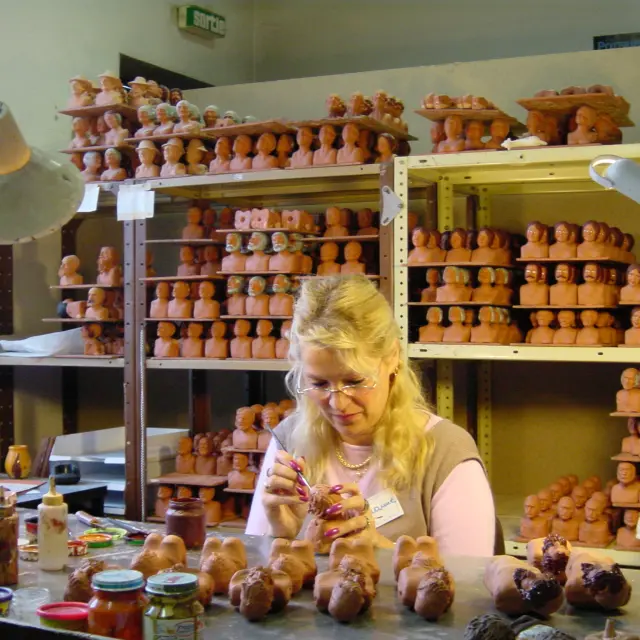
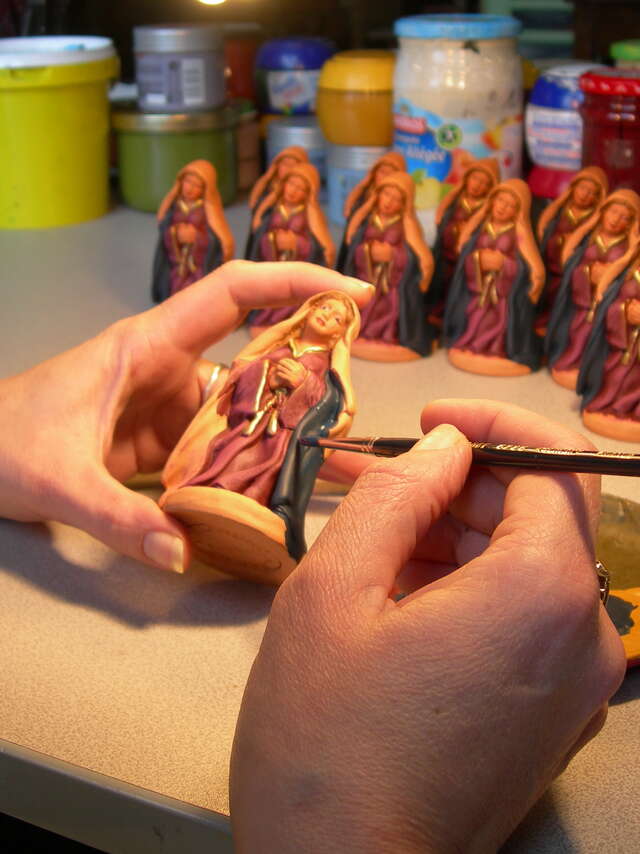
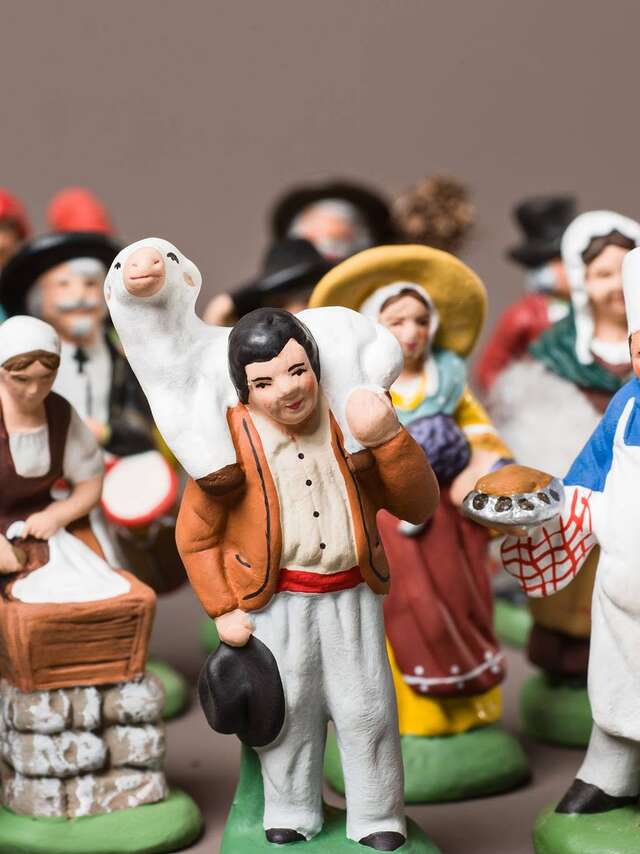
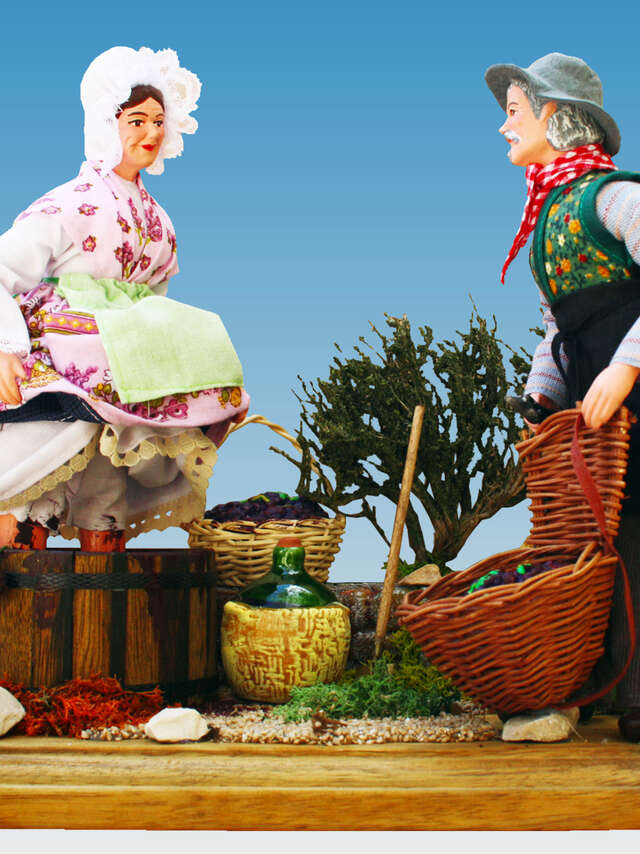
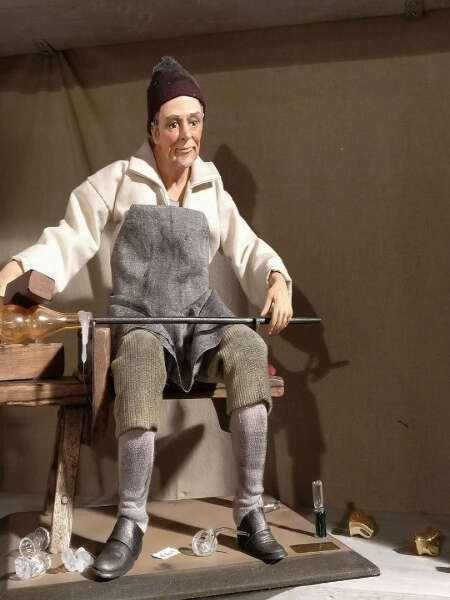
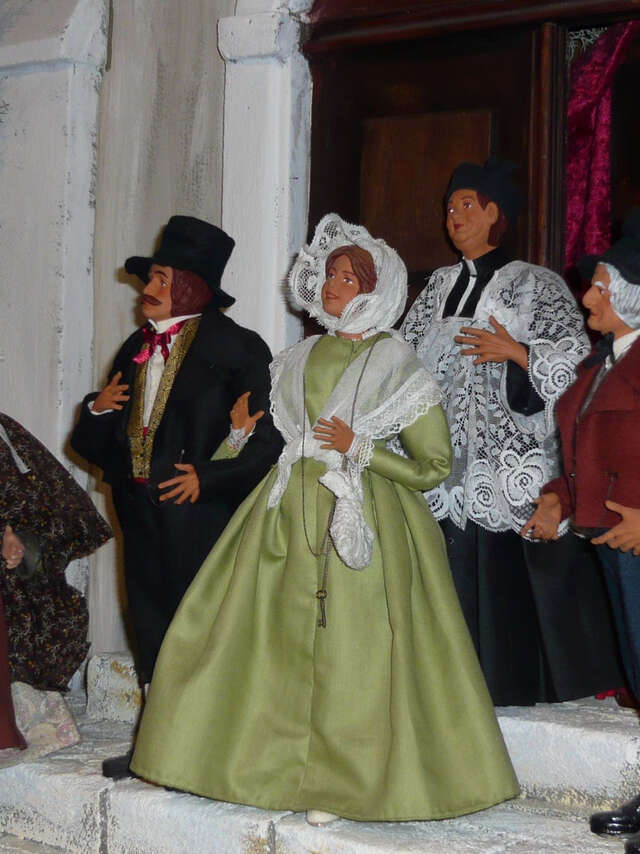
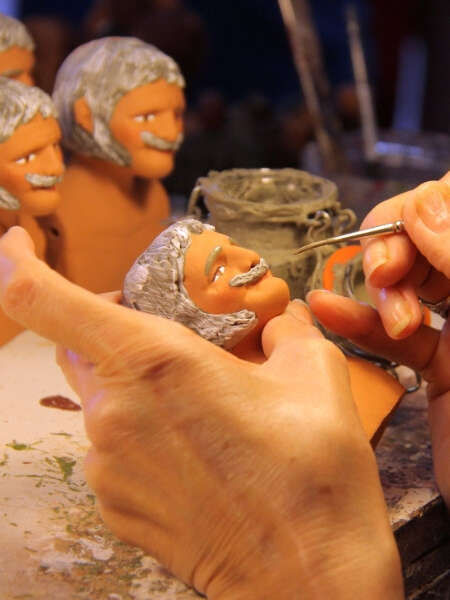
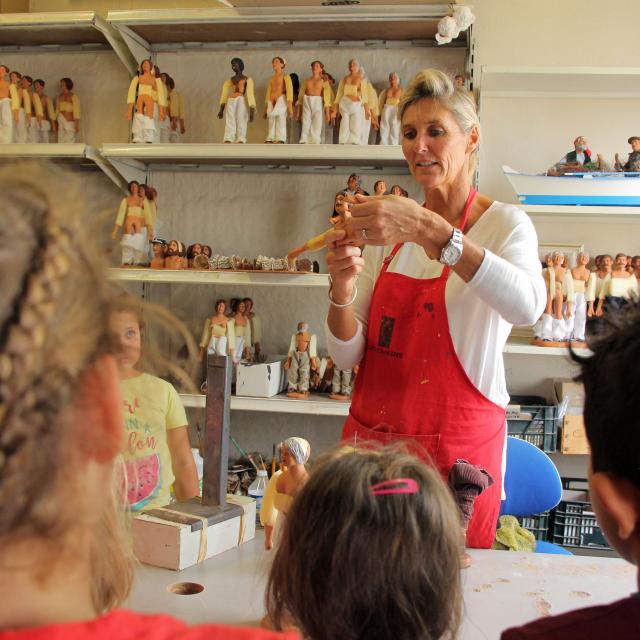
    Today, as the world capital of santons, Aubagne is home to generations of santon-makers, from independent craftspeople to contemporary artists. There are dozens of them carrying on this unique craft, in which each figurine is made entirely by hand from clay before being painted with meticulous care.

    One of the figures who has left her mark on the history of santons is Thérèse Neveu, who made a name for herself in this art form as early as the late 19th century. Nicknamed ‘the beautiful santon maker’, she came up with the idea of creating santon figures based on colourful characters from local and regional life, such as Frédéric Mistral. Whilst she infused the art of santon-making with a modern touch and a new poetic sensibility, she also made it possible to transport the santons thanks to the firing process she automated, making the figurines more durable. Her many creations are on display in what was once her workshop. Today, the Atelier Thérèse Neveu is a museum space forming part of the Petit Monde de Marcel Pagnol, and the association that bears her name organises events throughout the year.

    Did you know?

    Before being made from clay, santons were crafted using whatever materials were available to craftsmen and families: breadcrumbs, raw clay and papier mâché. The material we are familiar with today therefore gradually became the norm.

    Come and take a look inside our workshops!

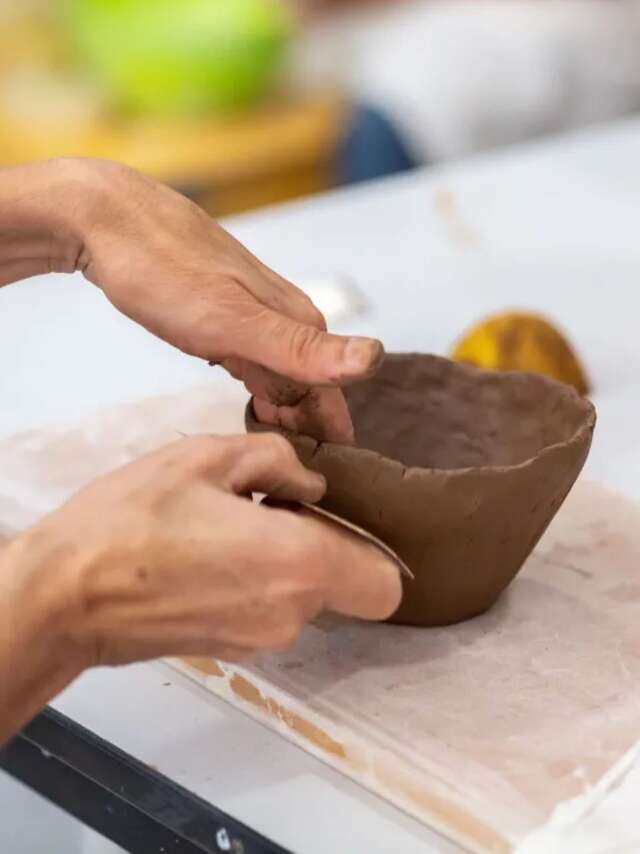
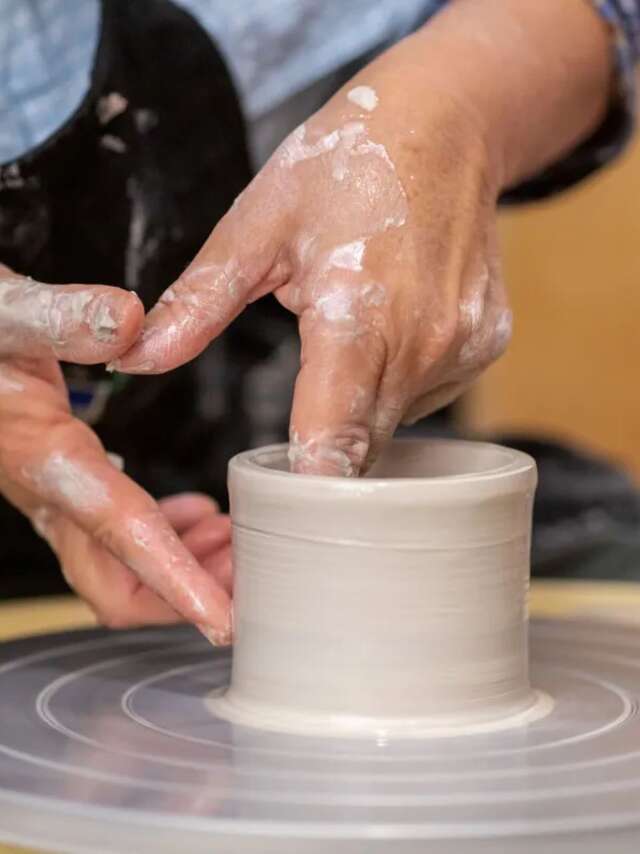
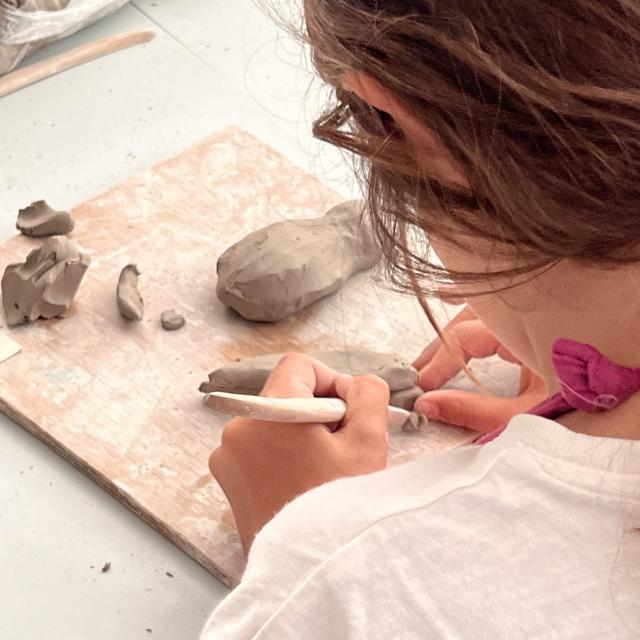
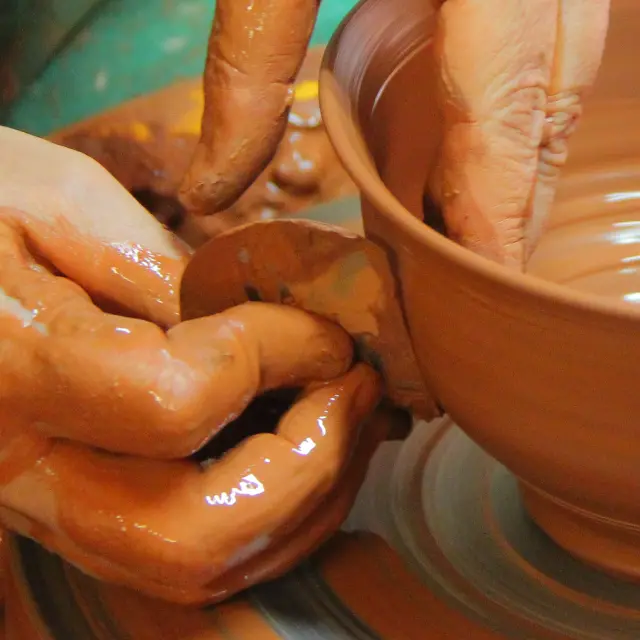
    Pottery in Aubagne is by no means a thing of the past! Quite the contrary – it’s a craft that’s very much alive today. To this end, our talented and passionate craftspeople run a wide range of workshops throughout the year. Potters, santon makers, nativity scene makers, ceramic jewellery designers and sculptors… they open their doors to you so you can create your own pieces alongside them.

    Fancy discovering Aubagne’s heritage? Join one of our guided tours and immerse yourself in the craftsmanship that has shapedthe town’s identity. To extend the experience and try your hand at working with the materials, book a creative workshop . And having tried it ourselves, nothing makes us prouder!

    Museums dedicated to clay

    A journey into the heart of our heritage

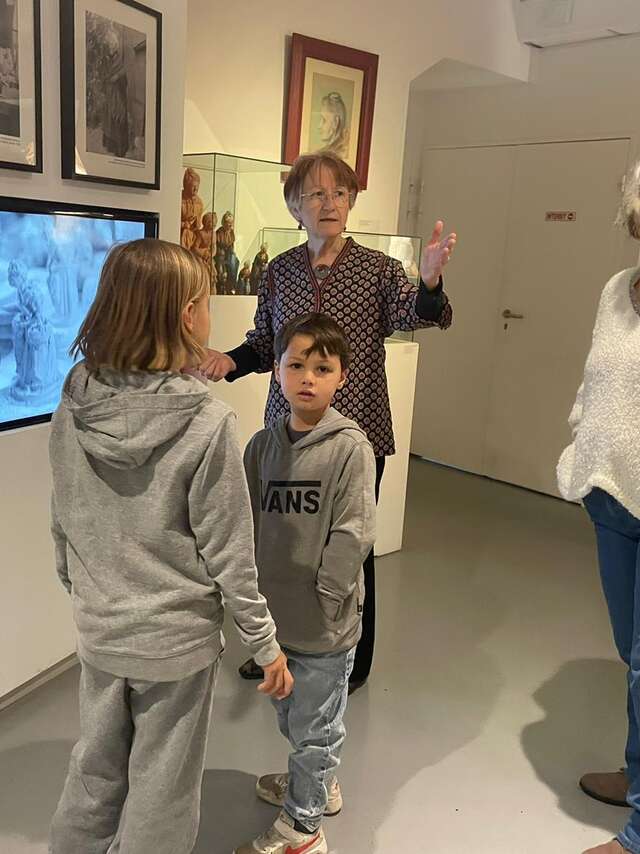
    Extend your journey through the world of terracotta by stepping inside our museums and exhibition spaces dedicated to clay in Aubagne. Through unique collections, themed displays and historical retrospectives, discover captivating venues that reveal the best-kept secrets of our master craftsmen.

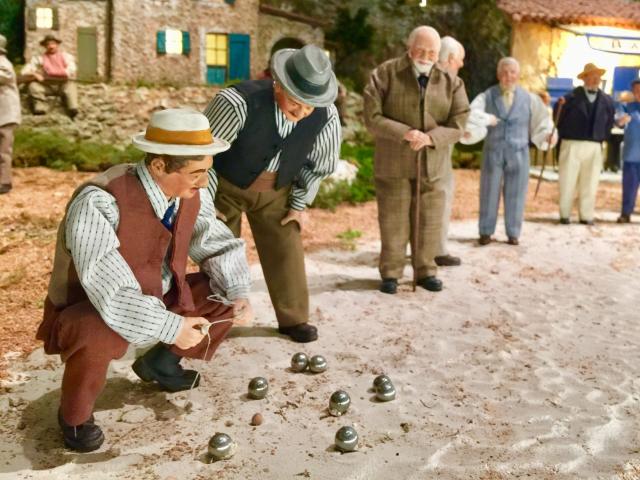
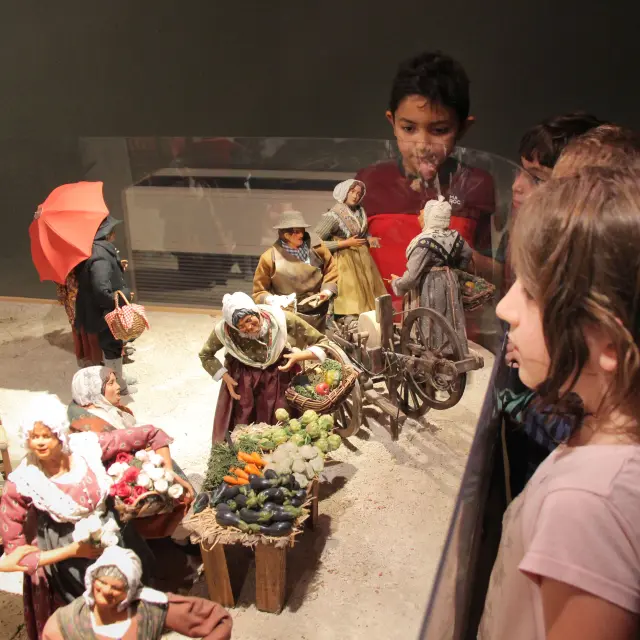
    • Marcel Pagnol’s Little World: discover the story of Aubagne’s most famous writer through more than 200 clay figurines crafted by the region’s finest santon makers. In the same museum, immerse yourself in the fascinating world of Thérèse Neveu’s anthropomorphic santons.
    • The Argilla Gallery – Home of the Santon and Ceramics: this modern 600 m² space is entirely dedicated to the arts of clay. It hosts a permanent exhibition and shop where you can admire (and treat yourself to) the finest pieces by local designers, as well as temporary exhibitions by artists (santons, tableware, jewellery, sculptures and decorative items).
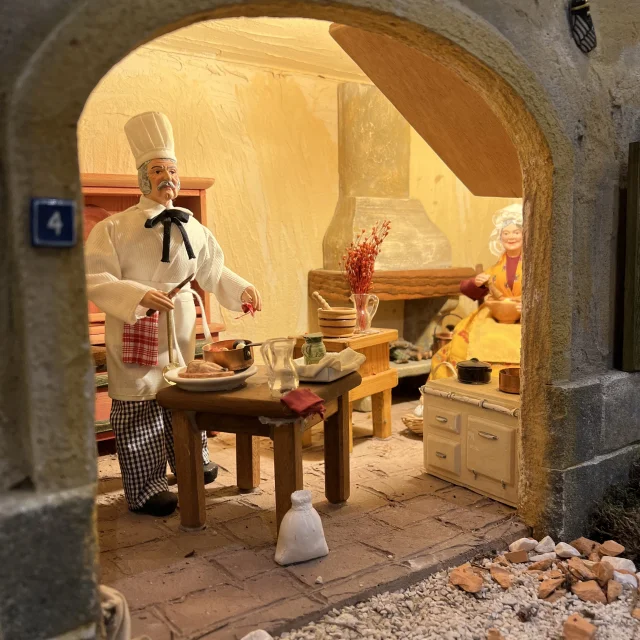
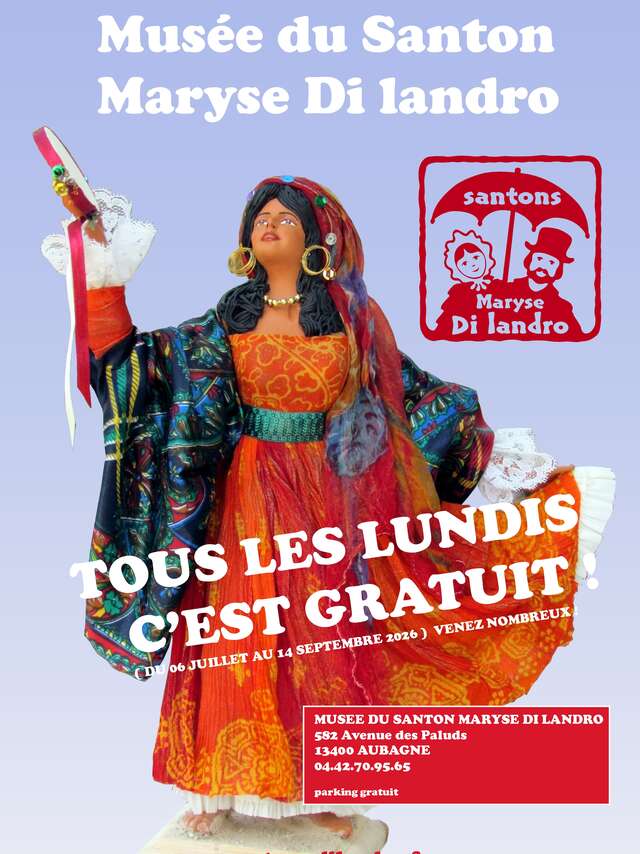
    • The Maryse Di Landro Santon Museum: situated in the heart of the Paluds area, this magical place, conceived by the Di Landro family, is home to over 400 unique santons. Divided into several themed displays, it takes you on a journey from the biblical Nativity to historical scenes, via the finest depictions of Provençal life.
    • The “Le Moulin à Huile” Santon Museum: to understand the origins of this local tradition, as well as life, trades and the history of Provence in the late 19th century, come and explore this museum. Enjoy a giant 320 m² panoramic nativity scene brought to life by over 500 santons and automatons!
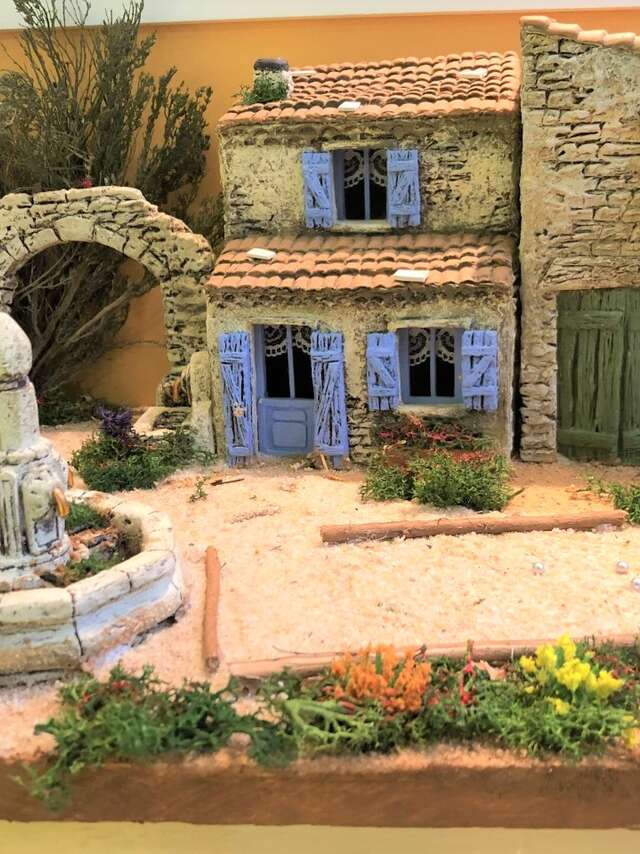
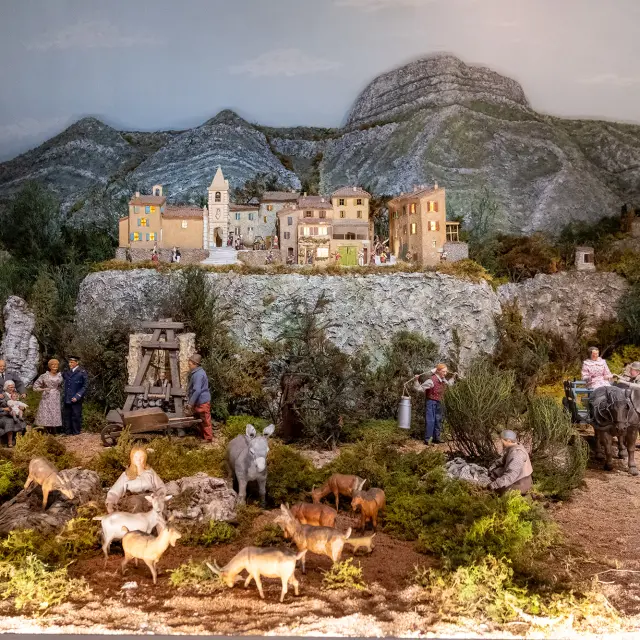
    • The Santon Village in Provence: this venue invites you to discover Provençal landscapes and traditions through an impressive 230 m² installation. Comprising 19 villages and over 3,000 santons, it brings to life everyday life of yesteryear with numerous details and typical scenes. A second room is dedicated to the Nativity scene.

            Major clay-related events

            Events not to be missed

            The Pays d’Aubagne et de l’Étoile celebrates its sacred land through major events that mark the calendar throughout the year:

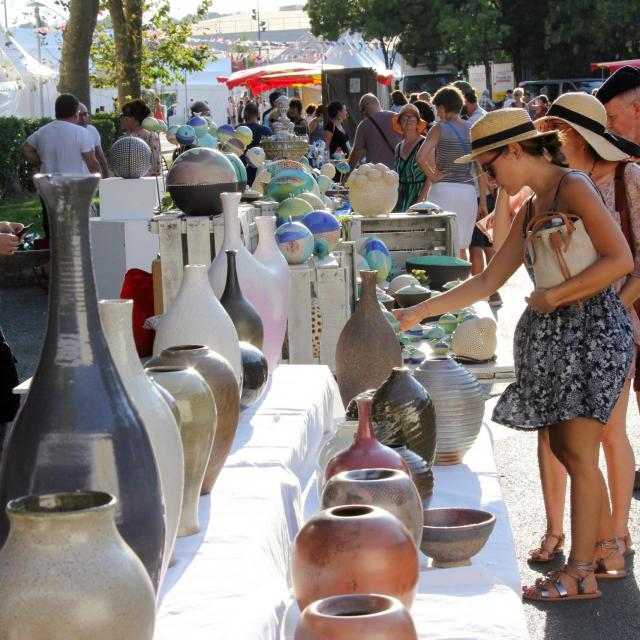
            • The ceramics and santons market, which takes place during the summer. Just like the winter market, visitors can find ceramic works here as well as treat themselves to some santons. It’s a chance to meet the artisans and watch demonstrations of the craft.
            • The Argilla Biennale is the largest open-air pottery market, held in August in odd-numbered years. Over two days, more than 200 ceramic artists from all over France and the four corners of the world showcase their unique craftsmanship.
            • The Santons and Ceramics Market, which takes place during the festive season. This market, which showcases local exhibitors, attracts many visitors looking to unearth Provençal santons as well as to take home a ceramic piece
            • The Santon Festival: every December, you can also visit the Santon Festival. Over the course of this weekend, santon-makers from across the region come to exhibit their work and sell their creations. Entertainment and activities round off the festivities.
                  FAQ

                  Discover also

                  Clay in the Aubagne region