©

Aubignane @oti Pays Daubagne

Marcel Pagnol's film locations in Aubagne

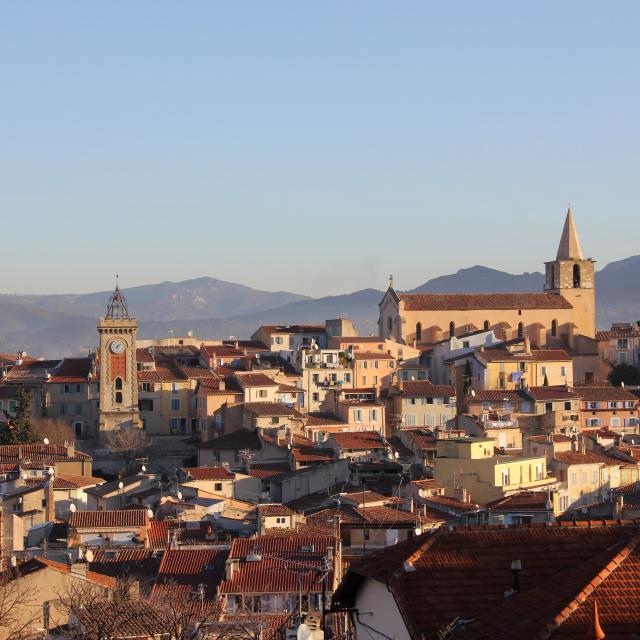
Aubagne and the Garlaban hills are one of the most emblematic settings in Marcel Pagnol‘s cinematic work. Born in Aubagne in 1895, the writer and film-maker remained deeply attached to these Provençal landscapes, which he immortalised in several of his films.

Between wild valleys, Provencal villages and isolated bastides, many of the locations around Aubagne served as natural backdrops for his films. Even today, these landscapes allow you to literally walk in the footsteps of Marcel Pagnol’s cinema.

Aubagne and the Garlaban hills: a film set

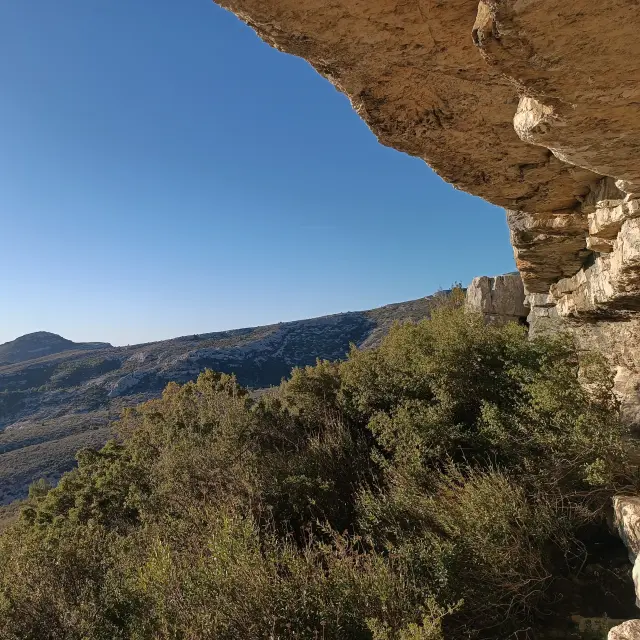
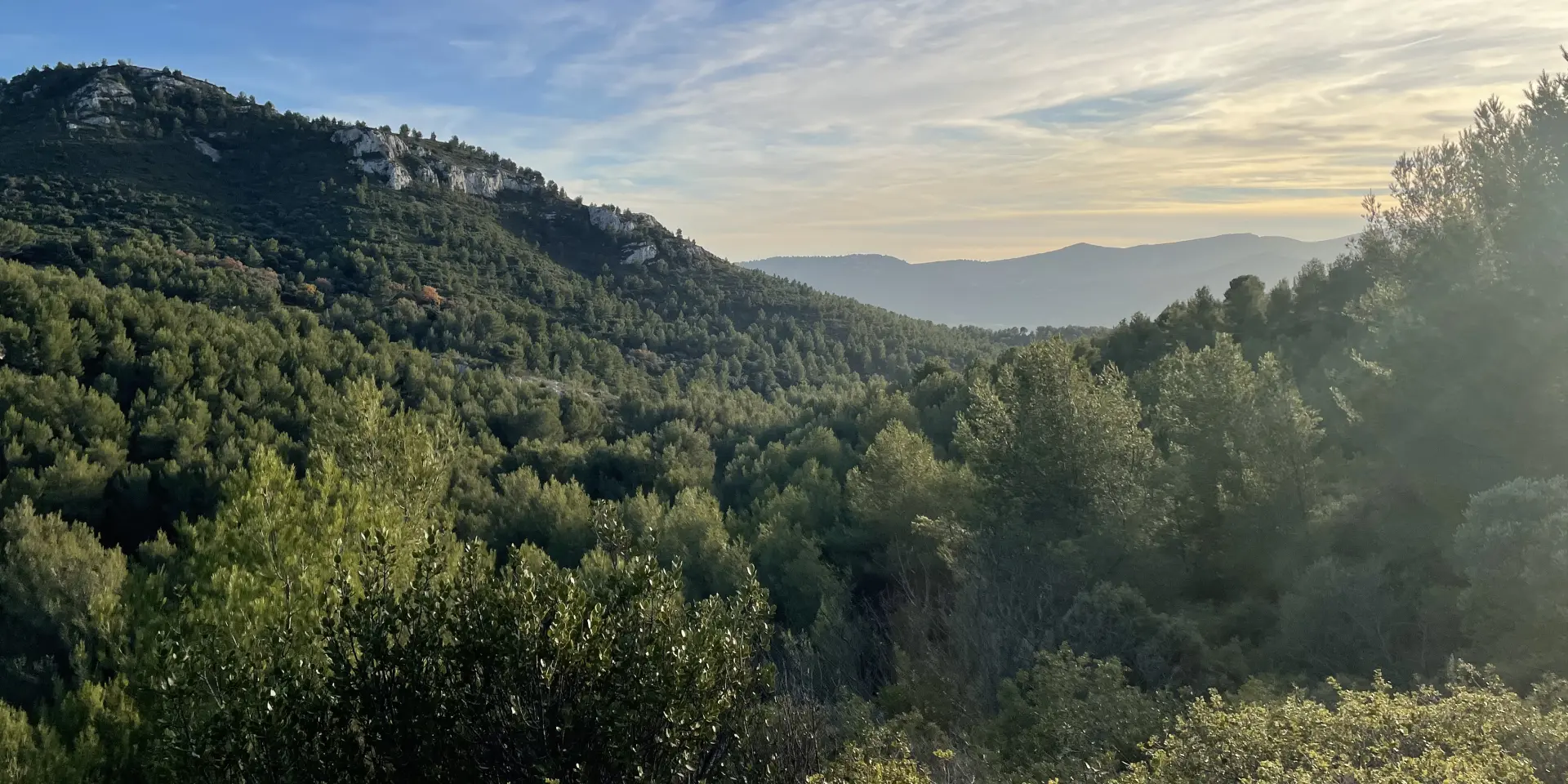
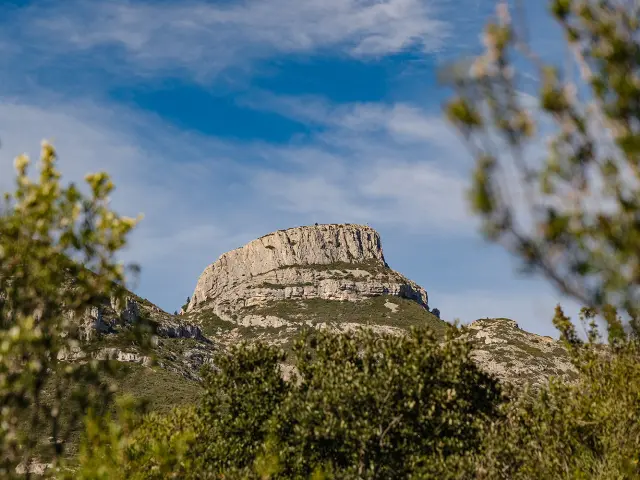
The Garlaban hills, between Aubagne, La Treille and Allauch, inspired much of Marcel Pagnol’s world. These typically Provençal landscapes – garrigues, valleys, isolated farms and hilltop villages – provide an authentic setting that served as the backdrop for several of his films.

As early as the 1930s, Marcel Pagnol chose to film in these familiar locations. There he filmed stories deeply rooted in Provençal culture, depicting rural life, traditions and the people of the region.
The main filming locations around Aubagne

The Marcellin valley

Located in the hills around Aubagne, the vallon de Marcellin is one of the most emblematic filming locations in Pagnol’s world.
Traces of Angèle’s farm, the setting for the 1934 film Angèle, can be found here.

This typical valley also features in several other films, including Regain and Le Schpountz, which use its typically Provençal landscapes as a natural backdrop.

The village of La Treille

The picturesque village of La Treille, at the foot of the Garlaban massif, is closely linked to Marcel Pagnol’s work.
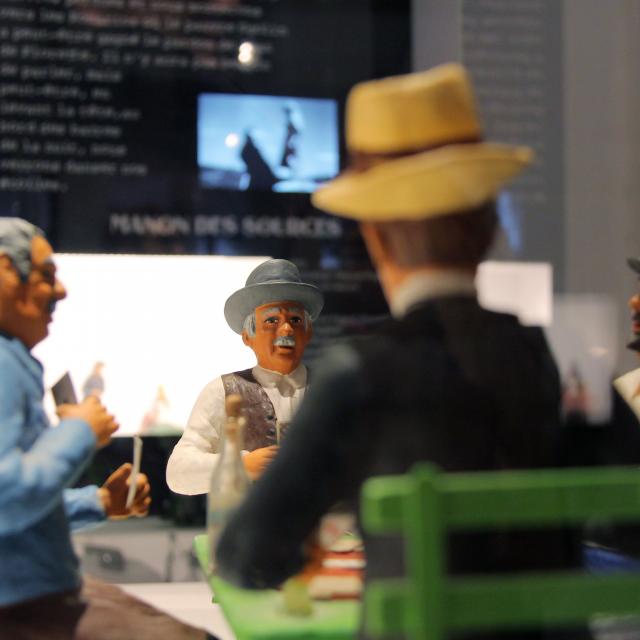
It was here that scenes from films such as Jofroi ( 1933), Cigalon (1935) and Manon des Sources (1952) were shot.

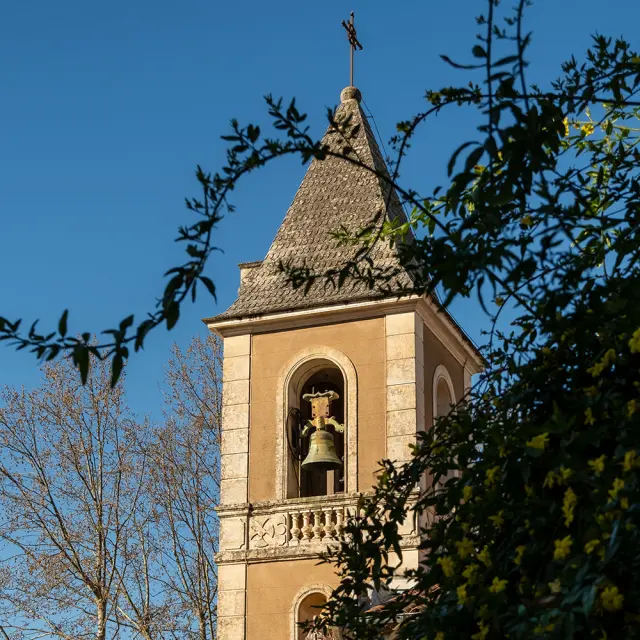
The village, which has remained very authentic, has become one of the most emblematic places in Pagnol’s world. Its square, church and narrow streets feature in several of the film-maker’s works, not least Manon’s famous fountain.

Aubignane and the bars of Saint-Esprit

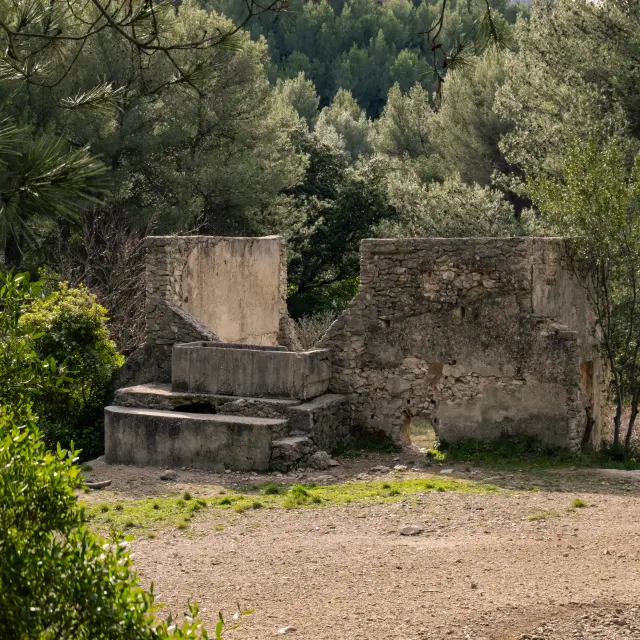
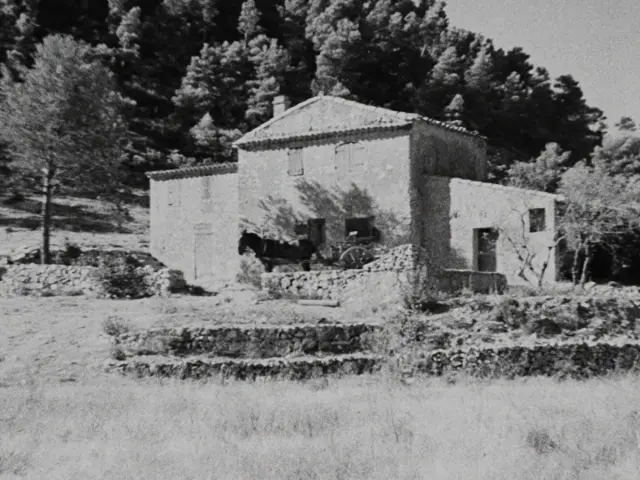
For the film Regain (1937), Marcel Pagnol recreated the fictional village ofAubignane in the hills around Aubagne, on the bars of Saint-Esprit.

Sets of ruined houses were specially built for the shoot to depict an abandoned village in Haute-Provence.
Some of the remains of this set can still be seen today in the Garlaban massif.

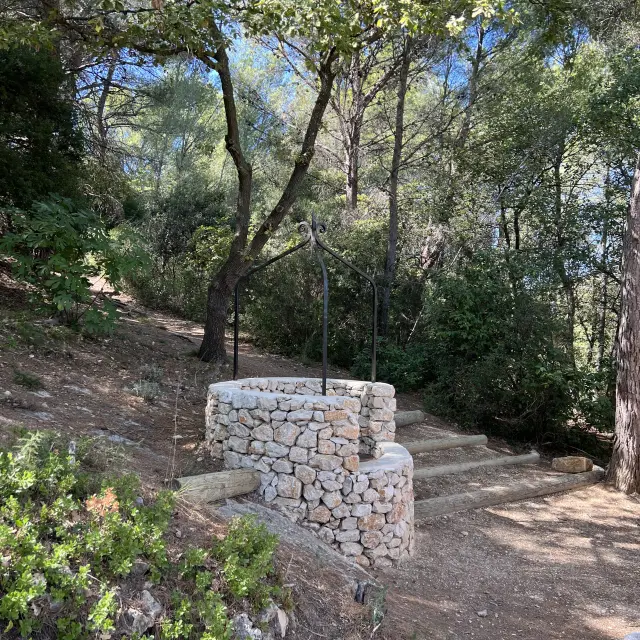
Raimu’s well

Raimu’s well, located in the hills around Aubagne, was one of the sets in the film La Fille du puisatier (1941).

In this film, Raimu plays a Provençal well-digger whose life is turned upside down by his daughter’s pregnancy.

Manon’s cave and the Mas de Massacan

The film Manon des Sources ( 1952) uses several locations around Aubagne and La Treille. These include

  • Manon’s grotto or Baume du Plantier
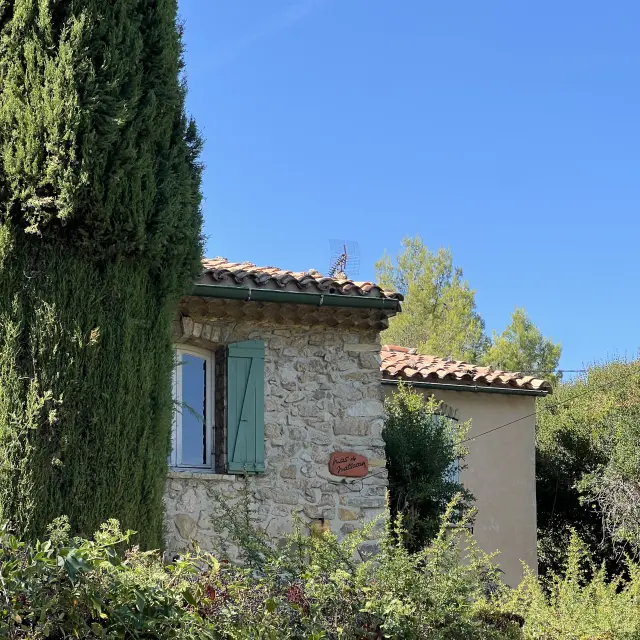
  • Mas de Massacan, used as Ugolin’s home

These hilly landscapes, typical of the Garlaban massif, contribute greatly to the atmosphere of the film.

The historic centre of Aubagne

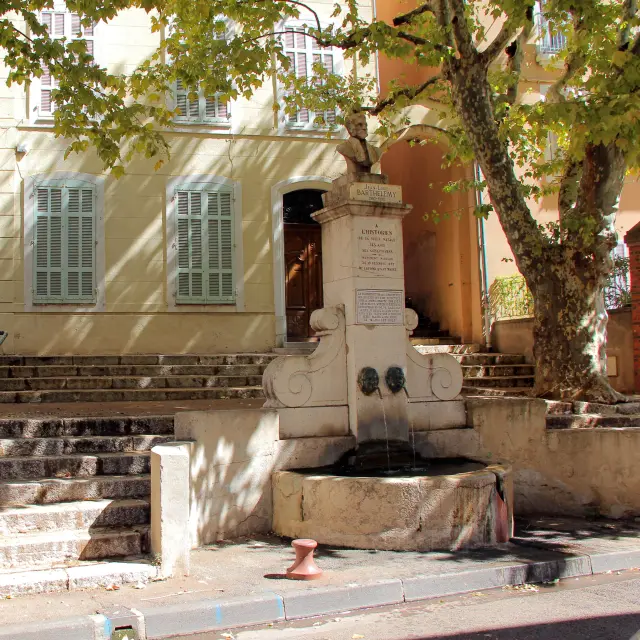
Some scenes from Regain were shot directly in the centre of Aubagne, notably around the Jean-Louis Barthélemy fountain and the Régence restaurant.

These locations bear witness to the presence of Pagnol’s cinema in the very heart of the town, and the director’s attachment to his native land…

Éoures and the Schpountz bar

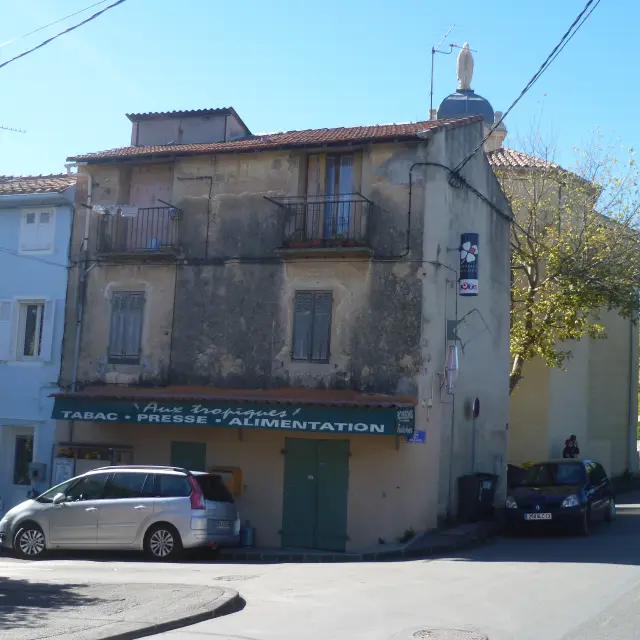
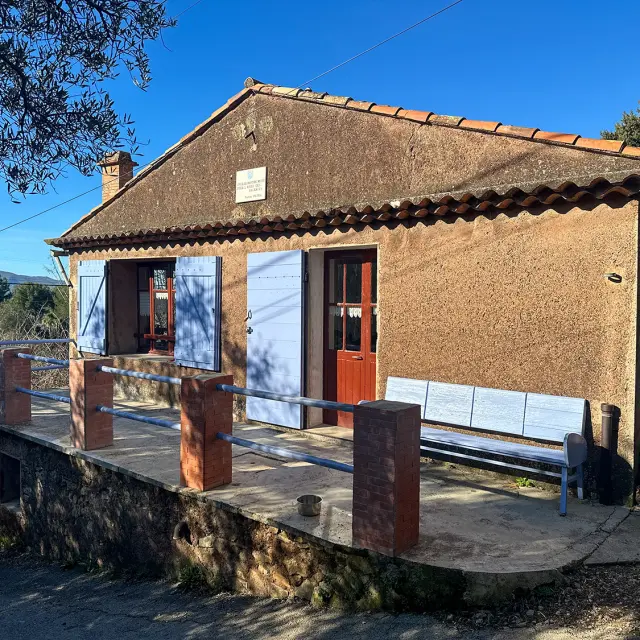
In the film Le Schpountz ( 1938), some scenes were shot in a bar-tabac-foodstuffs shop located in Éoures, now a district of Marseille, notably for the famous “anchovies from the tropics” scene.

This location appears briefly in the film, but remains a famous anecdote for fans of Pagnolesque cinema.

Tête Ronde and Maître Cornille’s mill

For the film Le Secret de Maître Cornille (1954), an adaptation of a short story by Alphonse Daudet from Lettres de mon moulin, a mill was recreated on the site of Tête Ronde, in the hills around Aubagne.

Did you know?

Not all of Marcel Pagnol’s films were shot in Aubagne. For example :

La Femme du boulanger was shot in the village of Castellet
Naïs was shot in Cassis

Despite this, the Garlaban hills remain one of the main backdrops for Pagnol’s films.

Chronology of Pagnol films shot in Aubagne

Several of the filmmaker’s films were shot around Aubagne:

  • 1933: Jofroi
  • 1934: Angèle
  • 1935: Cigalon
  • 1937: Regain
  • 1938: Le Schpountz
  • 1941: La Fille du puisatier
  • 1952: Manon des Sources
  • 1954: The Secret of Maître Cornille

How can you discover Marcel Pagnol’s film locations?

Guided walks

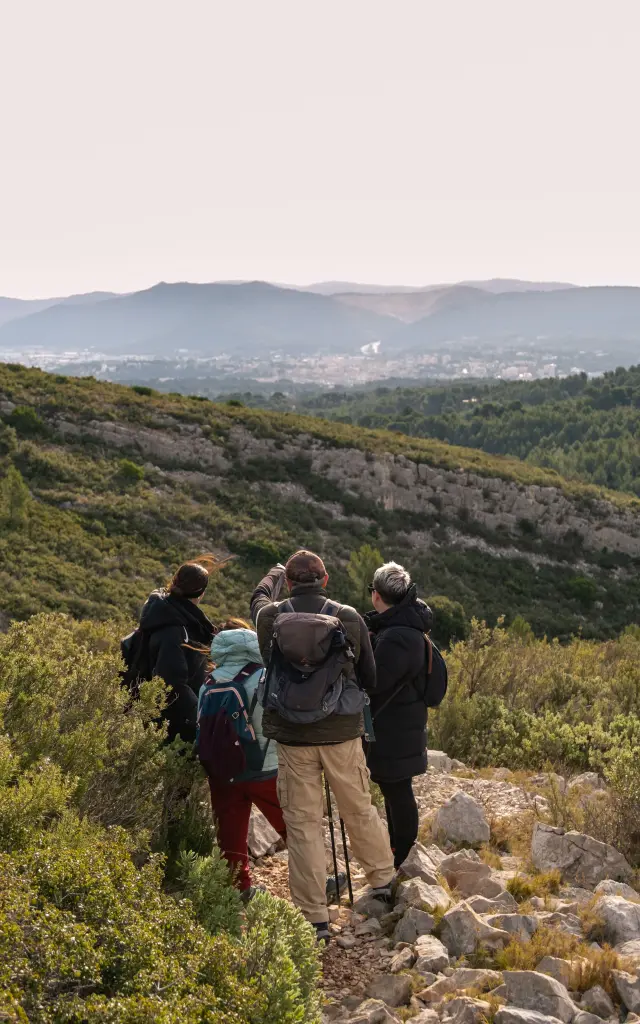
To discover these landscapes and their filming anecdotes, several guided walks are available:

Garlaban fait son cinéma

  • a 12km walk
  • immersive format for film and nature lovers

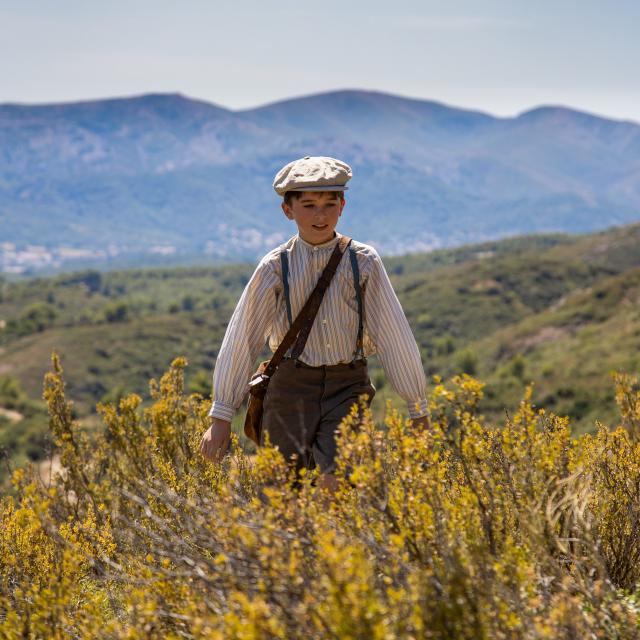
Petit Marcel, budding film-maker

  • approximately 7 km
  • a more accessible route for families

These storytelling walks are still the best way to discover the iconic film locations in the hills, and to immerse yourself in the history of cinema in Aubagne.

To find out more

Marcel Pagnol in Aubagne