©

Jean-Claude Lother

Time of Secrets

The Pays d’Aubagne et de l’Étoile,
Location for the filming of Le Temps des Secrets…

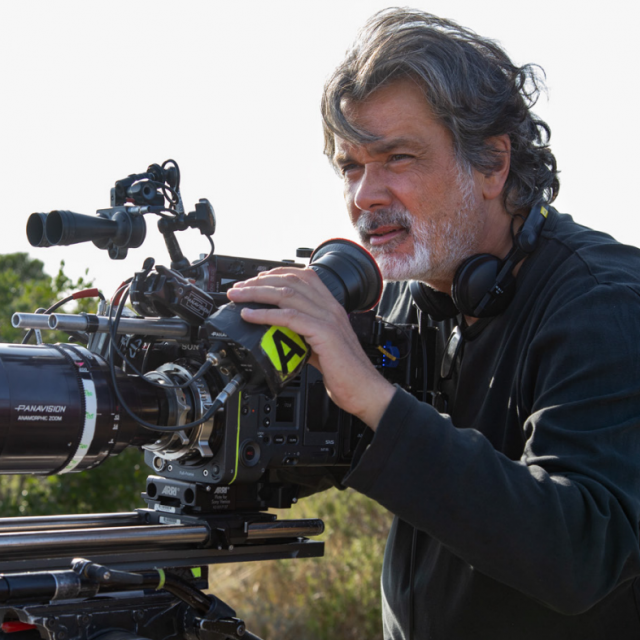
The Pays d’Aubagne et de l’Étoile Tourist Office is supporting the release of Christophe Barratier’s latest film
of Christophe Barratier’s latest film: “Le Temps des Secrets”.

An event film

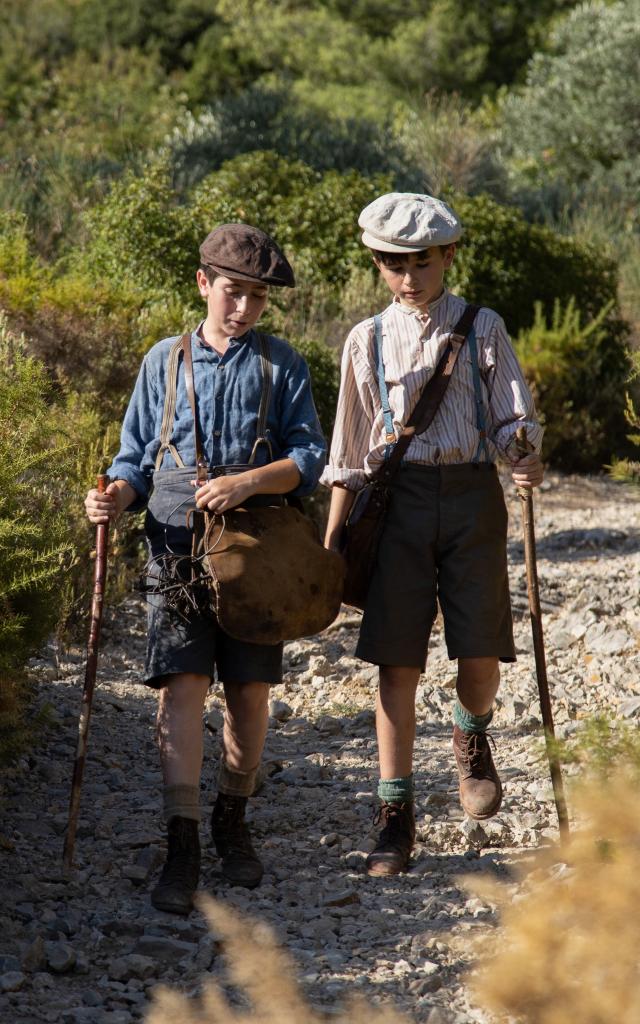
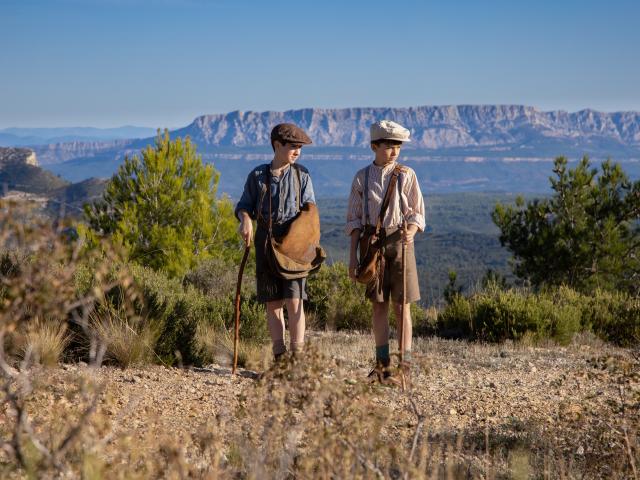
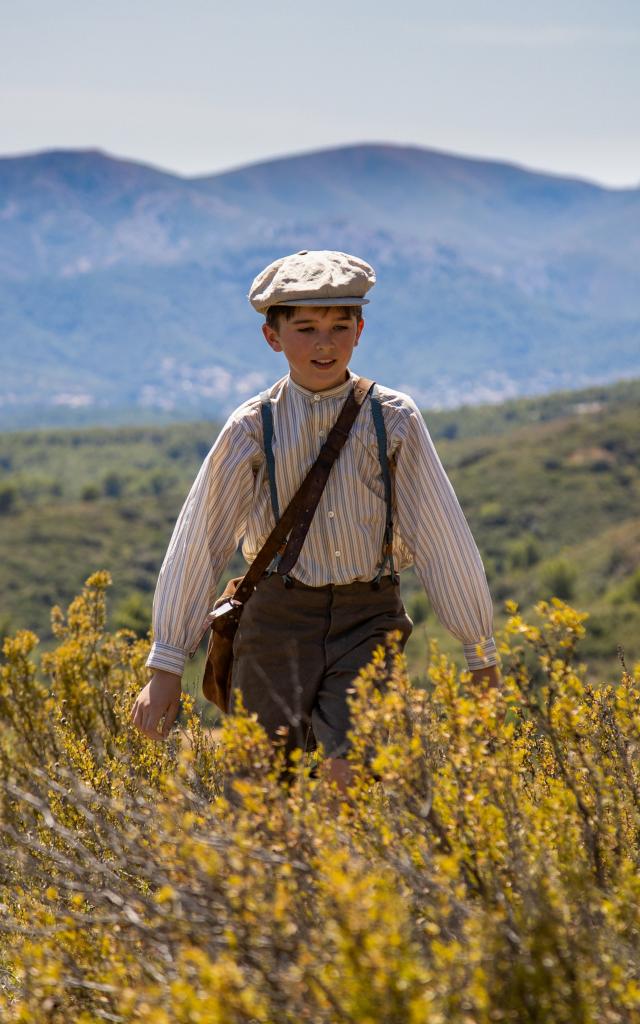
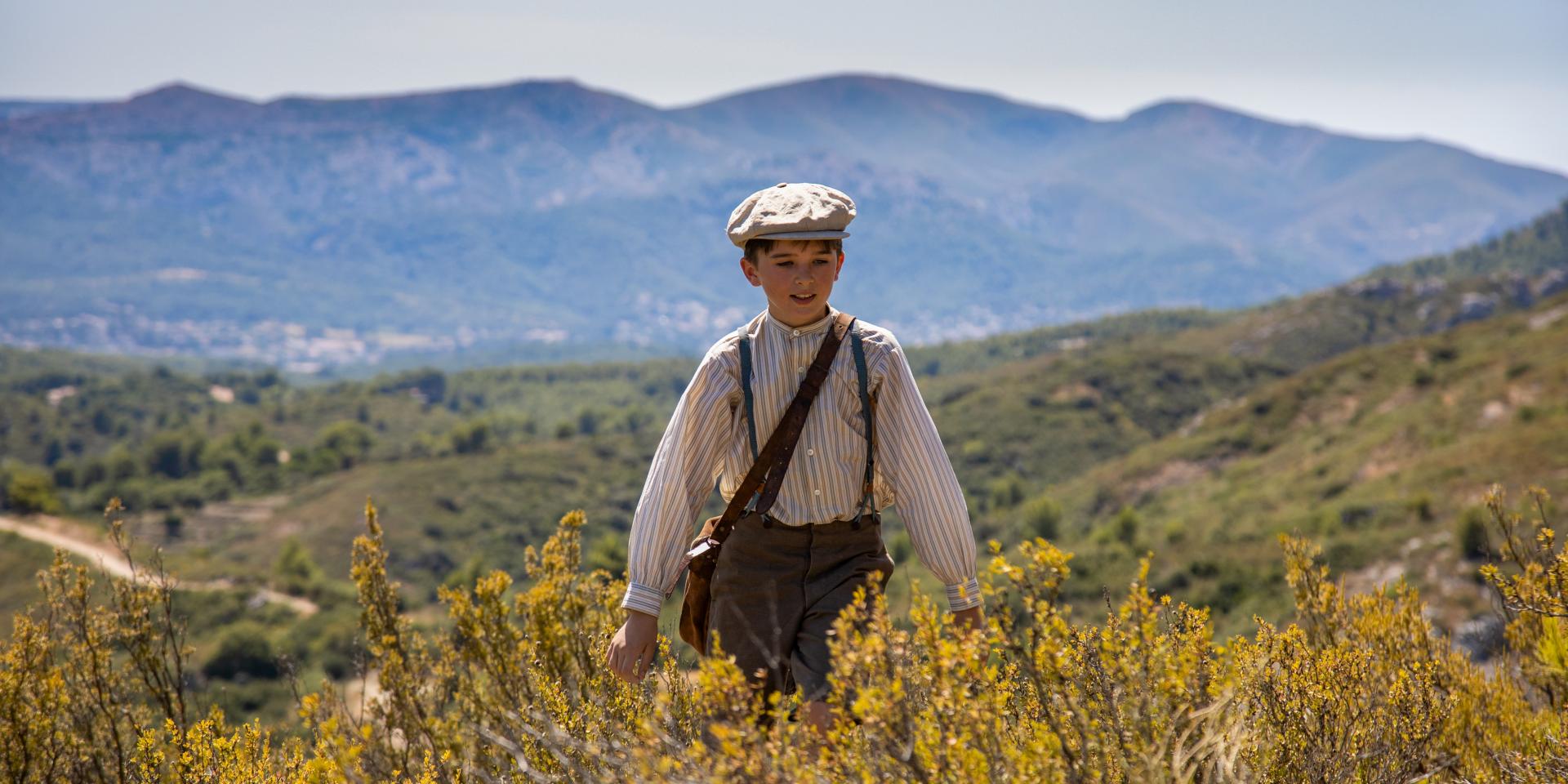
“Marseille, July 1905. Young Marcel Pagnol had just finished primary school. In three months, he would enter “lycée”. Three months… an eternity when you are that age. It was time for holidays, the real ones, the big ones! As a child of the city, this long-awaited return to the hills of Aubagne and Allauch, the hills of “La Gloire de mon père” and “Le Château de ma mère”, brought him great joy. There he rediscovers nature, the great outdoors and, above all, his friend Lili, who is always ready to share new adventures at an age when carefree days are giving way to secrets.

This is the synopsis of Christophe Barratier‘s new film, a wonderful tribute to Pagnol’s hills: Le Massif de l’Étoile and Garlaban. To mark the occasion, thePays d’Aubagne Tourist Office team has put together a range of activities for you to enjoy, including hikes, treasure hunts, exhibitions and more.
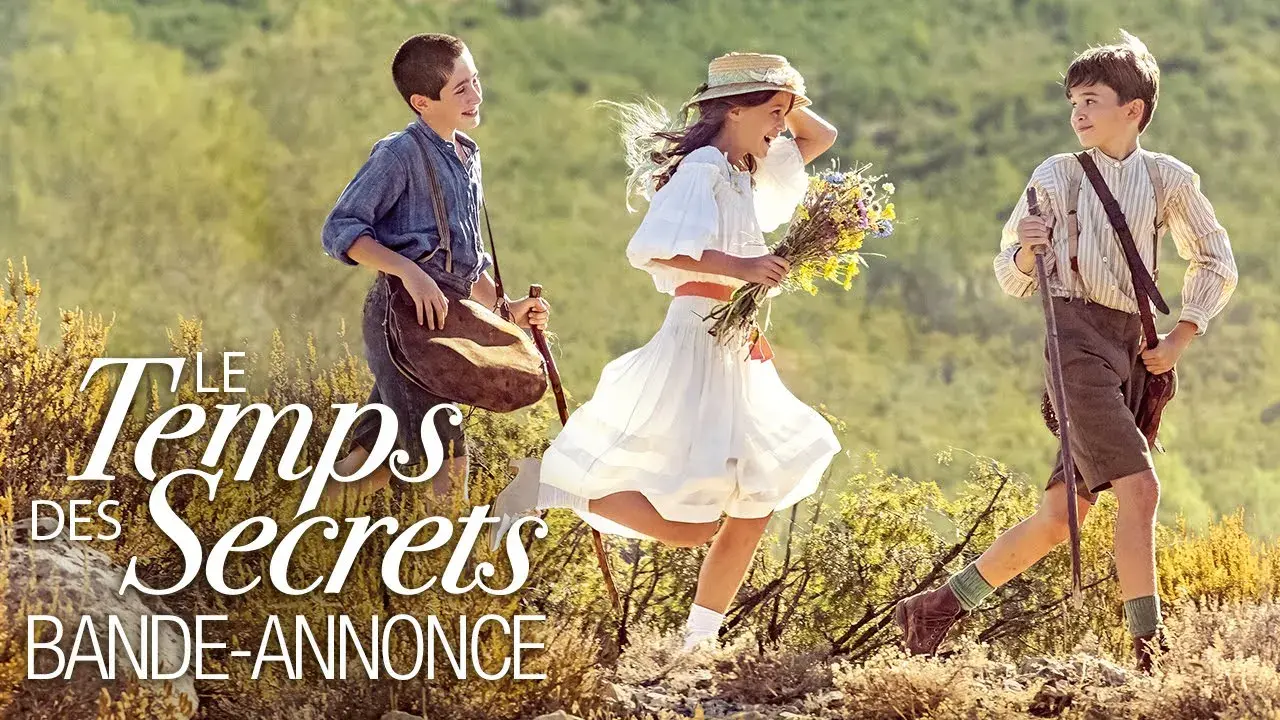
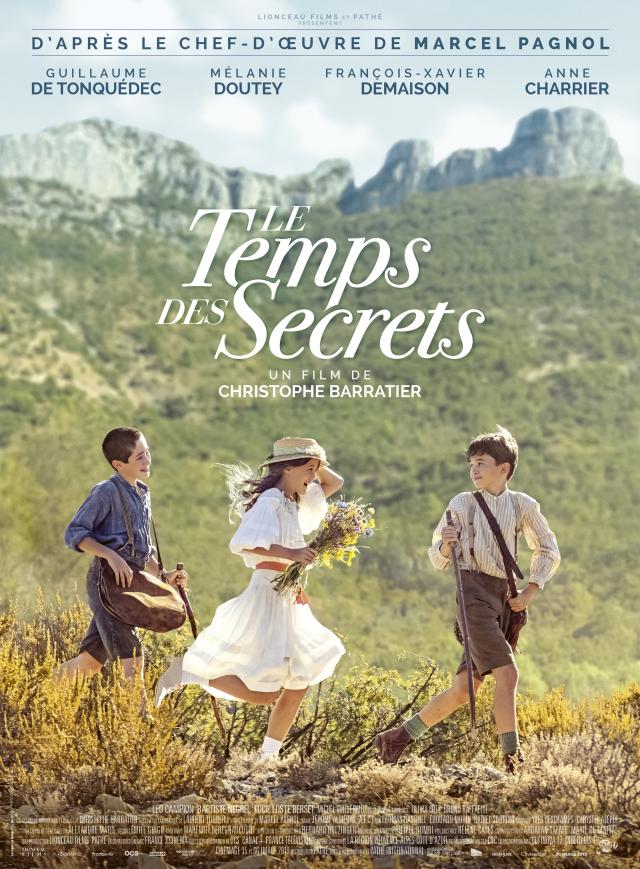
Le Temps Des Secrets - Bande-annonce Officielle HD
Time of Secrets treasure hunt

Lili at the foot of Garlaban

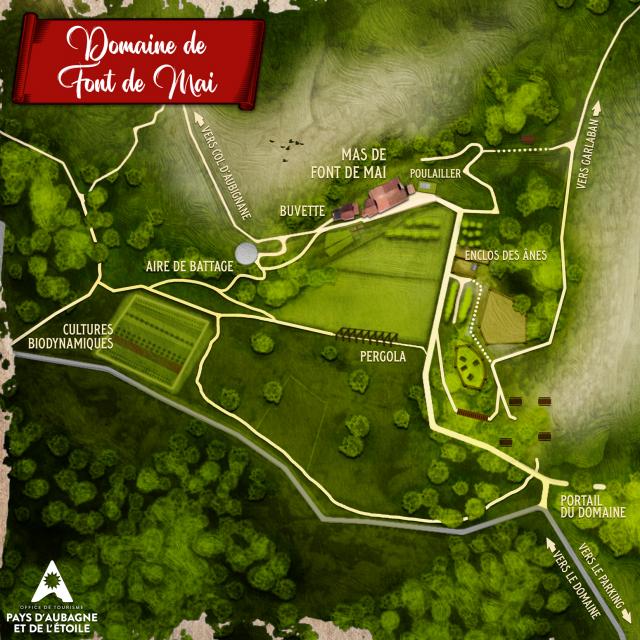
Lili knows every nook and cranny of the Garlaban, the name of every plant, the habits of hares and small birds… As usual, he has set his traps in the Font de Mai estate and is counting on his friend Marcel to catch them. Marcel won’t do it… he’s too busy with the beautiful Isabelle. The stakes are high: Lili and Marcel’s friendship must be saved!

With the help of a map and Mond des Parpaillouns’ notebook, wander through the garrigue, pine forests and olive groves, finding clues to help you preserve the bond between these two hill-tribe brothers!

Family treasure hunt – Children aged 6 and over

Booking and details

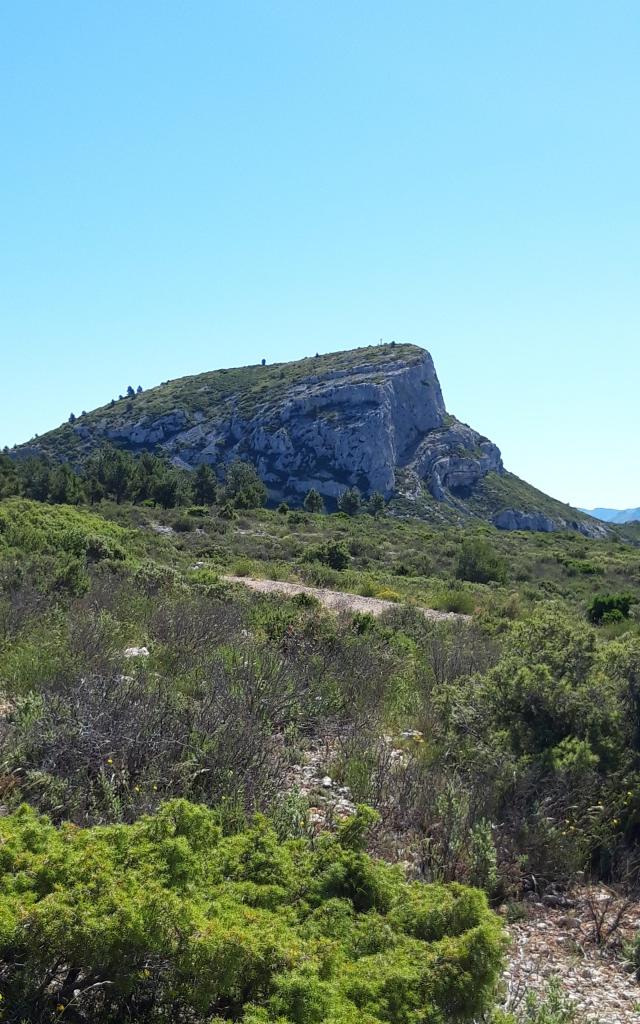
Garlaban

Land of Marcel Pagnol

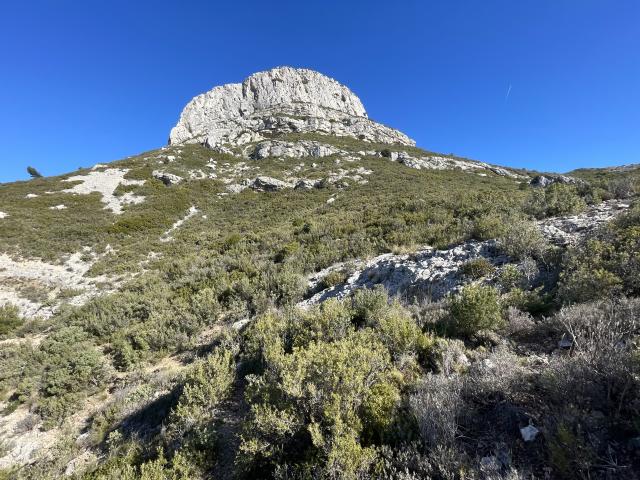
Dominating the Pays d’Aubagne from its 714m height, the summit of Garlaban is much more than a rock for the people of Aubagne. It’s a guardian, a protector that earned its letters of nobility thanks to a local boy, Marcel Pagnol.
Pagnol’s attachment to Garlaban and its hills goes back to his earliest childhood. In 1904, his family bought the Bastide Neuve in La Treille, a small village between Aubagne and Allauch. Little Marcel spent memorable holidays there with his friend from the hills, Lili des Bellons, and recounted them nostalgically in his “Souvenirs d’enfance” (“Childhood Memories”).

Thyme, rosemary, vines, olive trees, almond trees, pine trees, cicadas, falcons, partridges (the famous bartavelles), great horned owls, tawny owls… these landscapes, fauna and flora shaped Marcel Pagnol’s life and memories. The hills, the pinewoods and the scents of the garrigue were the main source of inspiration for his writing, and it was in this wild, natural setting that many of his films were shot.

Find out more about Garlaban

Just a stone’s throw from the Domaine de la Font de Mai in Aubagne, the “Puits de Raimu” (Raimu’s Well) is located on the exact spot where Marcel Pagnol filmed “La Fille du Puisatier” (The Daughter of the Puisatier). A little further on, you come across the bars of Saint-Esprit and the ruins of the farm from the film “Angèle”. On these paths leading to the Garlaban cross, little Marcel, accompanied by his friend from the hills Lili des Bellons, would join his father and his uncle Jules to share a meal during the famous bartavelle hunting parties. Opposite, the Taoumé peak, where Marcel and Lili would take refuge, is home to the world-famous “Grotte du Grosibou”, the cave of the eagle-owl.

Interview with ...Christophe Barratier

The hills are a character in their own right. How did you manage to give them their rightful place?

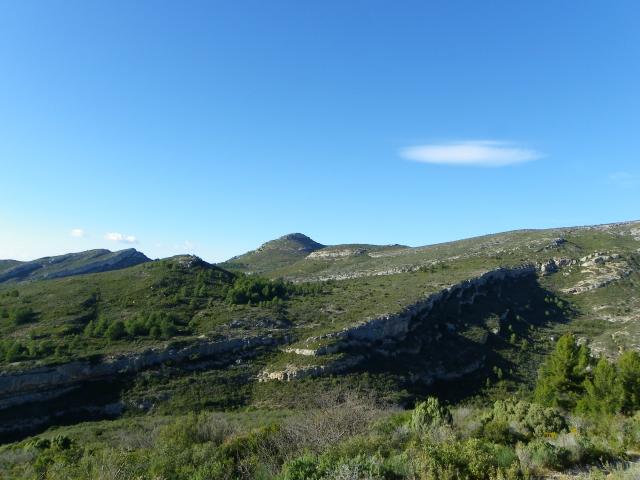
We had to magnify the setting and understand Pagnol’s fascination with the hills, where he shot most of his films, while at the same time giving the characters pride of place. In fact, Pagnol himself, as a filmmaker, rarely filmed these landscapes, and certainly not to “make them look pretty”, but as a world of their own, in which his characters are the heroes. For the hills, we actually shot on the locations described by Pagnol, such as the Passetemps valley, where Lili and her father mow the wheat, and the paths leading to Garlaban or Taoumé. The only exceptions: the vast cave into which the children venture is in the Ardèche and the Montmajour house is in the Vaucluse.

Was it easy to find your Marcel?

As with Jean-Baptiste Maunier, the hero of Les CHORISTES, it took a while. That’s normal, but no matter how much you get used to it, it always makes you break out in a cold sweat. We mustn’t convince ourselves by default; the obvious must jump out at us. We began searching the whole of Provence in December 2019. This enabled us to find little Baptiste Négrel (Lili) in Aubagne, Lucie Loste Berset (Isabelle) in Marseille and Tristan Margheriti (Lagneau) in a neighbourhood near the Velodrome, but I didn’t have a Marcel. The confinement was beneficial because it gave me a bit more time. A few weeks before the deadline, we came across Léo Campion…. in the Paris region! What could be more pagnolesque if you remember that Marcel had given the role of Marius to a Parisian of Alsatian origin, Pierre Fresnay, much to Raimu’s displeasure! It was the intensity of his eyes, his presence and his intelligence in situations that convinced me. But filming with a child is always a gamble.

Who did you work with for the animals?

The birds of prey were supplied by local falconers, the goats, sheep, horses and mules by local breeders. We also called on the services of animal trainer Pierre Cadéac. But to survey these hills, both close and secret, with a film crew of 80 people, dozens of lorries and tonnes of equipment, it was essential to surround ourselves with real connoisseurs of the terrain. The garrigue is a demanding area with highly regulated access. Especially when, at the height of the heat, fires were threatening. In fact, in photos from the early 20th century, the period of the film, you can see that these hills were much more wooded and verdant than they are today. Entire clumps of Aleppo pine, fig and olive trees have been wiped out by fire. But we were determined to recreate on screen the magnificence of the plant and animal life described by Pagnol, like a veritable Garden of Eden, made even more beautiful by a child’s vision, thanks to the teams who worked on the images, sets, special effects and animal training.

Walks and exhibitions

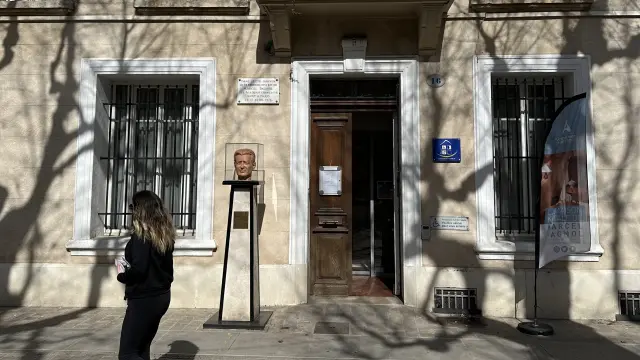
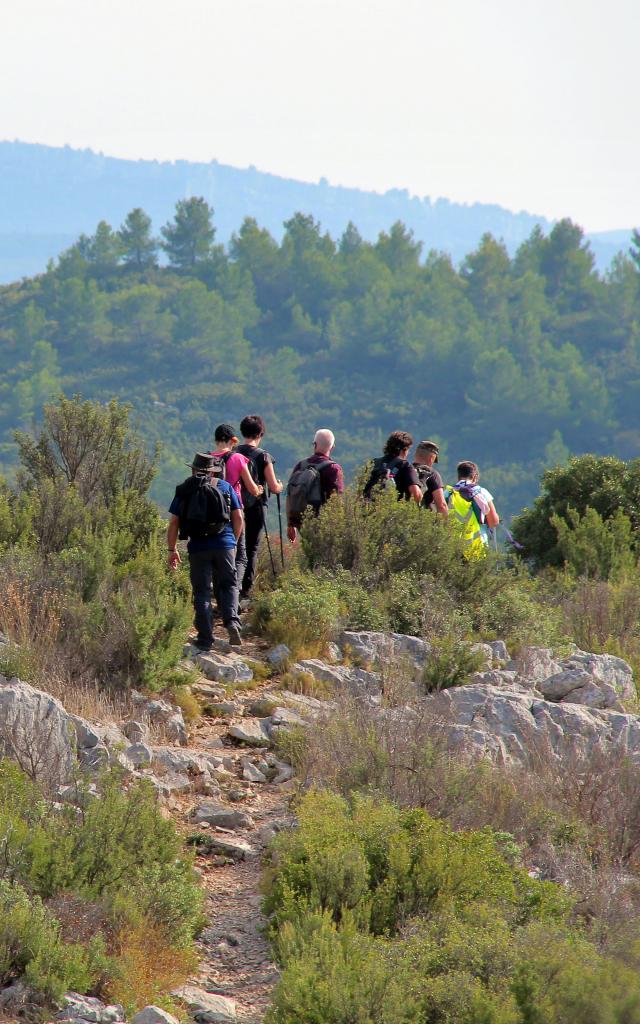
In addition to the guided tour “D’Aubagne à La Treille”, which takes you from the author’s birthplace to the narrow streets of the village where he spent his holidays, and theEscape Game at Marcel Pagnol’s birthplace, a thrilling investigation on the trail of an enigmatic secret, this year you’ll be able to enjoy a range of accompanied walking tours.

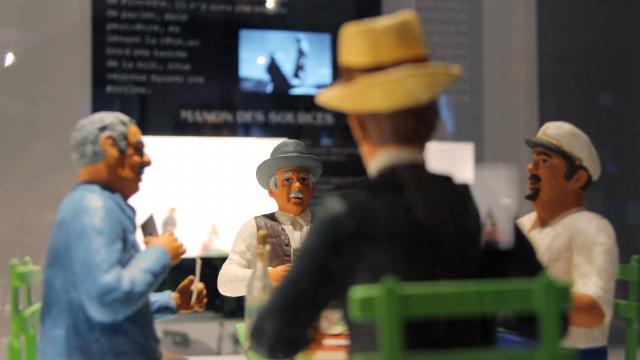
Marcel Pagnol shot most of his films and drew inspiration for his stories in these hills of Provence, dominated by the Garlaban. Along the paths of this “desert of garrigues”, you’ll discover unique landscapes fragrant with thyme and rosemary, enlivened in summer by the song of the cicadas. The Intercommunal Tourist Office offers themed walks all year round. Take a closer look at these itineraries, which turn the Provencal countryside into an open-air museum…