Olive trees and olive oil in Provence

Expertise that’s truly home-grown

An iconic symbol of Provence, the olive tree is an integral part of our landscapes, our history and our cuisine. In the Pays d’Aubagne et de l’Étoile, between Garlaban and Sainte-Baume, this emblematic tree embodies generations of expertise and traditions. From olive groves to oil mills, via our grandmothers’ recipes, set off to discover this treasure of our region, which is the pride of Provence!

The olive tree: a history deeply rooted in Provence

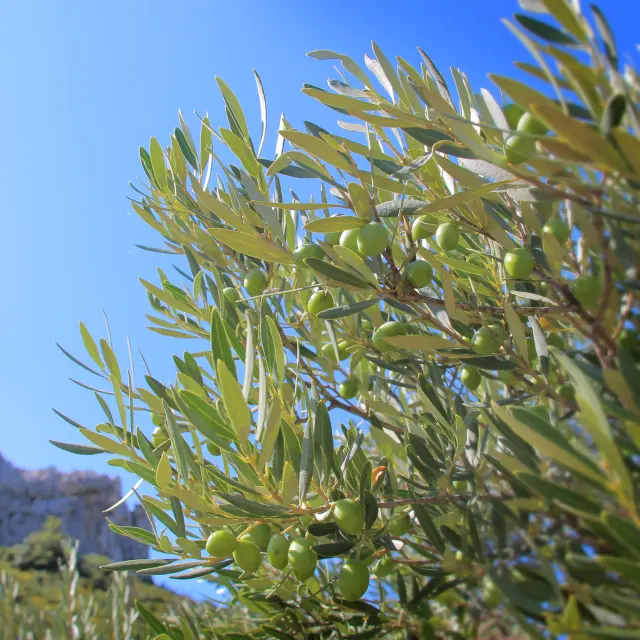
It’s impossible to imagine Provence without its olive trees! With their gnarled trunks, silvery foliage and instantly recognisable silhouette, these trees have been part of Provençal life for centuries.

Olive cultivation dates back to ancient times. Remains of ancient olive presses and oil mills bear witness to their presence in Provence as early as the 6th century BC. Over time, olive oil has become an essential ingredient in Mediterranean cuisine, as well as a prized product in everyday life.

In the Pays d’Aubagne, this tradition continues to this day. Some farms have been passed down from generation to generation, such asDomaine la Michelle in Auriol, a family-run estate whose agricultural history dates back to 1870.

Behind every bottle of olive oil lies a family history, a terroir and skills patiently passed down through the generations.
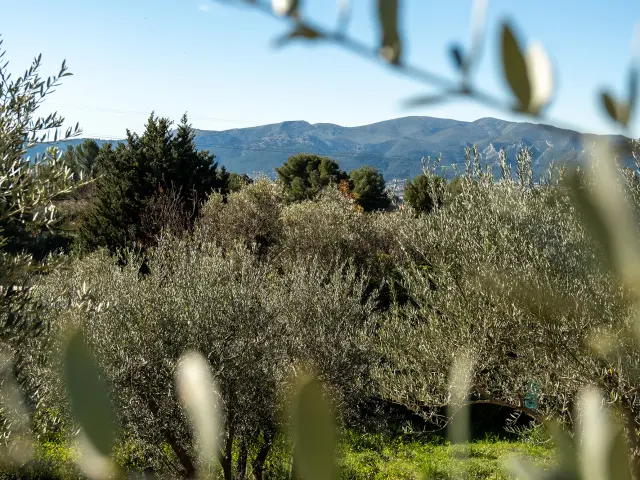
Olive groves between Garlaban and Sainte-Baume

Here, olive trees don’t just grow in picture-postcard landscapes. They are an integral part of our Provençal countryside.

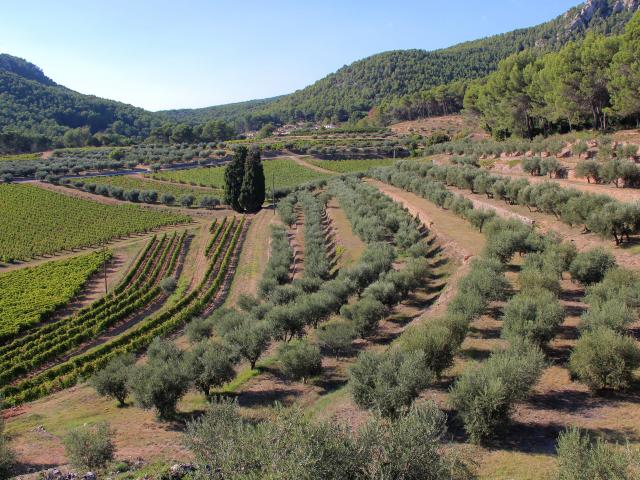
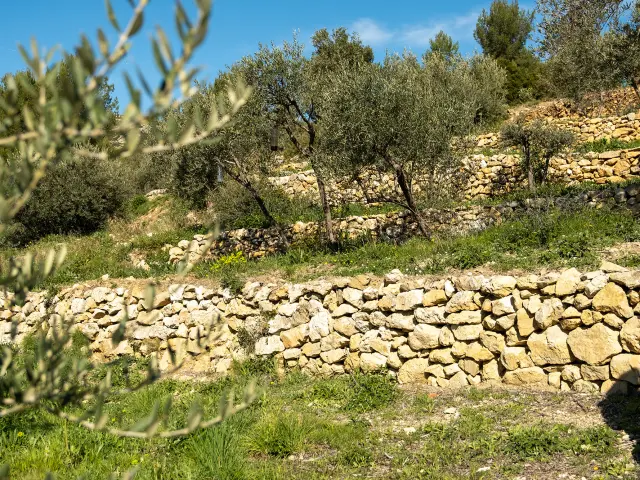
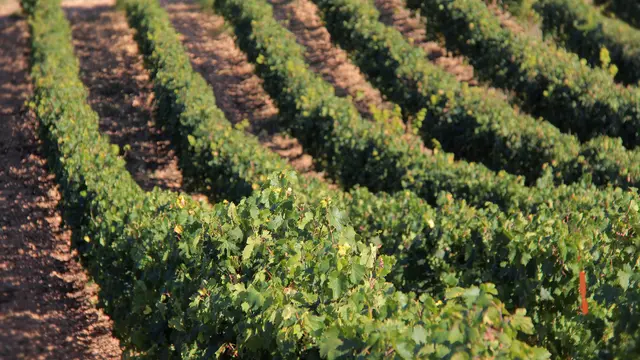
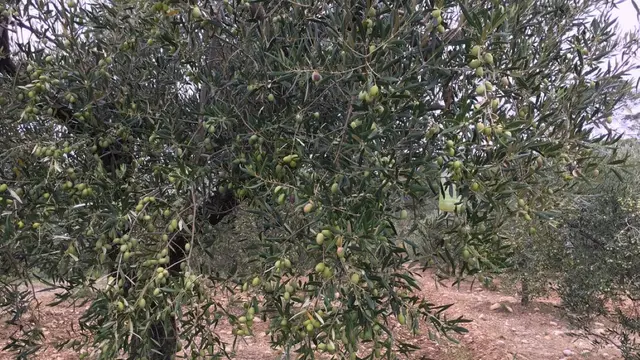
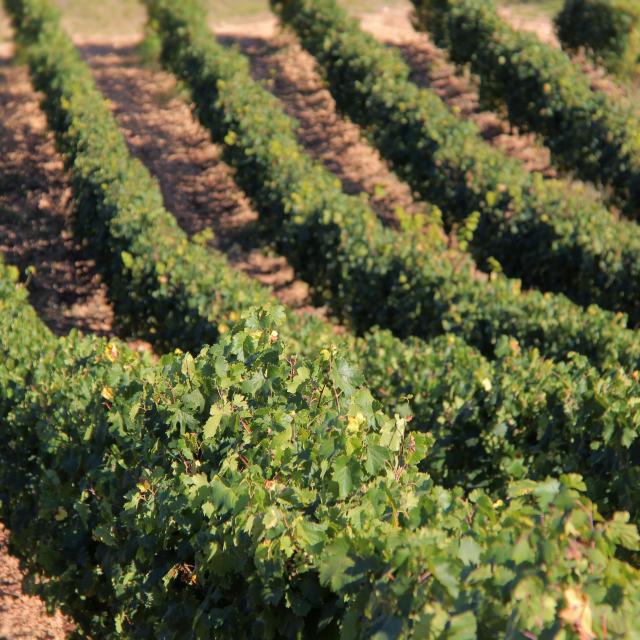
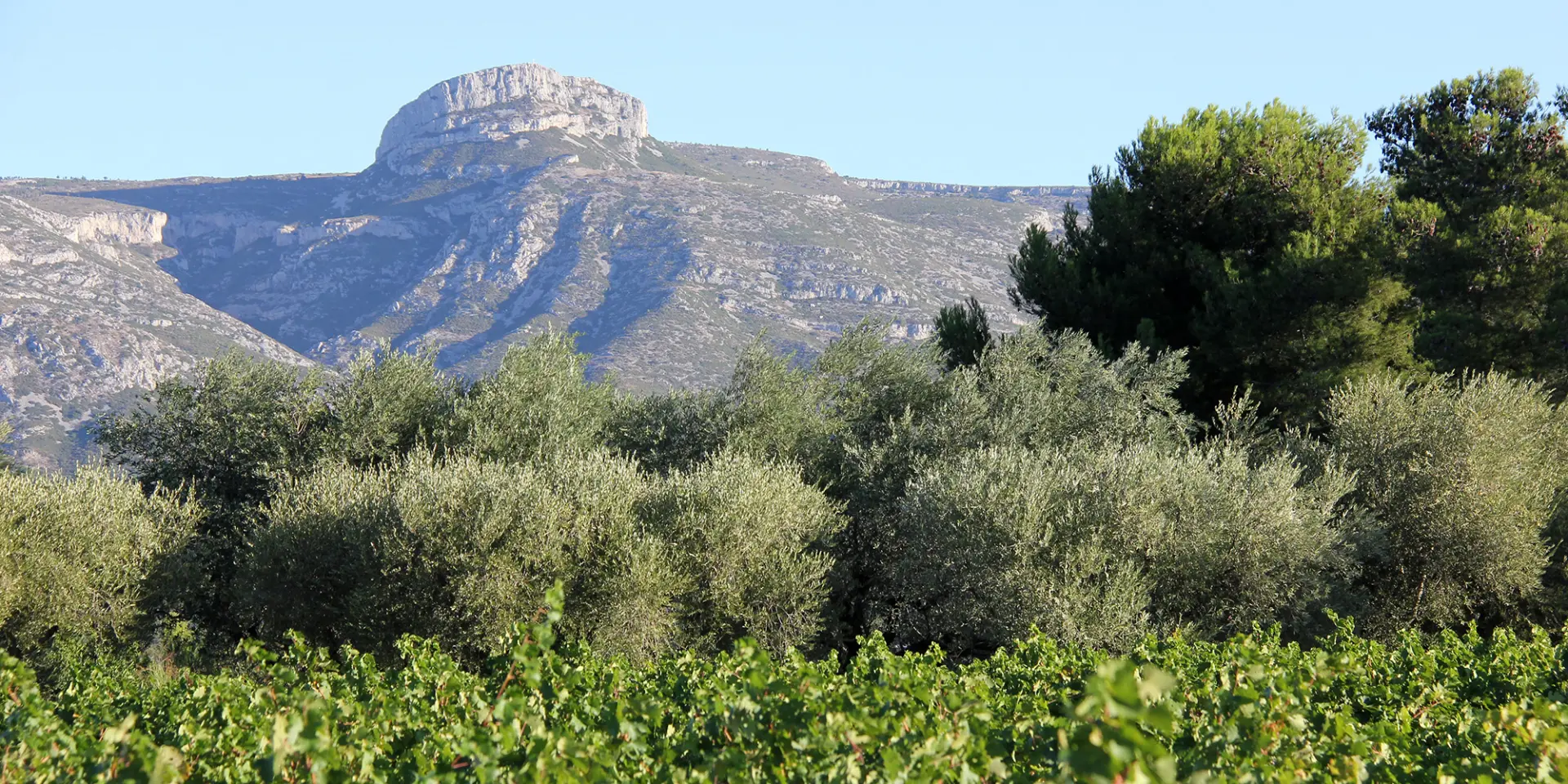
At the foot of the Garlaban, in the Huveaune valley or on the foothills of the Sainte-Baume, olive groves stand alongside vineyards, pine forests and limestone hills. Some are situated on sloping land, sometimes terraced to make cultivation easier.

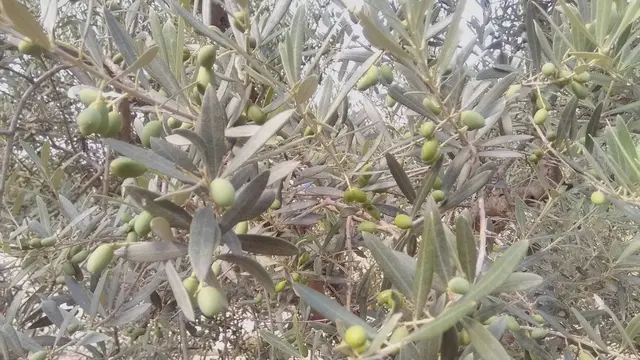
The olive tree thrives particularly well in the Mediterranean climate, characterised by hot, dry summers, generally mild winters and plenty of sunshine. Its leathery leaves and deep roots enable it to withstand periods of drought.

But contrary to popular belief, this hardy tree does require attention! Pruning, soil maintenance, pest control and water management are all part of the olive growers’ daily routine. Frosts and prolonged droughts can also jeopardise the harvest.

Did you know?

In February 1956, an exceptional cold snap severely affected the olive groves in the Bouches-du-Rhône. Many trees were destroyed above ground, but their stumps sometimes survived. After being cut back, the olive trees then regrew from the base, giving rise to several trunks.

This is why some ancient olive trees now have several trunks arranged in a circle: they bear witness to this resilience and the tree’s ability to be reborn after the frost. An olive tree can live for several hundred years! Over time, its trunk hollows out, twists and takes on shapes that are sometimes surprising. A true living witness to the history of our countryside.

The olive varieties that make Provence so rich

Not all olives are the same! Behind their different shapes and colours lie varieties with very distinctive characteristics.

In Provence, several traditional varieties contribute to the diversity of the oils produced:

  • Aglandau: very widespread in Provence, it produces oils with a distinctive character, often characterised by vegetal notes and a lovely intensity.
  • Salonenque: a traditional Provençal variety, particularly prized in oil blends.
  • Bouteillan: grown in the Provence basin, it contributes to the aromatic richness of the oils.
  • Cayon: another heritage variety that contributes to the diversity of Provence’s olive groves.
  • Cayanne: a variety found particularly in the Huveaune Valley area and within the olive-growing tradition of the Aix-en-Provence PDO.

          In Auriol, Domaine la Michelle cultivates around twenty heritage varieties. This is a fine illustration of the diversity of olive trees and the importance of preserving this agricultural heritage.

          The choice of varieties, their blend and their stage of ripeness directly influence the flavours of the resulting oil. This is why two oils produced just a few kilometres apart can offer very different taste experiences!

          From the olive tree to the mill: the secrets of olive oil production

          Before olive oil makes its way back onto our tables, we have to wait a whole year and look after the tree as the seasons change.

          The olive tree through the seasons

          In spring, the olive trees are covered in tiny white flowers. After flowering, the first fruits begin to form.

          In summer, the olives gradually grow larger under the Provençal sun. Growers keep a close eye on their trees, particularly in the face of extreme heat and water shortages.

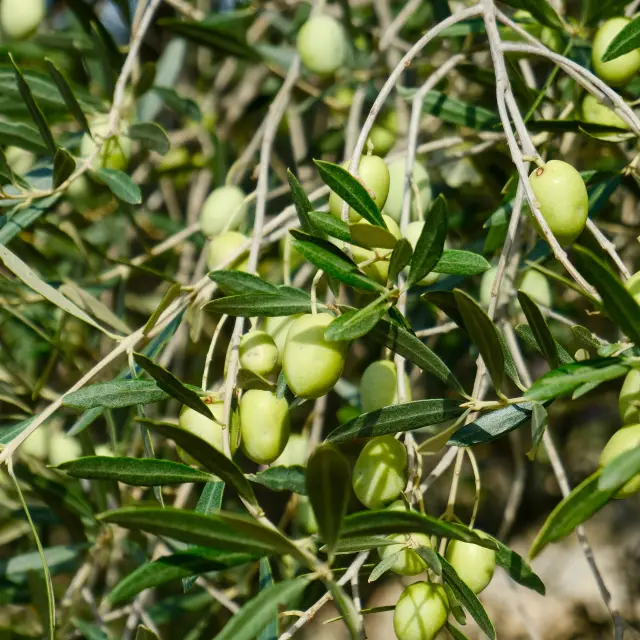
          In autumn, the fruit gradually changes colour. Depending on the variety and the type of oil sought, the grower chooses the ideal time to begin the harvest.

          Between October and December, depending on the year and the farm, comes the time of the ‘olivade’, the name given to the traditional olive harvest in Provence.

          How is olive oil made?

          Once harvested, the olives are taken to the mill, where their processing begins.

          1. De-leafing and washing
          The olives are stripped of their leaves, twigs and impurities before being washed.

          2. Crushing
          The olives, including the stones, are crushed to produce an olive paste. Once carried out using stone millstones, this process is now generally performed using modern mechanical equipment.

          3. Mixing
          The paste is slowly mixed to encourage the fine droplets of oil to coalesce.

          4. Extraction
          The oil is separated from the water and other components of the paste, mainly through centrifugation.

          5. Storage
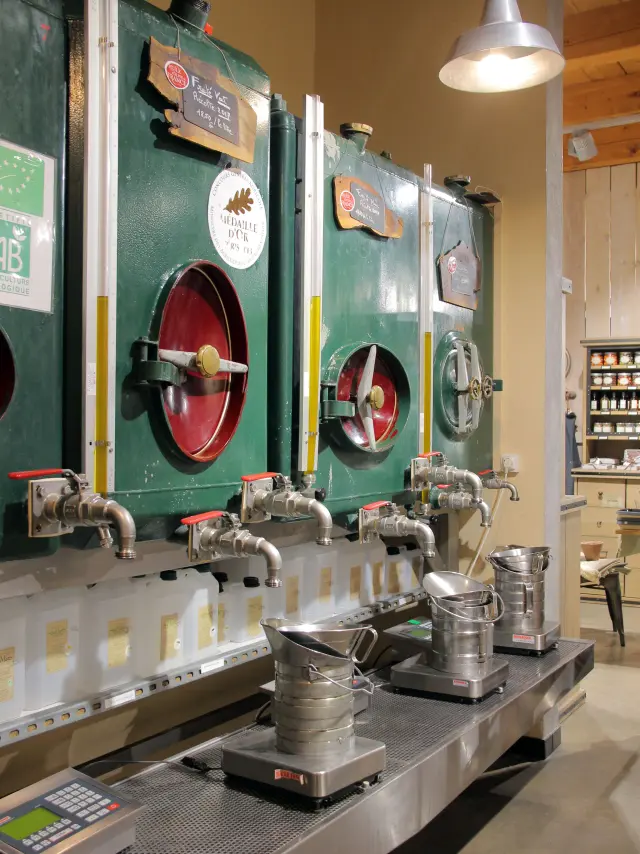
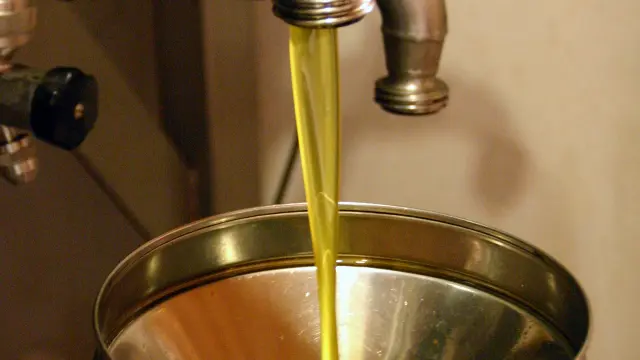
          After any necessary clarification or filtration, the oil is stored away from light, air and heat to preserve its qualities.

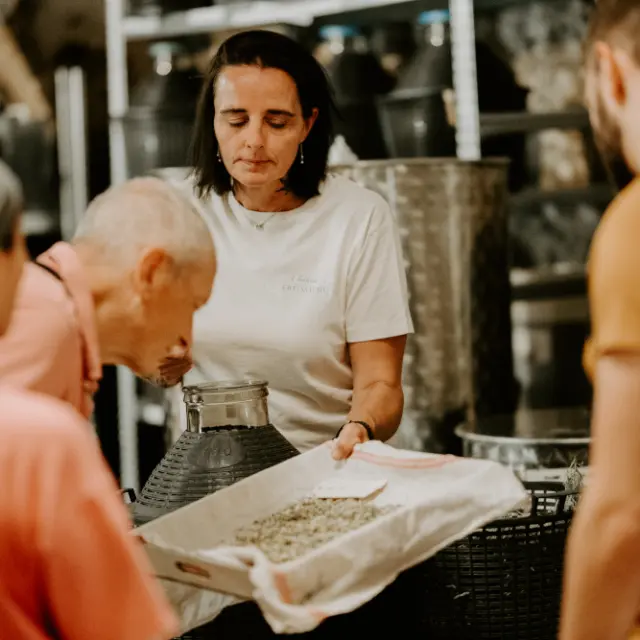
          At the Moulin des Amis de la Picholine in Aubagne, at the foot of the Garlaban, the olive-growing tradition continues. The mill offers private individuals the opportunity to have their own olives processed.

          A wonderful way to keep a family tradition alive that is still very much a part of our region!

          How can you recognise and taste a good Provençal olive oil?

          Mild, fruity, herbaceous or slightly tangy: olive oil holds many surprises for those who take the time to savour it. In Provence, there are two main flavour profiles in particular.

          What about PDO designations?

          Several Provençal olive oils have been awarded Protected Designation of Origin (PDO) status, notably ‘Huile d’olive de Provence’ and ‘Huile d’olive d’Aix-en-Provence’.

          These designations guarantee compliance with precise specifications, linked to a specific geographical origin and recognised expertise.

          Be aware, however, that a locally produced oil is not necessarily PDO-certified. To find out about its origin, the olive varieties used or how it is produced, the simplest way is still to speak directly to the producer!

          Green fruitiness, for those who love a bit of character

          Produced from olives processed shortly after harvesting, it is characterised by its vegetal aromas, which may be reminiscent of fresh grass, raw artichoke or green almonds.

          On the palate, a slight bitterness and a peppery sensation in the throat may be noticeable. This is known as ‘ardence’.

          Our gourmet tip: just a few drops over ripe tomatoes, grilled vegetables or a slice of country bread are enough to bring out its flavours.

          Dark fruitiness, for milder flavours

          Made from olives that have undergone a carefully controlled ripening process before processing, this type of oil develops rounder notes, which may be reminiscent of black olives, toasted bread, candied fruit or the forest floor.

          Its bitterness and pungency are generally much more subtle.

          Our gourmet tip: it pairs beautifully with mashed potatoes, cooked vegetables or slow-cooked dishes.

          Where can you buy local olive oil in the Pays d’Aubagne?

          Fancy taking a little bit of Provence home with you, or simply discovering the flavours of our region? Several producers and oil mills are keeping the olive-growing tradition alive in our area.

          Cracked olives: a culinary tradition of Provence

          In Provence, olives aren’t just enjoyed in the form of oil. They also take centre stage at aperitif time! Among the traditional specialities, ‘cassées’ olives are particularly prized for their texture and delicately fragrant flavours.

          How are they made? Take firm green olives, split them slightly without crushing the stone, then remove their bitterness before flavouring them.

          How are cracked olives prepared?

          The traditional method involves a few key steps:

          • Selecting the olives: choose green, healthy and sufficiently firm olives.
          • Cracking the olives: split them gently, traditionally using a mallet, without breaking the stone.
          • Removing the bitterness: carry out a suitable de-bittering process, either by changing the water regularly or using a tried-and-tested traditional method.
          • Prepare the seasoning: use fennel and other Provençal herbs in particular.
          • Allow the flavours to develop: follow a suitable preparation and storage method before tasting.

                  Every family sometimes has its own little traditions, passed down from generation to generation.

                  For a homemade preparation, the de-bittering times, the composition of the brine and the storage conditions must be followed according to a tried-and-tested recipe.

                  Our tip: serve the cracked olives as an aperitif, with country bread, some crunchy vegetables and other Provençal specialities.

                  Olive oil: an essential ingredient in Provençal cuisine

                  If there’s one thing you’ll always find in a Provençal kitchen, it’s olive oil! After all, olive oil is to the people of Provence what salted butter is to the people of Brittany: an essential that you simply can’t do without!

                  It accompanies sun-ripened vegetables, adds flavour to salads, infuses marinades with its aroma, and is used in the preparation of many traditional specialities.

                  A few must-try dishes:

                  • Aioli: an iconic condiment made from garlic and olive oil, often served with vegetables, fish and eggs.
                  • Tapenade: a speciality made with olives, capers and anchovies, perfect on toasted bread.
                  • Pistou soup: a hearty soup made with vegetables and beans, flavoured with a mixture of basil, garlic and olive oil.
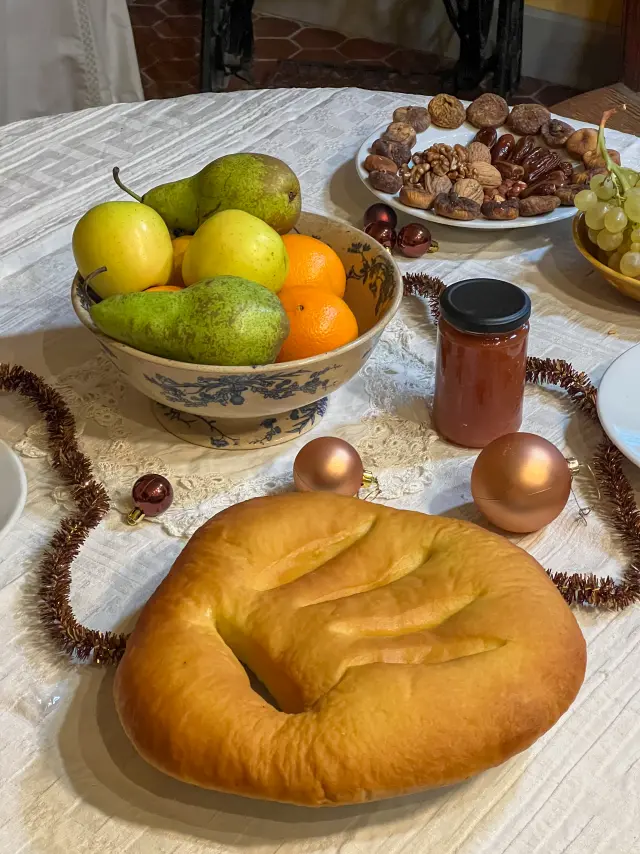
                  • Pompe à l’huile: a traditional Christmas treat, a must-try amongst the thirteen Provençal desserts.

                        The ‘pompe à l’huile’, a tradition passed down through the generations

                        In the Pays d’Aubagne, the ‘pompe à l’huile’ is one of the region’s festive culinary traditions.

                        Made with flour, yeast, sugar, olive oil and sometimes orange blossom water, this speciality—meant to be shared—holds a special place on Provençal tables.

                        And to give it even more character, why not use olive oil produced right on our doorstep?

                        Olive trees in Provence: frequently asked questions

                        Discover also

                        The terroirs and flavours of the Aubagne region