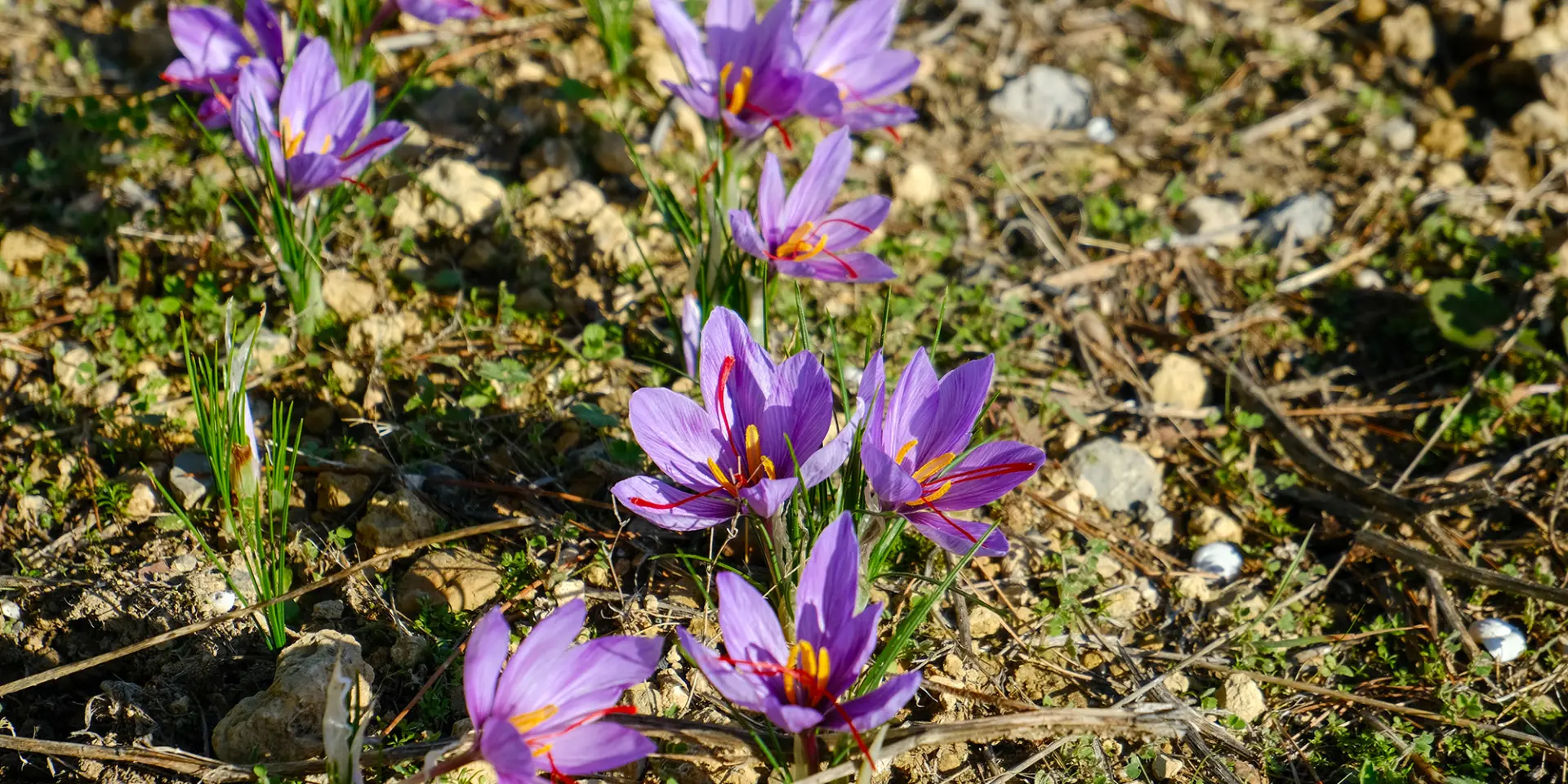
Saffron Harvest, Lascours, Terre de Safran, JLO, OTI, Pays d’Aubagne 22
©

Saffron Harvest, Lascours, Terre de Safran, JLO, OTI, Pays d’Aubagne 22

|

jlo_OTI Pays d'Aubagne

Saffron in Provence: Provence’s ‘red gold’

From growing saffron to harvesting its precious stigmas, discover the secrets of ‘red gold’ in Provence. Meet the producers of the Pays d’Aubagne et de l’Étoile, discover their expertise and take part in the saffron harvest in the autumn.

Saffron in Provence: a historical legacy

The cultivation of saffron in Provence dates back to the 16th century, having been introduced from the Greek islands. The Vaucluse, and more specifically the Comtat Venaissin, was the birthplace of the first Provençal saffron fields before this practice spread to other French regions such as the Gâtinais.

For five centuries (from the 14th to the 19th century), saffron was cultivated extensively in the Vaucluse, with different drying methods used in different areas: in the sun in Avignon (the ‘oriental’ method) or over a brazier in Orange and Carpentras (the ‘Spanish’ method). Production declined, however, in the 19th century due to harsh winters, fungal diseases and rising labour costs.

The revival of Provençal saffron took place at the turn of the 2000s, driven by organisations such as Safran-Provence.
Saffron in the Aubagne region

The Pays d’Aubagne et de l’Étoile region is home to several saffron producers committed to organic farming and high-quality local production.

Growing conditions: climate and soil

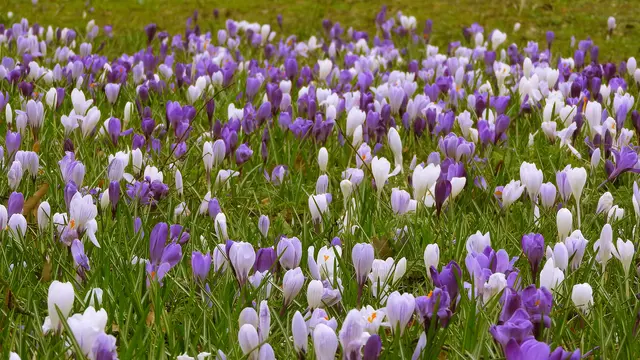
Saffron (Crocus sativus) is a hardy plant that thrives at altitudes of between 300 and 1,200 metres. Although it can withstand extreme temperatures (–15°C to +40°C), the bulbs must be protected from frost by planting them deep enough.

Agronomic requirements:

  • Soil: deep, well-drained, rich in organic matter and minerals; soils that are too clayey (risk of suffocation) or too sandy (poor growth) should be avoided
  • Climate: arid to semi-arid, with mild winters and hot, dry summers; a period of summer drought is necessary for the bulbs’ vegetative dormancy
  • Water: requirements are moderate; autumn rainfall is sufficient for flowering and spring rainfall for bulb enlargement, making irrigation unnecessary

      The farming cycle: an age-old ritual

      Planting: from July to September, in rich, sunny soil, at a depth of 15–30 cm depending on the risk of frost, with a density of 20 to 50 bulbs per m². As this is a perennial crop, crop rotation is necessary to prevent disease.

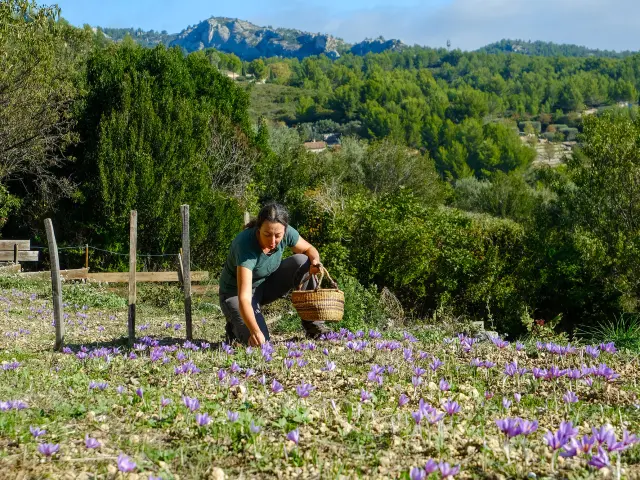
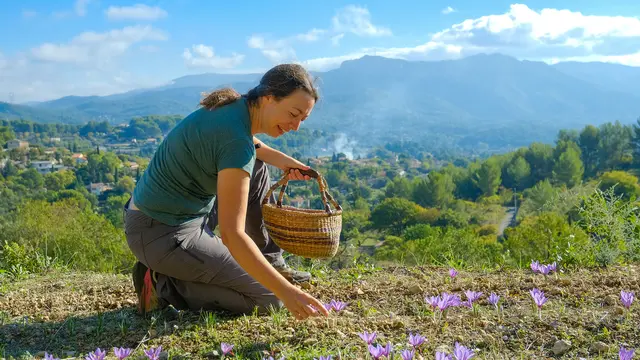
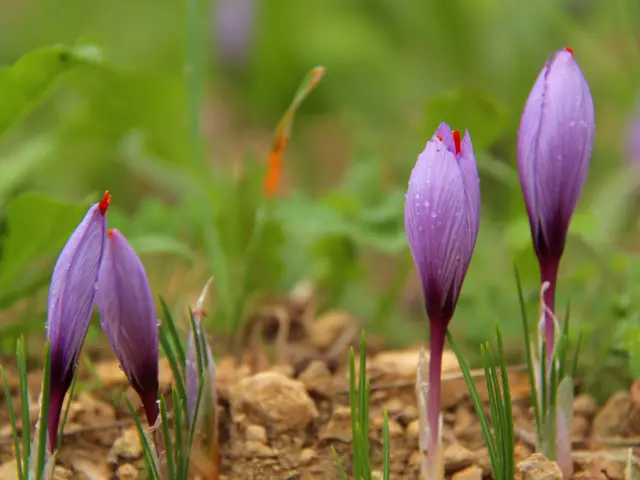
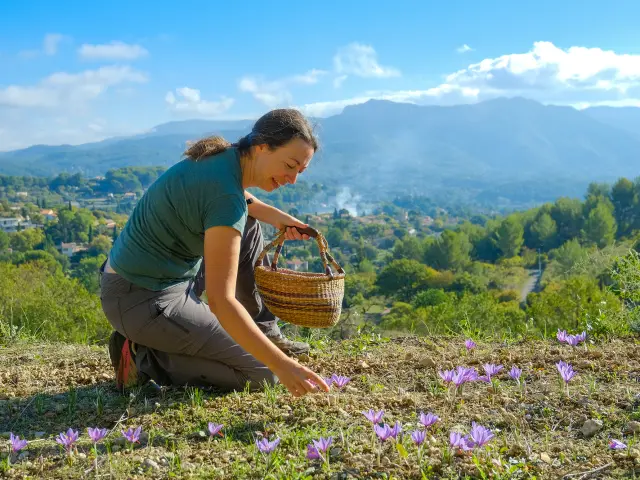
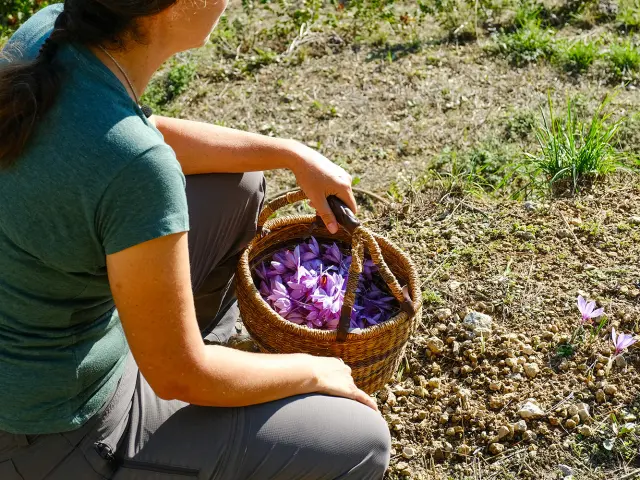
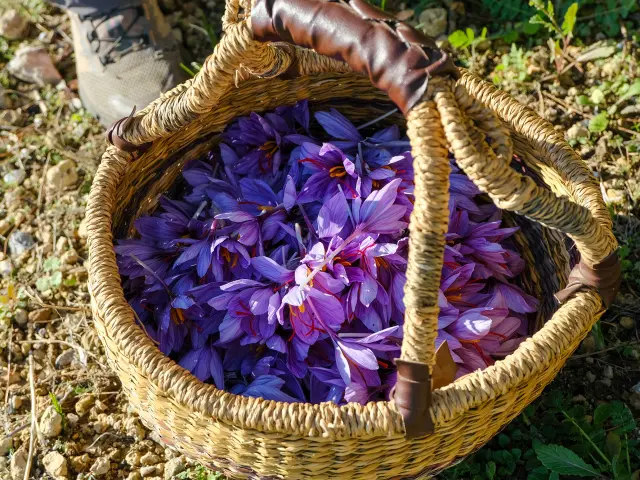
      Flowering and harvesting: late October to early November (depending on altitude, aspect and weather); the flowers emerge above ground during the night. Harvesting is done by hand in the early morning, before the sun damages the flowers.

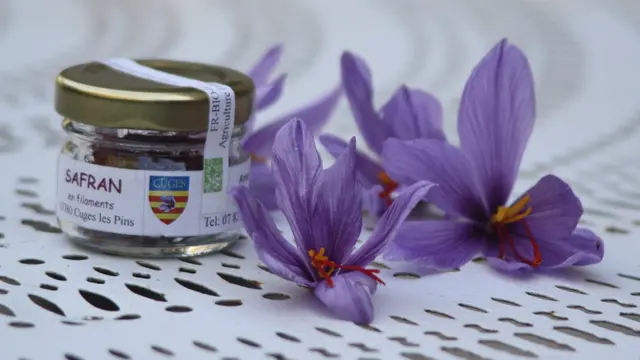
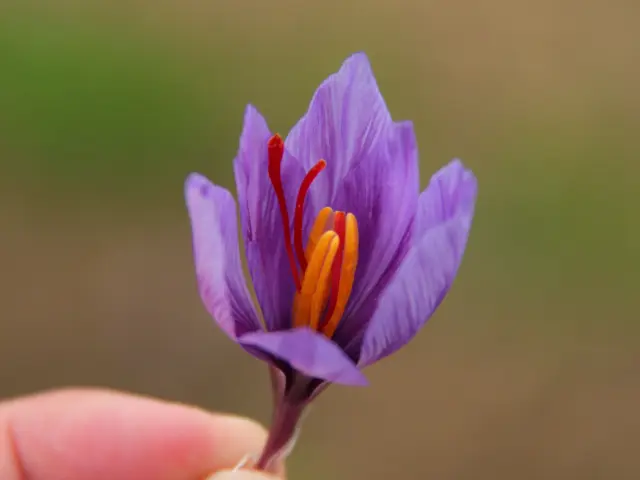
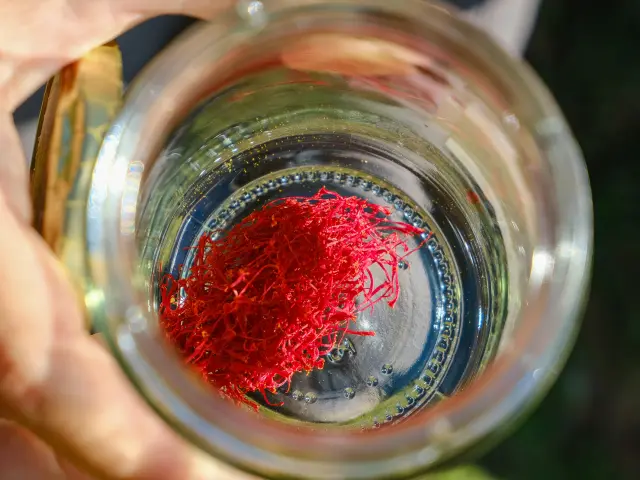
      Trimming: within 24 hours of picking, each flower is trimmed flower by flower, pistil by pistil, to extract the three filaments (stigmas) nestled between the petals. This is meticulous and delicate work, historically reserved for women.

      Drying and storage: the stigmas are dried in an oven or, more traditionally, over the embers of a wood fire, then packaged away from light and air to preserve their flavour and aroma.

      Good to know: get involved in the saffron harvest

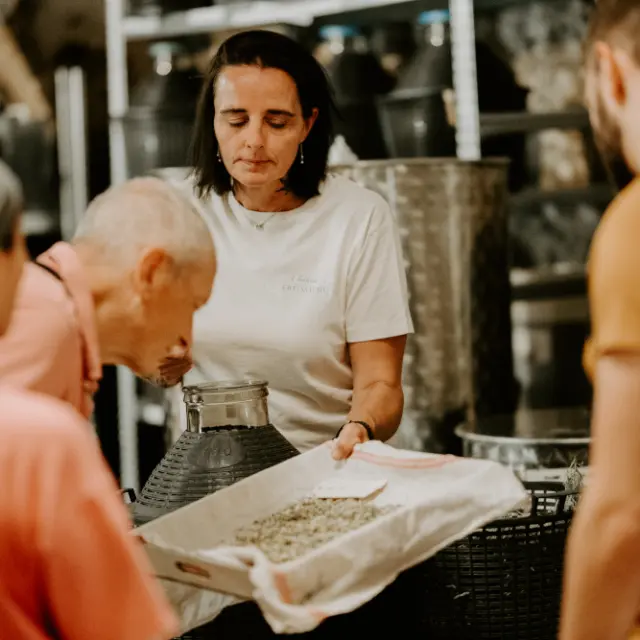
      Once a year, usually in early November, some local producers organise harvest days that are open to the public by booking. These events offer visitors the chance to learn about saffron cultivation and to take part in picking the flowers and trimming the stigmas. Organised in particular by Le Safran des Mellets in Aubagne (from 15 October to 15 November) and Safran de Cuges (Anne Jeanjean) between late October and early November, these visits offer a wonderful opportunity to understand the work involved in producing this ‘red gold’.

      Uses and value of Provençal saffron

      Provençal saffron is used as a prized ingredient in many dishes (paella, rice, meat, seafood) and also has applications in traditional medicine. Historically, it was also used to dye clothes and as a remedy for melancholy.

      Rouille Provençale, the iconic sauce of Marseille and Provence, traditionally includes saffron amongst its key ingredients. This spicy sauce, served with fish soup and Marseille-style bouillabaisse, is made from egg yolk, olive oil, garlic and saffron threads (around 0.1 g or 4 to 6 pistils for a family-sized recipe). Saffron lends it its characteristic golden colour and an inimitable sea-salt aroma that makes this Provençal speciality so unique.

      Its rarity and the time-consuming nature of its production (it takes around 150,000 flowers to produce 1 kg of dried saffron) make it the ‘red gold’ of Provence, a luxury spice recognised worldwide.

      Discover also

      The terroirs and flavours of the Aubagne region