The Cave of Saint Mary Magdalene
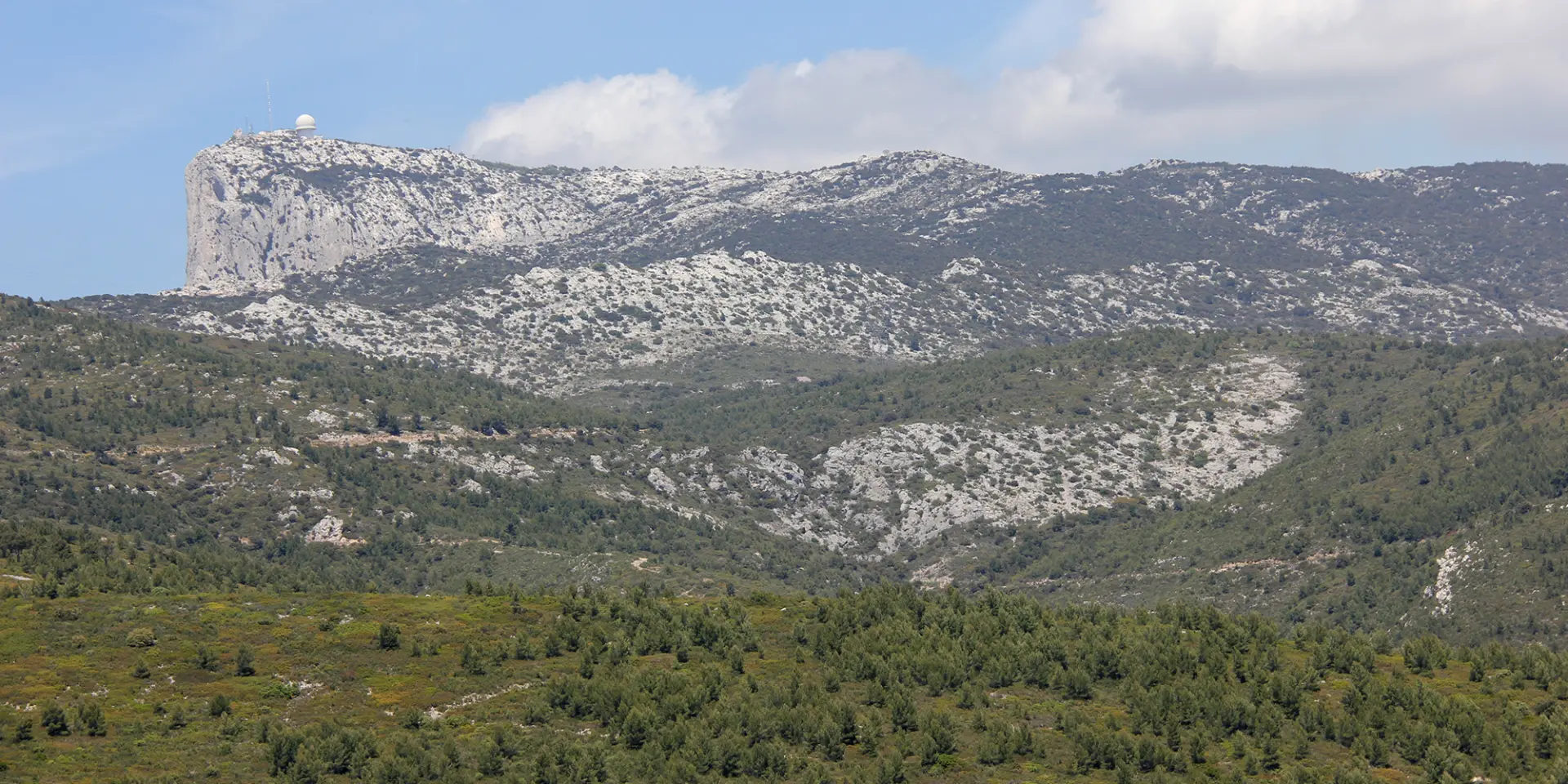
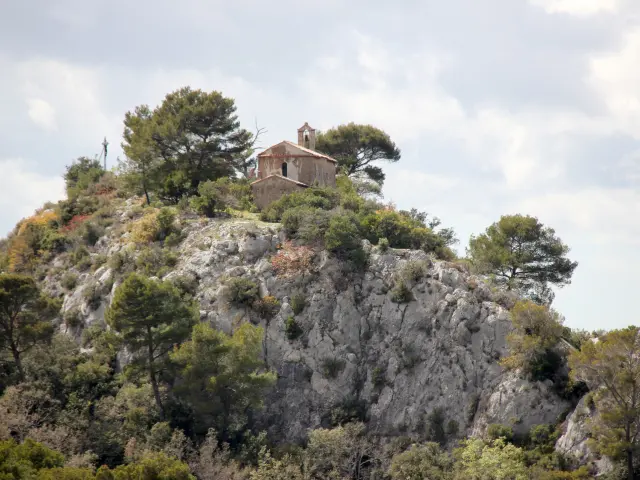
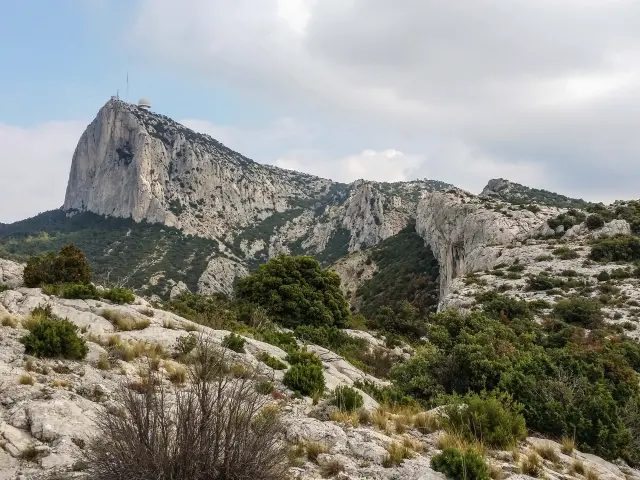
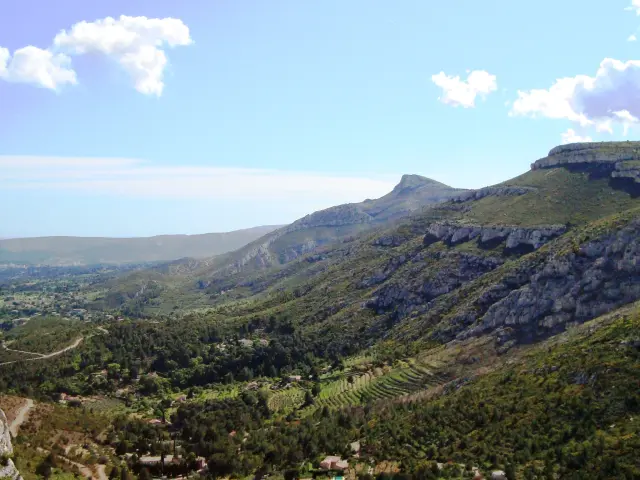
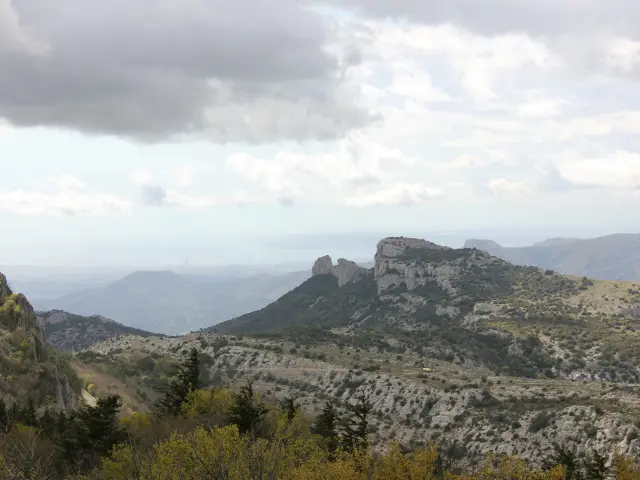
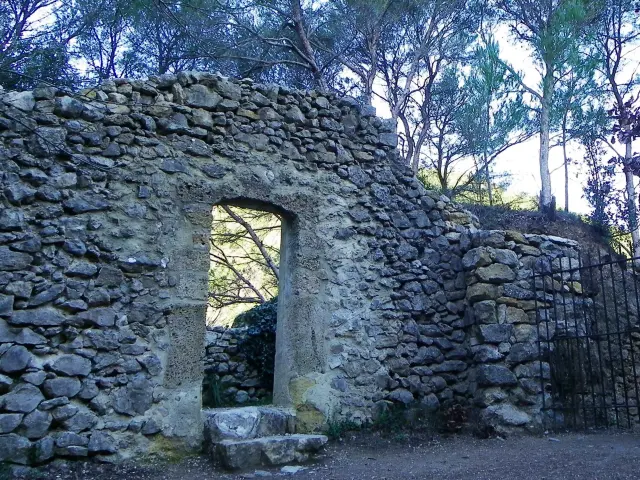
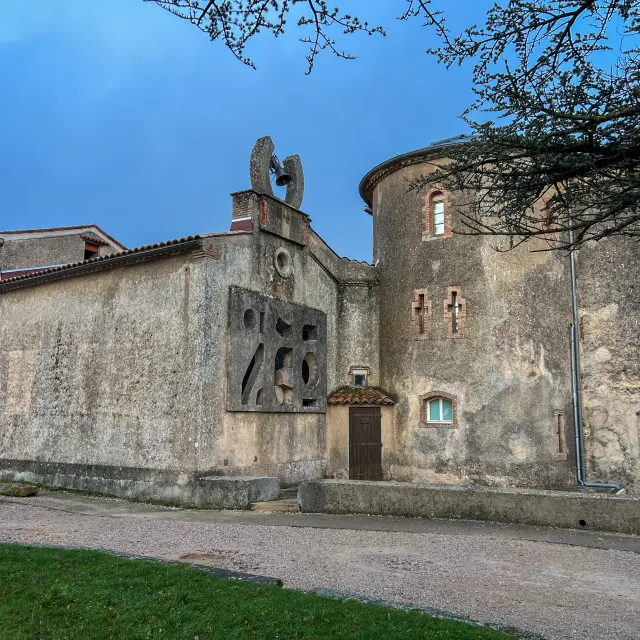
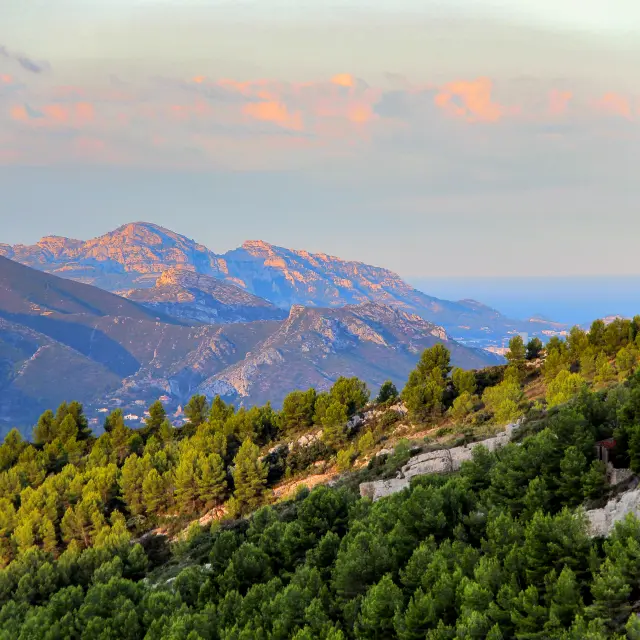
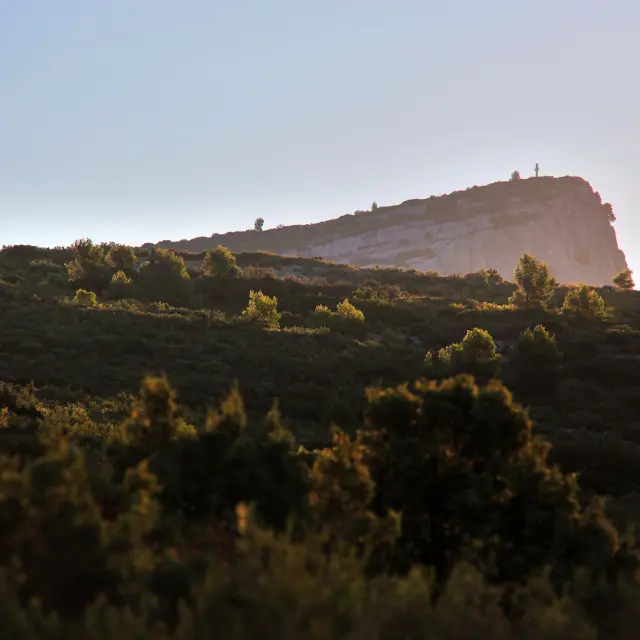
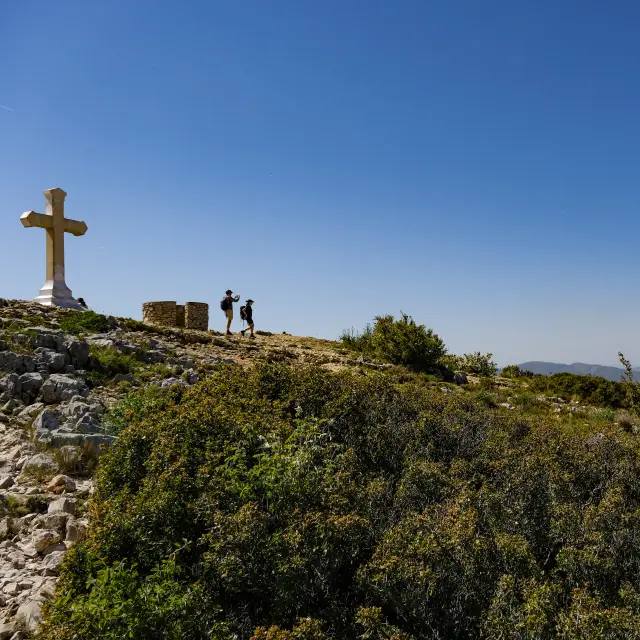
Beyond its remarkable landscapes, the Sainte-Baume massif has been a place of spiritual significance in Provence for centuries. Its sacred status dates back to Antiquity, when the Ligurians, Greeks and Romans already regarded this mountain as a site associated with the gods of fertility. Over time, Sainte-Baume has become one of the most important Christian pilgrimage sites in France, and even today, numerous reminders of this spiritual history can be found throughout the massif: the famous Chemin des Roys, its oratories, the Chapelle des Parisiens, the Chapelle du Saint-Pilon and the Hostellerie run by the Dominican friars.
An unmissable place of pilgrimage
Since the 11th century, Sainte-Baume has welcomed generations of pilgrims who have come to walk in the footsteps of Mary Magdalene. Among them were many kings of France, including Saint Louis, François I and Louis XIV, as well as several popes and countless visitors who came here seeking a moment of inner peace.
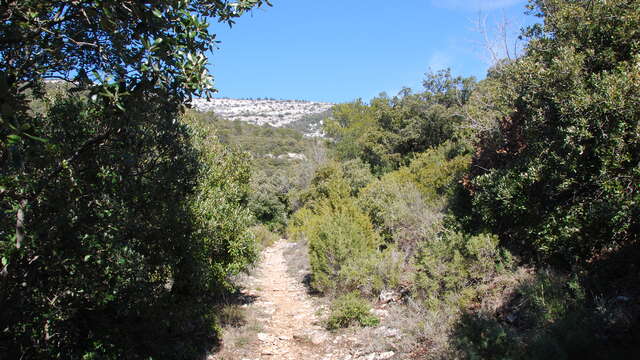
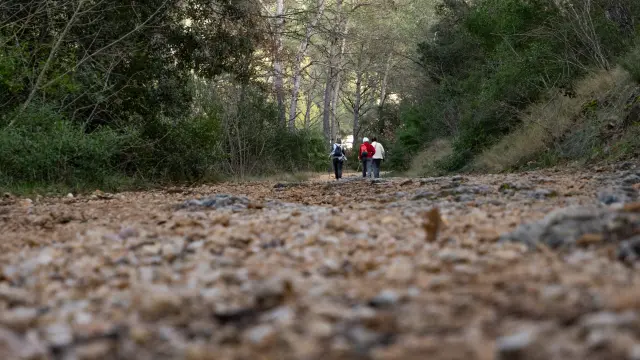
The pilgrimage traditionally follows the Chemin des Roys, a historic path first laid out in the 14th century. Along the route, seven wayside shrines recount the major episodes in the life of Mary Magdalene and guide walkers to the grotto. Today, this route retains its full spiritual significance and invites everyone, whether a believer or not, to enjoy an experience blending heritage, history, nature and contemplation.
A sanctuary steeped in history
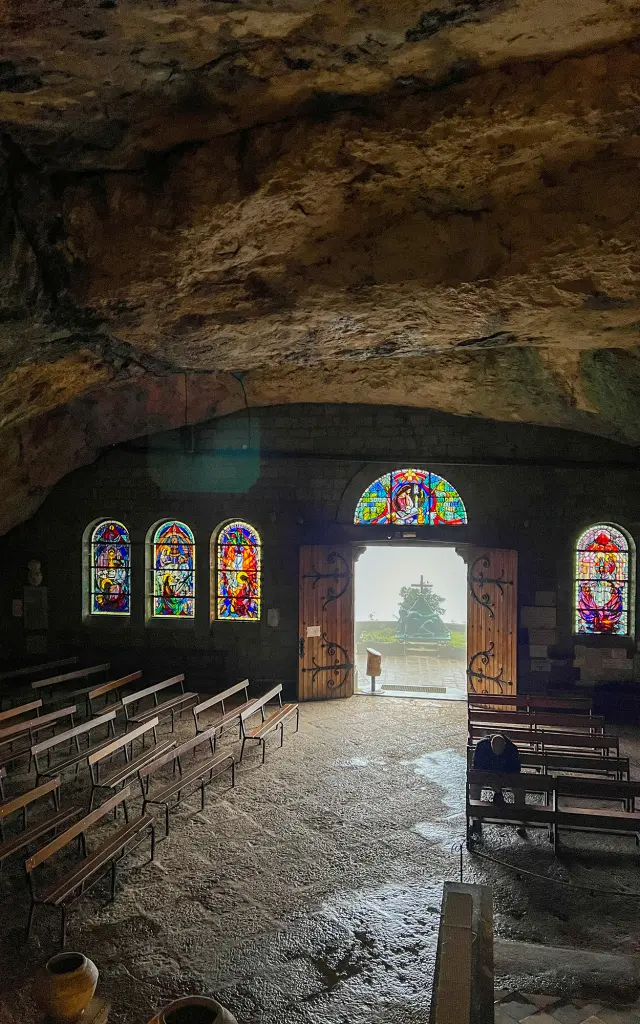
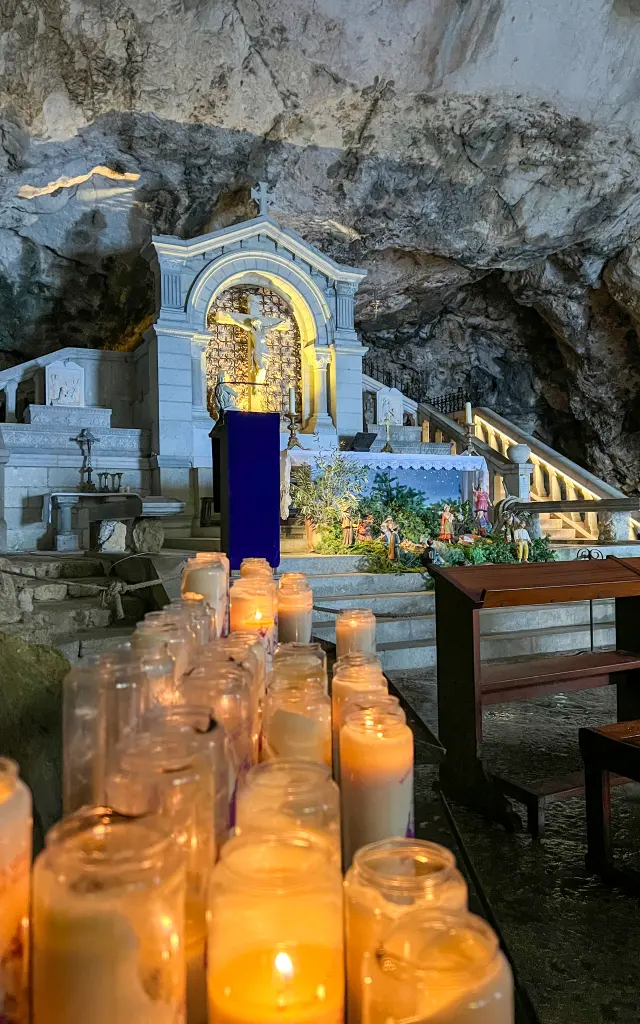
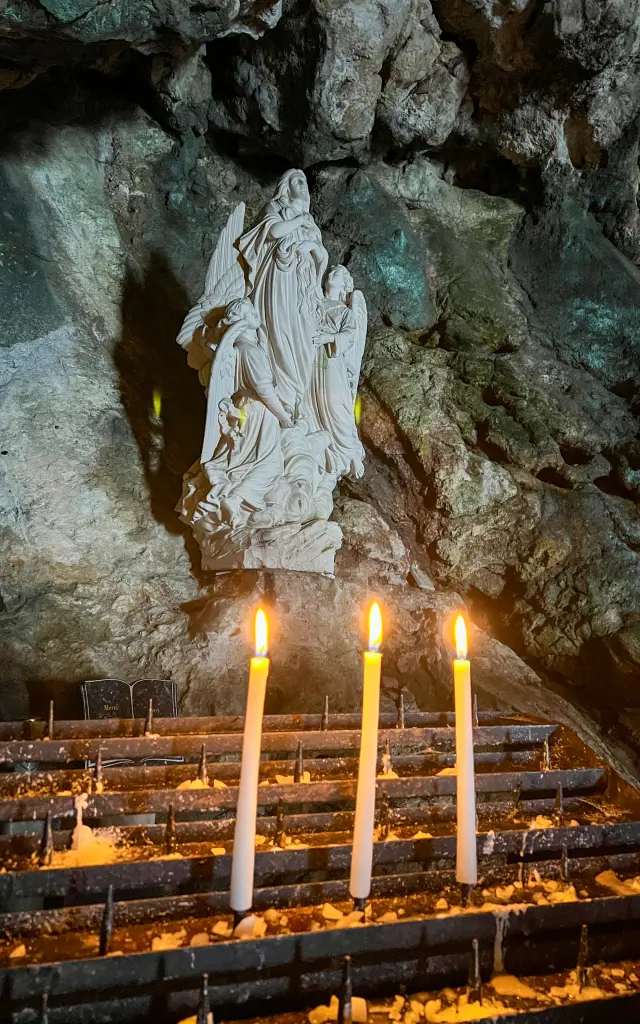
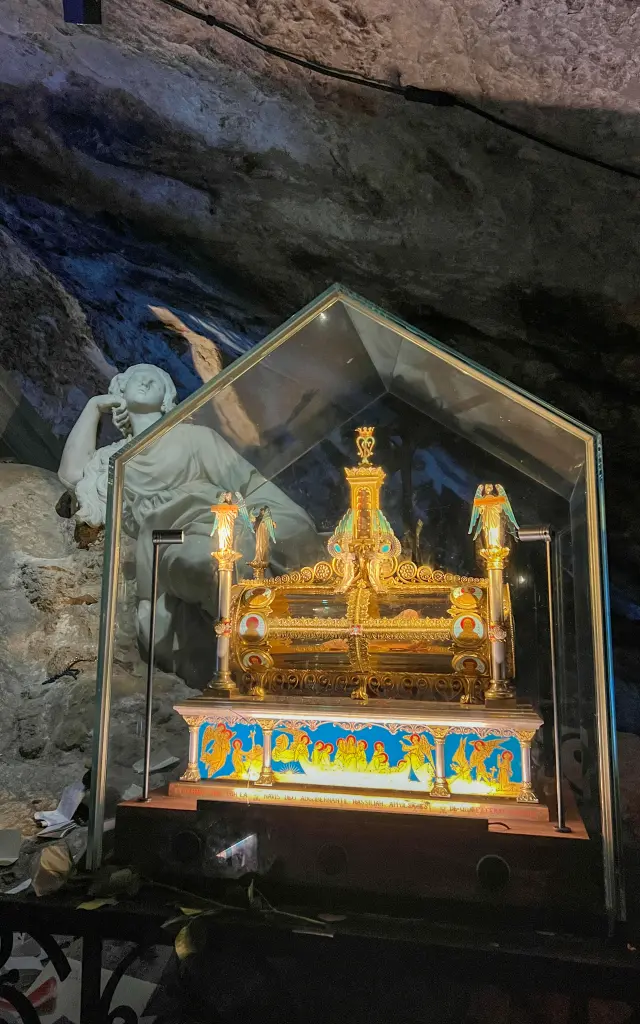
At the heart of the cliff, nestled in an exceptional natural setting, lies the cave of Saint Mary Magdalene, also known as ‘la Baume’. According to Christian tradition, Mary Magdalene is said to have lived there in seclusion for many years after her arrival in Provence, devoting her life to contemplation and prayer.
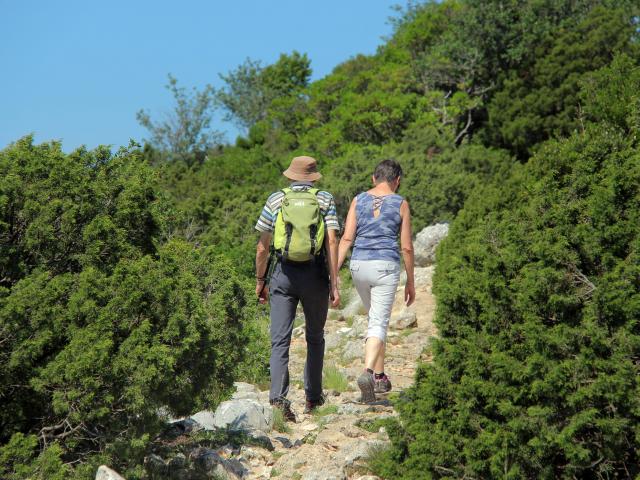
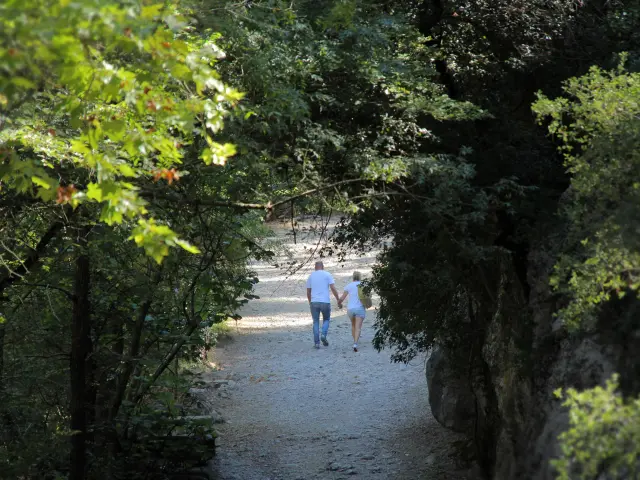
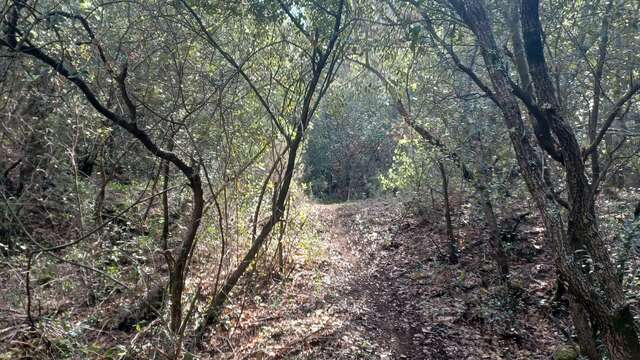
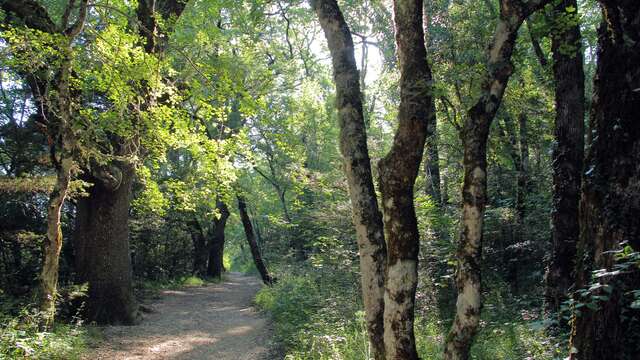
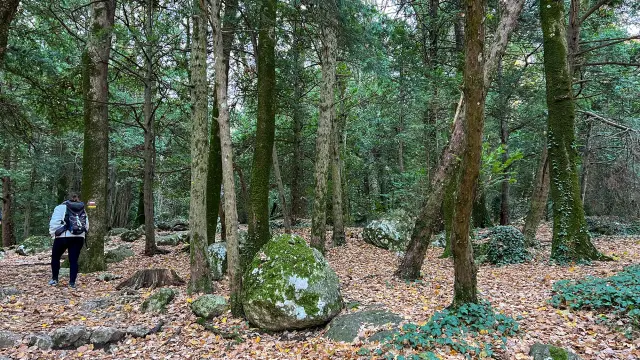
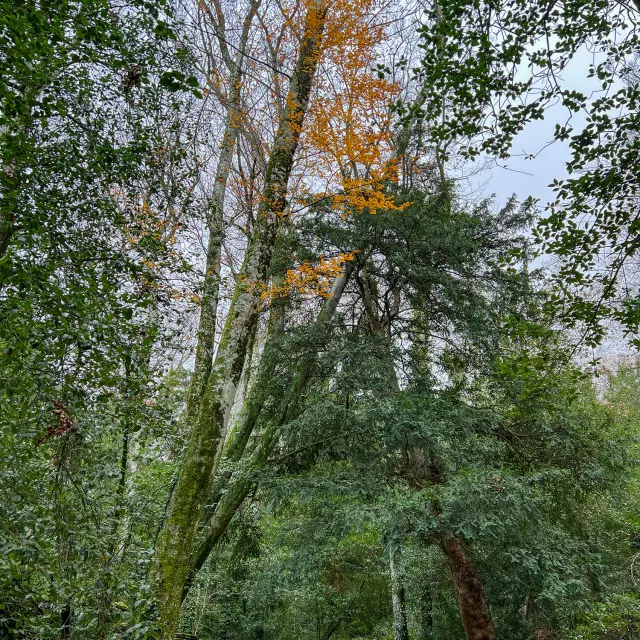
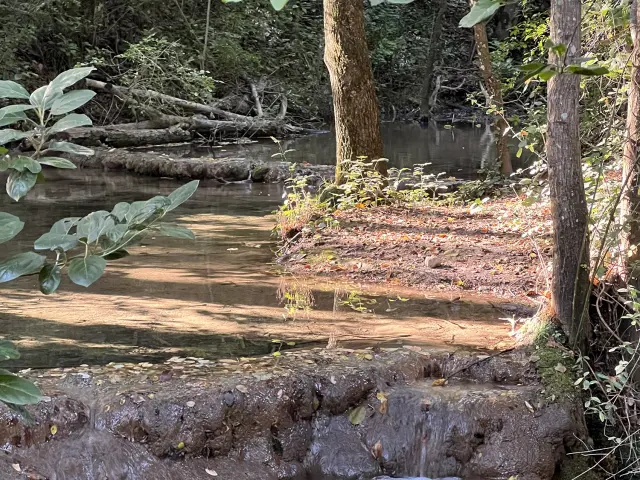
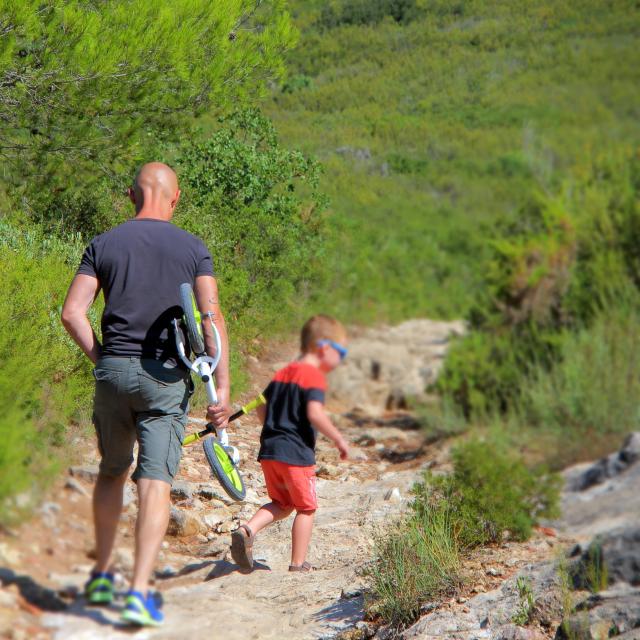
Accessible only on foot after a 45-minute walk through the forest, the Sainte-Baume sanctuary exudes a unique atmosphere where silence, serenity and discovery reign. Since the early centuries of Christianity, the cave has been the object of deep veneration. Listed as a Historic Monument since 2025, it now houses some of the saint’s relics and remains a major place of contemplation.