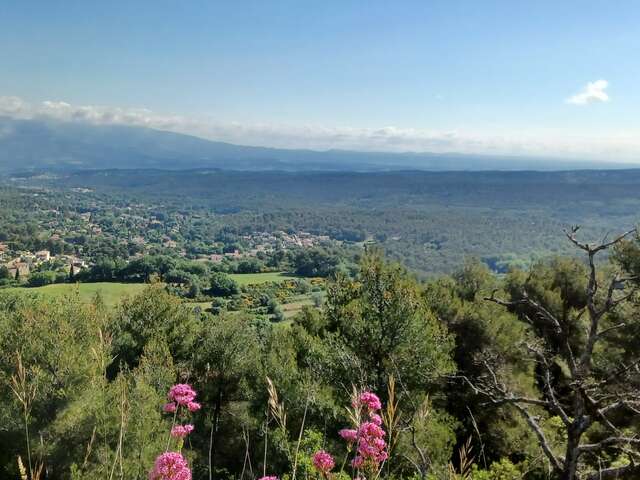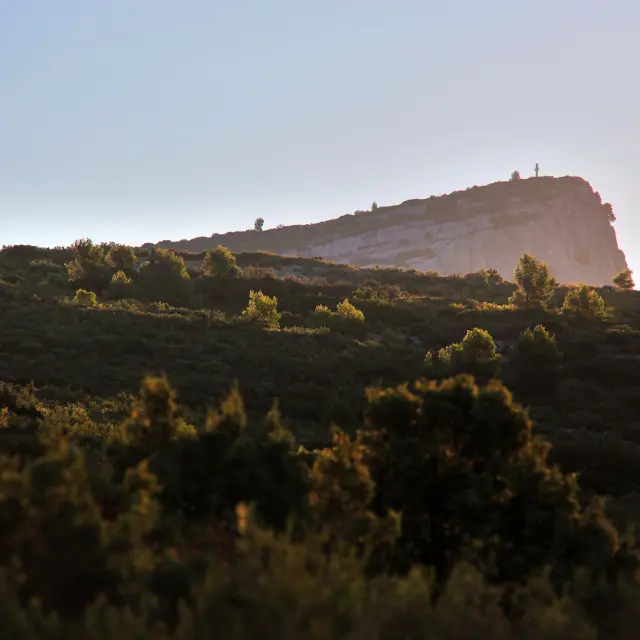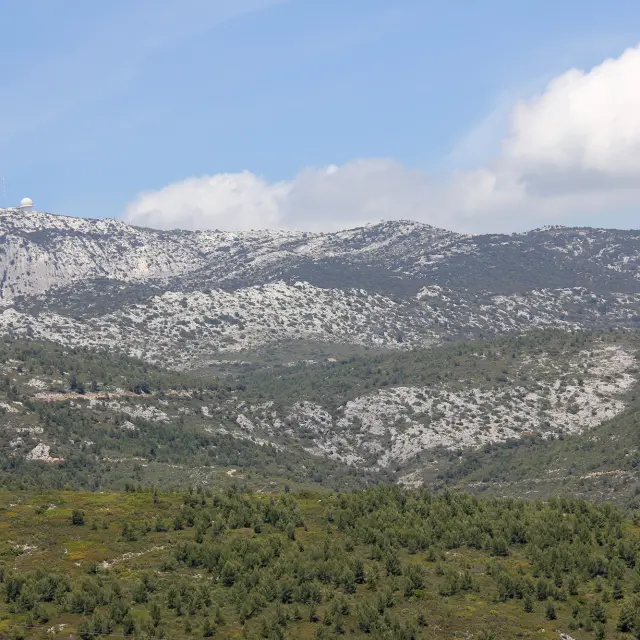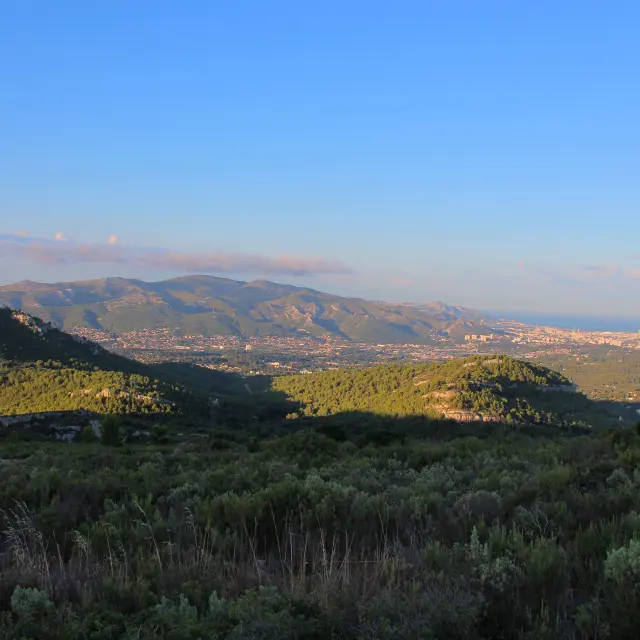
Panorama Collines Massif De L'etoile Oti Aubagne
|
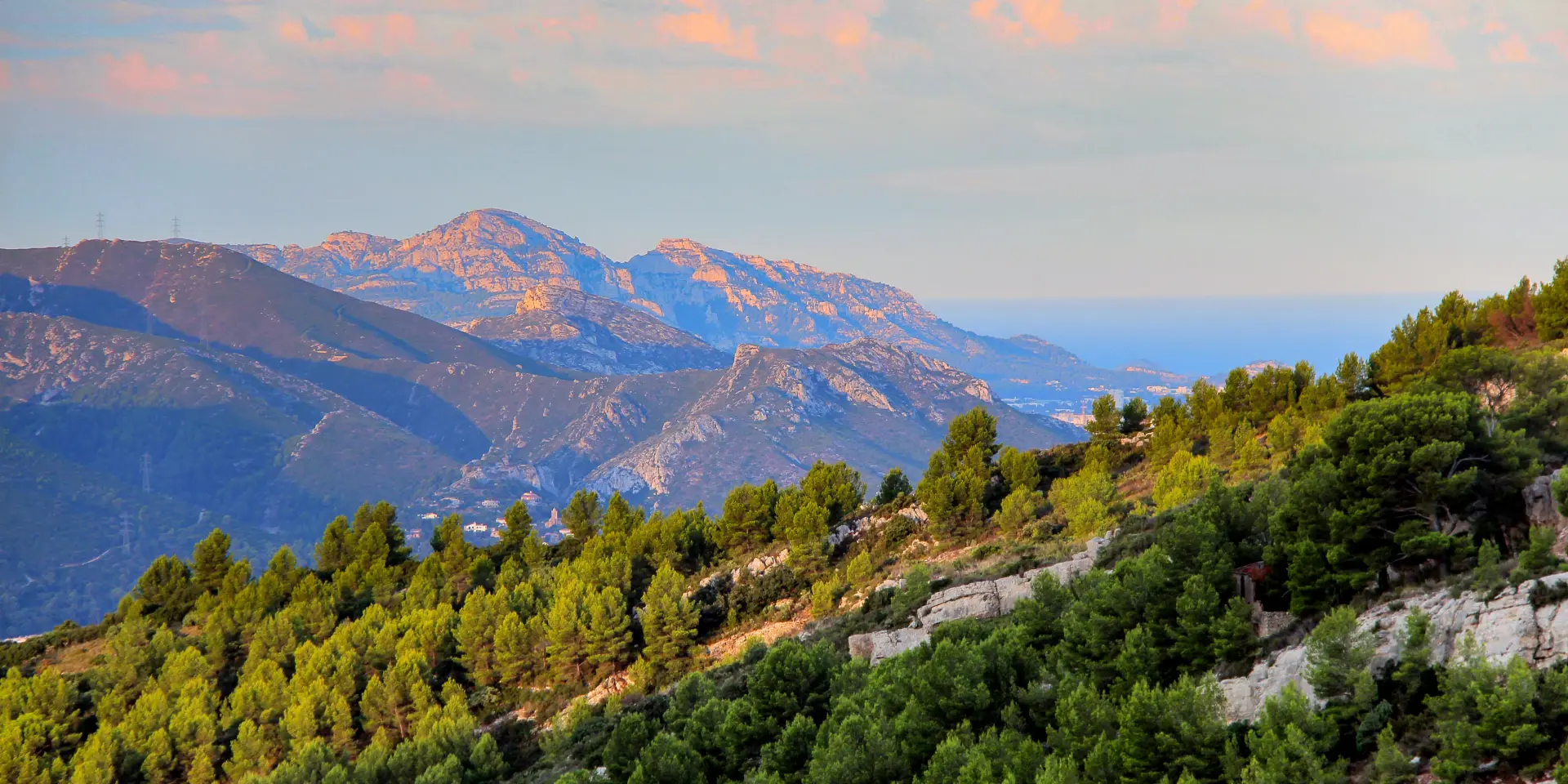
Panorama Collines Massif De Letoile Nature Oti Aubagne 2
|
at the Tête du Grand
Puech
in total, spread across several municipalities
access subject to
regulations
including Cadolive, Saint-Savournin and Marseille
Panorama Collines Massif De L'etoile Oti Aubagne
|
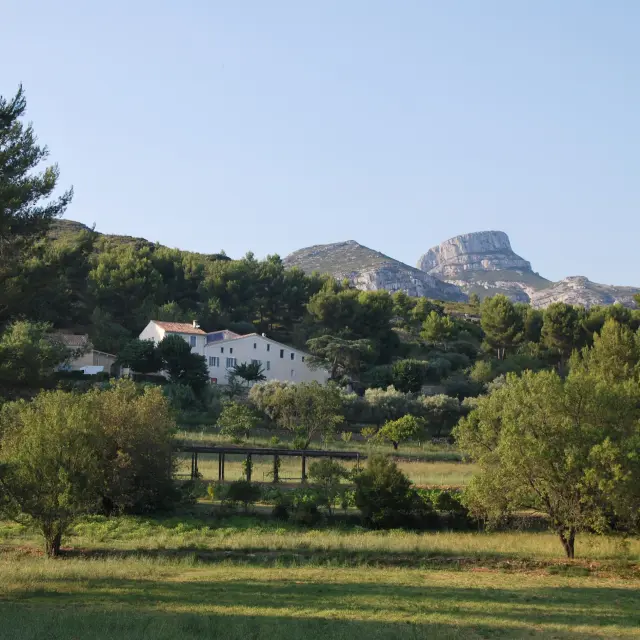
Stretching between the Pays d’Aubagne, Marseille and its surroundings, the Étoile massif offers a real breath of fresh air in the heart of Provence. This range of limestone hills forms a vast arc between the Arc and Huveaune valleys, creating one of the most remarkable natural areas in the Bouches-du-Rhône. It spans six municipalities, two of which are part of the Pays d’Aubagne: Cadolive and Saint-Savournin.
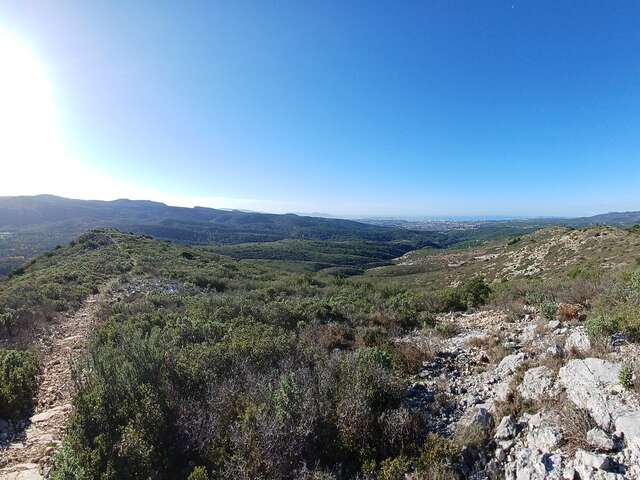
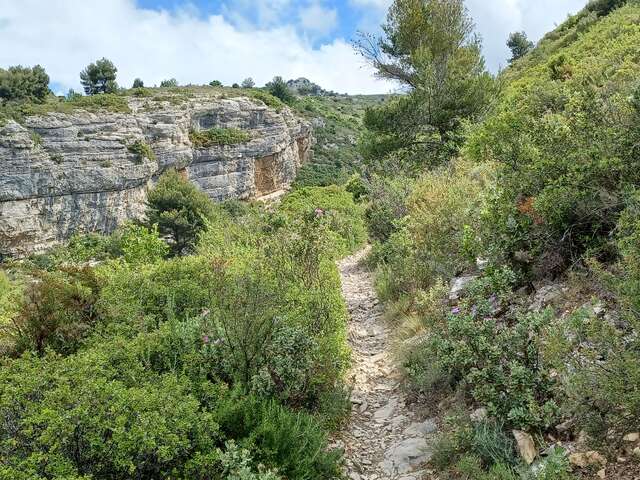
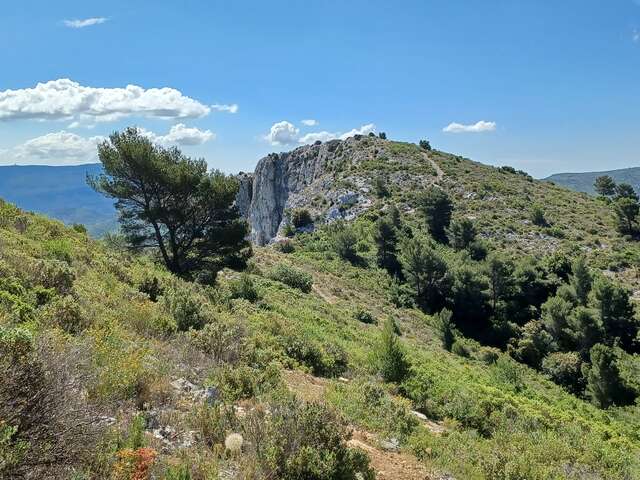
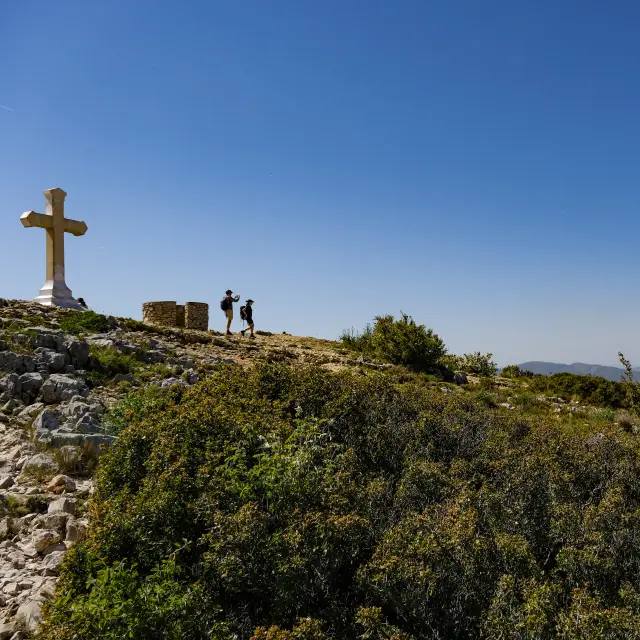
Reaching an altitude of 778 metres at the Tête du Grand Puech, the massif captivates visitors with its contrasting landscapes, its trails through unspoilt nature and its spectacular panoramic views. From the ridges, the view stretches out towards the Mediterranean, the Garlaban massif, Sainte-Baume and even Sainte-Victoire. On a clear day, it is even possible to catch a glimpse of Mont Ventoux and the first peaks of the Southern Alps.
The name ‘Étoile’ is said to derive from ‘l’étoile du berger’(the shepherd’s star), the celestial body once identified as the planet Venus. Visible at dawn and dusk, it served as a landmark for shepherds tending their flocks in the Provençal hills. Another explanation refers to the Provençal word *estèu*, meaning ‘a rocky outcrop’.
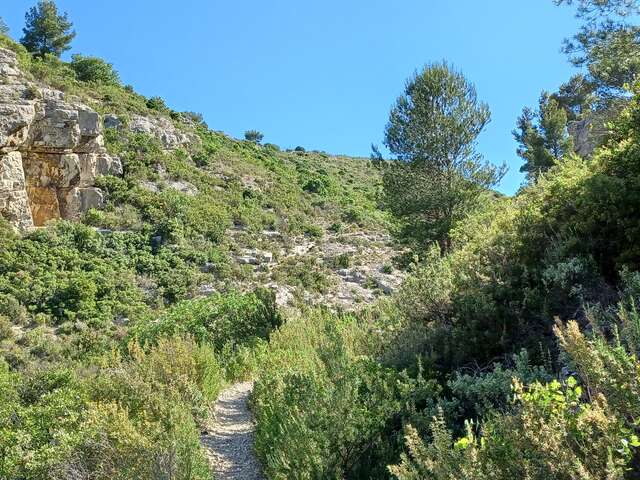
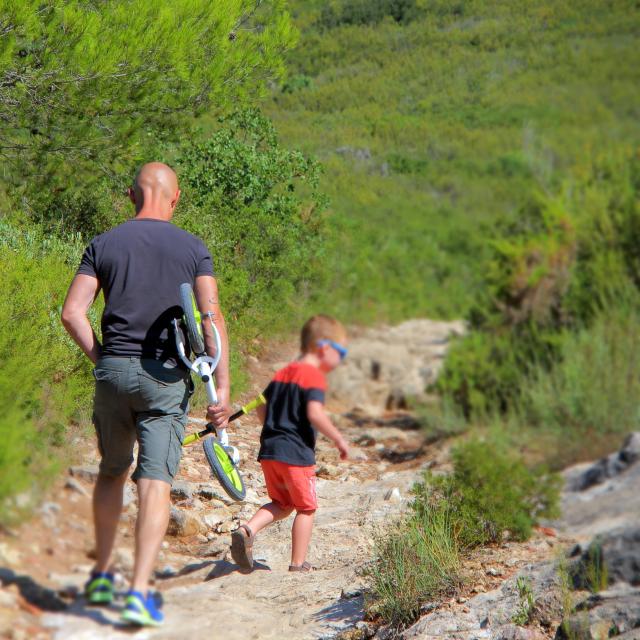
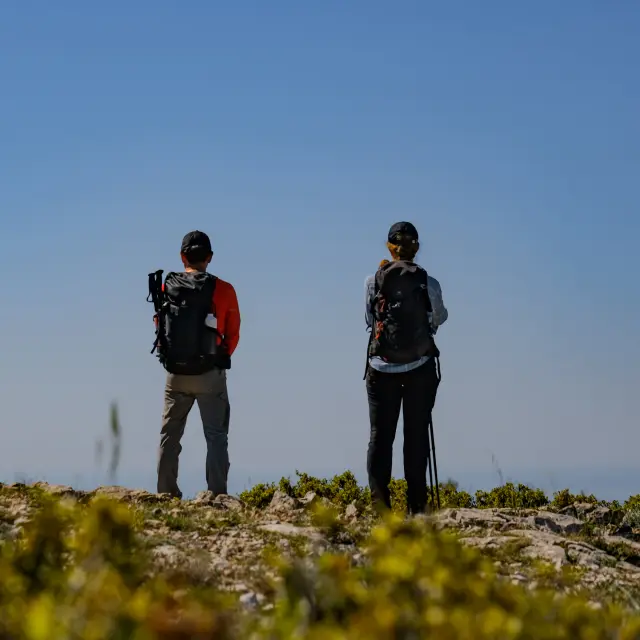
The Étoile massif, like the other massifs in the Pays d’Aubagne, is a superb place for hiking. The numerous paths and trails allow you to explore a variety of landscapes, ranging from garrigue and pine forests to rocky ridges. The routes cater for all levels, from family walks to more challenging hikes.
There are several iconic hikes to discover:
For the more adventurous hikers looking to go on a long-distance trek, the GR2013 trail in the Étoile massif offers a hike of nearly 192 km through authentic Provençal landscapes.
Randonnee Garlaban Randonneural Oti Pays D Aubagne 11
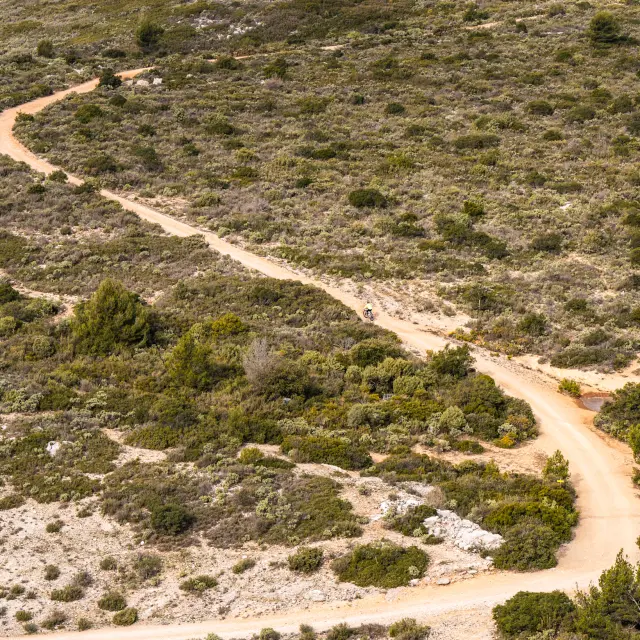
Winter Mountain Biking in the Pays Daubagne@Mip Agency X L. Gruber 3 1
|
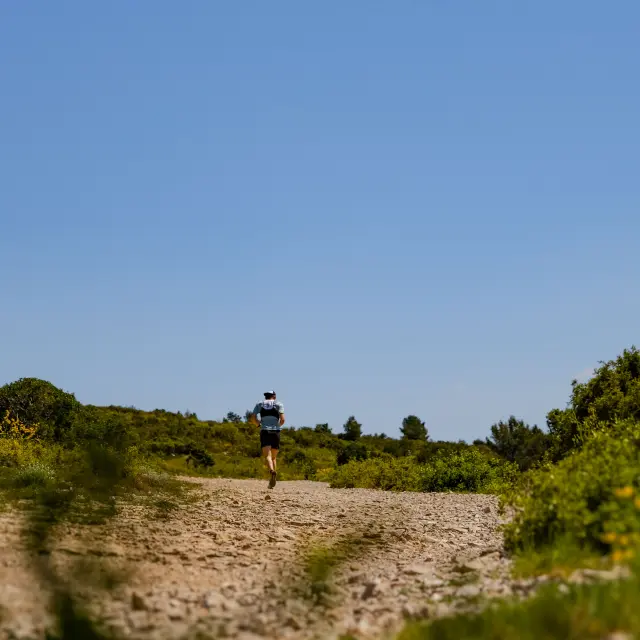
Hike: Garlaban, Al Oti, Aubagne area 1 1
Thanks to its extensive network of DFCI tracks and trails, the massif also attracts many mountain bikers. The routes wind their way through the hills, offering a chance to discover the landscapes from a different perspective, with technical sections, steep climbs and thrilling descents.
With its varied elevation changes and long ridgelines, the Étoile range has become a popular training ground for runners. The routes allow you to combine physical exertion with spectacular views of the surrounding hills.
From 1 June to 30 September, access to woodland areas is regulated by prefectural order and may also be regulated by municipal order.
Please make sure you check the latest information during this period before visiting natural areas.
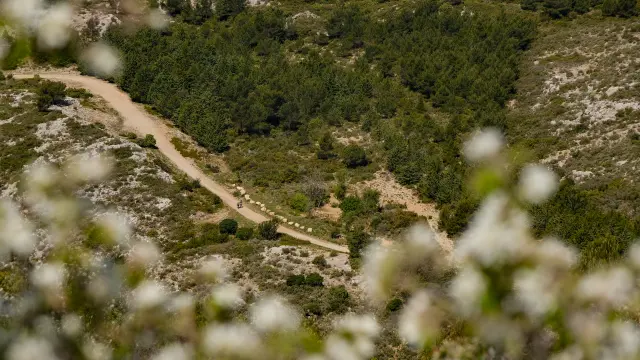
Randonnee Garlaban Al Oti Pays D Aubagne 39
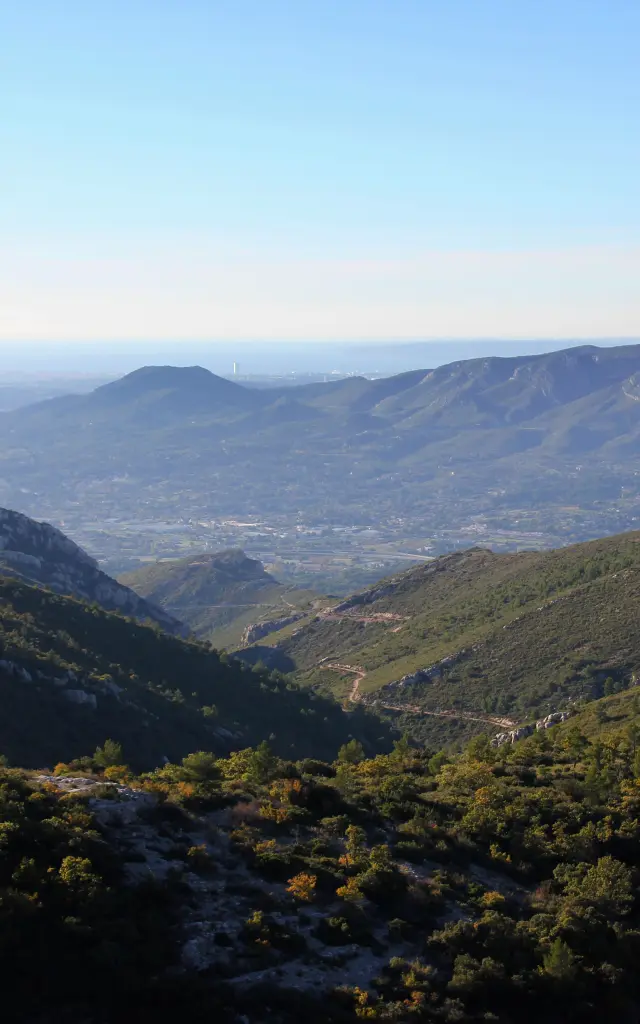
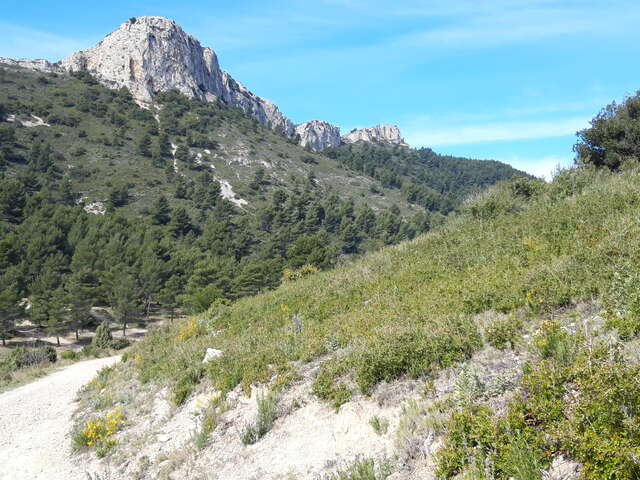
Like many of the mountain ranges surrounding Marseille, the Étoile massif consists mainly of limestone formed several million years ago. The tectonic movements that shaped Provence gradually gave rise to this distinctive landscape, now characterised by its cliffs, rocky outcrops and steep ridges. Although its altitude is relatively modest, the Étoile mountain range defines the landscape by separating several natural basins and offering remarkable views across the entire region.
The massif is home to vegetation that is emblematic of the south of France. As they follow the trails, visitors pass through varied landscapes, each distinct depending on its aspect. On the cooler, wetter northern slope, the wooded areas are dominated by Scots pines, Aleppo pines and holm oaks. The southern slope, facing Marseille and the Mediterranean, reveals drier landscapes where the garrigue reigns supreme. These natural habitats provide a precious refuge for numerous animal and plant species.
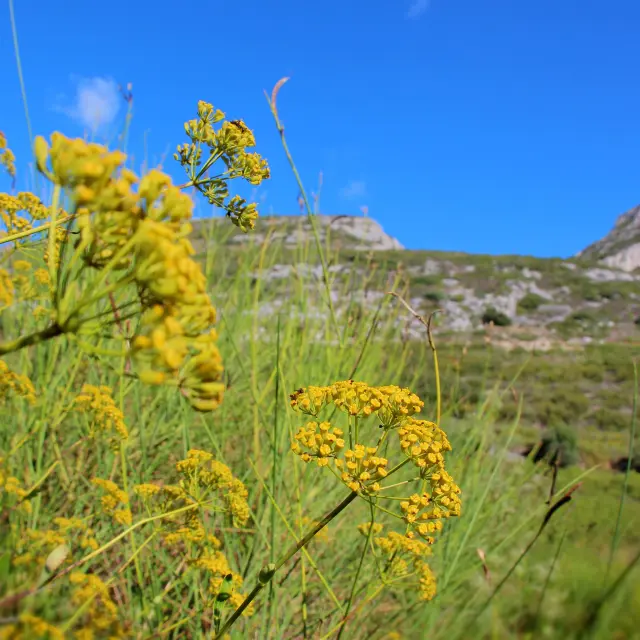
As they walk along the paths, visitors come across thyme, rosemary, rockroses, olive trees, cypresses and other species typical of Mediterranean landscapes. In spring, the scents and colours of the garrigue delight visitors who have come to enjoy the panoramic views.
For several years now, the Étoile massif has been part of the Natura 2000 site “Chaîne de l’Étoile – Massif du Garlaban”. This European designation aims to preserve the natural habitats and remarkable species found in the area, whilst balancing human activities with environmental protection.
Get there by public transport, by bike or on foot.
Stay on the marked paths.
Respect the local flora and fauna: do not pick flowers or plants.
Respect the peace and quiet of residents and local people.
Do not pollute springs or wells.
Do not throw stones.
Do not throw away paper or rubbish; instead, carefully collect your own waste.
Keep your dog on a lead.
No smoking, no open fires.
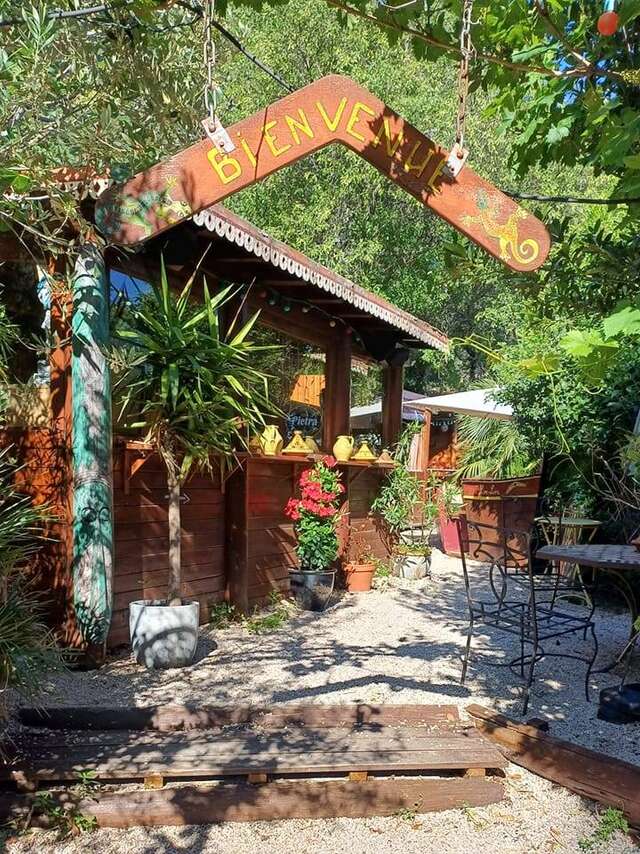
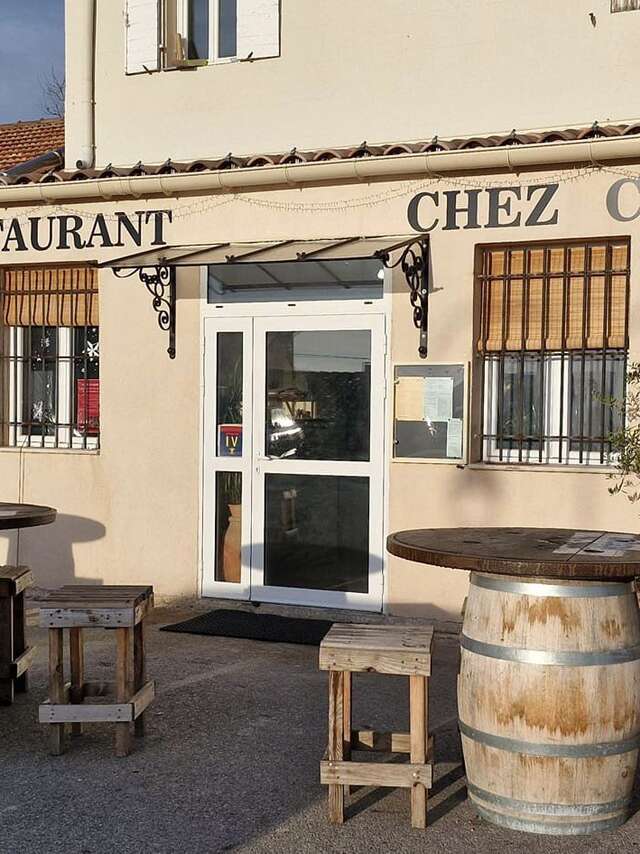
After a hike or a day out doing sport, there are several villages in the Pays d’Aubagne, situated at the foot of the mountains, where you can enjoy a delicious meal. Cadolive and Saint-Savournin are home to numerous restaurants serving authentic cuisine. With outdoor terraces, local specialities and regional produce, you’re sure to find the perfect spot to dine and have a lovely time!
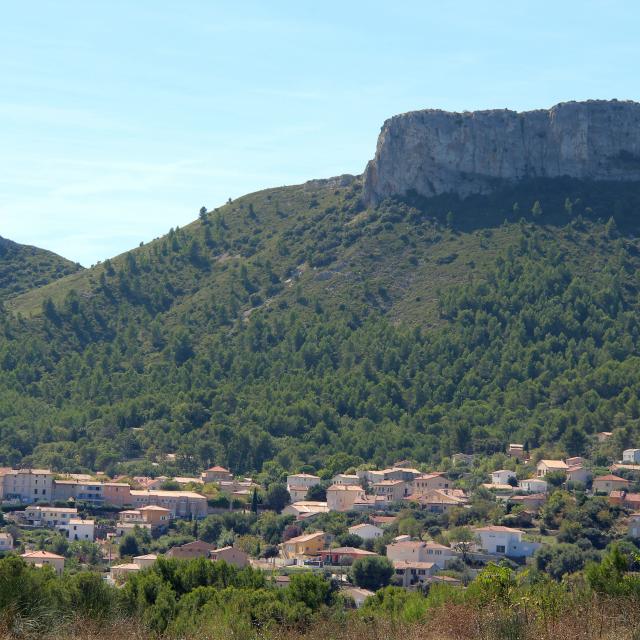
Collines Village Cadolive Oti Aubagne
|
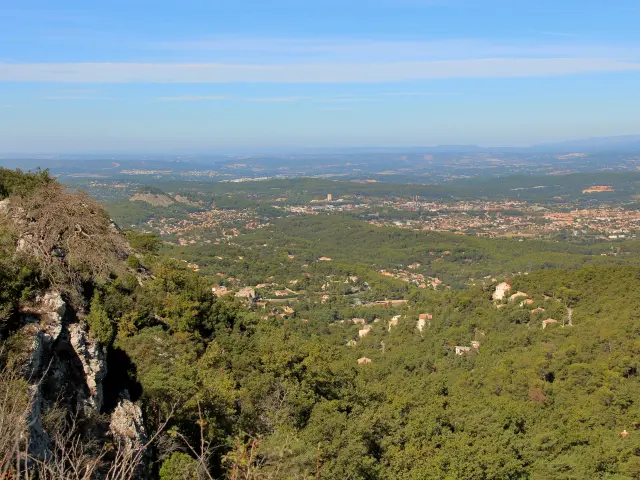
Nature Garrigue Saint Savournin Oti Aubagne
|
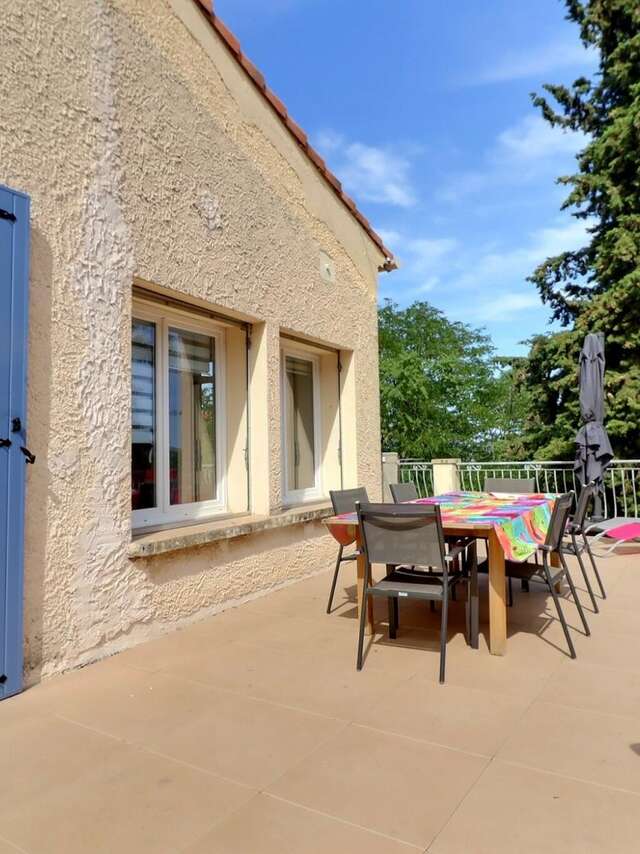
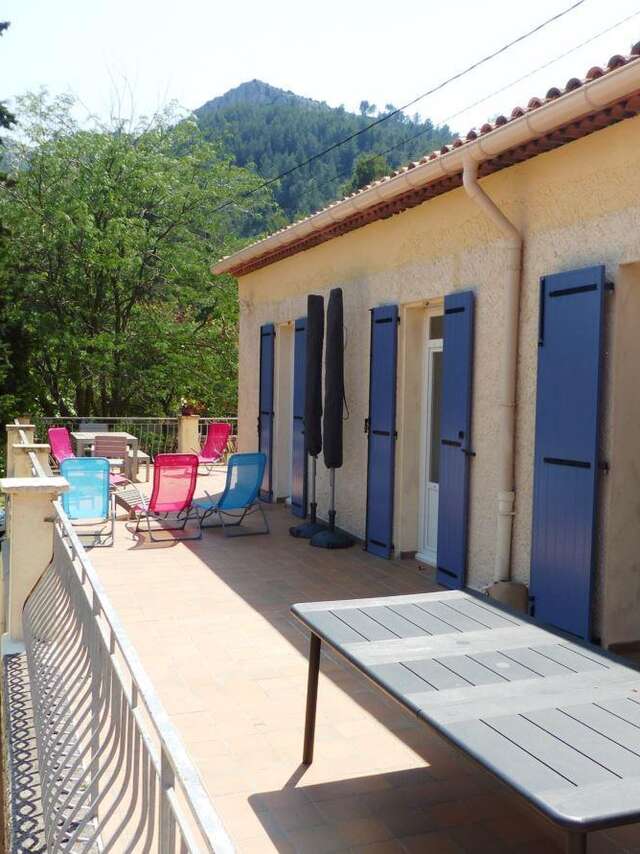
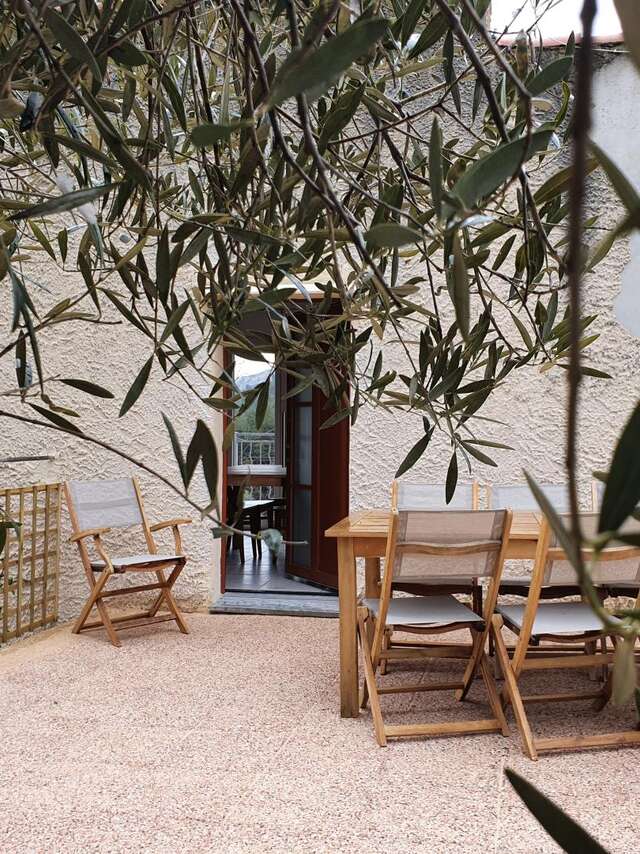
Around the massif, you’ll find charming guesthouses and holiday cottages in the Provençal villages. Staying nearby allows you to make the most of outdoor activities whilst remaining close to Marseille, Aubagne, the Garlaban massif and Sainte-Victoire.