Garlaban @al Oti Pays D Aubagne
Garlaban Massif De L'etoile Nature Oti Aubagne
|
above sea level at the Croix de Garlaban
in total, spread across several municipalities
access subject to
regulations
Font de Mai, La Treille, Roquevaire, Allauch
Garlaban @al Oti Pays D Aubagne
Situated between Aubagne and Roquevaire, the Garlaban massif is one of Provence’s most iconic natural sites. Easily recognisable by its summit, which overlooks the Huveaune valley, it offers a landscape of limestone hills and wild valleys that give the area its charm. A place for walks, adventure and inspiration, the Garlaban attracts both lovers of the great outdoors and enthusiasts of Provençal culture. It was here that Marcel Pagnol drew much of his inspiration and brought to life some of the most famous landscapes in French literature.
Today, the massif is a veritable playground for discovery, where people come to walk, cycle, run, take in the panoramic views or simply enjoy the tranquillity of Provençal nature.
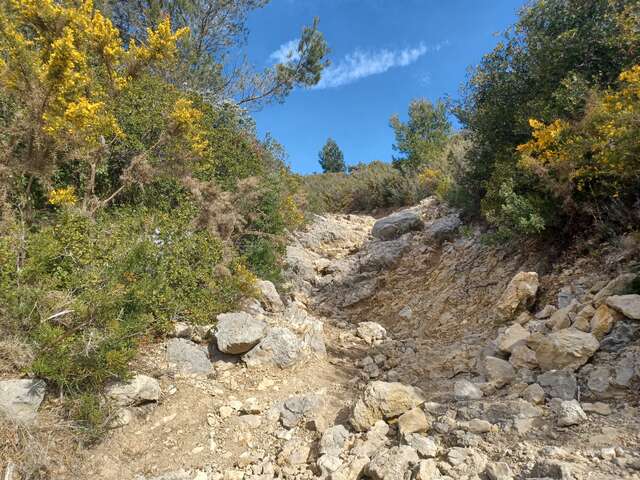
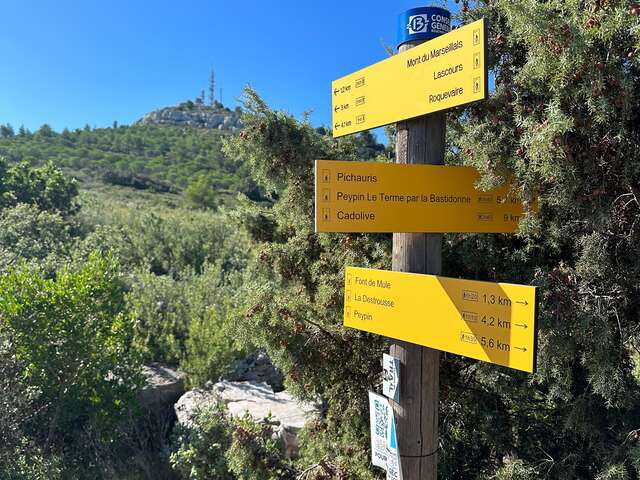
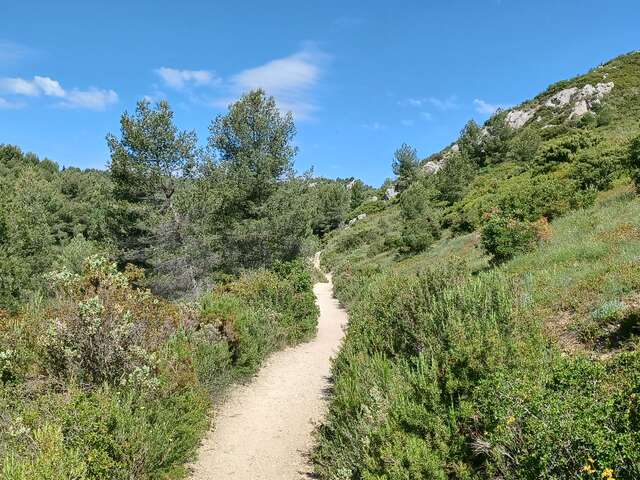
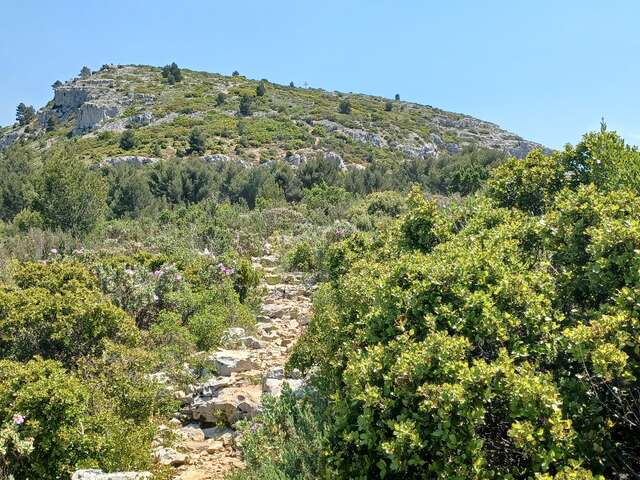
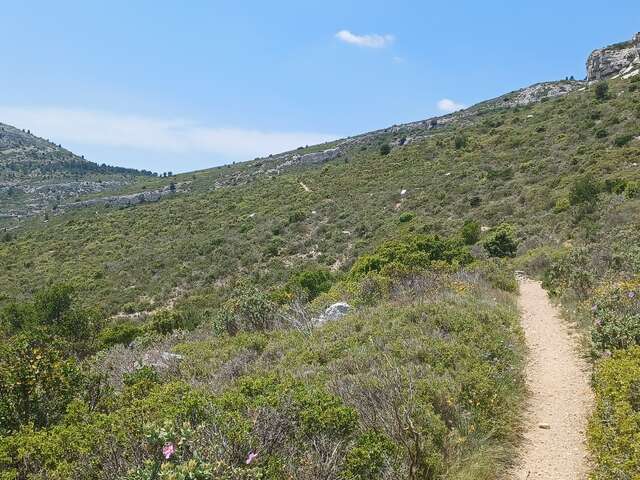
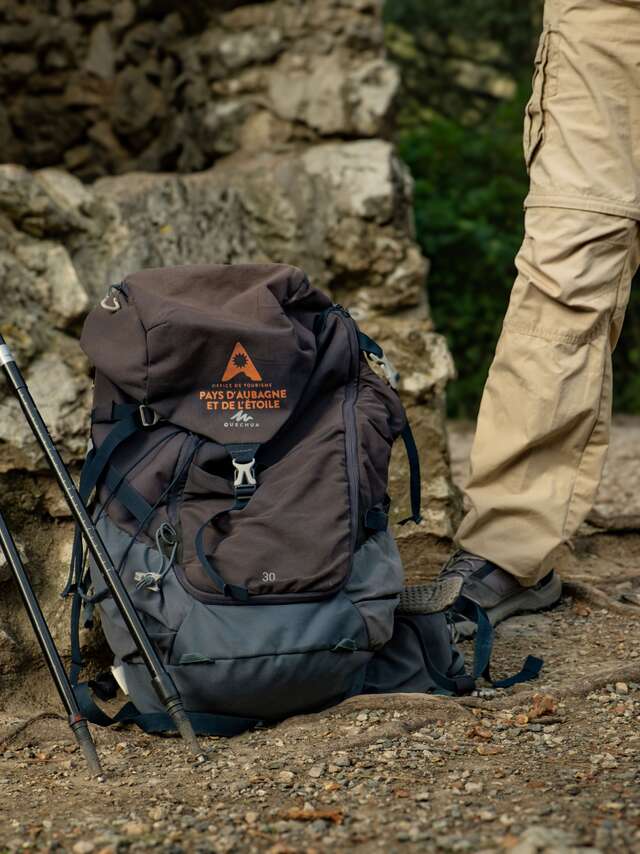
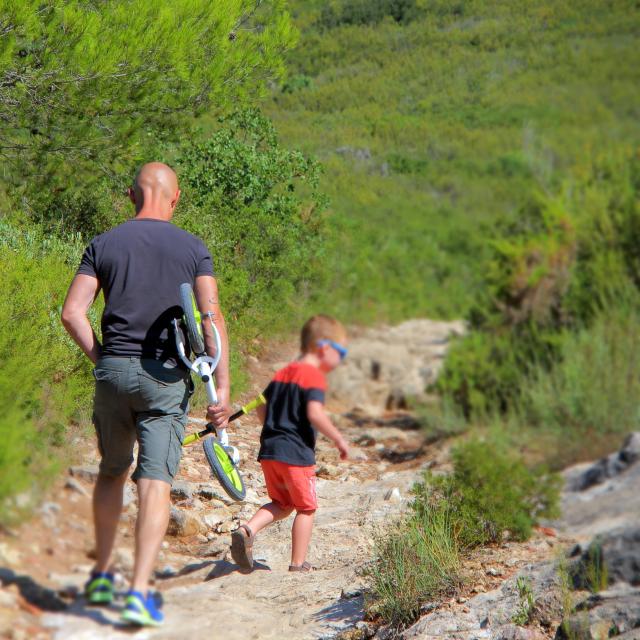
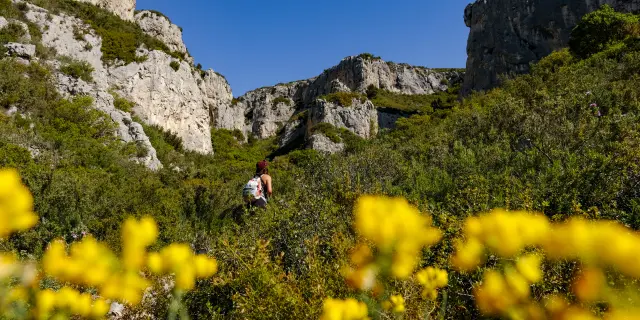
Hiking is undoubtedly the best way to discover the mountain range. Dozens of kilometres of trails allow you to explore the varied landscapes of Garlaban, from rocky ridges and sun-drenched valleys to vast plateaus stretching out towards the horizon.
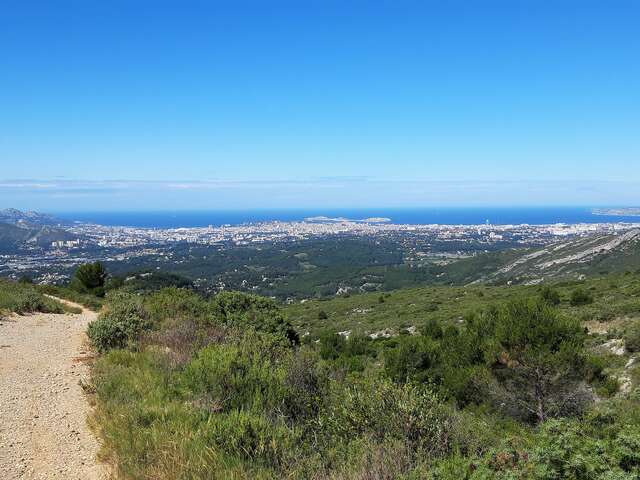
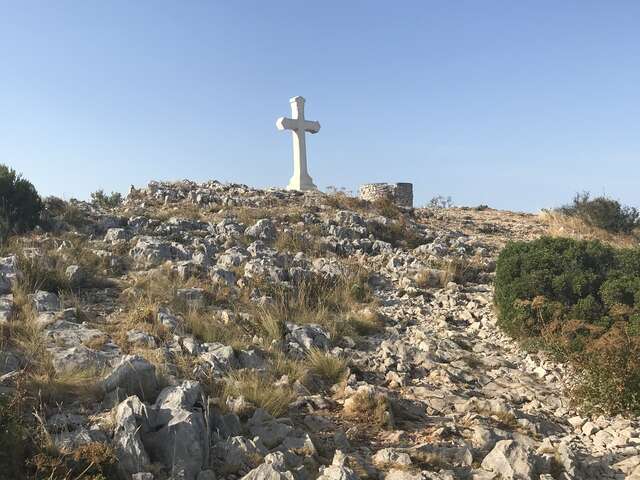
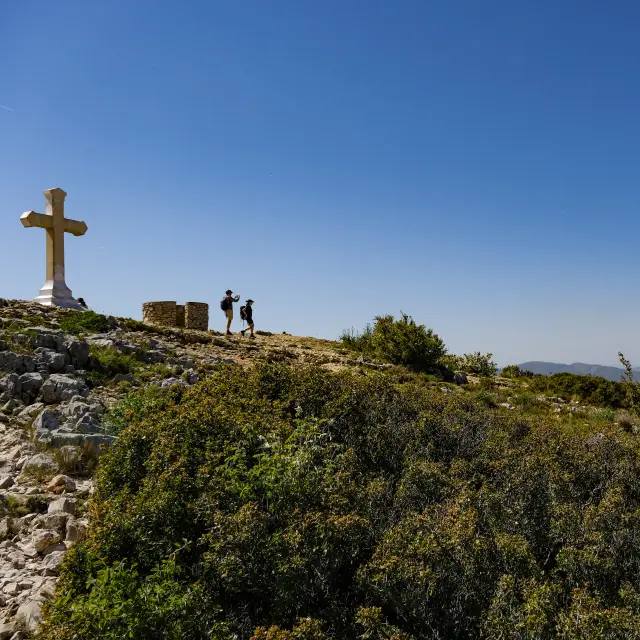
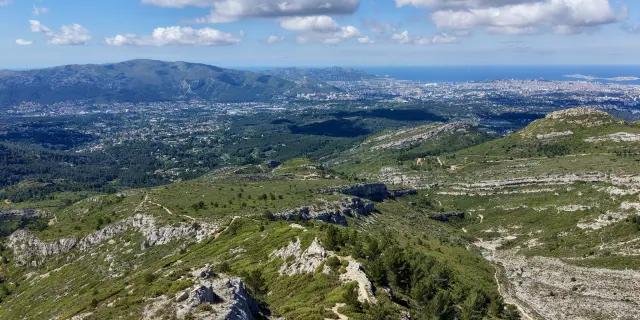
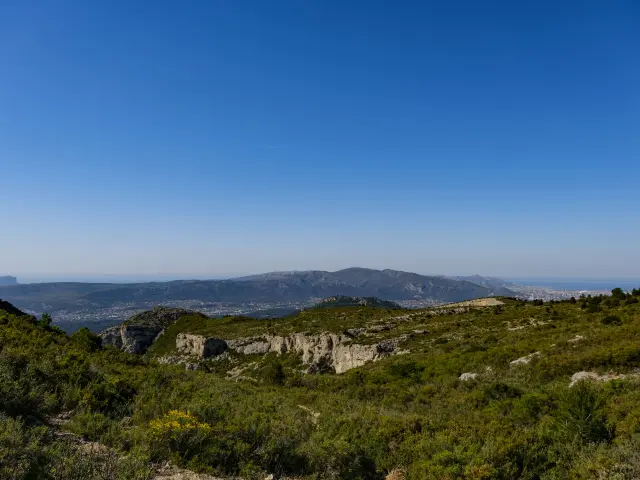
There areroutes to suit all abilities: families can enjoy easy walks, whilst more experienced walkers can set out to conquer the Croix de Garlaban or follow the paths that pass through the iconic locations featured in Marcel Pagnol’s works. As you follow the trails, the panoramic views gradually unfold: Aubagne, Sainte-Baume, the Étoile mountain range, Sainte-Victoire and even the Mediterranean. That, in fact, is what makes the Garlaban massif so charming: no matter where you look, you’ll be treated to a feast for the eyes!
Randonnee Garlaban Croix De Garlaban Randonneursal Oti Pays D Aubagne 1
Randonnee Garlaban Trailal Oti Pays D Aubagne 2
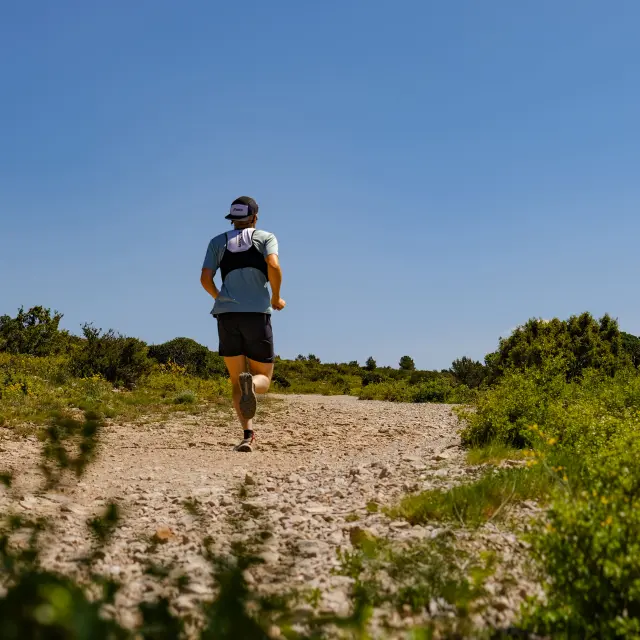
With its elevation changes, technical trails and wide-open spaces, the Garlaban has become a favourite destination for trail runners. All year round, runners enjoya variety of routes that take them through the most beautiful parts of the mountain range. The landscapes change with the seasons, offering a different experience on every outing!
For those who love competition, every March the massif takes centre stage during the Grand Trail du Garlaban. With three routes and a children’s race, this trail invites you to explore the massif’s legendary trails. It’s the perfect way to get your fill of thrills whilst admiring the surroundings.
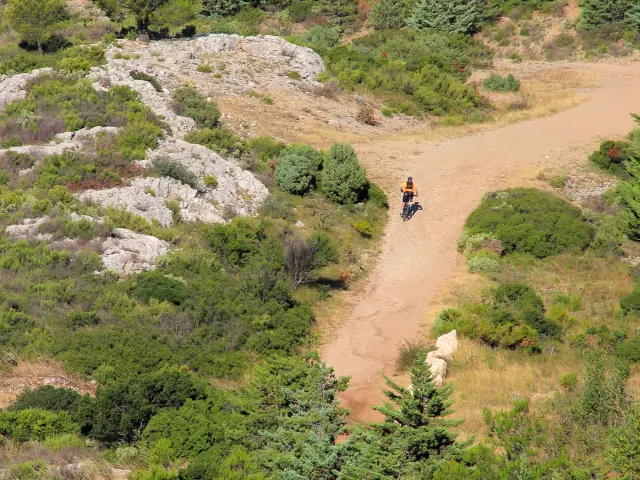
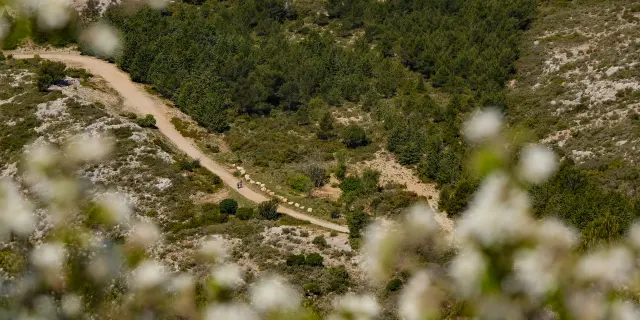
With its many trails, the mountain range is also a favourite spot for mountain bikers. The routes alternate between technical climbs, forest tracks and descents offering magnificent views. The varied terrain is suitable for both family rides and more challenging rides. Every ride becomes an opportunity to discover a new valley, an old sheepfold or an unexpected panoramic view of the Provençal countryside.
Vtt Garlaban Collines Sentier Balade Nature Garrigue Oti Aubagne
|
DCIM100GOPROG0022375.JPG
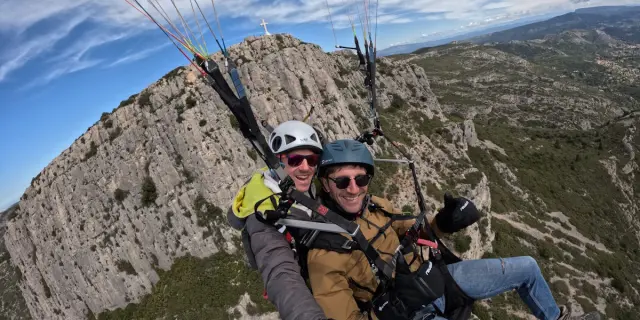
The mountain range’s panoramic views also attract paragliding enthusiasts. When weather conditions allow, paragliders can enjoy spectacular views over the Pays d’Aubagne. From the air, Garlaban reveals the full richness of its landscapes and the diversity of its terrain.
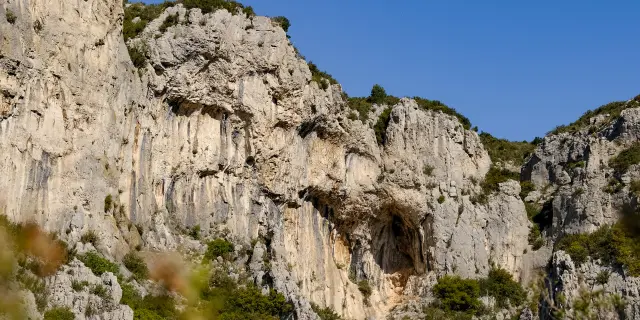
Although less well-known than other sports,rock climbing is also one of the activities enjoyed by sports enthusiasts at Garlaban. Renowned for its numerous climbing routes and high-quality limestone, the massif offers climbers a thrilling experience, all set against a backdrop of breathtaking scenery.
Hike: Garlaban, Al Oti, Aubagne area 11
From 1 June to 30 September, access to woodland areas is regulated by prefectural order and may also be regulated by municipal order.
Please make sure you check the latest information during this period before visiting natural areas.
Randonnee Garlaban Al Oti Pays D Aubagne 39
Pagnol Tour: Between Nature and Memory, Al Oti, Aubagne 8 1
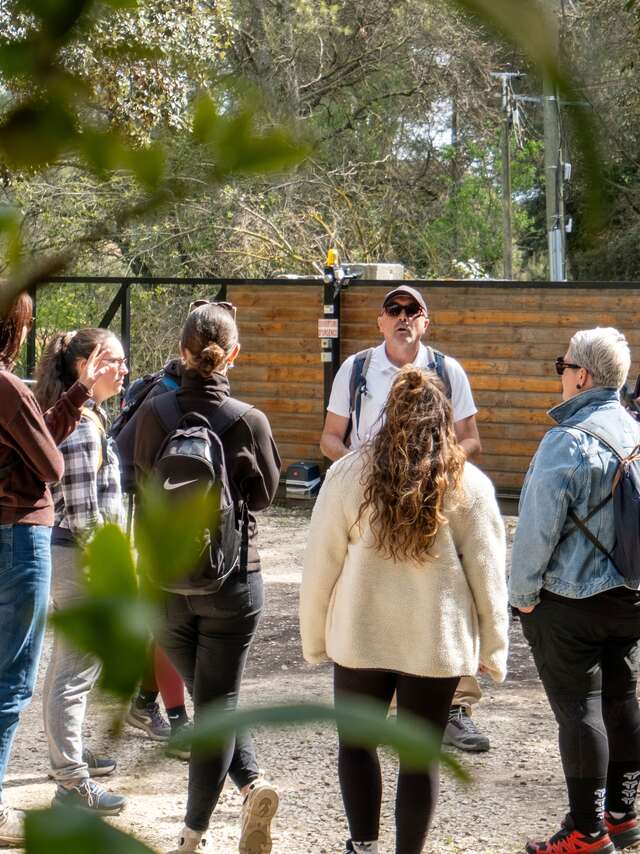
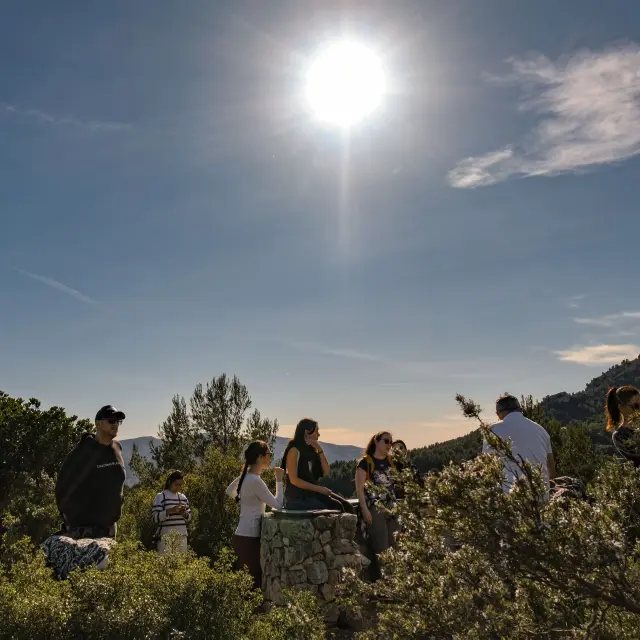
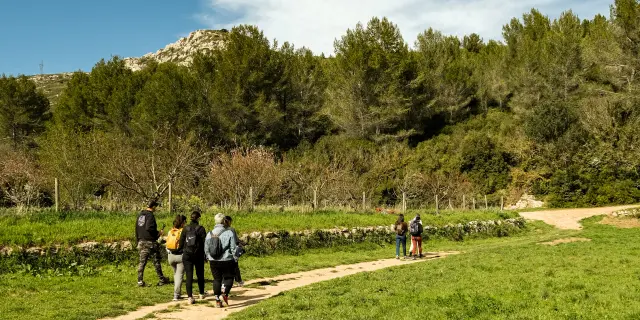
To explore the area in greater depth, a range of guided walks are available throughout the year. These offer a deeper understanding of the massif’s history, its natural heritage, its pastoral traditions and its links to Marcel Pagnol. These walks also offer the chance to visit places that are sometimes little-known, hear plenty of interesting stories and see the landscapes that define the area’s identity in a whole new light!
Situated at the foot of the hills, the Font de Mai estate is one of the main access points to the Garlaban massif. This natural area welcomes visitors to a quintessentially Provençal setting. It is an ideal starting point for hikes and family walks, and a hub for activities such as donkey treks, treasure hunts and nature trails, allowing visitors to discover the landscapes so dear to Marcel Pagnol.
Pagnol Tour: Between Nature and Memory, Al Oti, Aubagne 28
Garlaban Hike: Engravings by Louis Douard, Jlo, Oti, Pays d’Aubagne 6
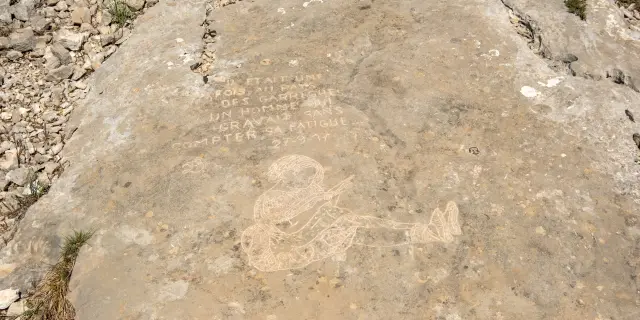
Among the mountain range’s curiosities are the famous engravings by Louis Douard. Tucked away along the path leading to the summit of Garlaban, they depict scenes of Provençal life, animals, figures and symbols linked to local history.
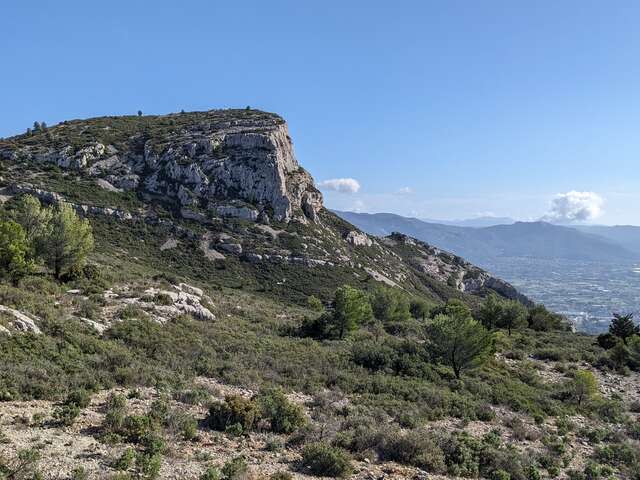
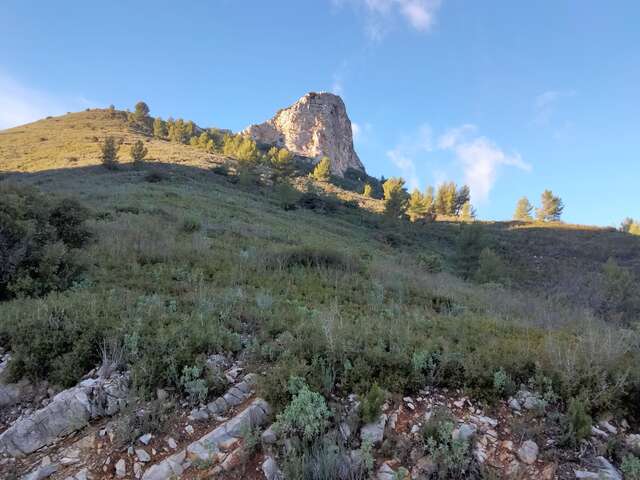
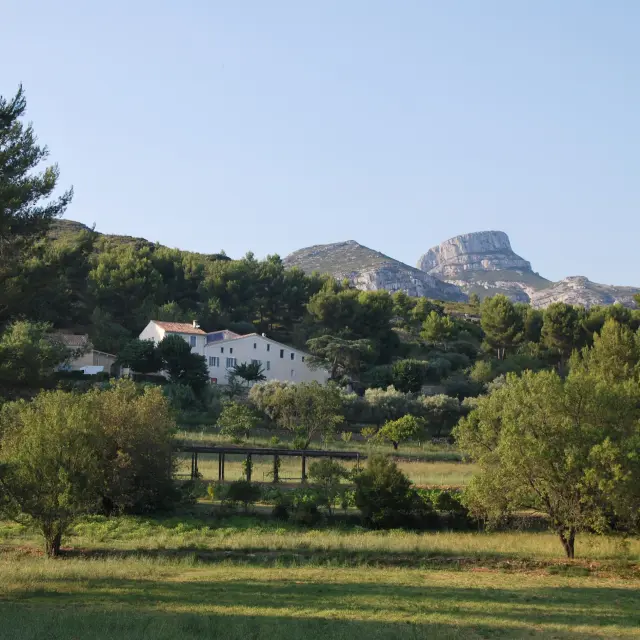
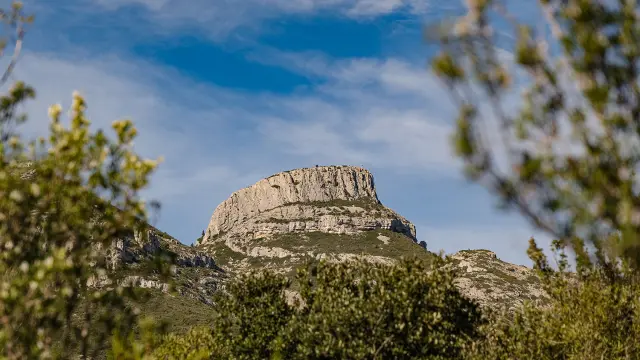
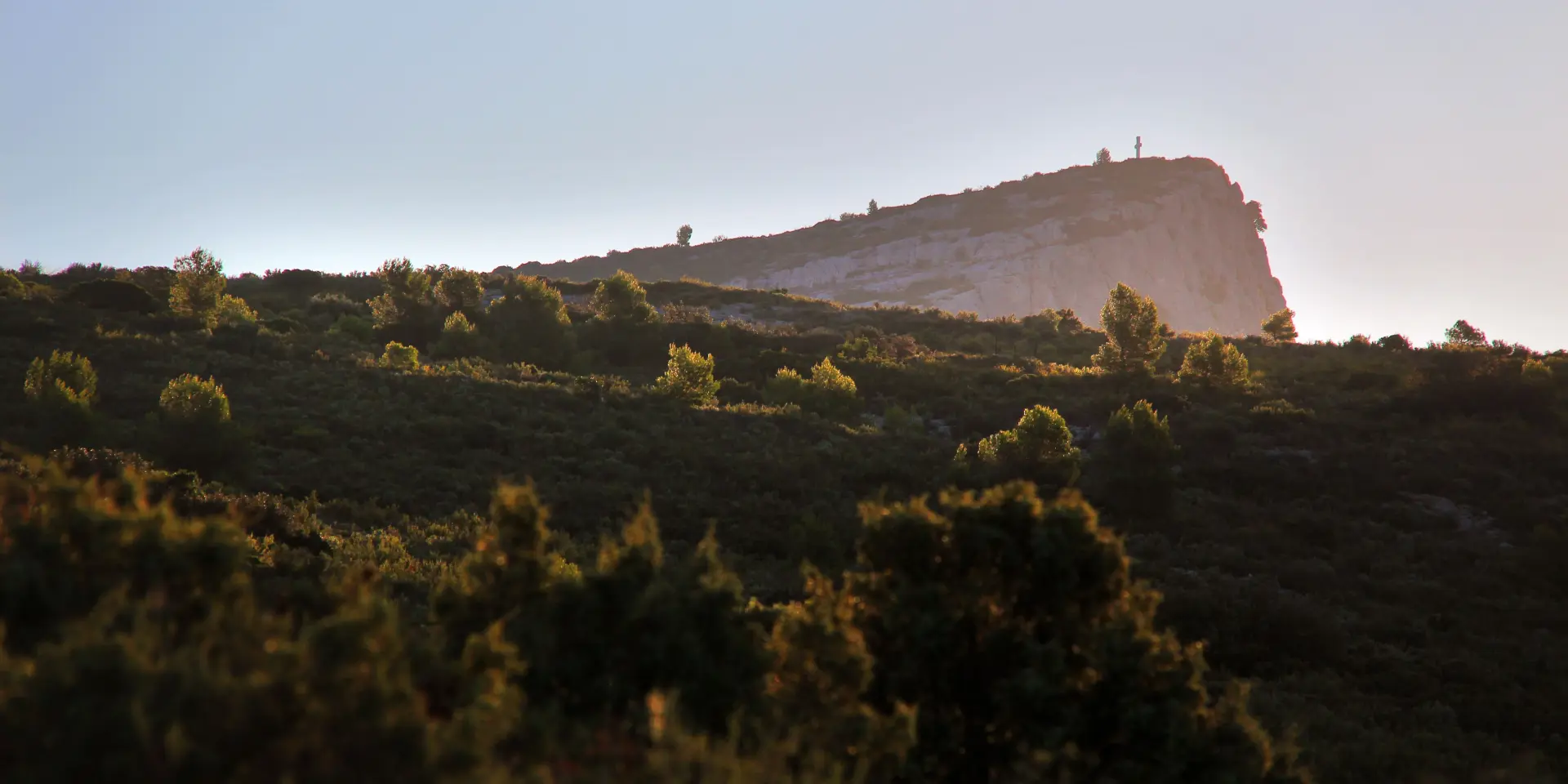
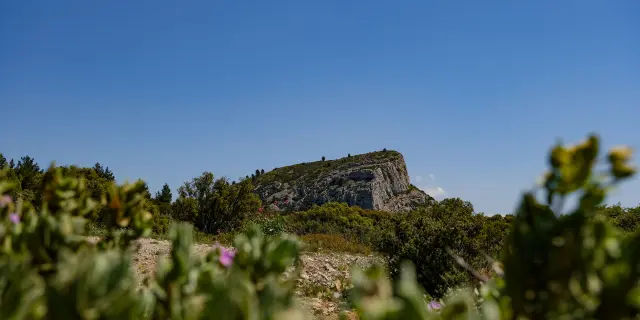
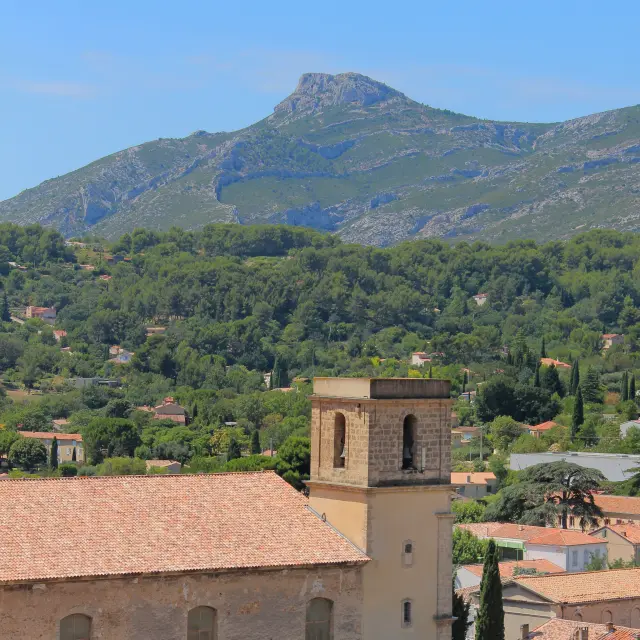
Garlaban is a huge tower of blue rock, standing on the edge of the Plan de l’Aigle, that vast rocky plateau overlooking the green Huveaune valley.
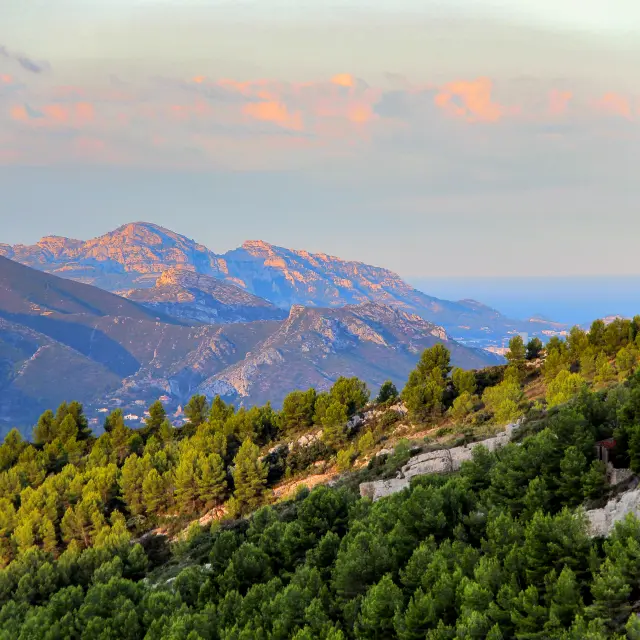
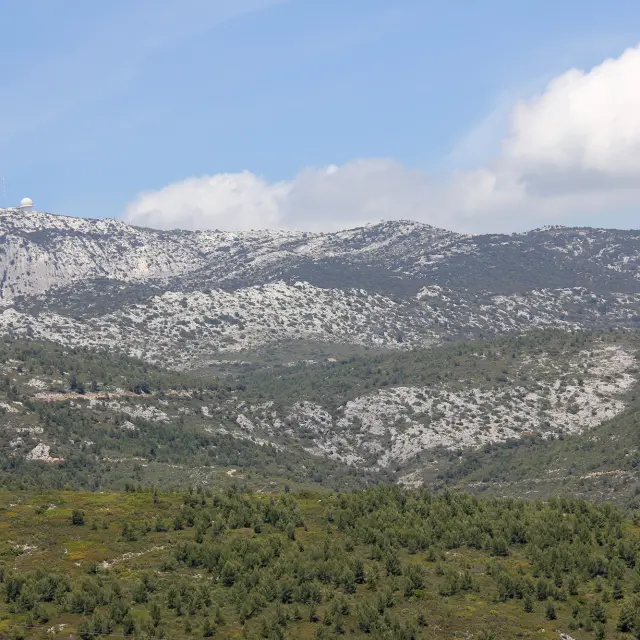
The Garlaban massif stretches across several towns in the region and the surrounding area, notably Aubagne, Allauch, Roquevaire and Marseille. Its highest point reaches an altitude of 714 metres and serves as a landmark in the Provençal landscape. Visible from a great distance, its distinctive silhouette towers over the surrounding hills and has been a familiar sight to locals and visitors alike for generations. Composed mainly of limestone typical of Mediterranean landscapes, erosion has, over time, sculpted the cliffs, valleys and plateaus that now make up the massif. This unique geology creates contrasting landscapes where rocky areas, pine forests, garrigue and open spaces alternate, offering spectacular views over Provence.
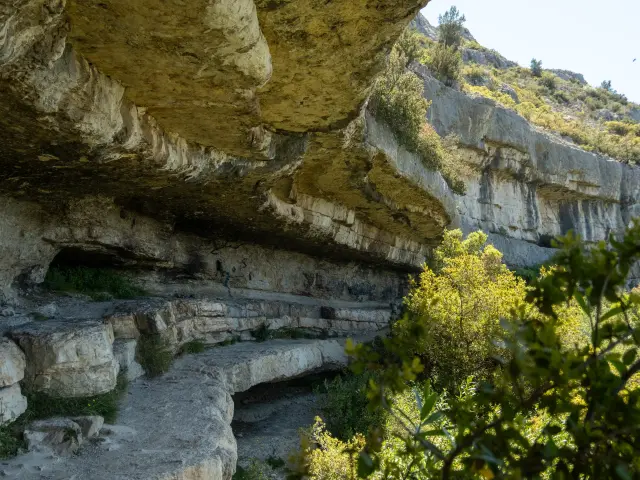
The origin of the name Garlaban has given rise to several interpretations over the years. In his dictionary *Lou Trésor du Félibrige*, Frédéric Mistral suggests a connection to Phoenician sailors, linking the Arabic word “gar”, meaning “summit”, to the Hebrew term “laban”, which means “white”. However, the most widely accepted explanation links the name to the Provençal words “gardia”, meaning a lookout or watchpost, and “laban”, meaning cave. Its commanding position means that, even today, many residents of Aubagne regard it as the natural guardian of their territory.
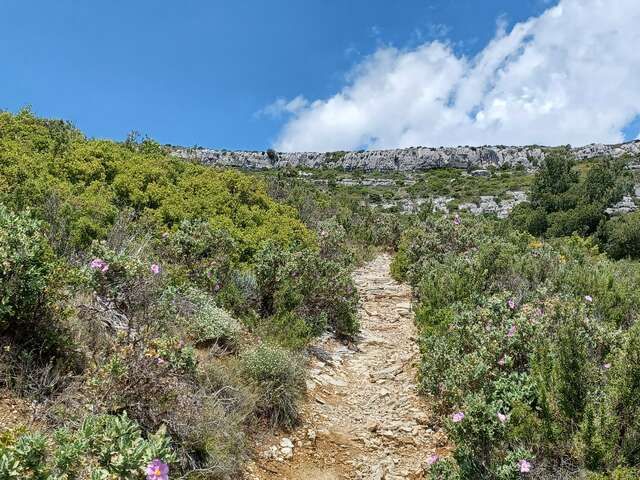
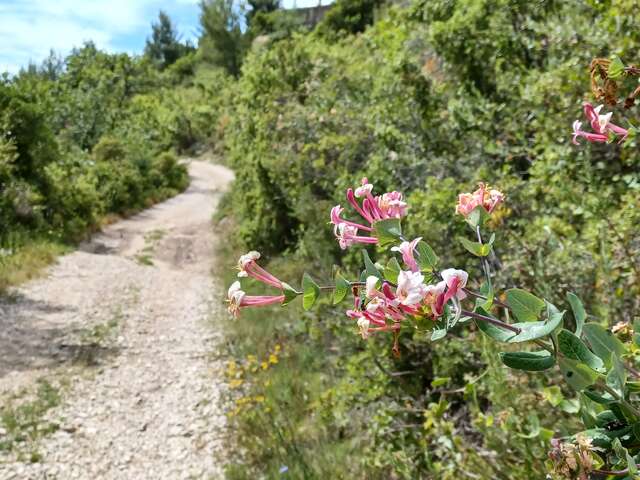
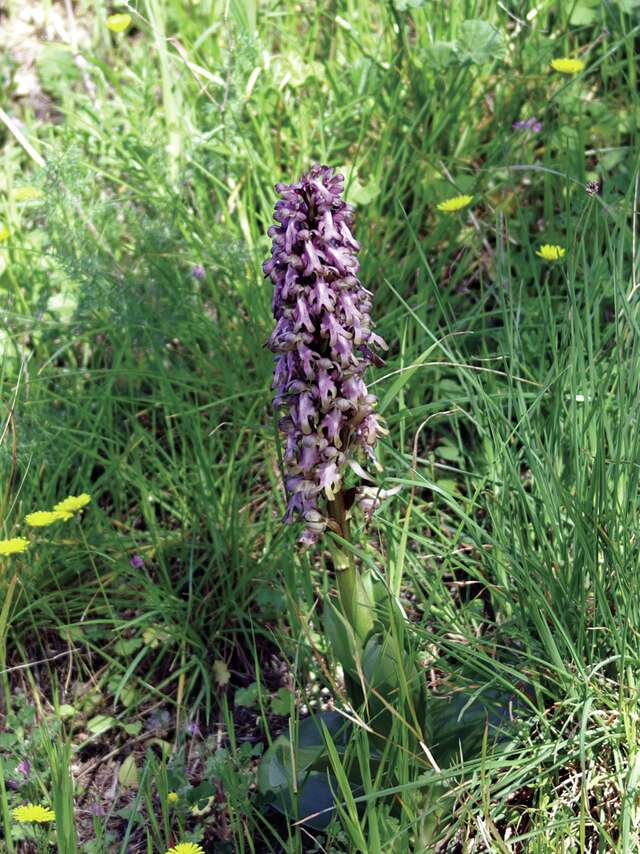
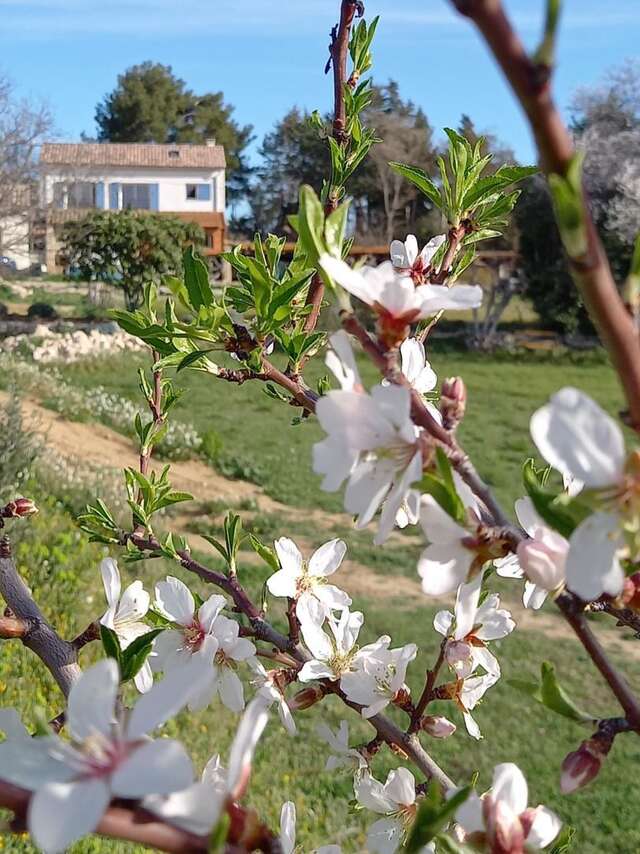
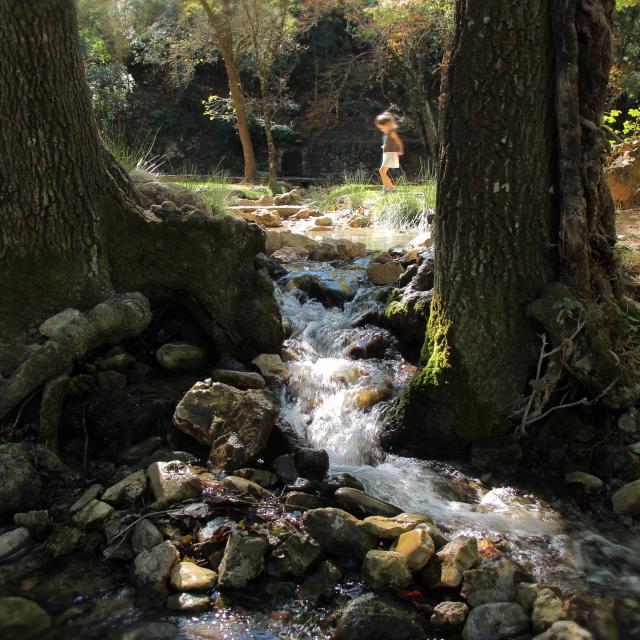
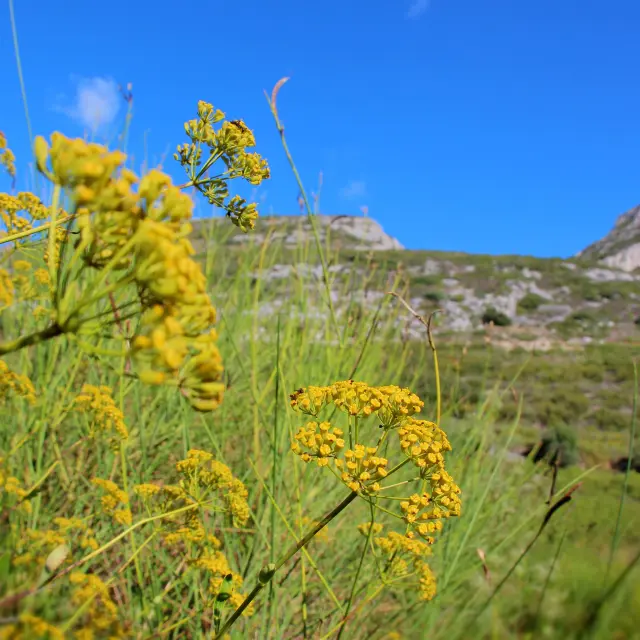
The Garlaban massif is home to vegetation typical of the south of France. Walkers will discover vast pine forests as well as the iconic plants of the garrigue: thyme, rosemary, cotton cistus, fennel, mallow, mint, borage, coronilla, broom and holm oaks. In spring, the hills are adorned with vibrant colours (yellow, pink, green) and the scents of the Mediterranean vegetation delight visitors’ senses.
The mountain range is also home to numerous animal species. Birds are particularly abundant, with several birds of prey regularly soaring over the hills. You can also spot mammals, reptiles and a multitude of insects that contribute to the site’s ecological richness, such as weasels, foxes, cuckoos, swallows, grasshoppers, dragonflies and caterpillars.
Indeed, this entire environment has contributed to the massif being included in the European Natura 2000 network. This recognition attests to the site’s ecological value and the need to protect its natural habitats and the species that live there. The preservation of this exceptional environment now makes it possible to combine outdoor activities with the protection of biodiversity.
Randonnee Garlaban Al Oti Pays D Aubagne 75
Randonnee Garlaban Al Oti Pays D Aubagne 39
default
Randonnee Garlaban Randonneural Oti Pays D Aubagne 9
Get there by public transport, by bike or on foot.
Stay on the marked paths.
Respect the local flora and fauna: do not pick flowers or plants.
Respect the peace and quiet of residents and local people.
Do not pollute springs or wells.
Do not throw stones.
Do not throw away paper or rubbish; instead, carefully collect your own waste.
Keep your dog on a lead.
No smoking, no open fires.
Hike: Garlaban, Al Oti, Aubagne area 12 1
Hike: Garlaban, Grotte du Plantier, Manon, Jlo, Oti, Pays d’Aubagne 12 1
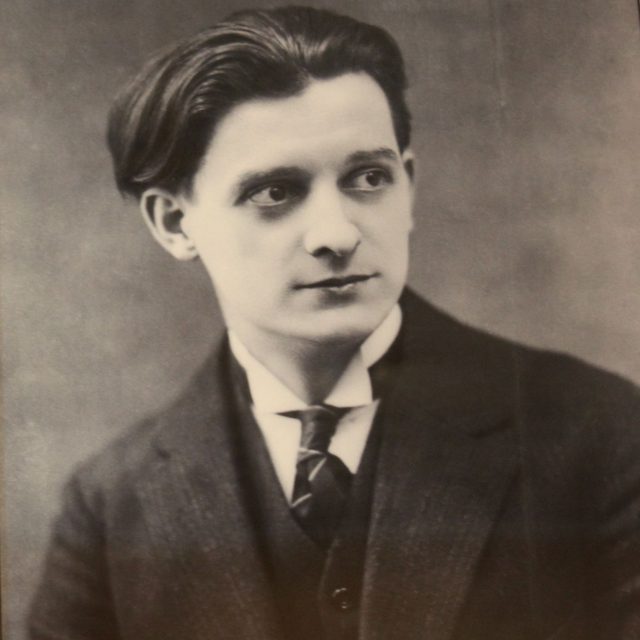
Nowadays, it is impossible to talk about Garlaban without mentioning Marcel Pagnol. For if the mountain range is now known beyond Provence, it is largely thanks to the artist. Born in Aubagne, the writer and filmmaker grew up in the shadow of these hills, which left a deep mark on his imagination and inspired his entire body of work.
From the very first lines of *La Gloire de mon père*, he evokes this iconic peak that dominates the Aubagne landscape. From 1904 onwards, when his family rented the Bastide Neuve in La Treille for their summer holidays, the young Marcel spent long days exploring the hills with his friend Lili des Bellons. These childhood memories would later form the basis of his famous autobiographical stories: *La Gloire de mon père*, *Le Château de ma mère * and *Le Temps des secrets*.
The landscapes of Garlaban also inspired several of his novels, such as *Jean de Florette* and *Manon des Sources*, and served as the setting for several of his films, including *Angèle*, *Regain*, *La Fille du puisatier* and *Manon des Sources*. Here, nature is never merely a backdrop: it becomes a character in its own right.
Even today, it is possible to follow in Marcel Pagnol’s footsteps along the trails of the massif. From La Bastide Neuve to Le Taoumé, via the Grosibou Cave, the Barres de Saint-Esprit and Manon’s Cave, many of the places featured in his books and films can still be seen.
Despite the changes to the landscape over time, the scents of the garrigue, the song of the cicadas and the sweeping panoramas that so inspired the writer are still very much present. A walk in the Garlaban is therefore an invitation to discover Marcel Pagnol’s Provence – the one that continues to capture the imagination of visitors.
This mountain range is often referred to as the “Garlaban massif”, whilst locals call it the “massif de Garlaban”. This is because it is regarded as a character in its own right in Pagnol’s stories.
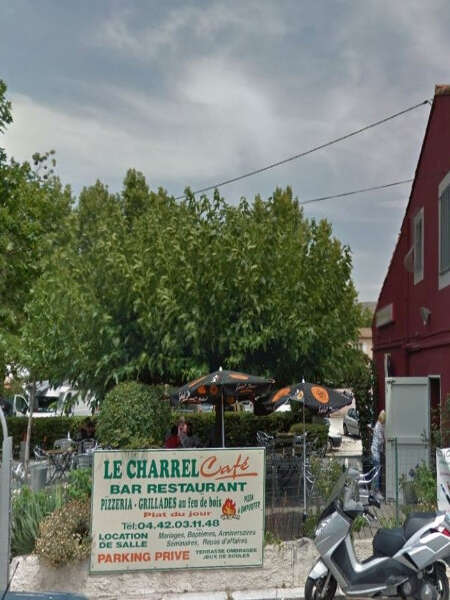
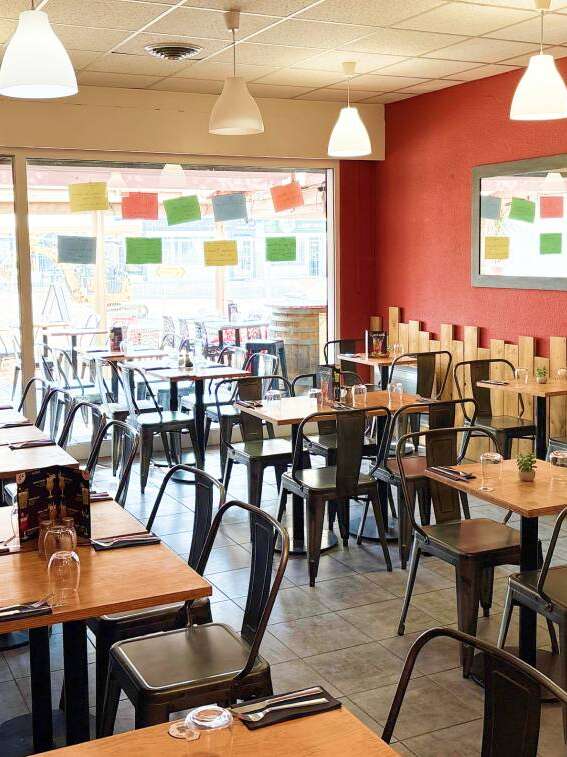
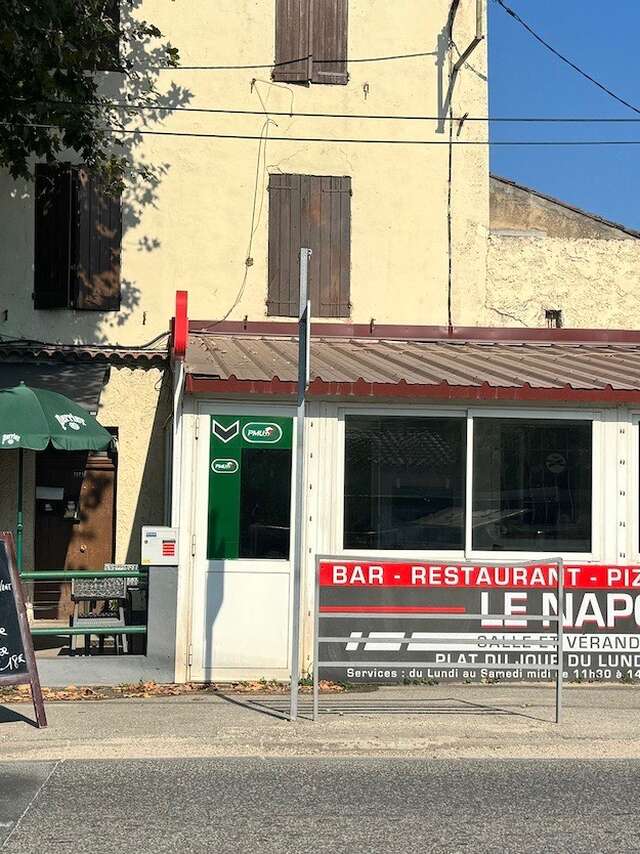
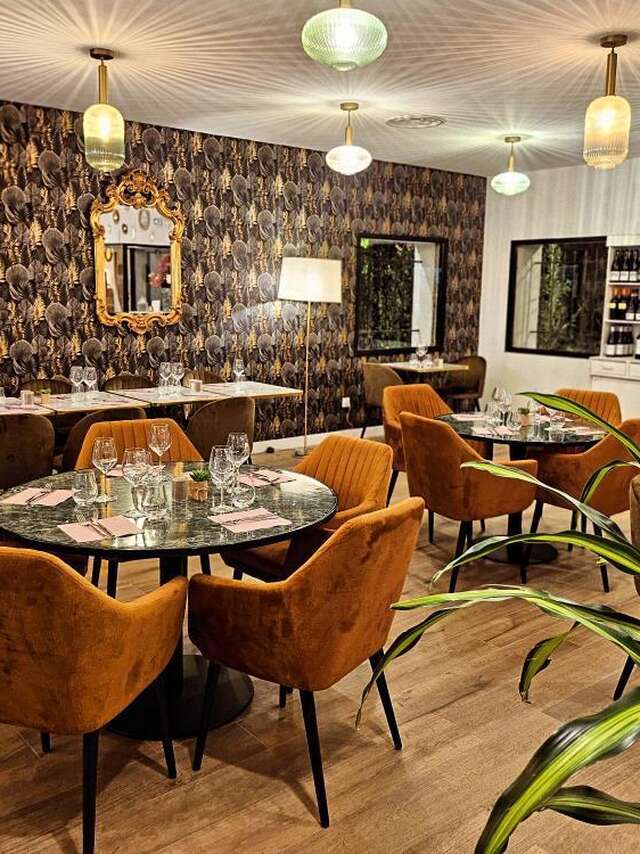
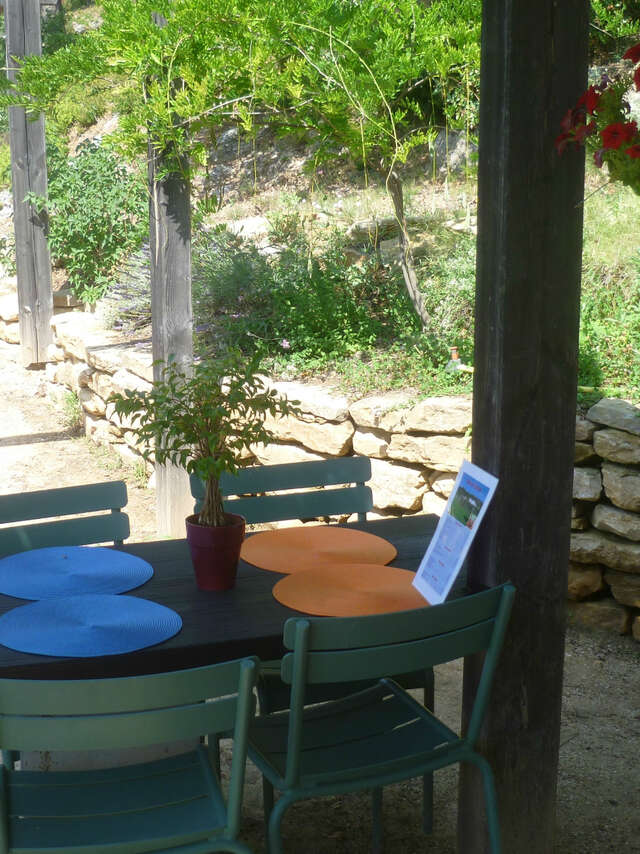
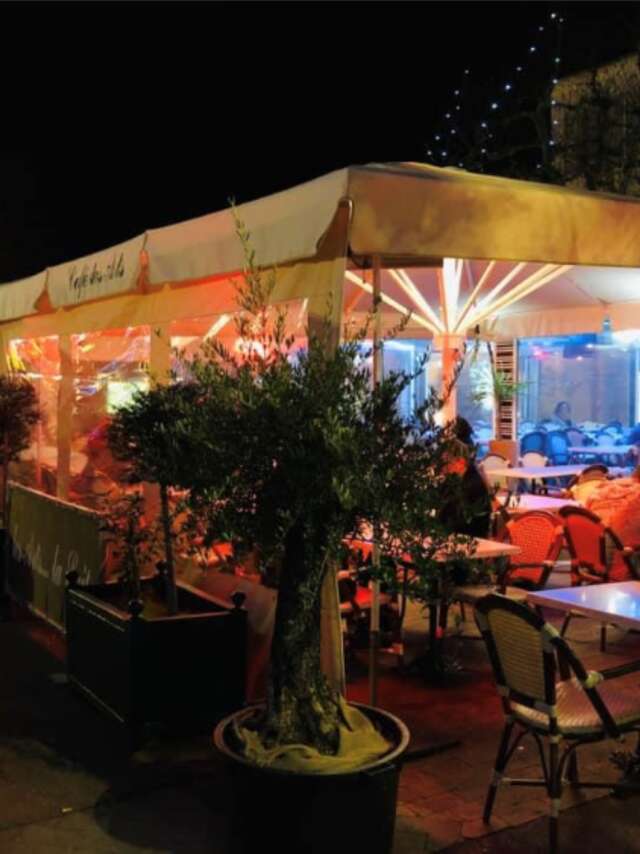
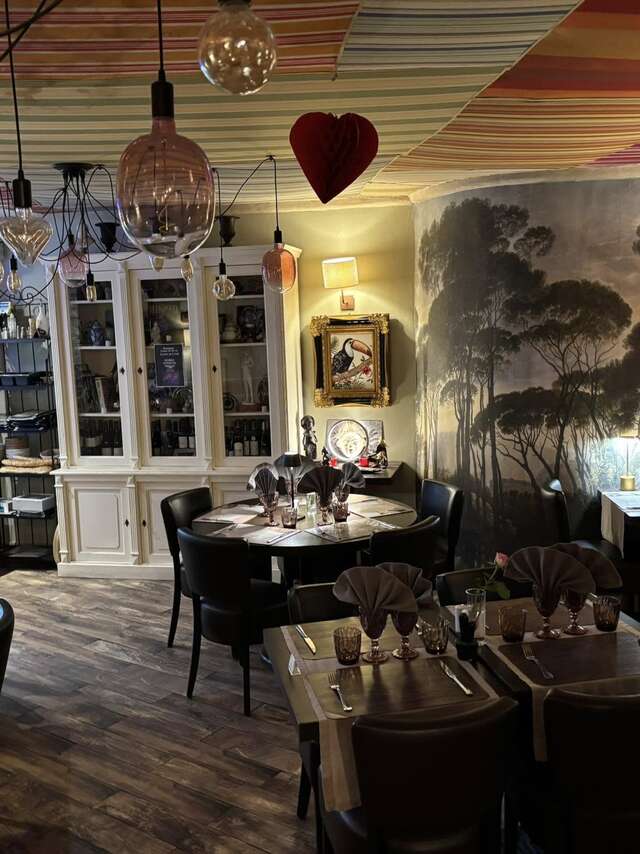
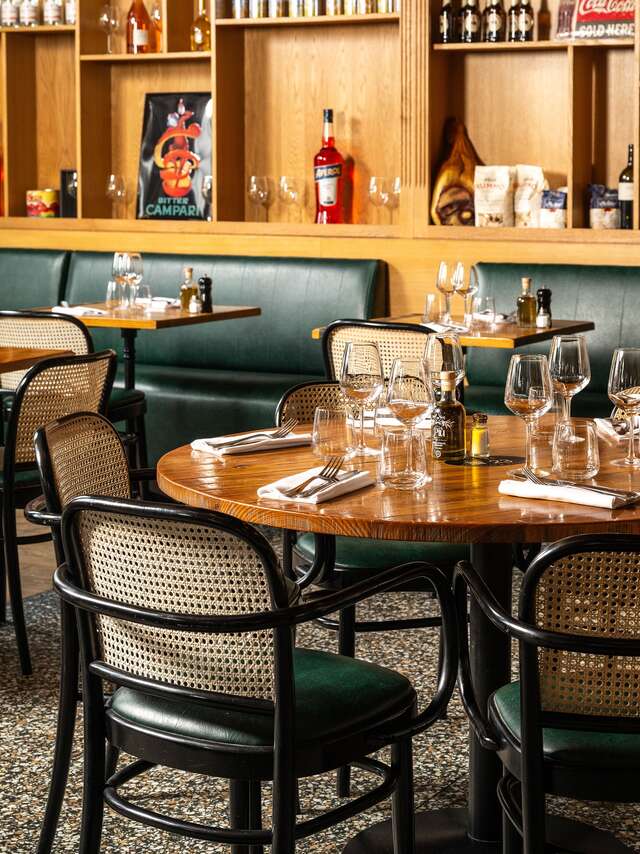
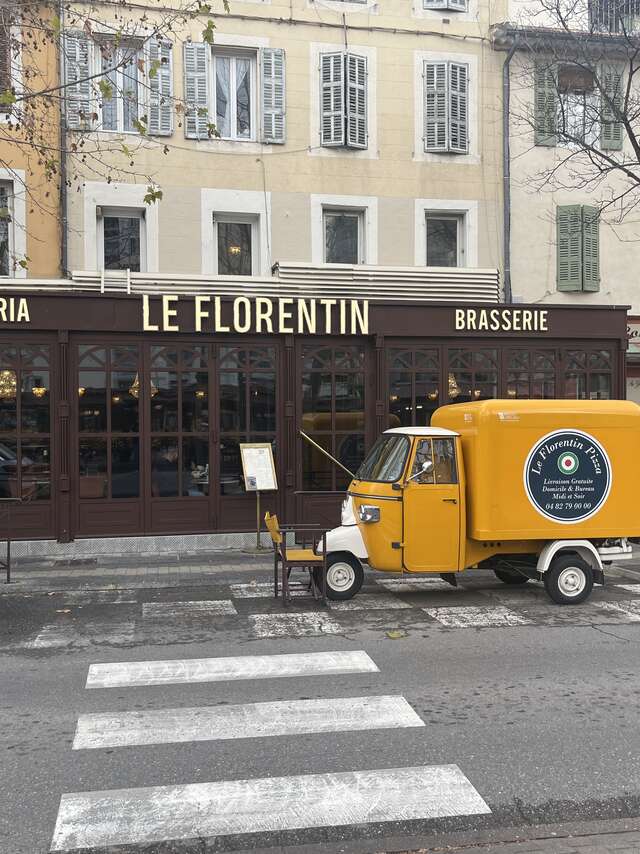
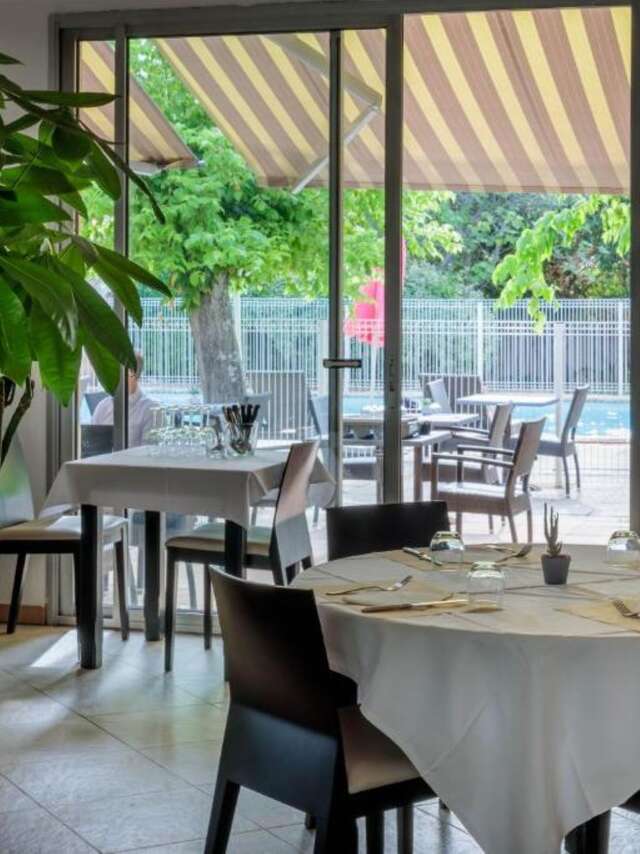
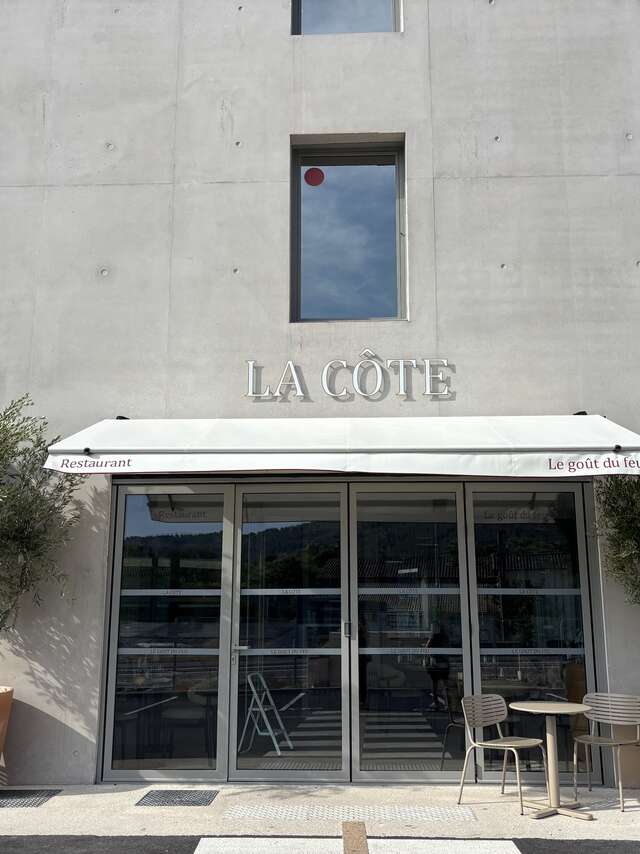
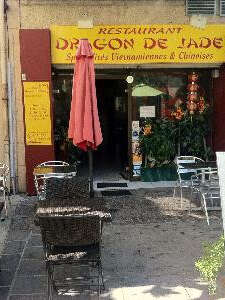
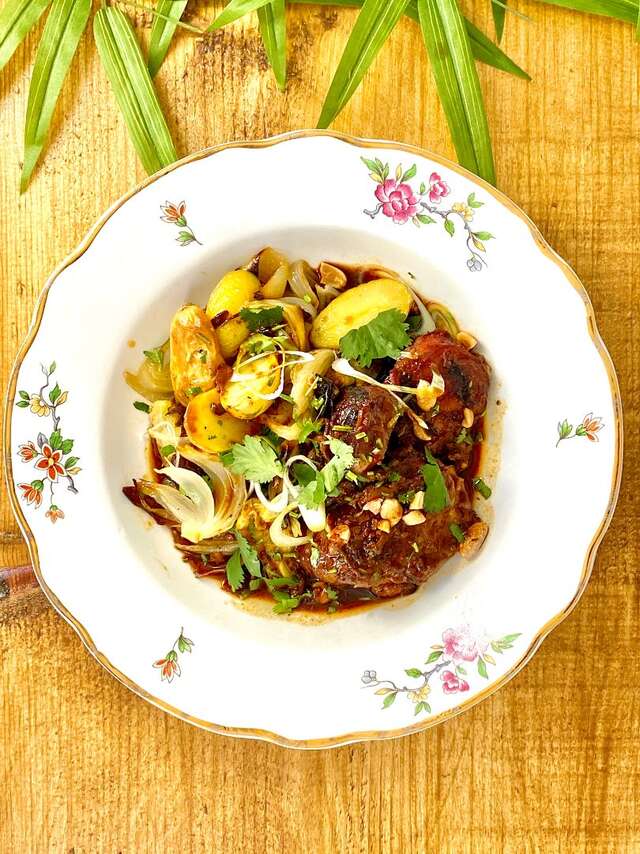
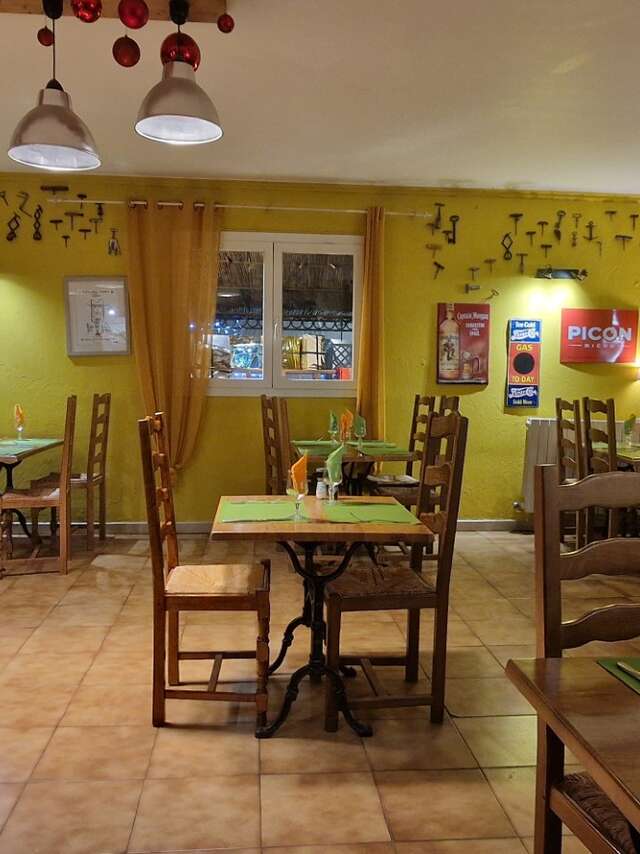
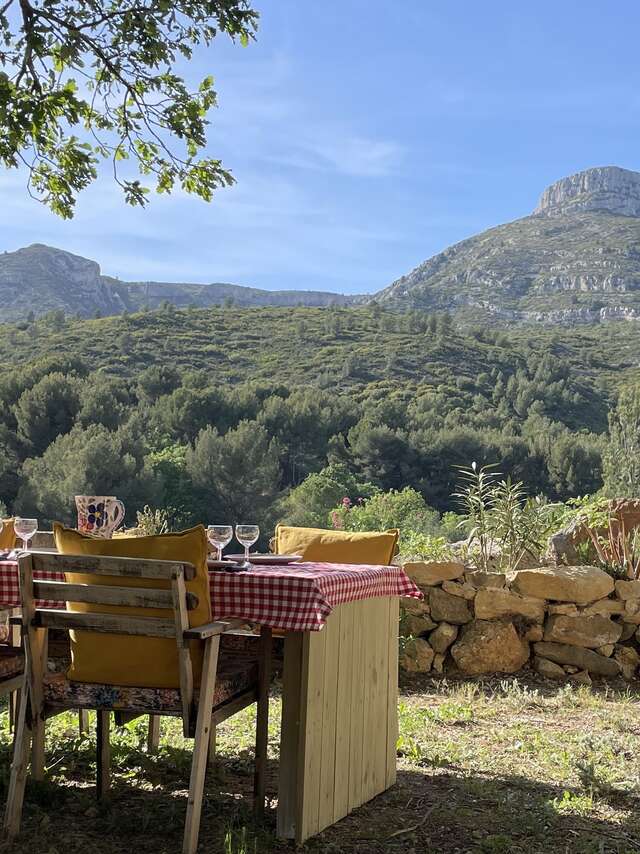
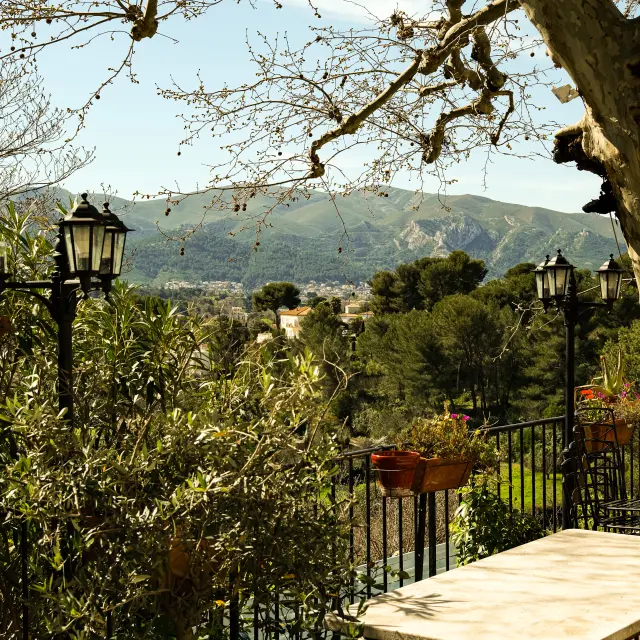
After a hike in the hills or a day spent exploring the Garlaban countryside, there are several restaurants nearby where you can stop for a delicious meal. With a choice of southern French cuisine, local specialities and friendly eateries, there’s something to suit everyone’s taste. Whilst there are plenty of restaurants to choose from in Aubagne and Roquevaire, in La Treille you can discover Le Cigalon de la Treille, famous for Marcel Pagnol’s film of the same name. It’s the perfect way to continue your Pagnol-inspired adventure!
Le Cigalon Restaurant, La Bastide Neuve, on the Route des Vacances, Al Oti, Pays d’Aubagne 2
Roquevaire Jpvallorani010 1
After a hike in the hills or a day spent exploring the Garlaban countryside, there are several restaurants nearby where you can stop for a delicious meal. With a choice of southern French cuisine, local specialities and friendly eateries, there’s something to suit everyone’s taste. Whilst there are plenty of restaurants to choose from in Aubagne and Roquevaire, in La Treille you can discover Le Cigalon de la Treille, famous for Marcel Pagnol’s film of the same name. It’s the perfect way to continue your Pagnol-inspired adventure!